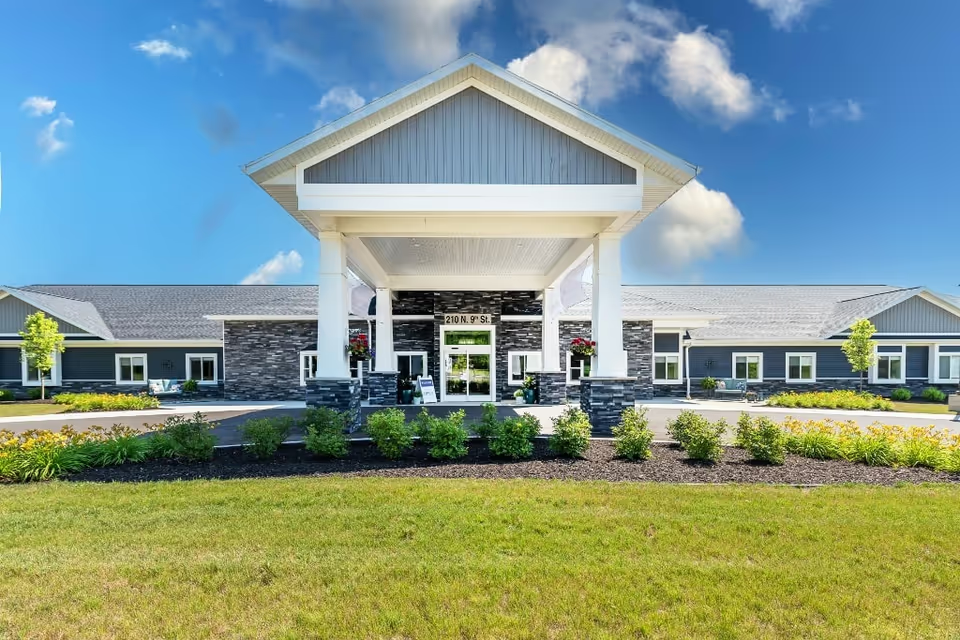
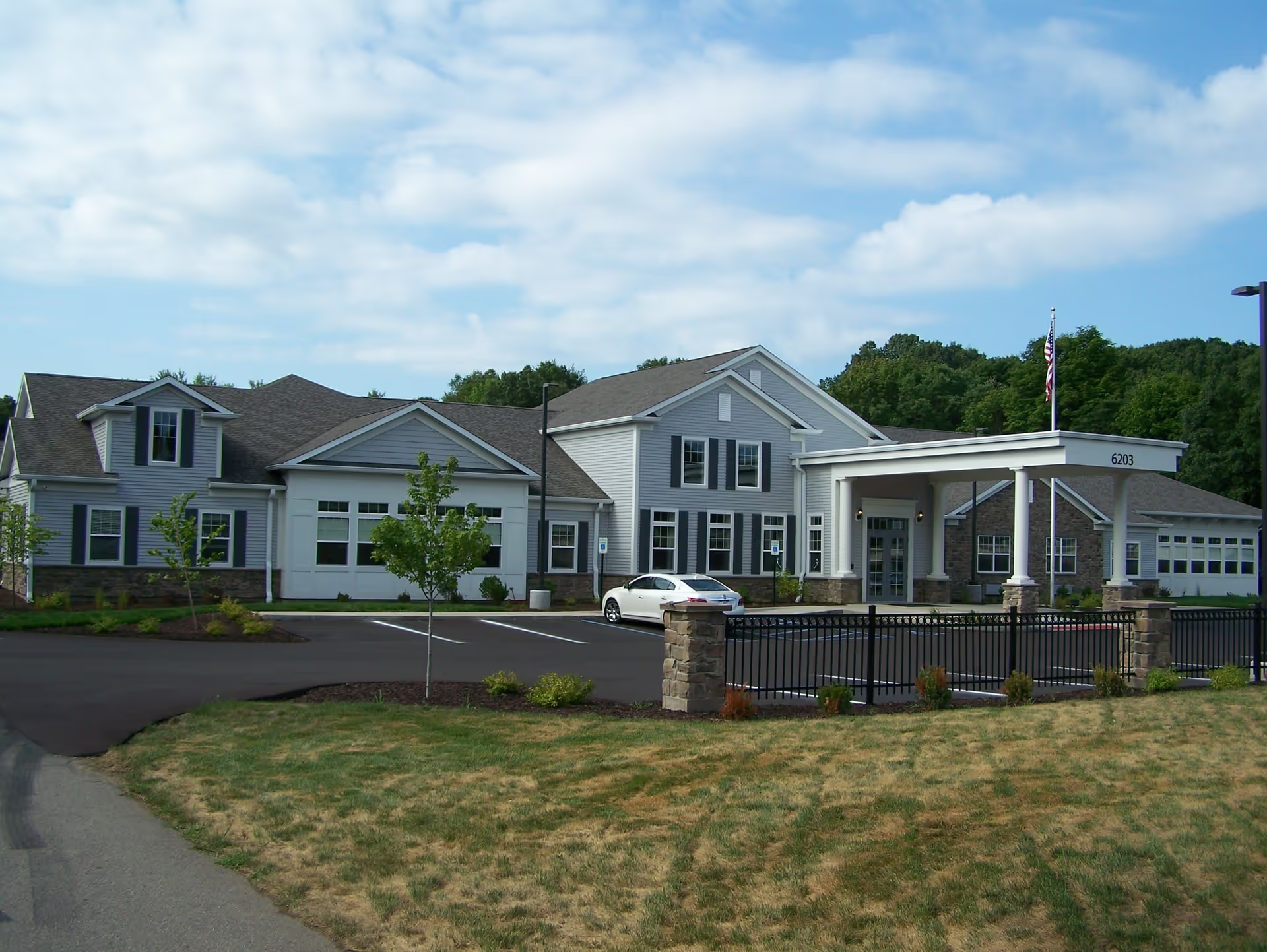
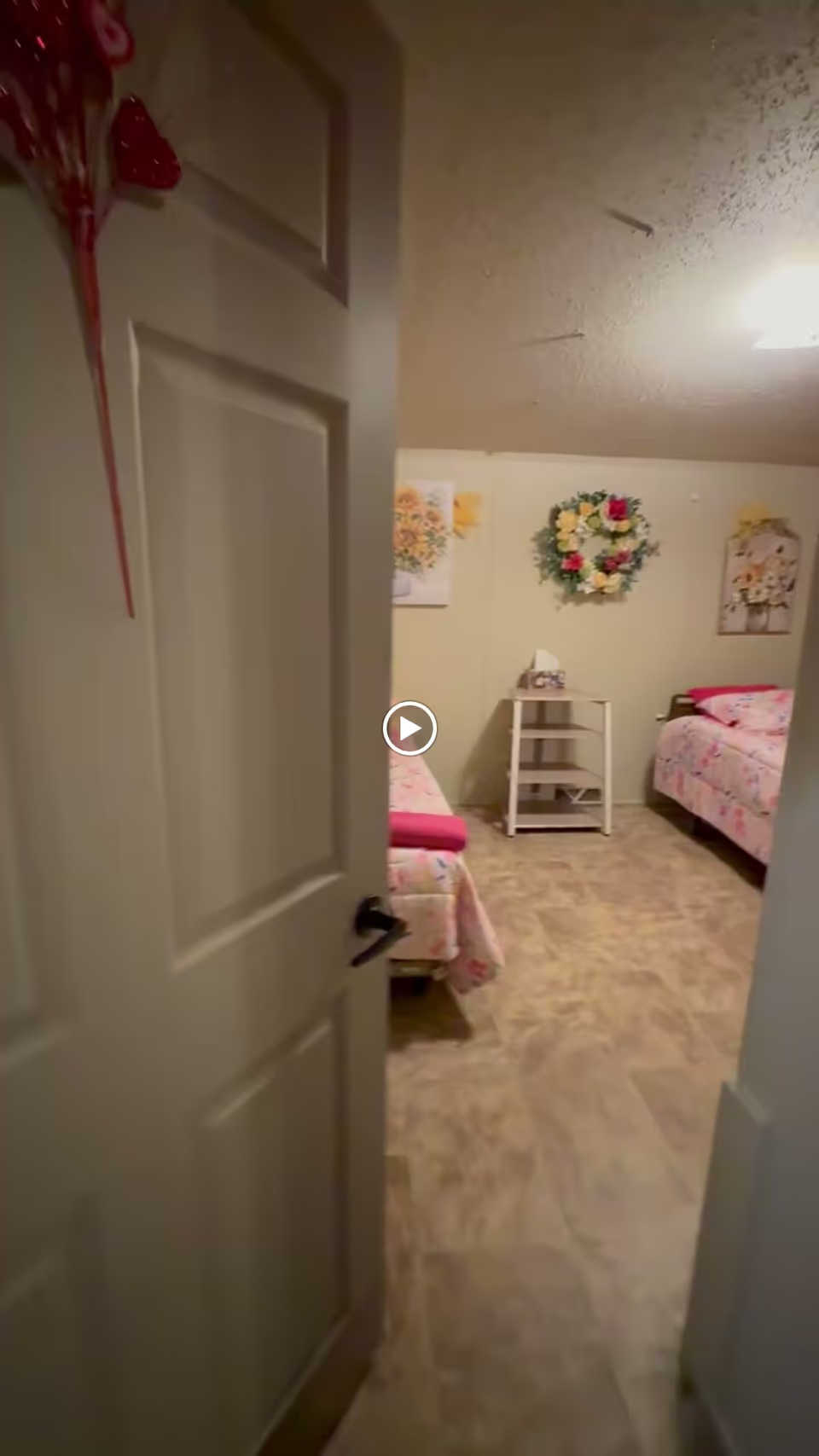
Alamo Cove Rehab and Nursing Center elicits a mixed but clear pattern: many families praise the direct-care teams and therapy staff for compassionate, personalized care and good rehabilitation outcomes, while others describe operational and clinical gaps that have materially affected resident experience. Strengths most consistently cited include empathetic nursing and CNA interactions, long-tenured staff who know residents by name, and a robust therapy program (physical, occupational, and speech therapy) that achieves measurable functional gains. Social-work involvement, family communication, and family-inclusive activities — including pet therapy and a range of social programming — are also frequent positives. The facility is often described as bright, clean, and comfortable, with accessible rooms, recreational amenities, and an active daily schedule that helps residents remain engaged.
Conversely, reviews indicate recurring operational weaknesses that prospective families should evaluate. Staffing shortages and turnover — sometimes attributed to facility ownership changes and funding pressures — are the dominant concern and are associated with slower responsiveness, inconsistent caregiving, and increased workloads for remaining staff. Specific care-process gaps that emerge from multiple accounts include inconsistent incontinence and hygiene support, variable clinical monitoring of wounds and weight/nutrition, and sporadic delays in attending to resident needs. Dining experiences are mixed: some families commend the food and portioning, while others report meals that caused illness or were otherwise problematic, suggesting variability in food safety and meal-service continuity.
Management and communication present a dual picture. Several families describe proactive, empathetic management, clear updates, and smooth care transitions. Others describe operational disruption following a facility sale, layoffs, or staffing changes; these disruptions are linked to declines in care consistency and to lapses in transfer logistics (for example, personal items being left behind). There are also mentions of serious individual incidents that prompted family concern and regulatory attention; these underscore the importance of reviewing recent inspection reports and asking management about incident-response processes and outcomes.
For prospective residents and families: visit at different times of day to observe staffing levels and mealtime routines; ask about current staffing ratios, turnover, and recent ownership or management changes; request information on wound, weight, and nutrition monitoring protocols; review recent state inspection and complaint histories; and discuss individualized therapy plans and family communication practices. While many families report highly positive rehabilitation experiences and warm, attentive care, variability in operational consistency and clinical oversight warrants careful, specific inquiry before placement.