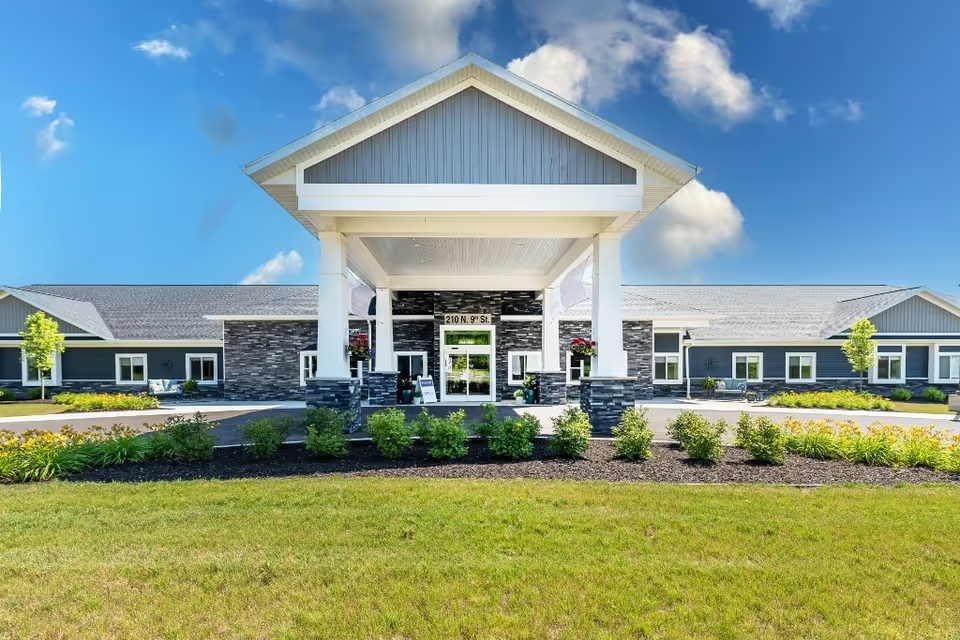
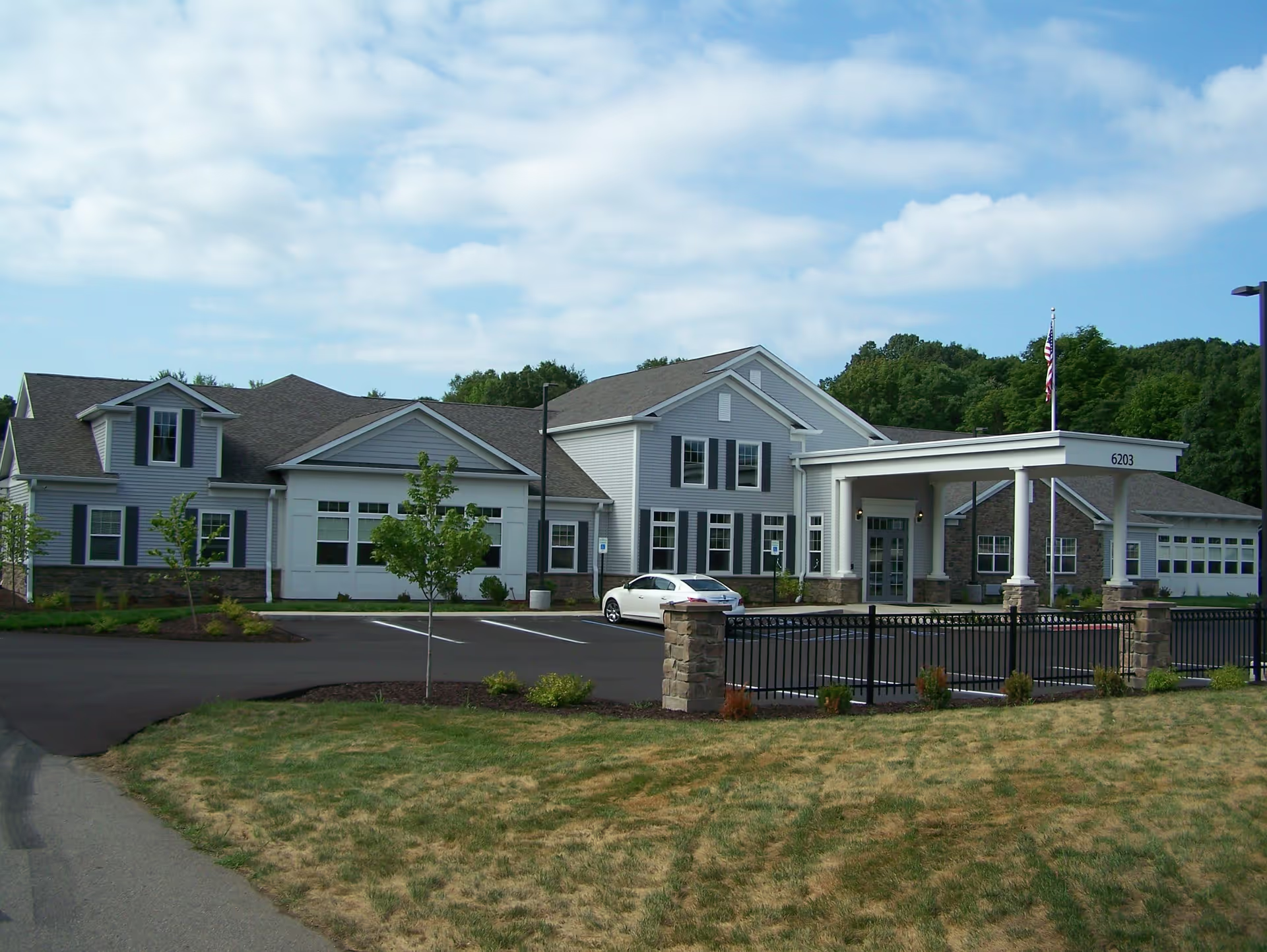
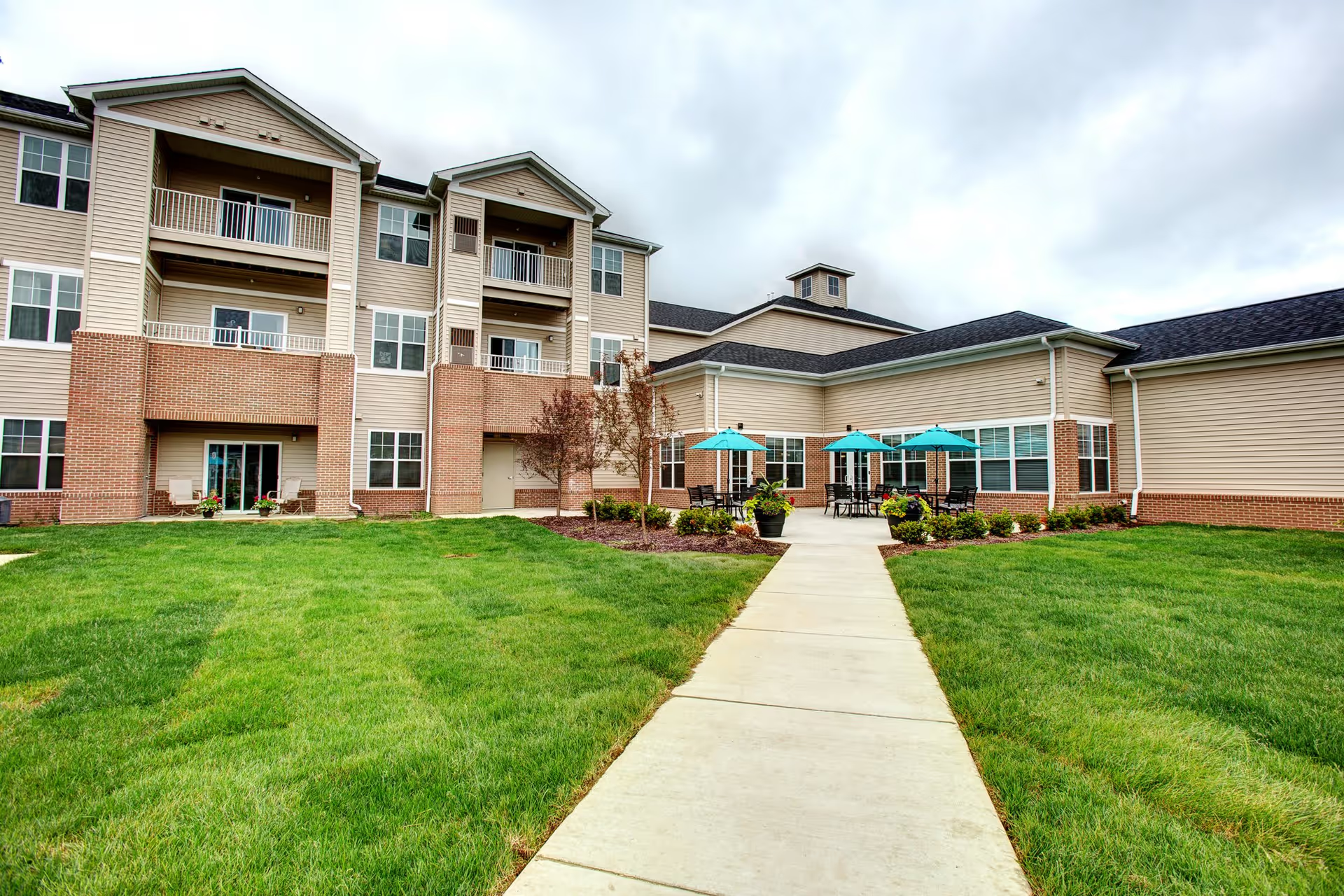
Friendship Village Kalamazoo is described by many families and residents as a large, well-appointed continuing-care community with substantial amenities and a strong rehabilitative focus. The facility offers multiple levels of care on a single campus — independent living, assisted living, memory support, and a health/rehab center — which reviewers consistently cite as a convenience for transitions in care. The physical plant is frequently praised: updated interiors, attractive landscaped grounds, courtyard views, an auditorium, library, art gallery, walking trails, fitness classrooms, pool and a full complement of social spaces. Apartments and garden homes are characterized as spacious and customizable, and guest rooms are available to visiting family.
Care quality and staff performance are central strengths. Numerous comments highlight compassionate, attentive caregiving, timely responses to call alerts, supportive nursing, and a highly regarded therapy program that produces notable functional outcomes. Reviewers emphasize that staff often go above and beyond, and that hospice and end-of-life care are handled with attention and respect. At the same time, there are recurring operational concerns about staffing continuity and workload; turnover and perceived understaffing contribute to inconsistent experiences, particularly in direct care responsiveness and some assisted-living areas.
Dining and programming receive mixed-but-specific feedback. The community offers multiple dining venues, banquet-style dining rooms with natural light, special-event meals, and accommodations for dietary needs. Several reviewers describe excellent culinary experiences and a talented kitchen team, while others note variability in day-to-day food quality. Social, cultural and wellness programming is a consistent positive: regular entertainment, classes, field trips, volunteer opportunities, and robust fitness offerings were cited as strong contributors to resident quality of life.
Facilities and logistics are a balance of positives and friction points. The campus size supports many amenities but also creates practical issues: long hallways, detached apartment clusters, and distances between living units and dining or activity spaces can be burdensome for some residents. Parking and visitor access are commonly mentioned as constrained or inconvenient, with some parking located a block away or in distant garages. Reviewers also pointed to weekend limitations in maintenance and front-desk services, and intermittent technology or utility outages have affected phone/TV service in some instances.
Clinical and safety themes warrant careful inquiry during a tour. While medication management and on-site health services are available and rehabilitation is well regarded, reviewers raised concerns about consistency in medication practices and clinical decision-making in isolated cases. There are also limitations in the community’s capacity to support certain complex medical interventions. Other operational safety-related items include questions about emergency-response policies and in-room call systems, and occasional pest-control concerns that families said required follow-up. These items appear episodic for some but important to verify before a move.
Management and access issues appear mixed. Several families praised responsive administration, transparent discharge planning, and an engaged culture, while others experienced communication lapses, appointment cancellations, or tour interactions that felt rushed or marketing-focused. The community operates under a Lifecare model for long-term coverage and also maintains a significant wait list for desirable unit types, which may affect move-in timing. Cost is frequently described as high relative to expectations, so prospective residents should compare contract terms and what is included.
Bottom line: Friendship Village Kalamazoo offers a comprehensive, amenity-rich senior-living environment with notable strengths in staffing compassion, rehabilitative services, and campus life. Prospective residents and families should verify operational details that have produced uneven experiences for some — specifically staffing continuity, dining consistency, emergency-call infrastructure, parking logistics, pest-control responsiveness, and the community’s clinical scope for high-acuity needs — and review contract terms and wait-list timing before committing.