The reviews present a mixed picture of Hallmark Living Kalamazoo, with distinct positive themes alongside serious operational concerns. Positive comments emphasize staff dedication, visible teamwork among aides, and an overall sense that the facility has improved over time. Several remarks express satisfaction with services and the physical environment, and some reviewers describe a constructive outlook from administration about continued improvement.
Care quality appears uneven. Strengths include committed direct-care employees and collaborative aide teamwork, which support good day-to-day caregiving when staffing and processes align. However, there are notable operational gaps that affect outcomes for some residents — most prominently delays in attending to personal-care needs and inconsistencies in the timeliness of assistance. These delays are linked in reviews to broader variability in the resident experience, suggesting the facility can provide good care but does so inconsistently.
Staff matters are similarly mixed. Reviewers praise individual staff members as wonderful and hardworking, and teamwork among aides is identified as a positive. At the same time, concerns about staff conduct and responsiveness — including the tone of interactions with residents and families — recur. This pattern points to a need for consistent training, supervision, and communication standards to ensure uniform resident experiences across shifts and teams.
There is limited specific feedback about dining and activities in the supplied summaries. The general satisfaction with services implies these areas are at least adequate for some families, but the absence of detailed comments prevents a firm assessment. Prospective families should request current menus, activity calendars, and examples of resident engagement to evaluate these programs directly.
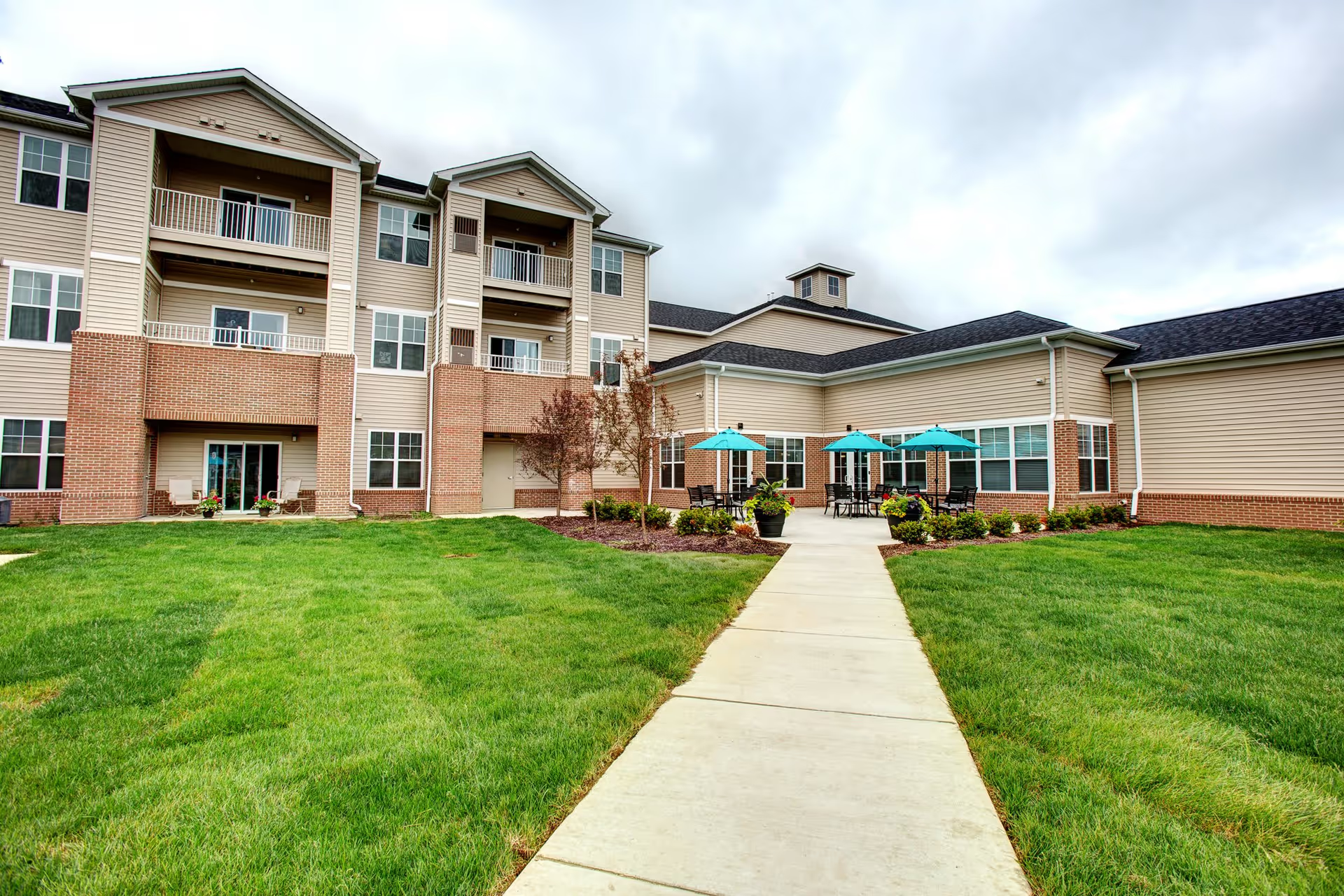
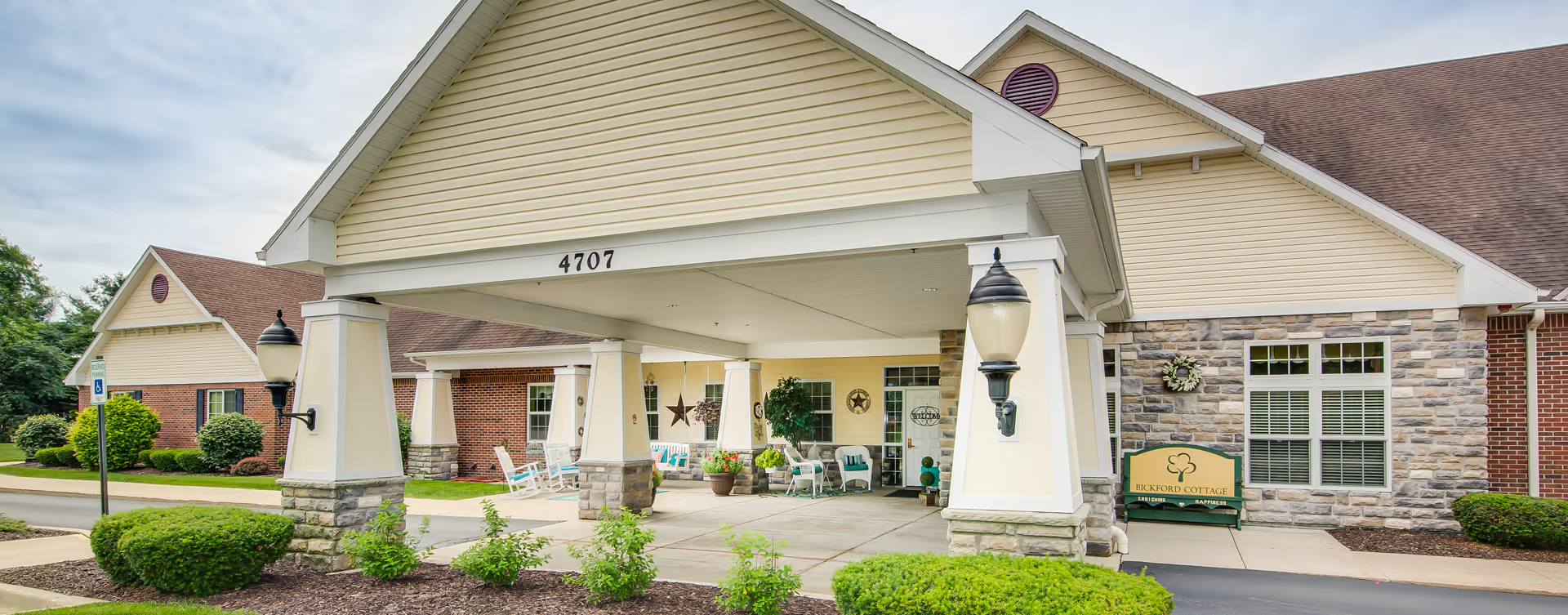
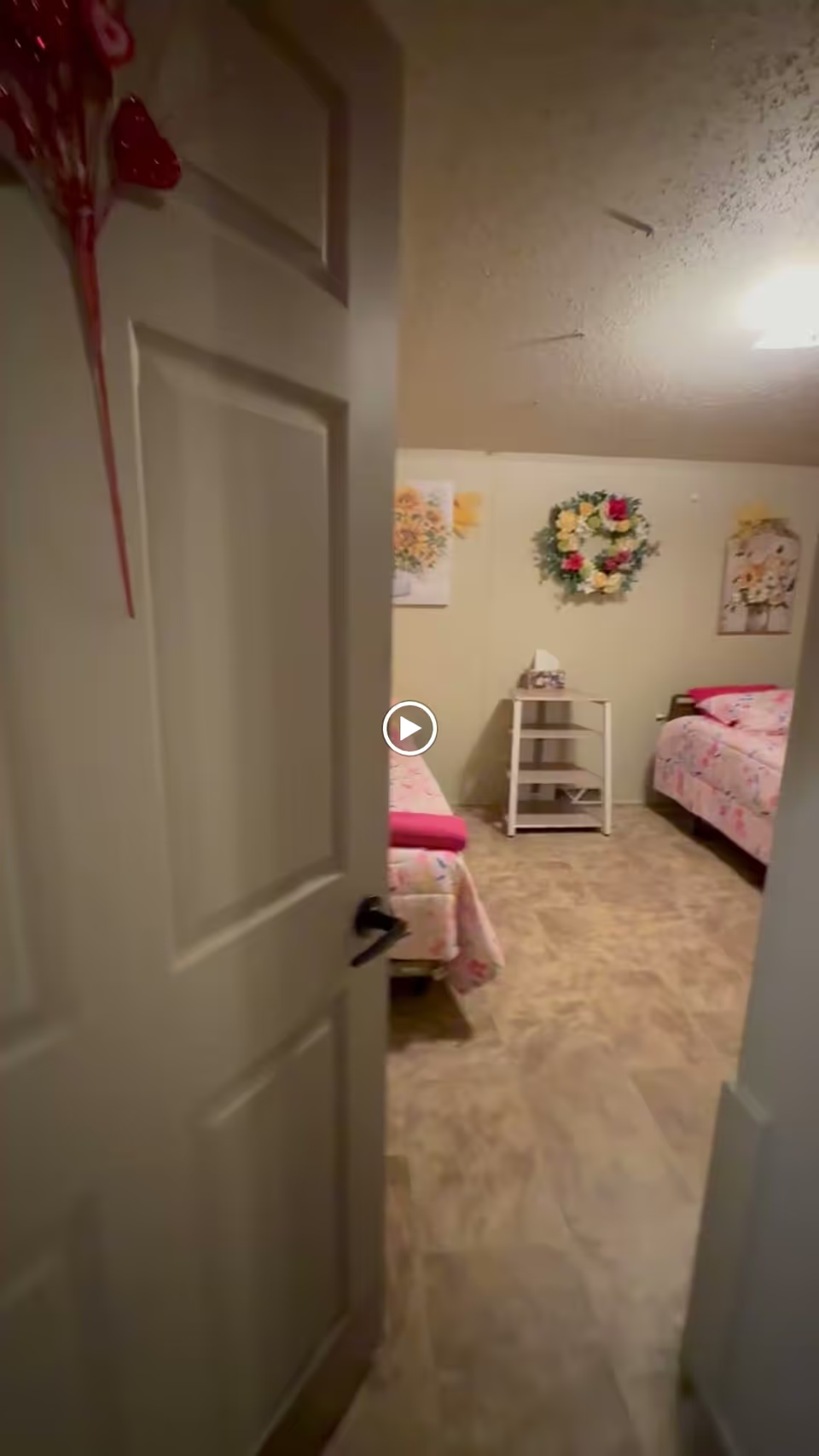
On facilities and housekeeping, opinions vary. Some reviewers describe the facility as excellent and improved, indicating investments in maintenance and amenities. Others raise sanitation and cleanliness concerns; these indicate variability in housekeeping standards or execution across units or shifts rather than a uniformly maintained environment. Asking about housekeeping protocols, inspection routines, and recent corrective actions would help clarify the current state.
Management appears to be making improvements and projects a positive future direction, but the pattern of polarized experiences suggests remaining operational issues: staffing consistency, timeliness of personal-care tasks, and standardized staff conduct. For families considering this community, recommended next steps include an in-person tour focused on cleanliness and staffing during different shifts, conversations with current family members or residents about day-to-day responsiveness, review of recent inspection or quality reports, and discussion with leadership about staffing levels, incontinence-care protocols, and staff training/oversight measures.