Heritage Community of Kalamazoo elicits a notably mixed but informative set of impressions. Many reviewers emphasize the facility's strengths as a full-spectrum senior community — a campus that offers independent living, assisted living, memory care, and skilled nursing — and praise its broadly compassionate culture. Positive comments cluster around attentive caregiving, strong rehabilitation services, an active life-enrichment program, and restaurant-style dining. The memory-care unit is highlighted as having a structured, trained approach that supports individualized plans and redirection strategies.
Staff quality and interpersonal culture are recurring positives. Numerous reviewers describe caring, professional, and courteous staff members, and several note that leadership cultivates a supportive workplace with opportunities for staff growth. These qualities contribute to a strong sense of community, social engagement, and resident dignity in many accounts. Clinically, families report good therapy outcomes and satisfaction with on-site medical-wellness measures when staffing and communication are functioning smoothly.
At the same time, the reviews indicate operational inconsistencies that prospective families should assess. Staffing levels and shift coverage appear variable, with some accounts describing delays in response to calls or alarms and concerns about timely clinical intervention. Relatedly, there are descriptions of gaps in clinical monitoring, communication of medical changes, and inconsistent follow-up after incidents. These are best understood as process and resourcing risks rather than uniform practice across the campus.
Dining and activities receive largely positive remarks for variety and atmosphere, but there is some divergence in food quality and preparation — specifically in texture-modified meals — that suggests uneven culinary execution. The life-enrichment program is generally robust, with frequent on- and off-site events, exercise classes, and social gatherings that contribute to resident engagement and wellbeing.
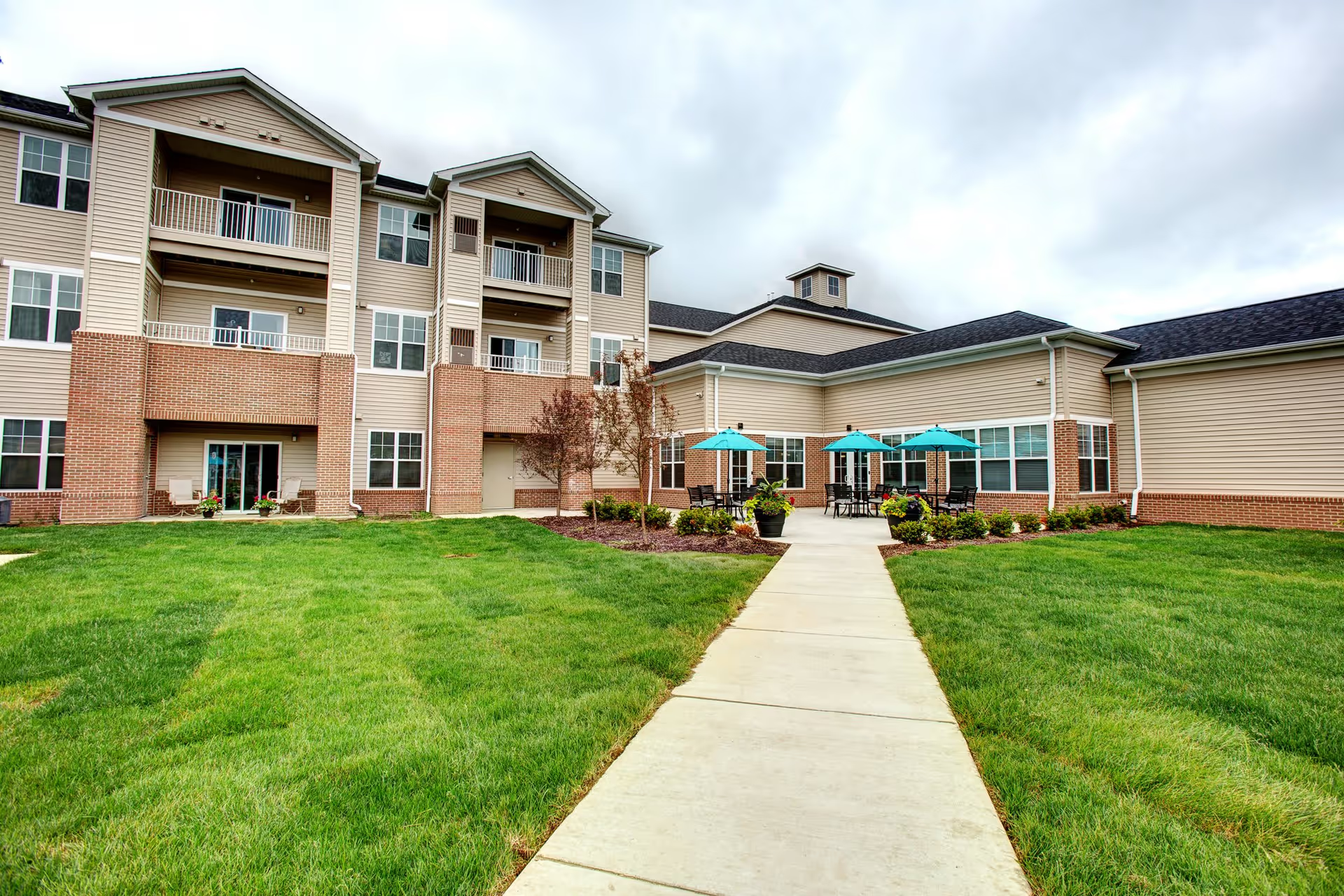
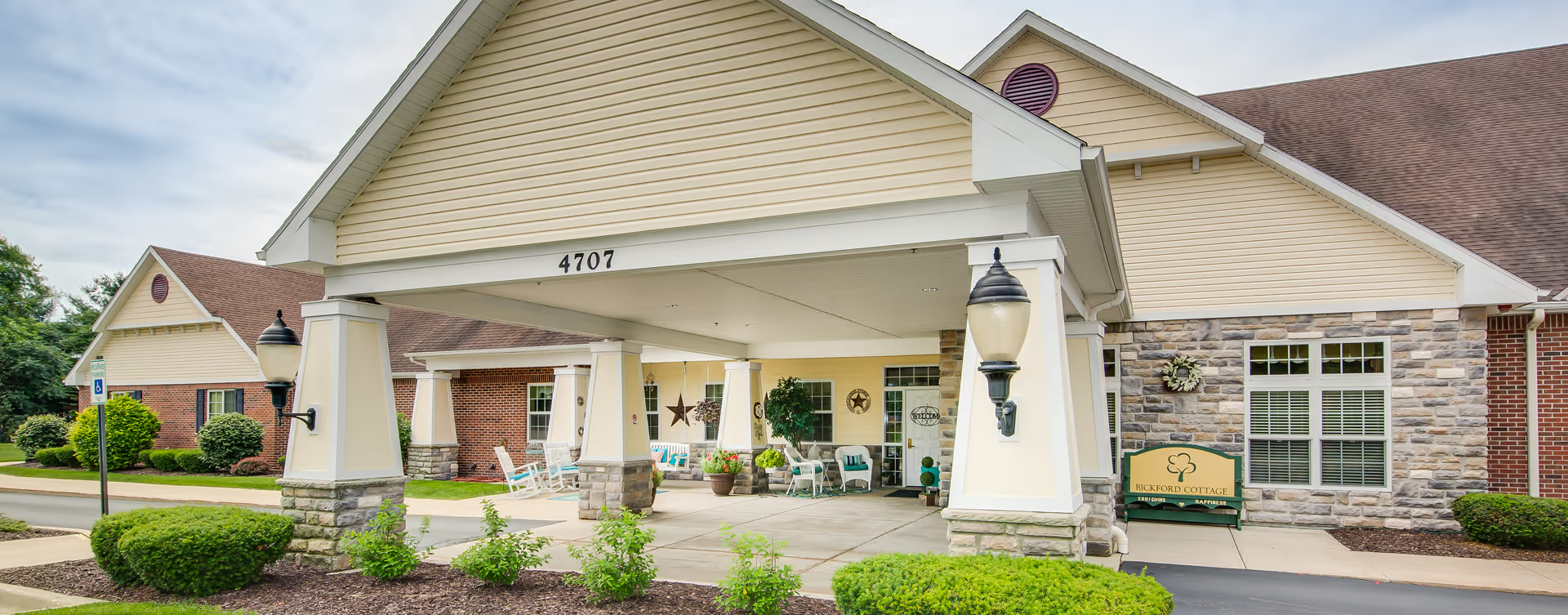
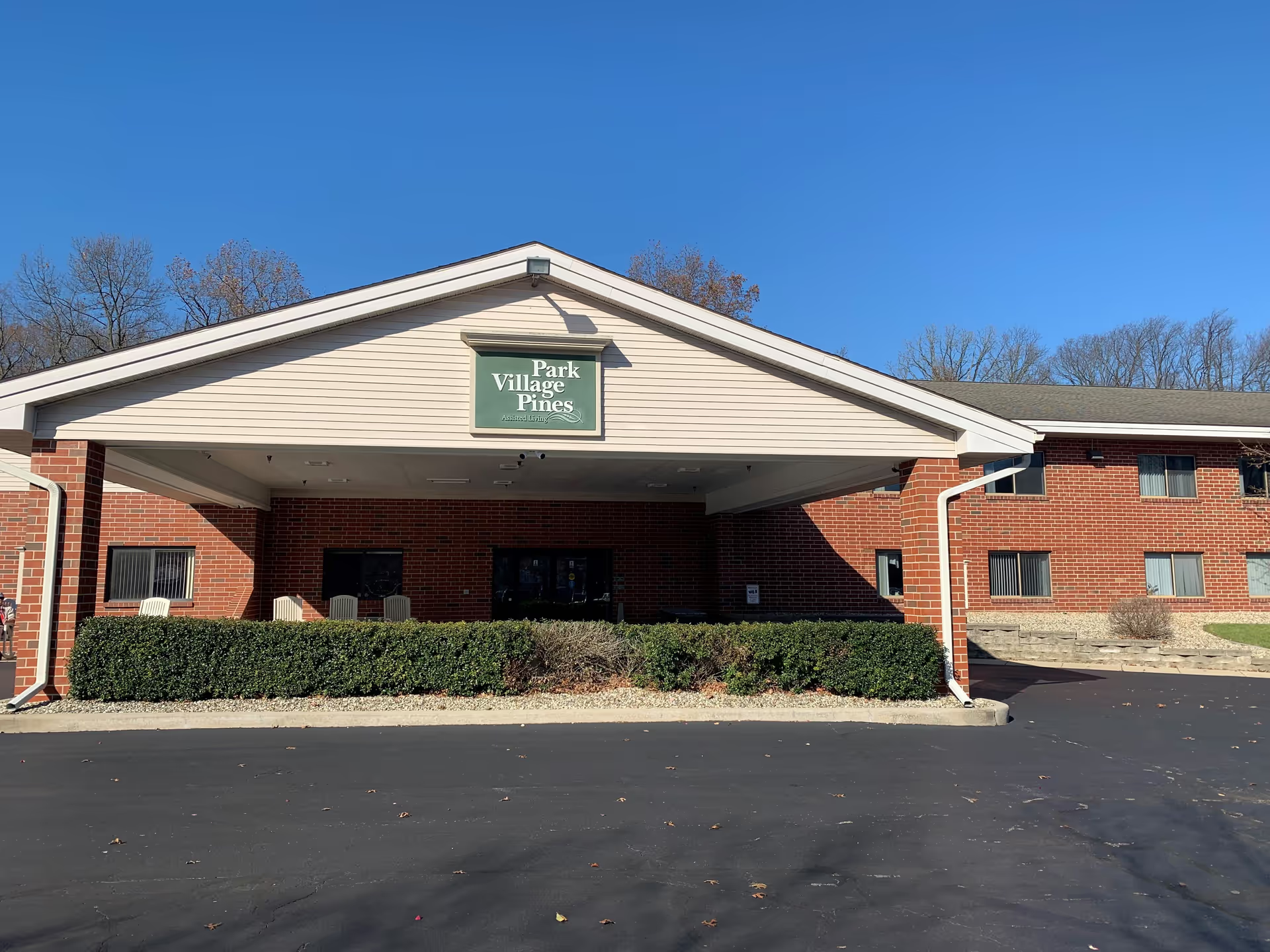
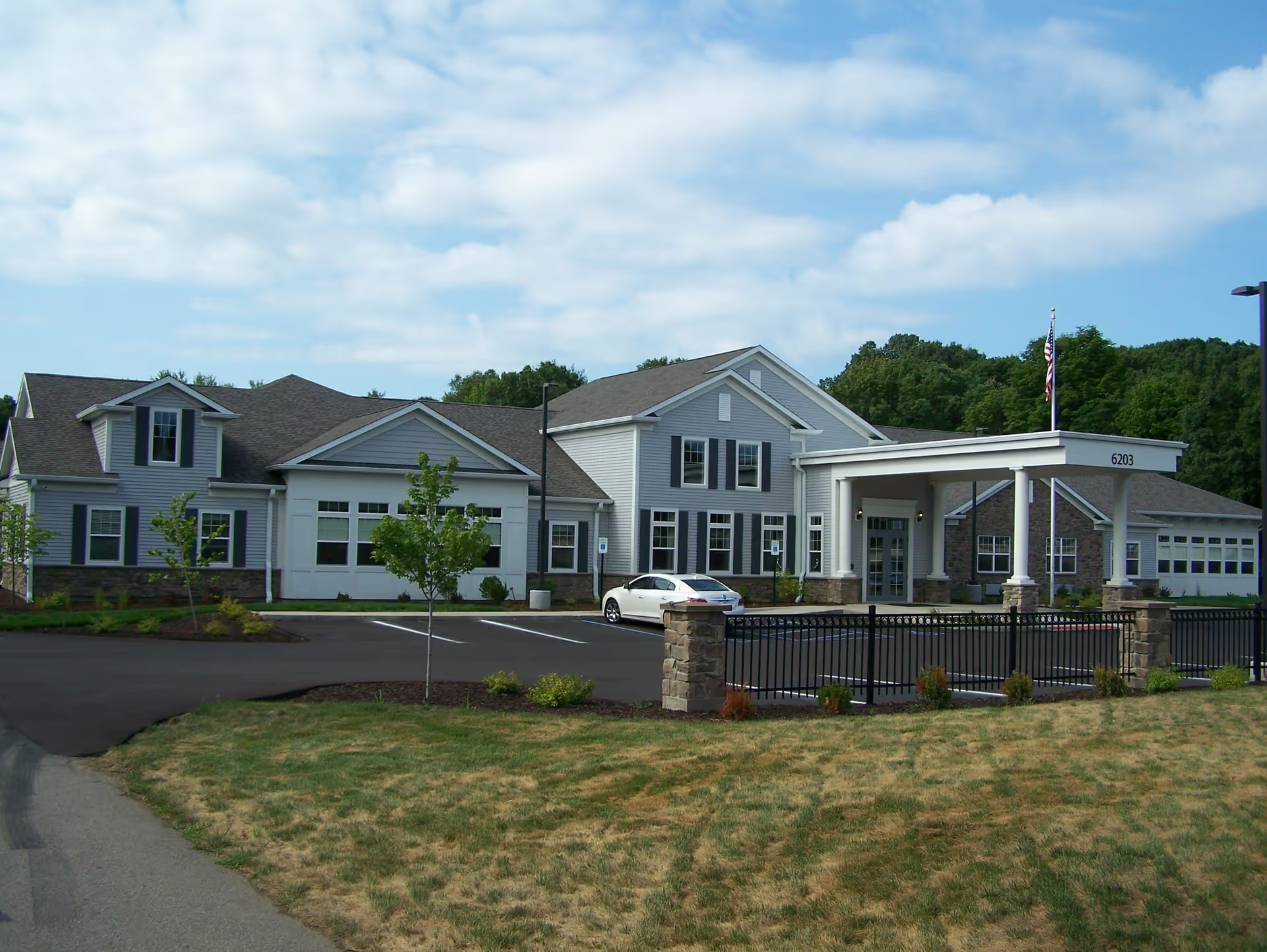
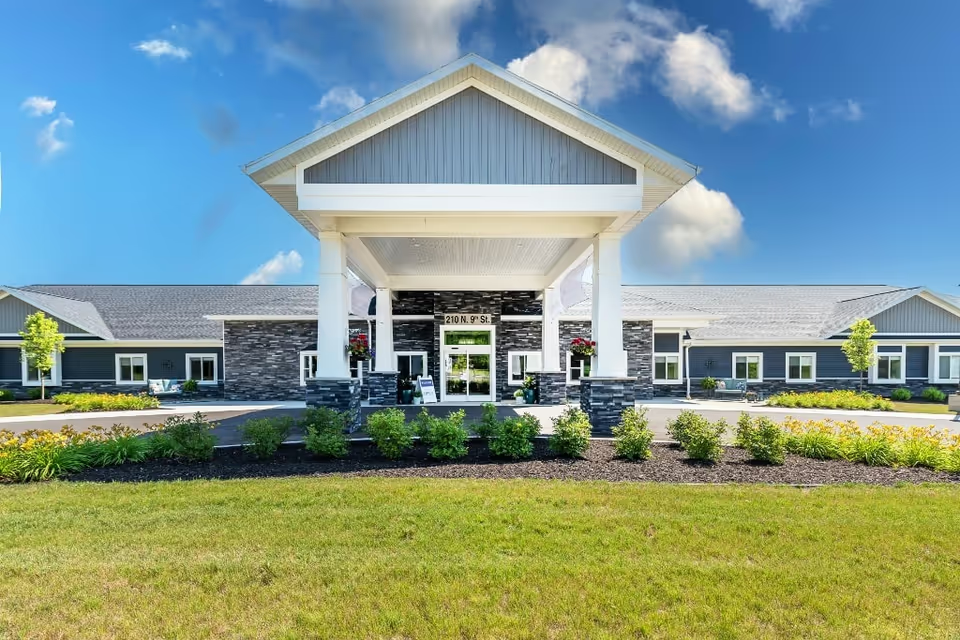
Facility and campus impressions are mixed. Many reviewers praise attractive common areas, large apartment features, and convenient location, while others identify maintenance shortfalls such as exterior upkeep, small parking, and specific accessibility limitations in outdoor spaces. Operational reliability at the unit level (timely repairs, housekeeping consistency, and supply availability) also appears uneven across different accounts.
Management and communication are another area of contrast. Several reviewers commend leadership and a mission-driven culture; others cite problems with transparency, phone accessibility, and responsiveness to family concerns. A small number of serious, individual concerns were raised — including delayed emergency responses and issues noted following a resident's death — which underscore the importance of asking targeted questions about clinical protocols, emergency transfer procedures, and family communication practices during a tour.
Recommendation: Heritage Community offers many of the features families seek in a continuing-care community, especially when caregiver attentiveness, therapy services, and social programming are priorities. Prospective residents and families should perform an in-person evaluation that includes: verifying typical staffing ratios and night/weekend coverage, reviewing emergency-response and transfer protocols, sampling current menus (including texture-modified options), inspecting outdoor-area accessibility, and asking for examples of how leadership handles maintenance, family communications, and any redevelopment or financial-planning decisions. These steps will help determine whether the community's strengths align with an individual resident's care and lifestyle needs.