The reviews present a mixed but distinct pattern: many families praise the day-to-day caregiving, programming, and facility upkeep, while others describe operational weaknesses that have affected care consistency. Strengths most consistently noted include warm, person-centered interactions from nursing and caregiving staff, a family-like atmosphere, and staff members singled out for professionalism and compassion. Multiple accounts specifically highlight engaging memory-care activities, varied meals that residents enjoy, and comfort amenities such as recliners and televisions that support residents’ daily life.
Care quality receives both strong endorsement and criticism. Positive commentary emphasizes skilled, patient caregivers who provide individualized attention, meaningful social interaction, and supportive end-of-life comfort. At the same time, reviewers raise concerns about delays in attending to basic personal-care needs and inconsistent execution of scheduled care tasks. These issues are linked within the reviews to staffing instability, training gaps, and variability in supervision — factors that can produce uneven experiences between residents and shifts.
Dining and programming are generally described favorably. Families report varied menus and activities that are suitable for memory-care residents, with staff making extra efforts for special requests and engagement. The activity program and social offerings are seen as a clear strength for resident quality of life.
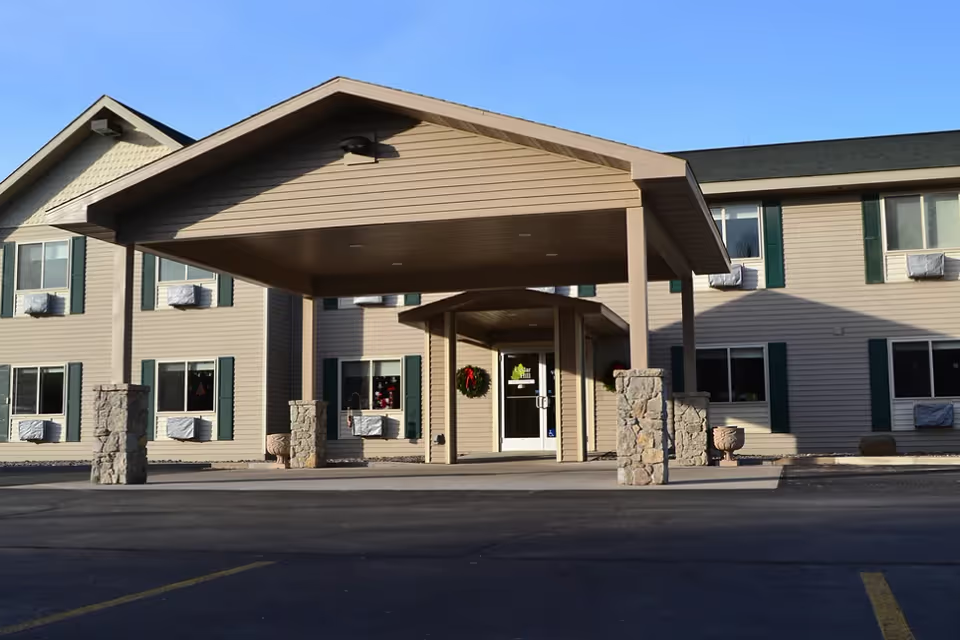
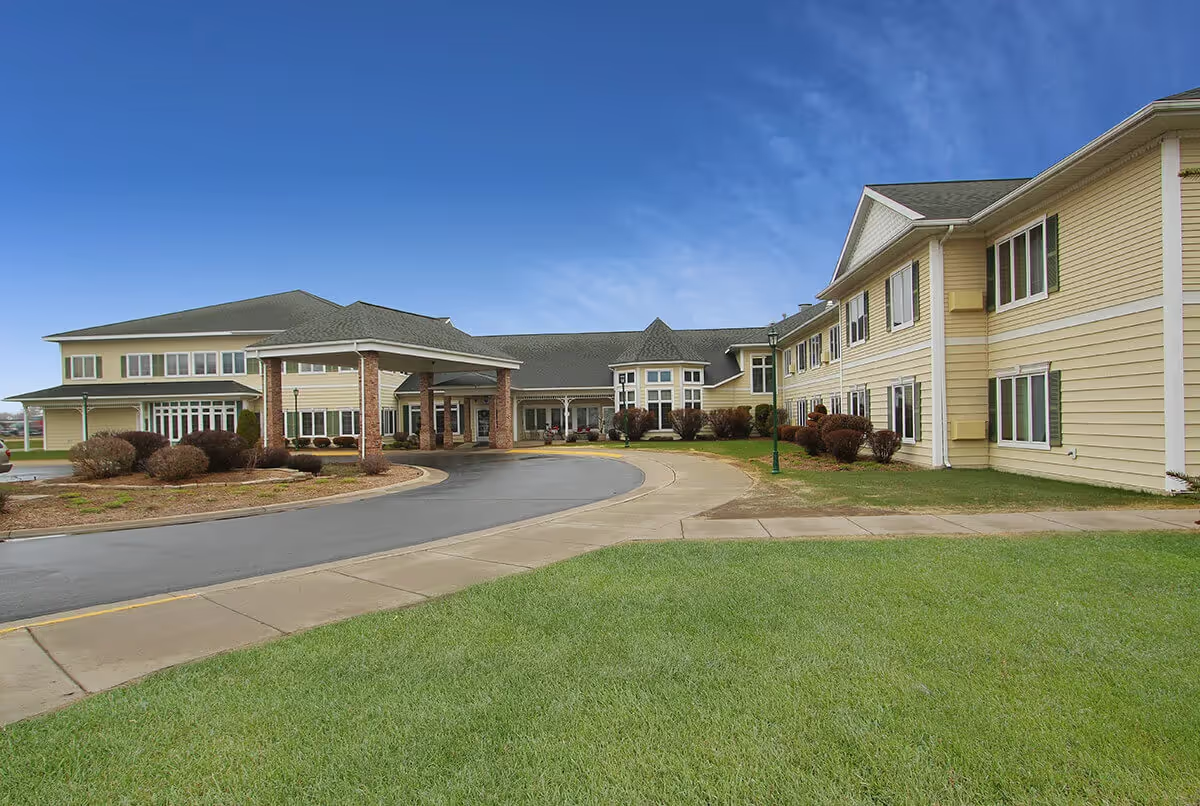
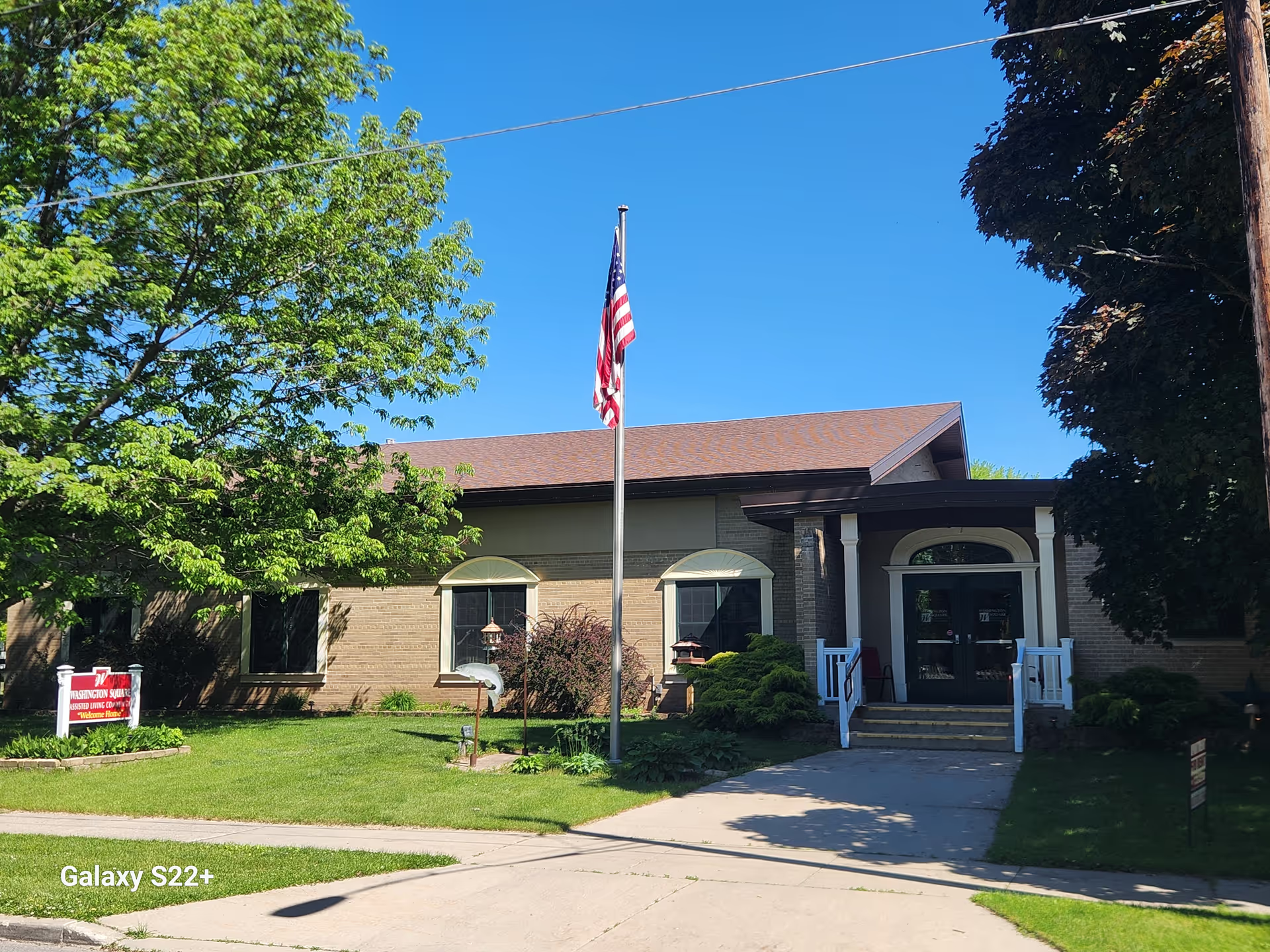
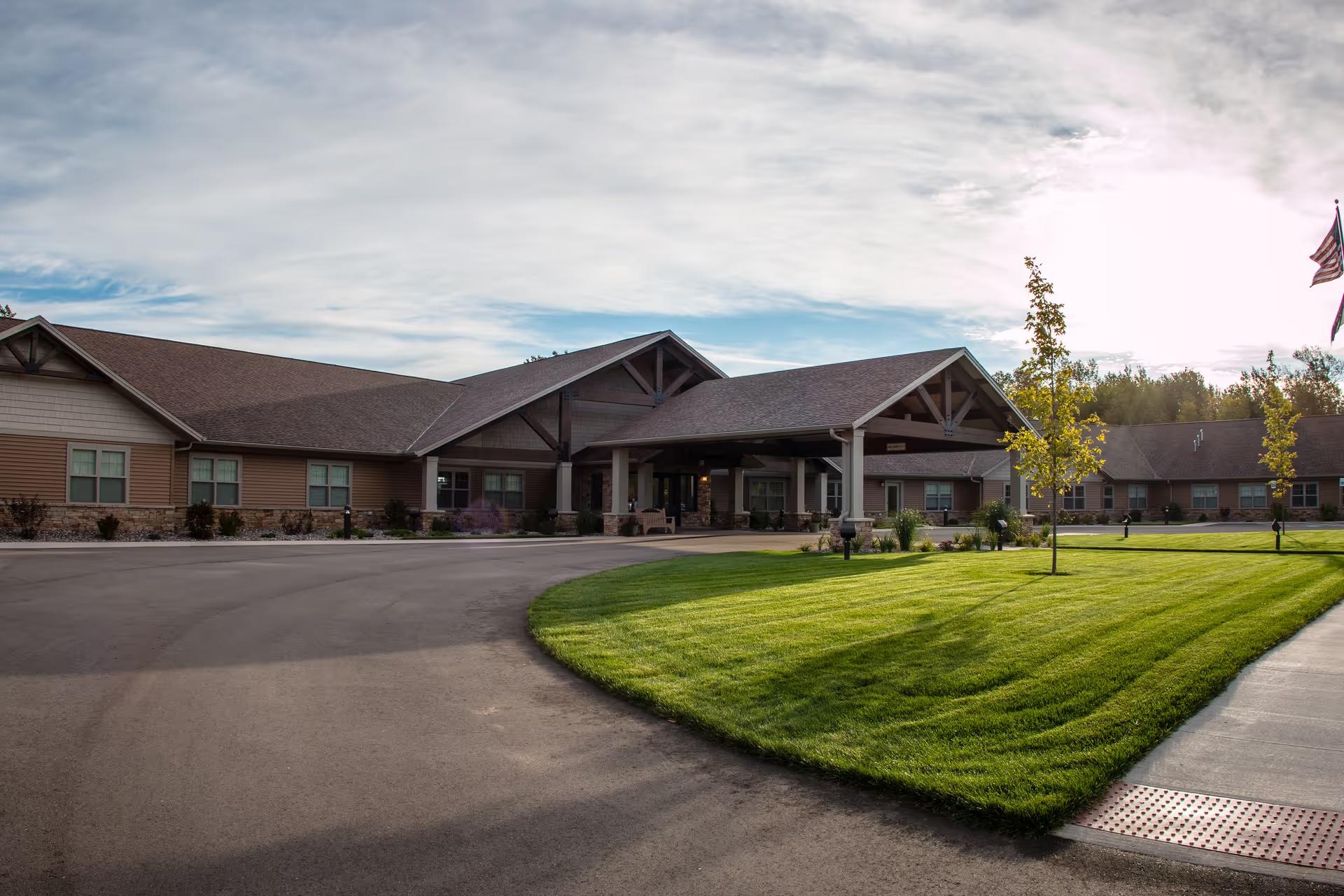
Facility condition and administrative responsiveness have similarly mixed feedback. The building and common areas are frequently described as clean and well-maintained, and some families note effective responsiveness from administrators around individual concerns. Conversely, several reviews describe inconsistent leadership practices: weak enforcement of attendance and punctuality policies, inconsistent follow-through on staff supervision, and managerial decisions that contribute to understaffing or reliance on inadequately trained workers.
Safety and infection-control emerged as a notable pattern of concern. Reviewers describe a COVID-19 outbreak within the memory-care unit that led to resident deaths and significant family distress; subsequent accounts indicate the facility later reported being virus-free with residents vaccinated. This cluster of comments suggests families should seek clear, current documentation of infection-control protocols, outbreak communication practices, and contingency staffing plans when evaluating the community.
Overall, the facility demonstrates important strengths in compassionate caregiving, programming, and the physical environment, but operational shortcomings — especially around staffing stability, supervision, accountability, training, and infection-control consistency — have the potential to affect care continuity. Prospective residents and families would be well advised to tour the community, observe caregiving interactions across shifts, and ask specific questions about current staffing ratios, turnover, staff training and supervision, absenteeism policies, and updated infection-control measures before making a placement decision.