Overall impression: Reviewers describe a facility where hands-on caregiving and therapy are clear strengths, alongside operational and infrastructure challenges that affect consistency of experience. Direct-care staff, particularly CNAs, are frequently characterized as compassionate, attentive, and effective in personal care and rehabilitation, and families note successful outcomes from therapy and overall satisfaction with daily caregiving.
Care quality and staff: Direct-care interactions are a prominent positive. Multiple comments highlight compassionate, attentive CNAs and positive rehabilitation results, suggesting competent bedside care and therapy services. However, there is an opposing pattern of inconsistent staff performance: while some residents receive excellent attention, others experience delays or responsiveness concerns. This points to variability in care continuity that may be tied to staffing levels and supervision.
Dining and activities: Dining is described positively, with food quality noted as very good. There is limited commentary about activities; neither particular strengths nor organized programming issues are widely mentioned in the available summaries, making it difficult to assess the activity program comprehensively.
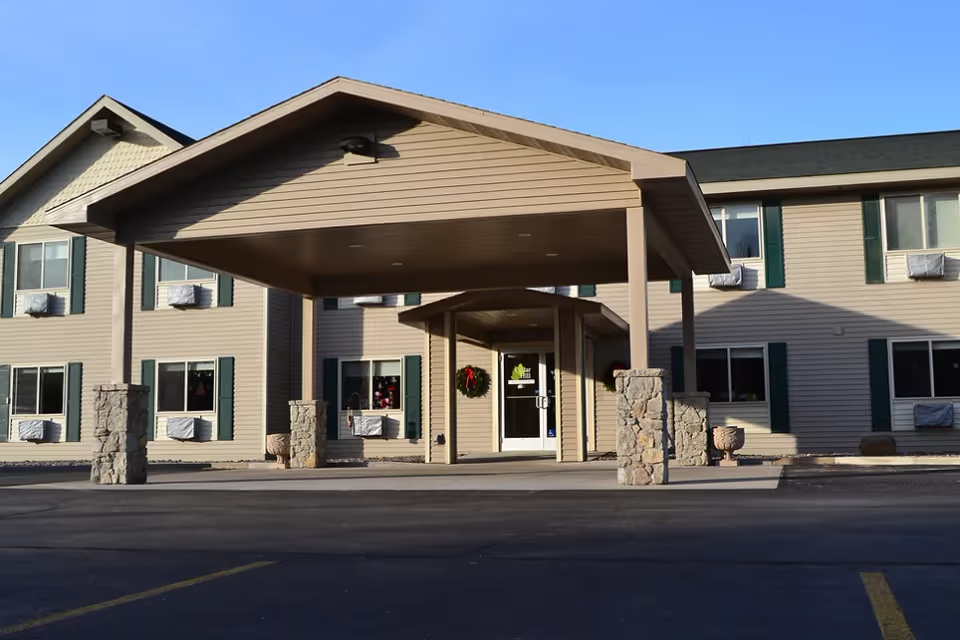
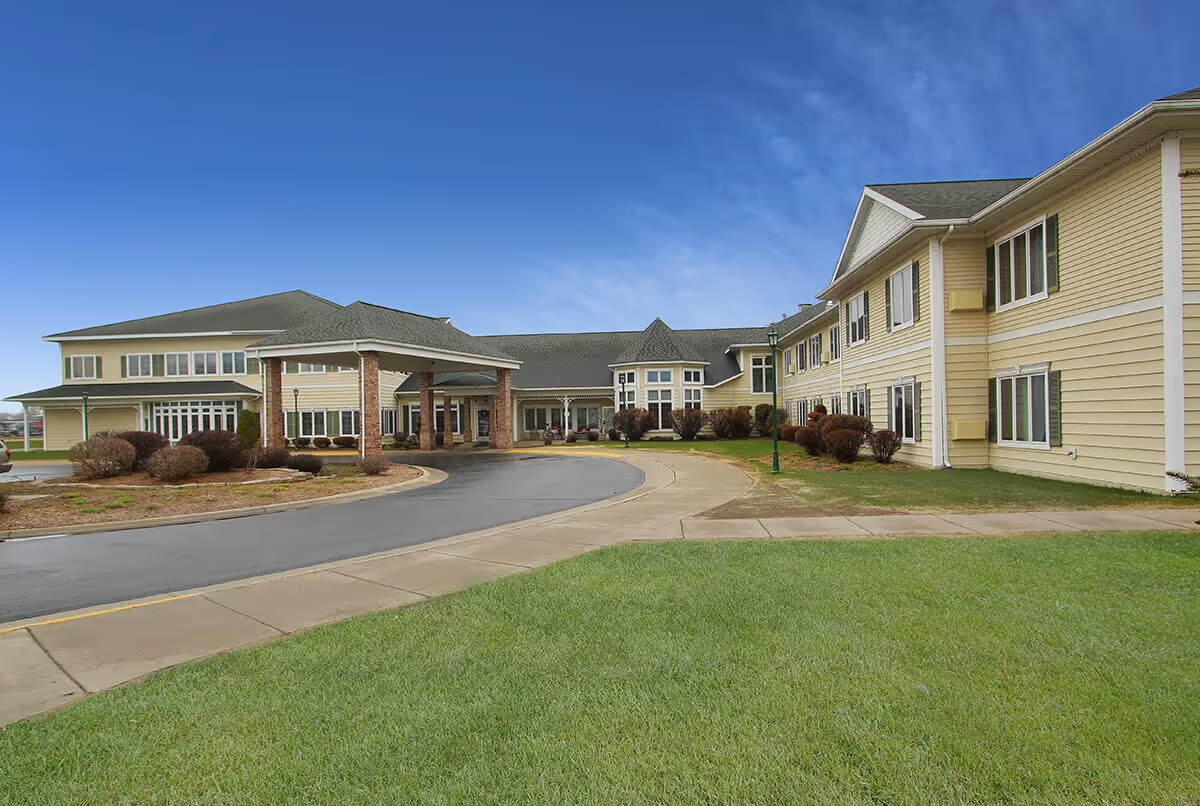
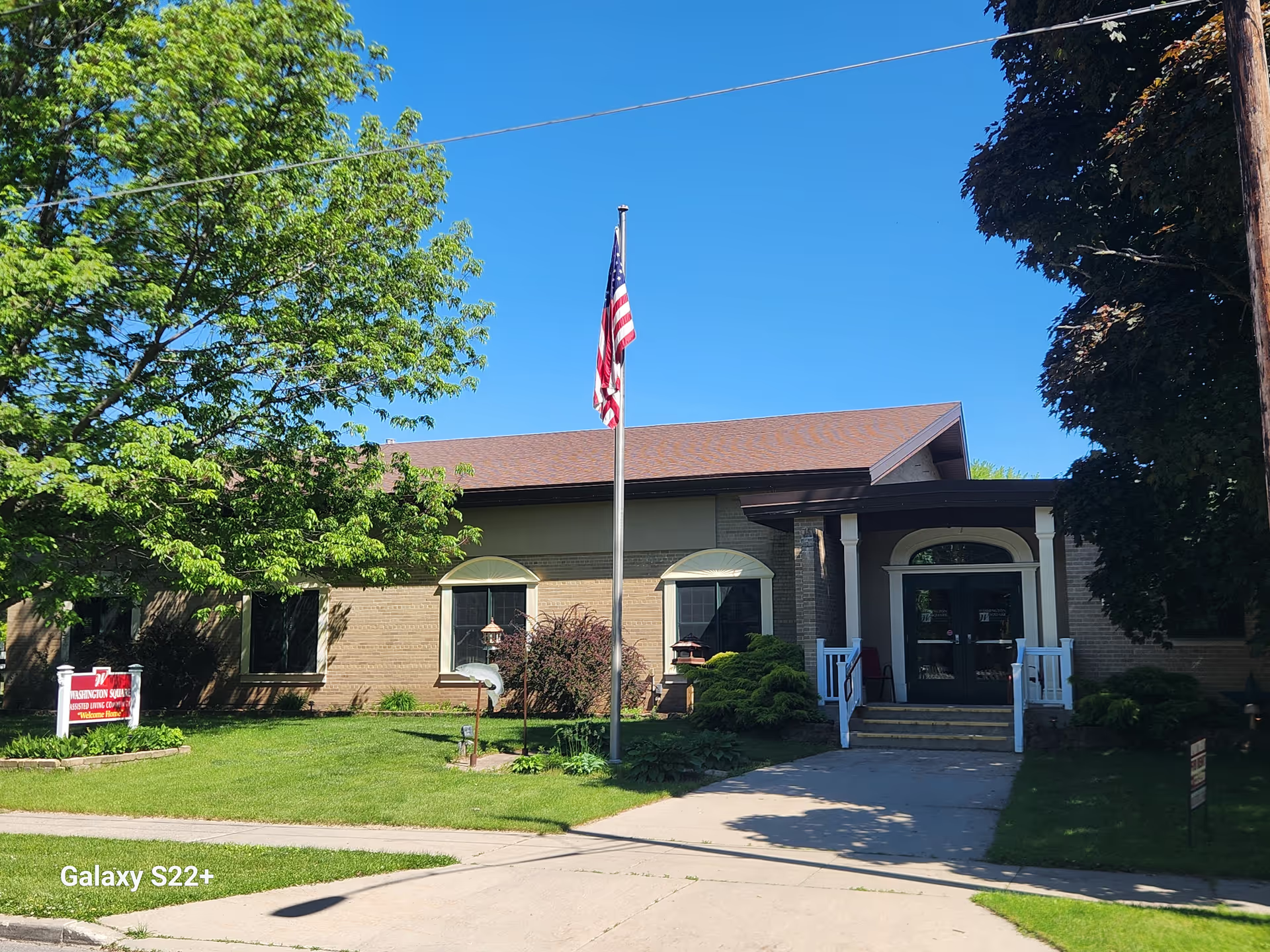
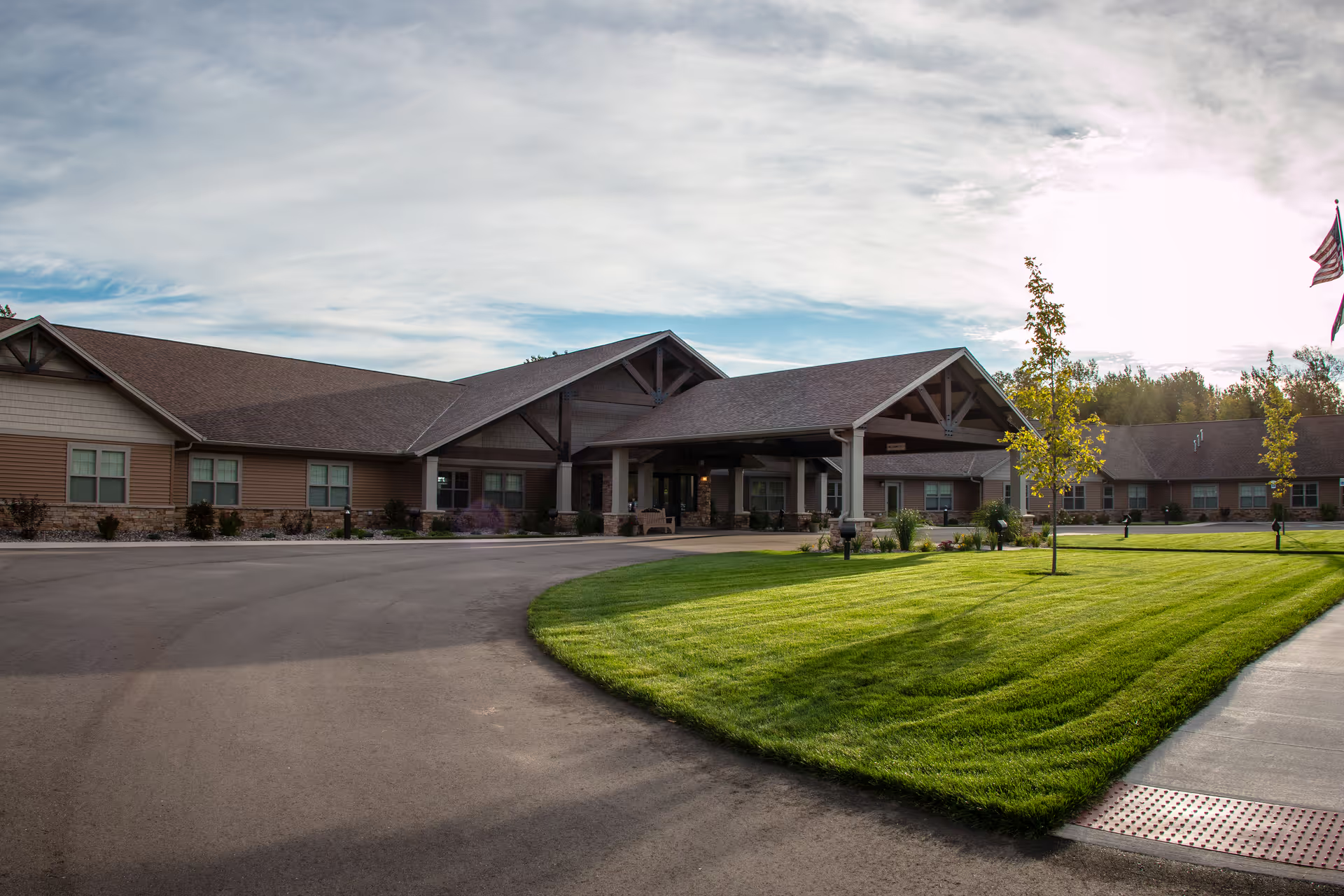
Facilities and environment: The physical plant is described as dated, and reviewers indicate that there are no apparent plans for upgrades. An aging facility can affect resident comfort and the impression of care, even when clinical services are competent. Cleanliness or sanitation concerns were not a central theme in these summaries, but the age of the building and lack of renovation plans were repeatedly noted.
Management and communications: Several operational concerns cluster around administration and communication. Phone lines are reported as unanswered and families describe administrative responsiveness as limited. These communication gaps, together with indications of chronic understaffing and staff workload strain, create situations in which otherwise strong caregiving can be undermined by delays or inconsistent follow-through from management.
Notable patterns and recommendation guidance: The most consistent pattern is a contrast between high-quality, compassionate bedside care and systemic operational weaknesses—chiefly staffing, communication, and an aging facility. Prospective residents and families who prioritize hands-on CNA care and effective short-term rehabilitation may find the facility meets those needs, but should inquire specifically about current staffing levels, supervisory practices, and any planned capital improvements. It may also be helpful to confirm how the facility manages after-hours communication and family outreach to mitigate the identified responsiveness gaps.