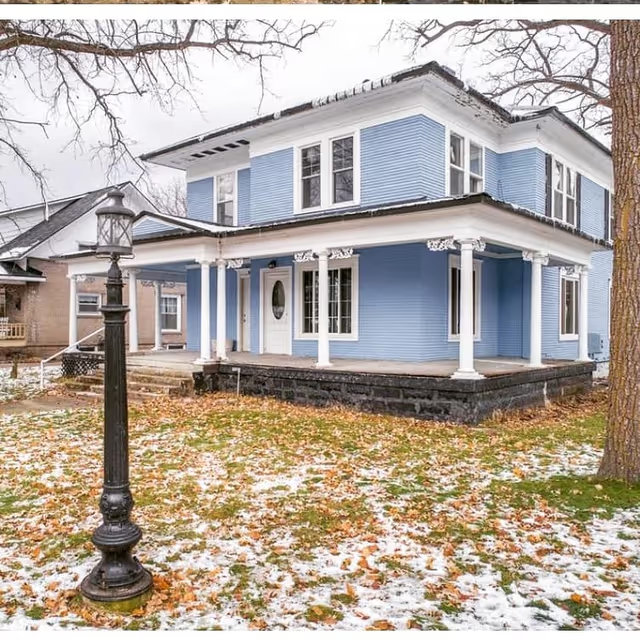
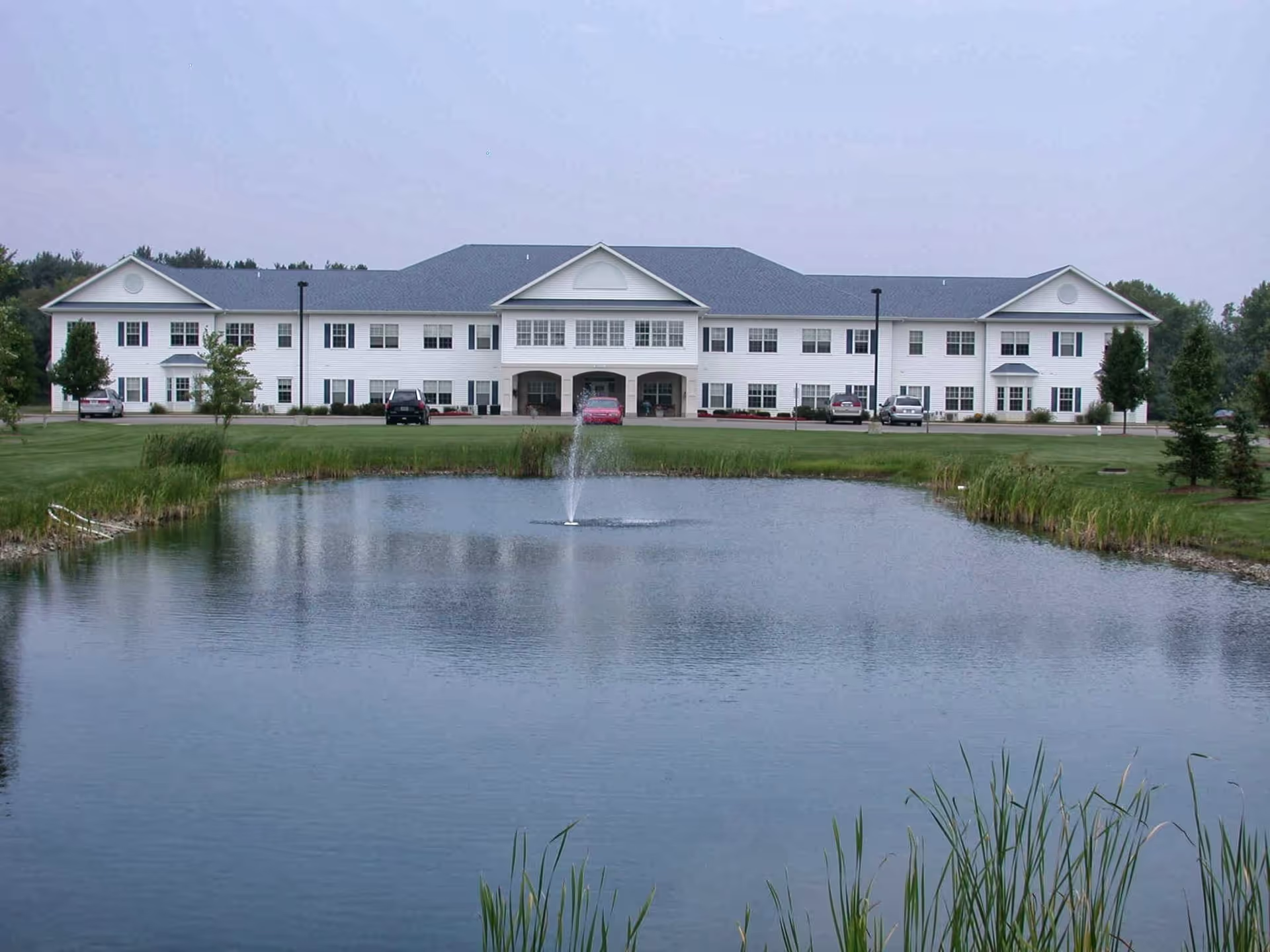
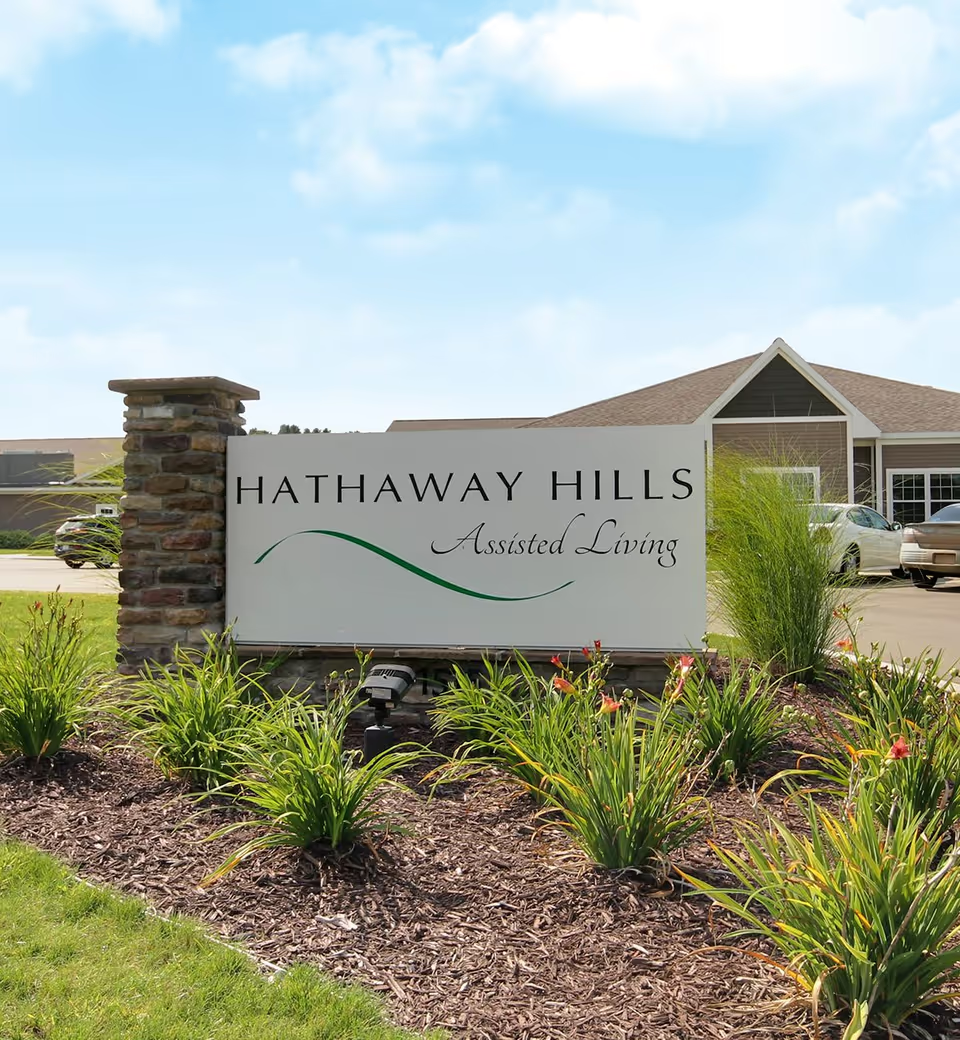
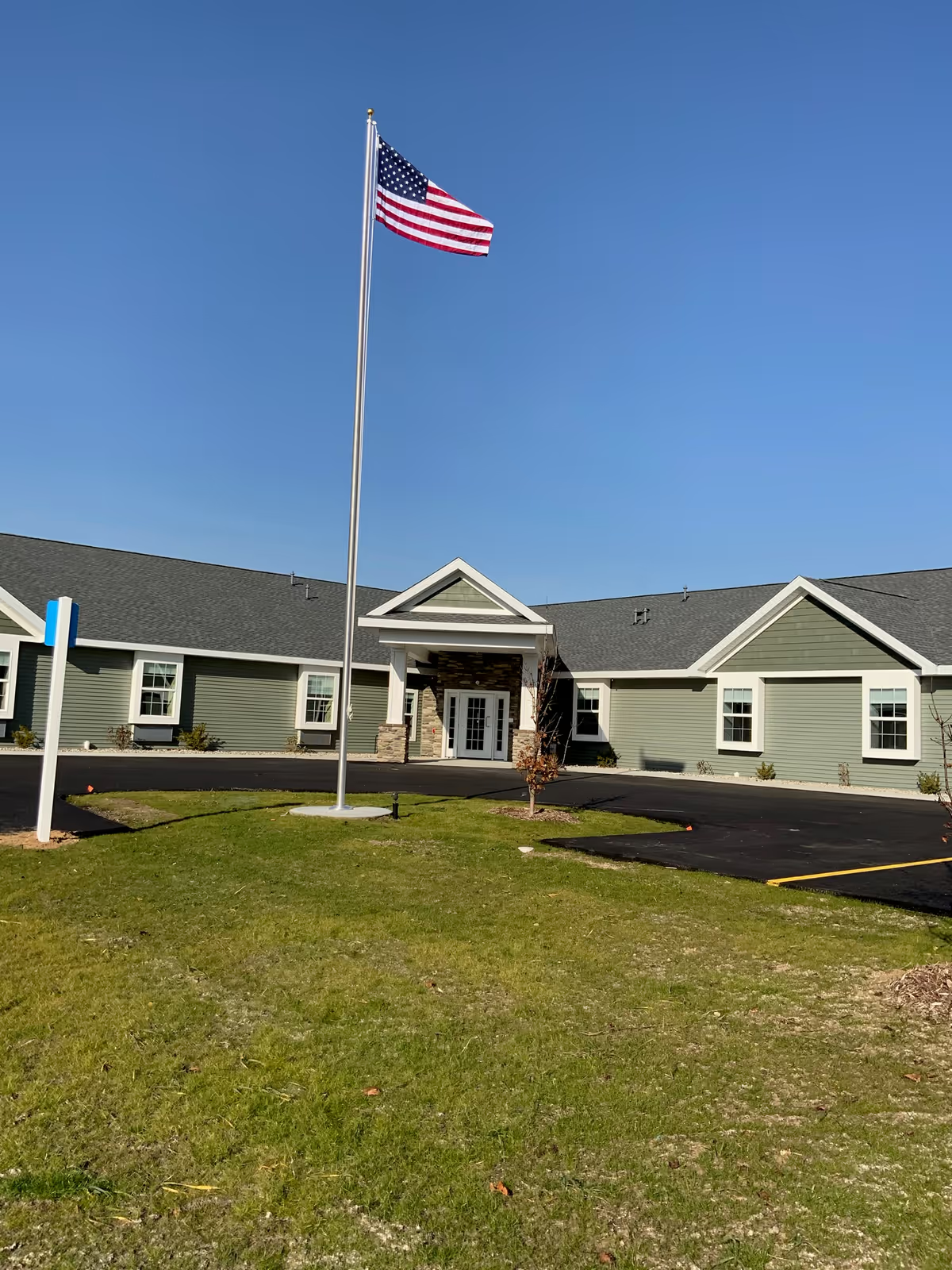
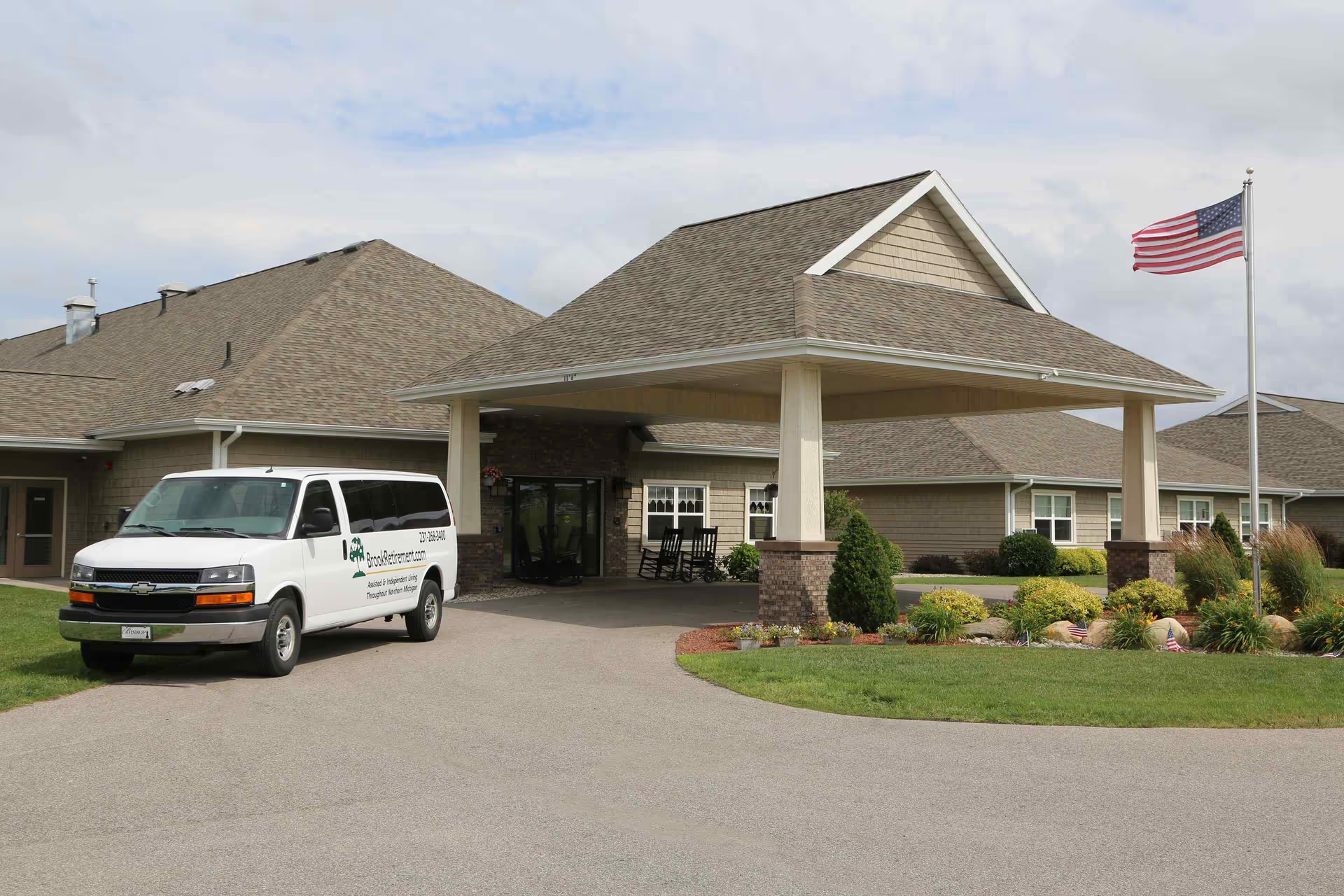
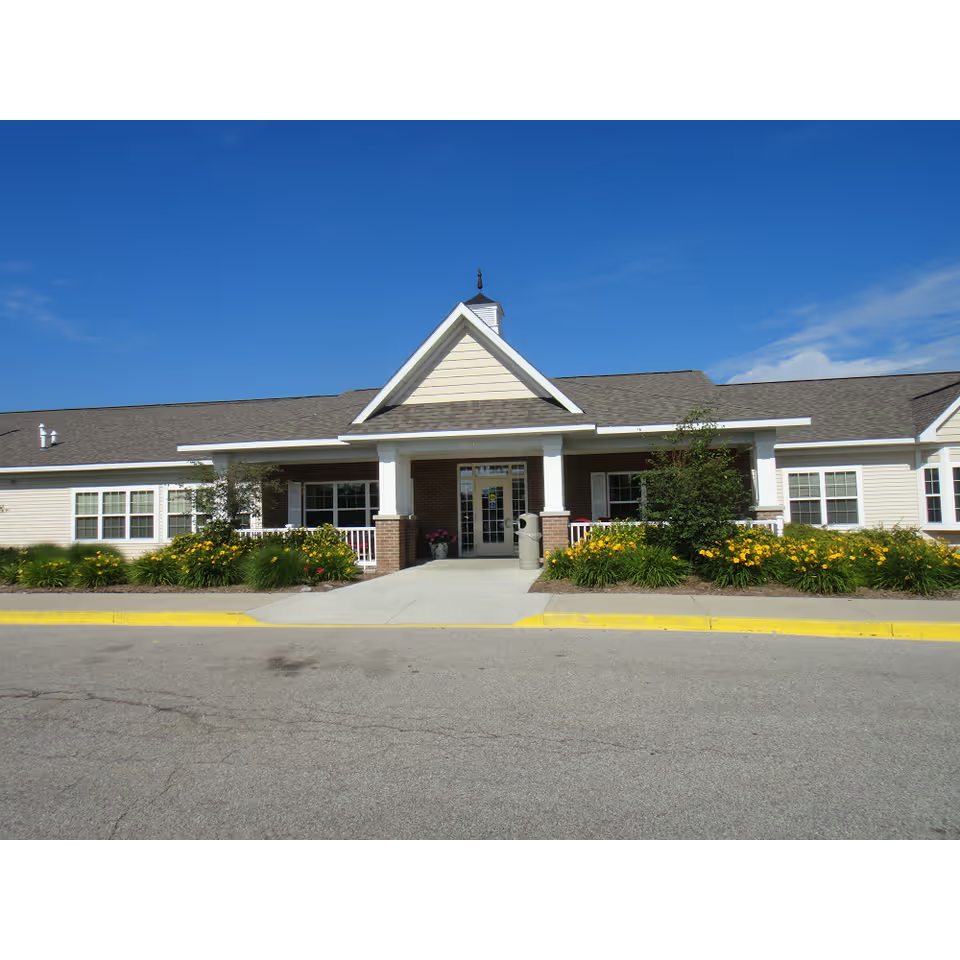
The reviews describe New Haven Assisted Living as a small, well-maintained, home-style assisted living residence with a strong emphasis on hospitality and personal care. Reviewers consistently highlight cleanliness, an updated appearance, and attractive, comfortable common spaces — notably an open-concept living room with a fireplace and a pleasant dining area. The setting is described as scenic and retirement-friendly, with proximity to water contributing to an overall peaceful environment.
Care quality and staff performance are the most frequently praised elements. Caregivers are described as professional, compassionate, and attentive; families specifically note warm personal interactions, individualized accommodations, and visible teamwork among staff. One employee is repeatedly singled out for going above and beyond, which supports a pattern of hands-on, personalized management. Reviewers also emphasize staff experience with assisted-living protocols and trustworthy owner involvement, which contributes to a sense of safety and reliability.
Dining and social routines are presented as strengths. The facility offers attractive meal service, special holiday spreads, and informal social touches such as staff-baked treats. These practices appear to contribute to resident satisfaction and a home-like atmosphere. While social warmth and meal-focused events are well documented, there is less detail about a broad schedule of structured activities beyond communal dining and holiday gatherings.
Management and operational patterns suggest strong owner/administrator involvement and open communication with families. That close, owner-driven model appears to be a core strength for personalized care but also implies operational dependencies: the facility’s small, home-style scale may limit bed capacity and in-house clinical resources compared with larger communities. Additionally, at least one account indicated difficulties with Medicaid waiver coordination, suggesting potential limits in payment-program acceptance or administrative support for certain public benefits. Prospective residents and families should weigh the benefits of individualized, home-like care and close staff relationships against possible constraints in capacity, specialized services, and third-party payer coordination.