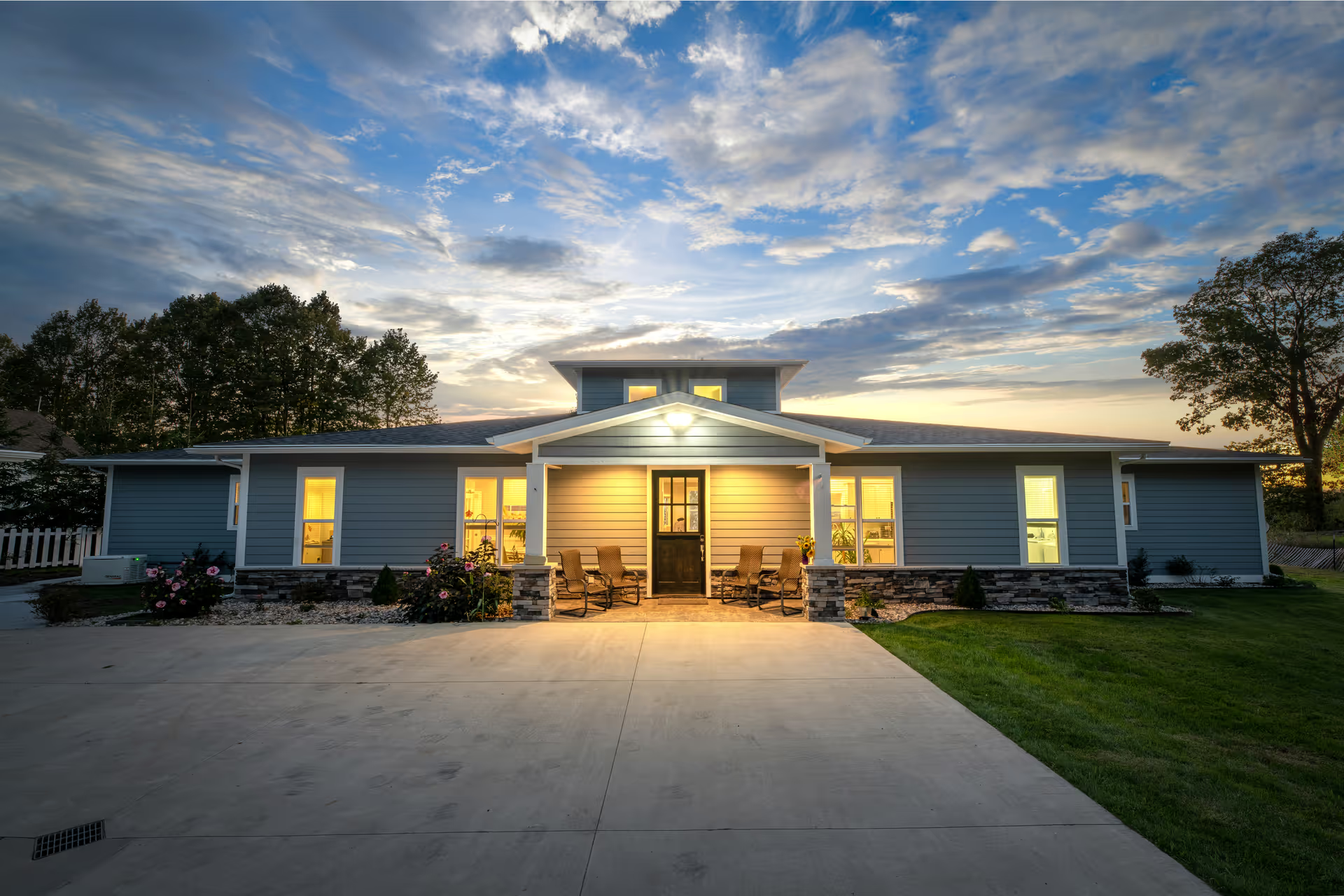
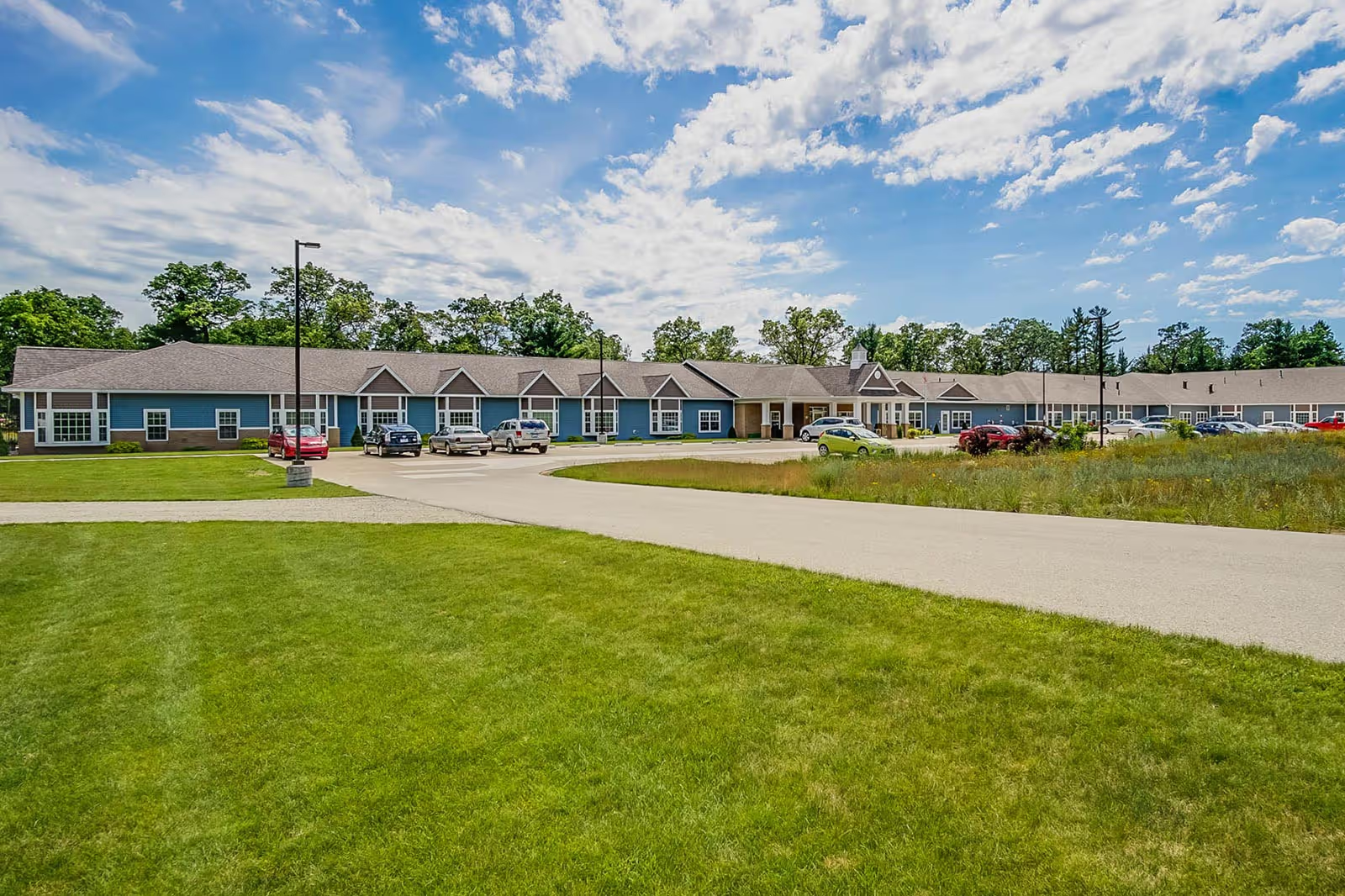
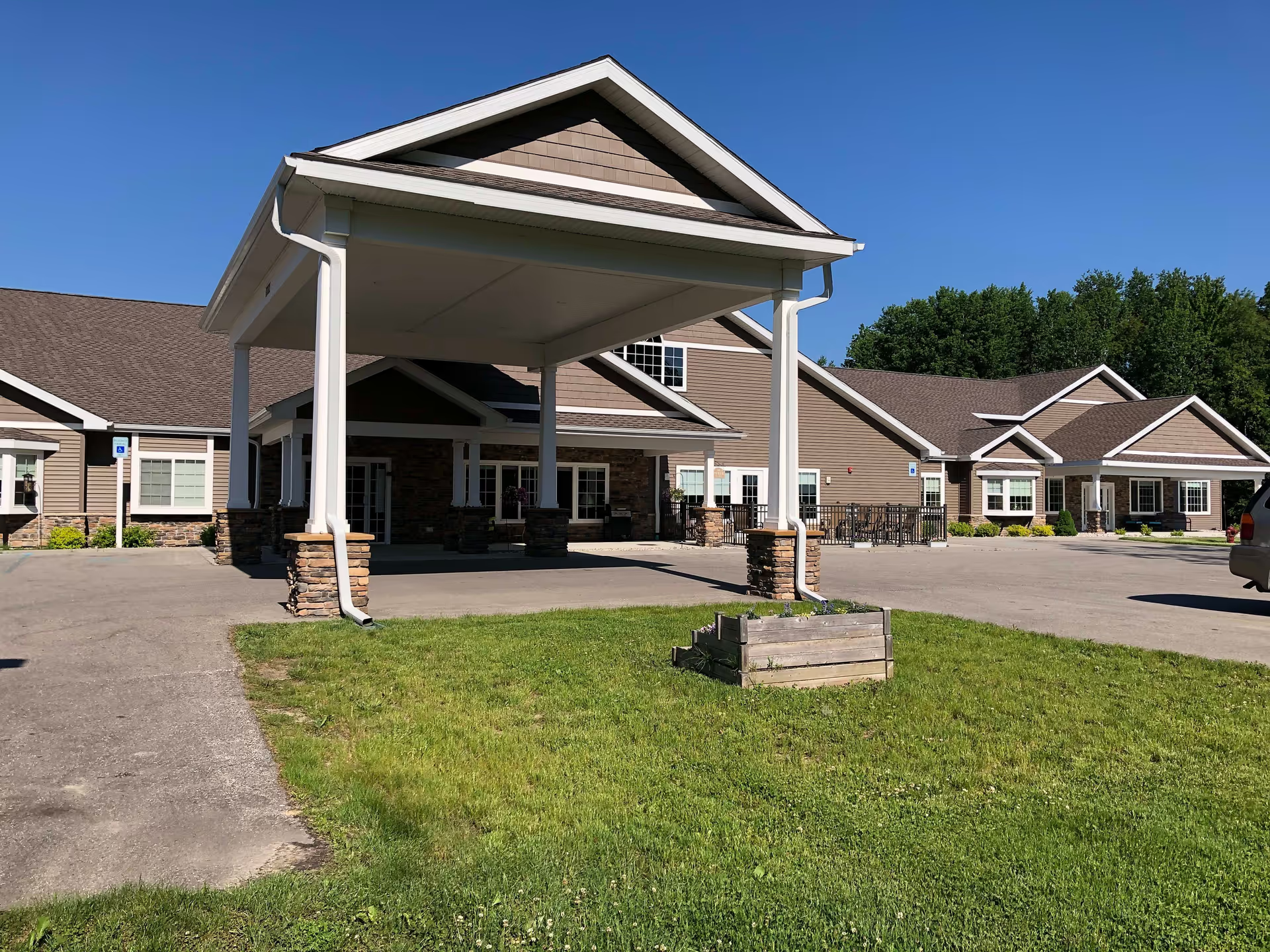
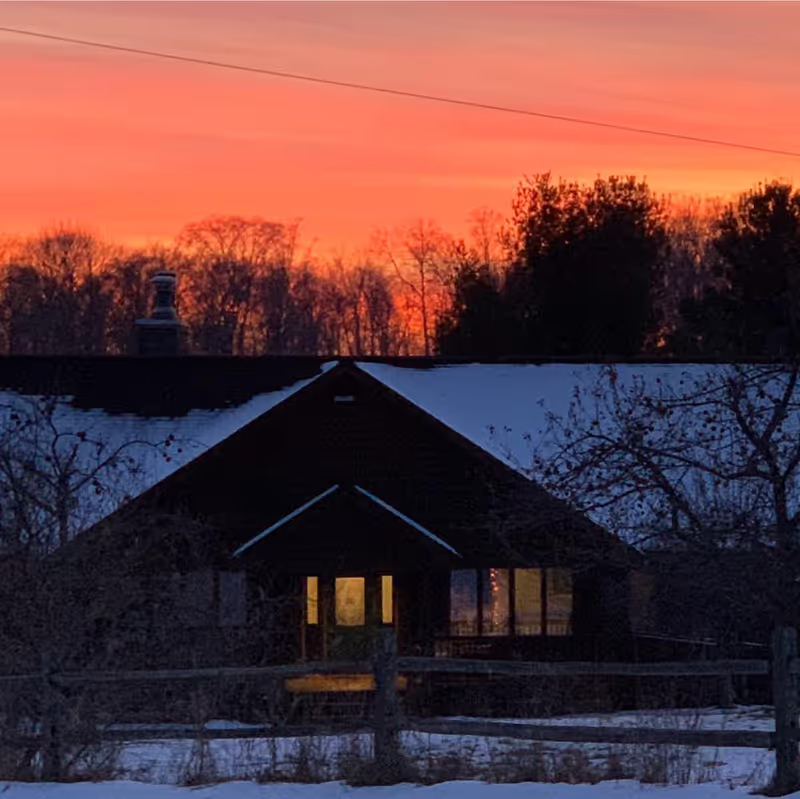
Ludington Woods presents as a small, well-maintained assisted living and memory-care community with numerous strengths in daily living services and resident engagement. Reviewers consistently highlight a home-like atmosphere, clean accommodations, and outdoor spaces that support resident comfort. Many families praised the availability of private rooms with en-suite bathrooms, on-site conveniences (salon, podiatry, visiting physical therapist), and the community’s proximity to the hospital and local physicians. Long-tenured management and a sense of staff continuity are recurrent positive themes.
Care quality and staff interaction are commonly described as compassionate and personalized. Families and residents describe staff who know residents by name and who provide individualized attention, including adaptive care as needs change. Clinical supports such as physician rounds, visiting therapists, and a medical-alert system are noted as strengths that support continuity of care. At the same time, several comments point to periods when staff are busy, which can lead to delays for residents with higher-acuity needs; this aligns with observations about staffing turnover and occasional shortages.
Dining receives generally favorable remarks for chef-prepared meals, breakfast-to-order, and a warm dining environment; snacks and certain meals (breakfast) are highlighted positively. Some reviewers noted limitations in entrée variety at lunch and dinner and occasional variability in daily food offerings. Housekeeping and laundry services, along with room upkeep, are repeatedly described as reliable and contribute to an overall clean environment.
Activities and engagement are a clear strength: residents and families report a diverse calendar of social programs, outings, live music, volunteer visits, and seasonal events that aim to keep residents active and socially connected. Activity staffing and scheduling are praised, though a few reviewers raised that weekend/off-peak programming can be thinner and that pandemic-era changes affected prior activity levels for a time.
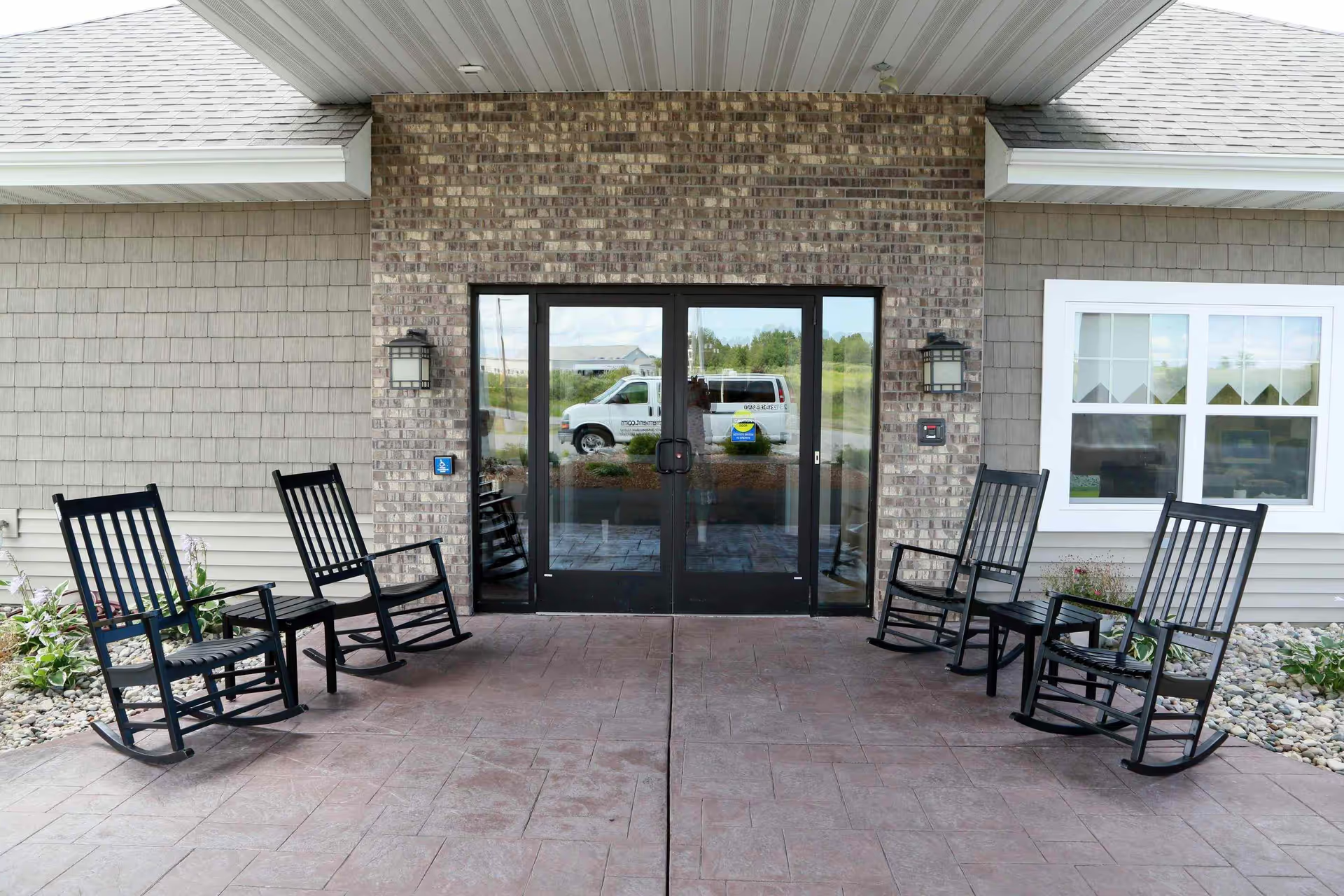
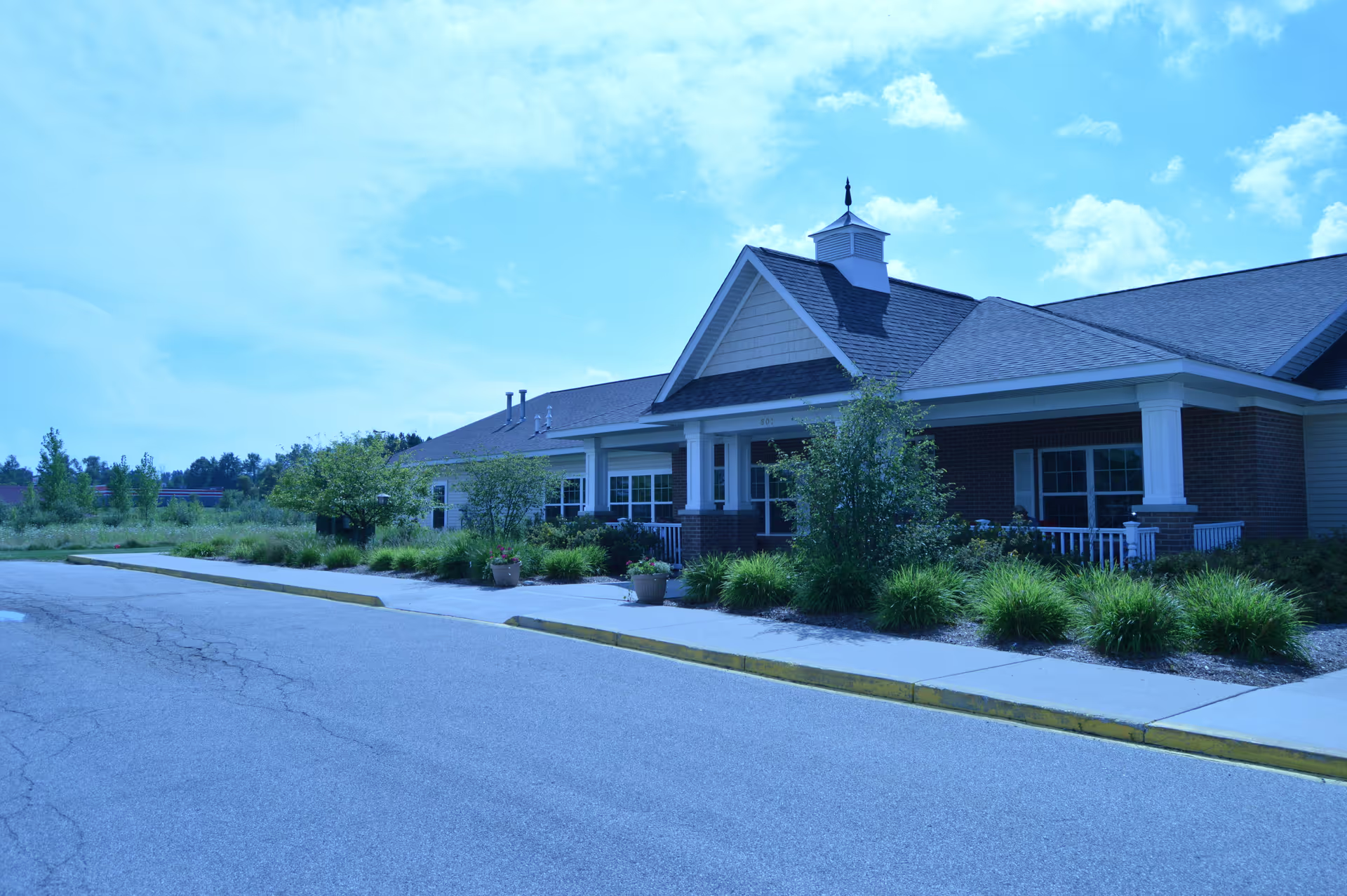
Facility amenities and logistics are well regarded. The campus is described as secure and intimate, with accessible common areas, pleasant landscaping, and easy room personalization. Practical services — salon, on-site medical visits, laundry, and housekeeping — reduce the need to leave the building and are appreciated by families. Pricing is described as above average by some families, and affordability may be a barrier for certain households.
Management and communication show a mixed pattern: many reviews commend accessible leadership and proactive follow-up, while a subset describe inconsistent administrative communication or difficulty reaching staff by phone. There are also isolated remarks indicating variability between care units — in particular, perceptions that memory-care experiences can differ from assisted-living offerings — which suggests potential unevenness in operational performance across units.
Overall, Ludington Woods appears to deliver a strong, resident-centered environment with robust amenities, personalized caregiving, and active programming. Prospective residents and families should weigh the facility’s strengths in clinical access, housekeeping, dining, and engagement against operational considerations such as pricing, weekend activity levels, staffing stability, and communication responsiveness. A focused conversation with administration about staffing ratios, memory-care practices, weekend programming, and mechanisms for family communication would help clarify fit for individual needs.