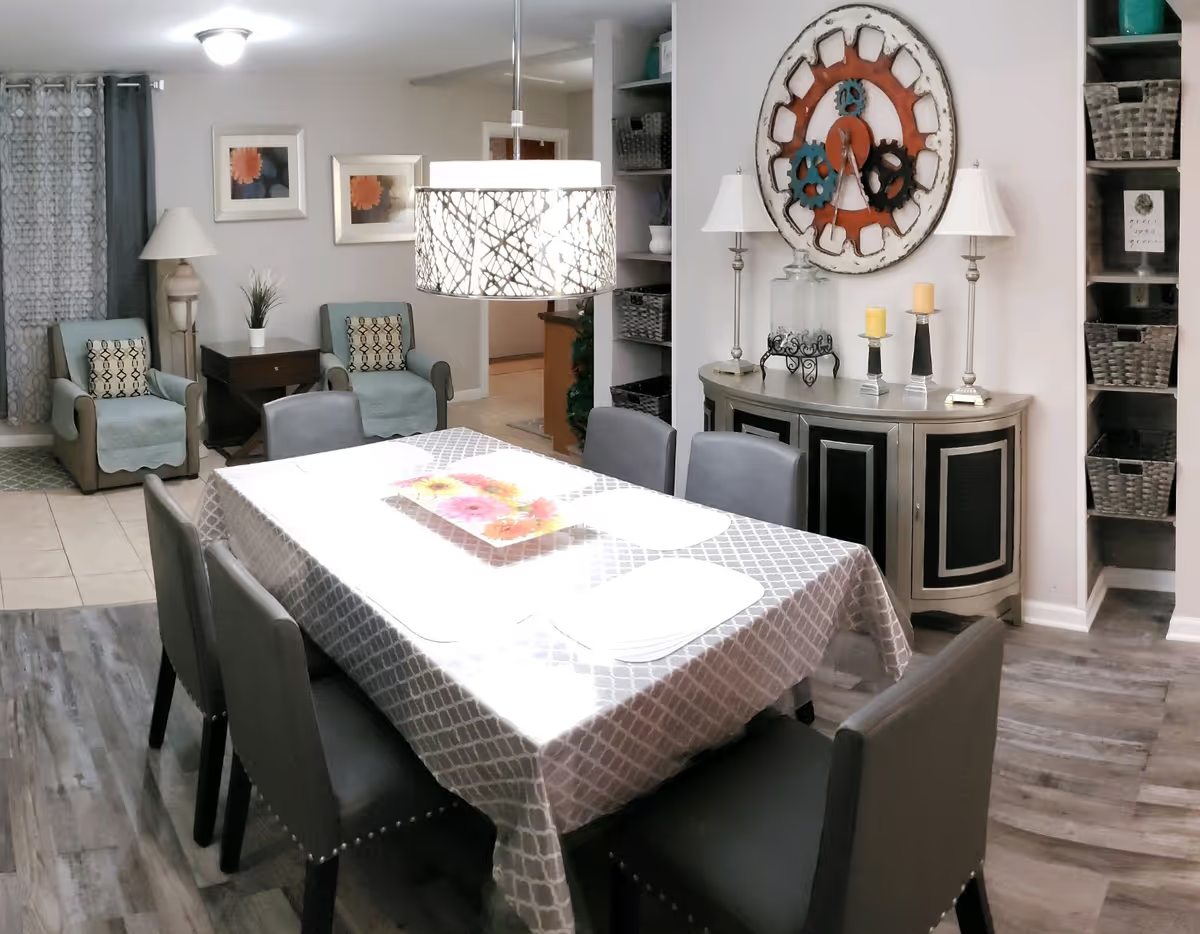
The reviews portray a facility with a pronounced split between rehabilitative strengths and operational weaknesses. The therapy department—particularly physical and occupational therapy—receives consistently strong praise for individualized attention, good outcomes, and staff members who support returning patients home. Admissions and discharge coordination receive positive mentions when social workers and therapy staff arrange home-health equipment and efficient transitions.
Care quality and staff performance are inconsistent. Many accounts describe responsive, compassionate interactions by individual caregivers and nurses, but there is a parallel pattern of concerns about staff conduct, slow responses to call lights, and delayed personal-care assistance, including bathing and incontinence-related support. Medication-timing issues and missed or late administrations are described as recurring operational weaknesses rather than isolated events. These clinical-process gaps, combined with reported delays in toileting and transfers, contribute to significant family anxiety about day-to-day safety and dignity.
Dining and activities present a mixed picture. The activities program and specific staff members who run arts and social programs receive positive feedback for resident engagement. Food quality and service reliability are inconsistent: reviewers cite temperature-control problems, repetitive menus, and occasional limited portioning or substitutions that do not meet individual dietary needs. When the kitchen functions well, reviewers acknowledge a competent culinary team.
Facility upkeep and safety raise persistent concerns. Multiple comments point to sanitation and laundry-process inconsistencies, odor concerns in some areas, and housekeeping frequency that does not meet expectations. Physical-safety issues are noted, including transfer-safety practices, missing room smoke detectors, and ad hoc maintenance conditions; these are described as systemic operational issues rather than one-off occurrences. Communication systems—both internal (staff responsiveness) and external (family phone access and follow-up)—are frequently described as unreliable.
Management and governance are recurring themes. Reviewers describe high administrative turnover, scheduling pressures, and a perception of uneven managerial oversight. There are also references to privacy breaches and at least one allegation of inappropriate sharing of resident information; such serious allegations have prompted calls for regulatory review. Families express difficulty contacting corporate leadership and unease about how complaints are investigated and resolved. Inventory control and personal-belongings management are additional operational areas cited for improvement.
Overall, the facility demonstrates clear rehabilitative strengths and examples of quality nursing care, yet these are counterbalanced by operational and systemic shortcomings in staffing, sanitation, communication, medication processes, and safety practices. Prospective residents and families should weigh the strong therapy reputation against the reported variability in daily nursing care, housekeeping, and administrative responsiveness. If considering this facility, ask targeted questions about staffing ratios, medication-administration protocols, infection-control policies, housekeeping and laundry schedules, privacy safeguards, and recent management actions taken in response to family concerns. If possible, arrange an in-person visit during different shifts and request direct contact information for discharge and clinical coordinators to assess current performance and responsiveness.