The reviews present a mixed but clear pattern: many families emphasize strong, compassionate hands-on care and an effective rehabilitation focus, while a smaller set of critiques raises serious questions about consistency of care and communication. Strengths most often mentioned include attentive nursing presence around the clock, staff who prioritize resident comfort and dignity, and a rehabilitation program that families found committed and effective. Several reviewers praised management, cleanliness of the facility interior, and a generally positive workplace culture among staff.
Care and staffing are described in notably divergent terms. Positive accounts highlight staff who are caring, patient, thorough, and able to provide comfort through end-of-life transitions. Those positive comments point to reliable 24/7 nursing availability and staff who build trust with families. Counterbalancing this are accounts that describe inconsistent staff professionalism, poor communication, and concerns about clinical competence. These latter comments suggest variability in how care is delivered across shifts or individual staff members rather than a single, uniform standard of performance.
Dining and activities receive more limited commentary. A number of reviewers characterized meals as typical of institutional settings: presentable but not hotel-quality, and with occasional dissatisfaction from residents about menu choices or preparation. There is strong evidence of an active rehabilitation focus, but little consistent feedback about recreational or social programming; prospective families should ask specifically about current activity schedules and therapeutic programming during a visit.
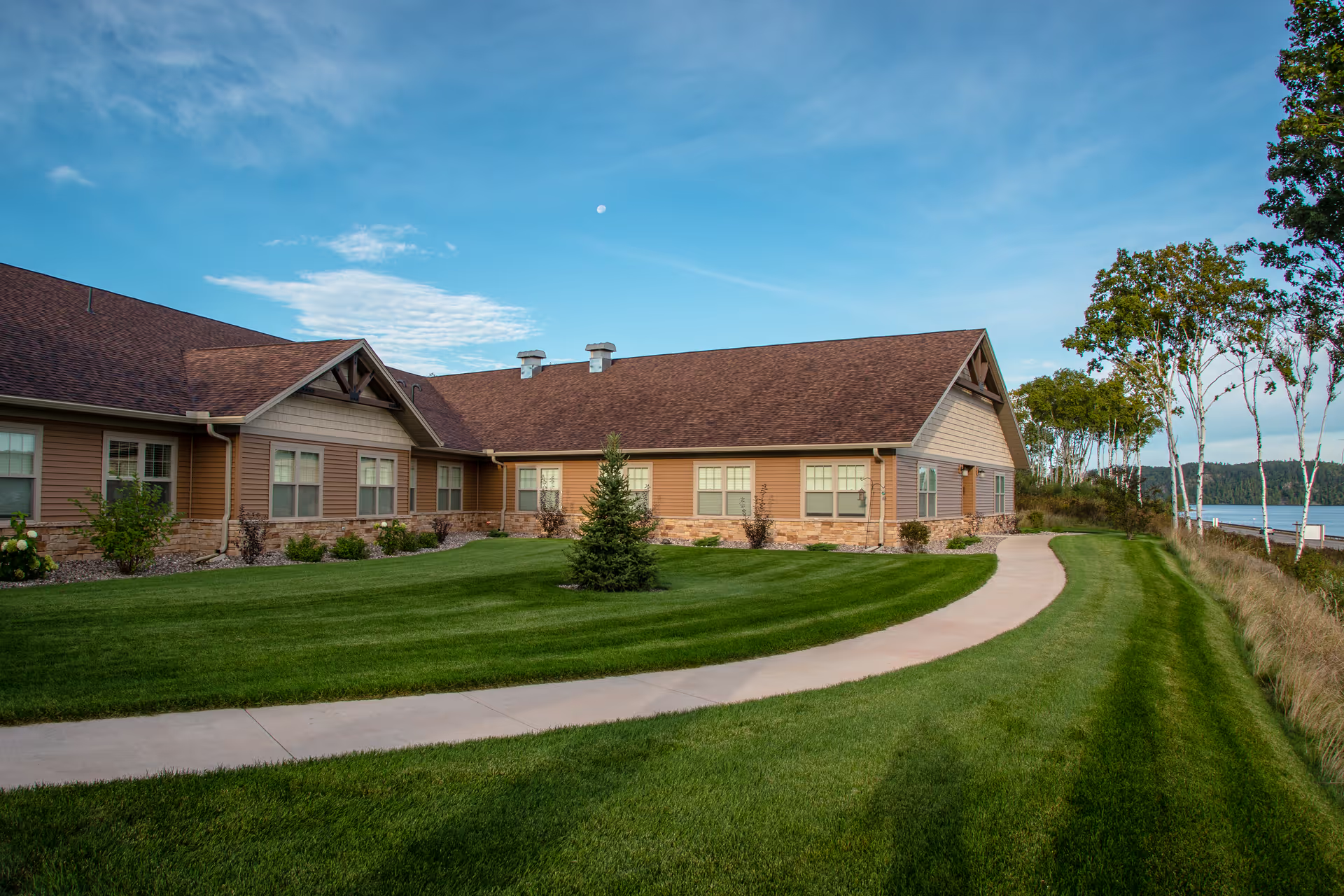
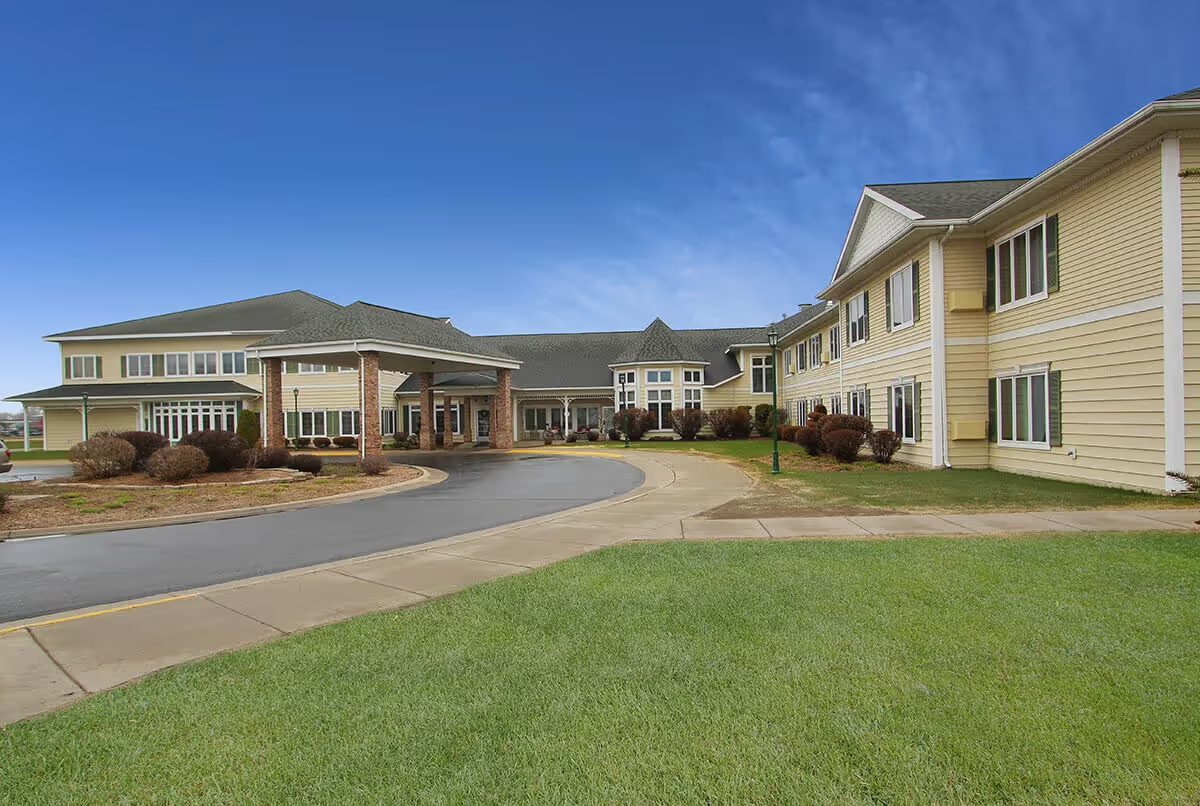
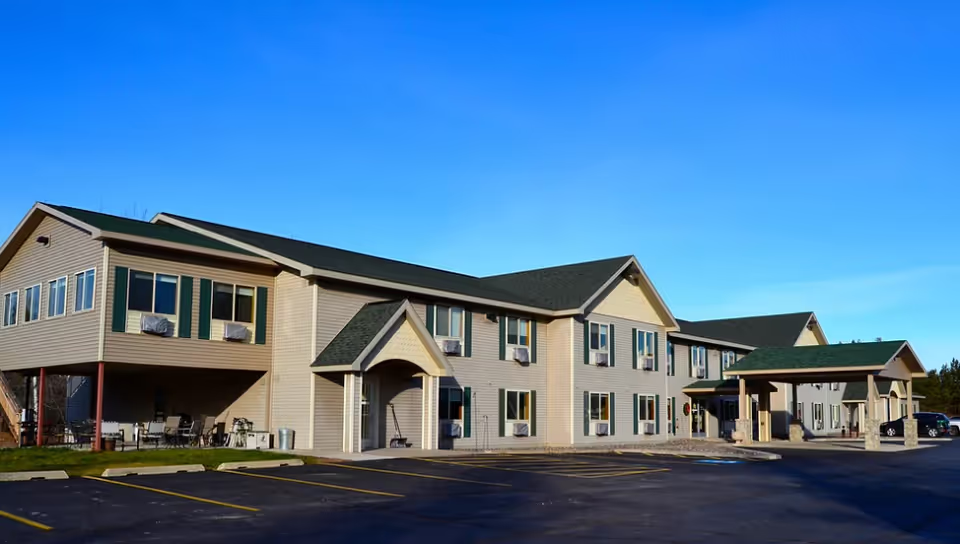
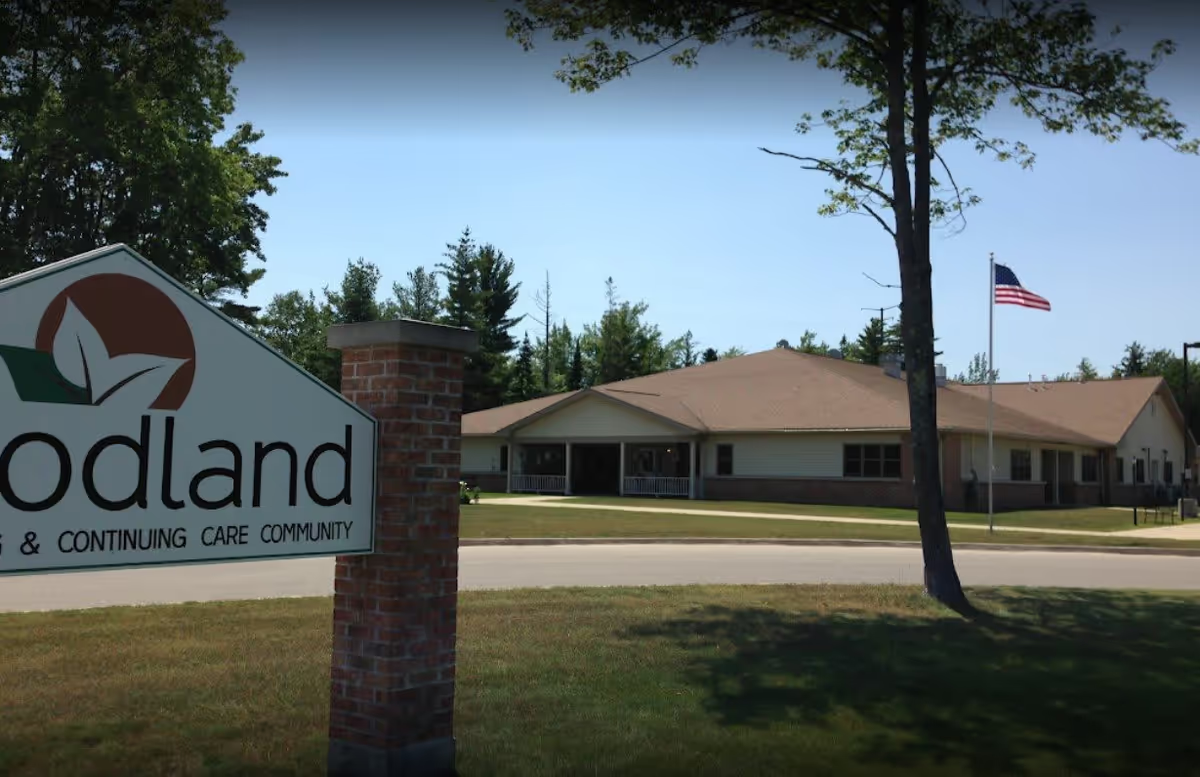
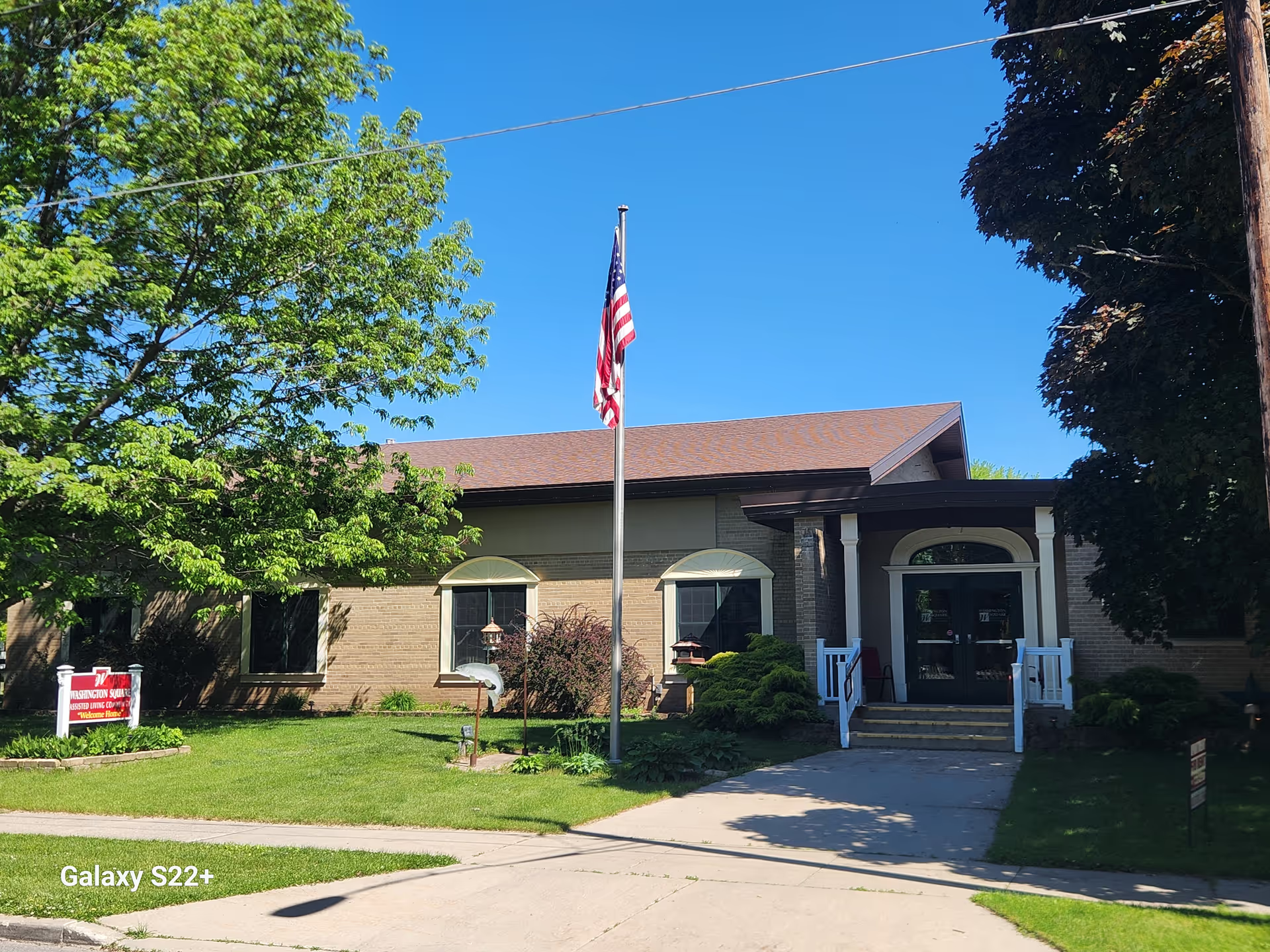
Facility and safety observations are likewise mixed. The interior is frequently described as clean and orderly, supporting dignity and privacy for residents. At the same time, reviewers noted exterior-site concerns such as parking-lot and grounds conditions in adverse weather that could present safety or access challenges. Families voiced issues with information access and privacy policies—specifically, difficulties obtaining information or limits on what relatives could access—which compounded frustrations when paired with communication lapses from staff or management.
Management receives generally favorable remarks for leadership and professionalism, but the reviews also document communication-process gaps between staff, management, and families. In a few cases reviewers expressed severe concerns about care quality, to the point of calling for regulatory attention; such claims are serious and warrant follow-up. Cost was raised as a concern by some families who felt price did not always match perceived quality.
For prospective residents and families: the facility appears to offer strong, compassionate nursing and a capable rehabilitation program, but there is notable variability in how those strengths are experienced. An in-person tour should include observing multiple shifts, asking about staffing ratios and clinical oversight, reviewing the facility’s information-access/privacy policy, sampling menus or asking for meal plans, and inquiring about winter/grounds maintenance and emergency/safety procedures. Checking recent state inspection reports and asking management how they handle family communication after clinical incidents will help assess whether the facility’s operational practices align with your expectations.