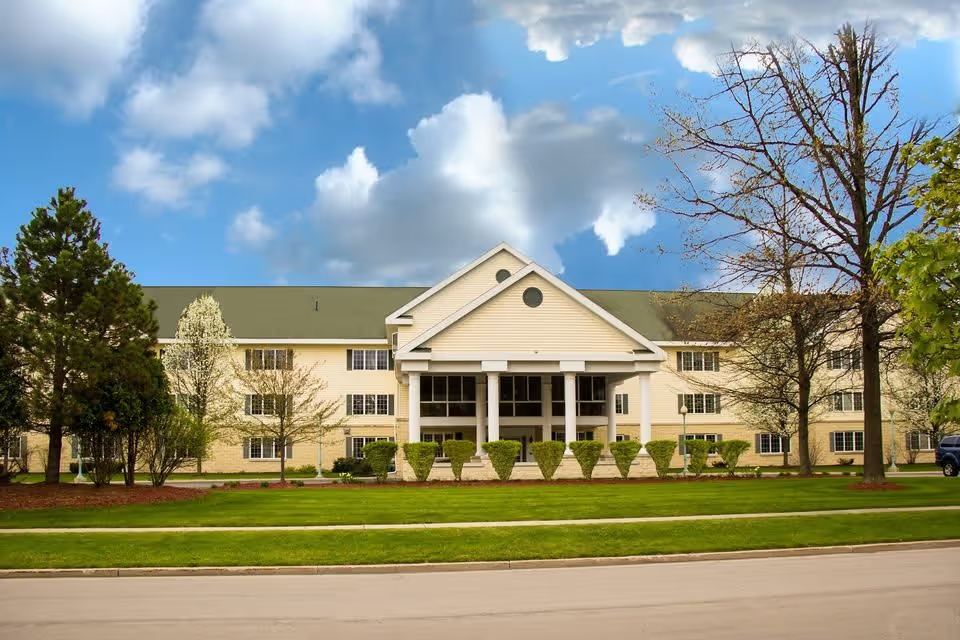
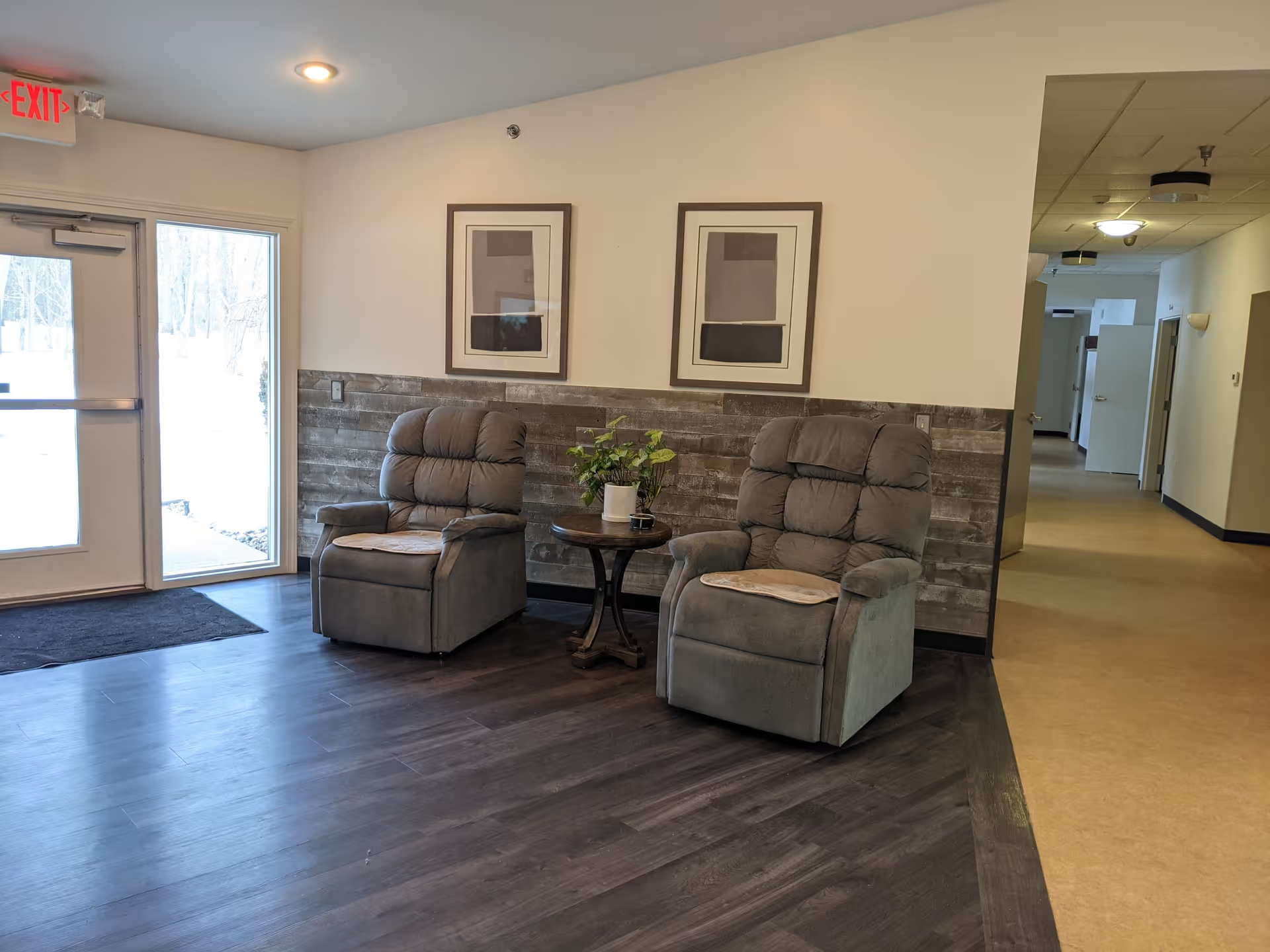
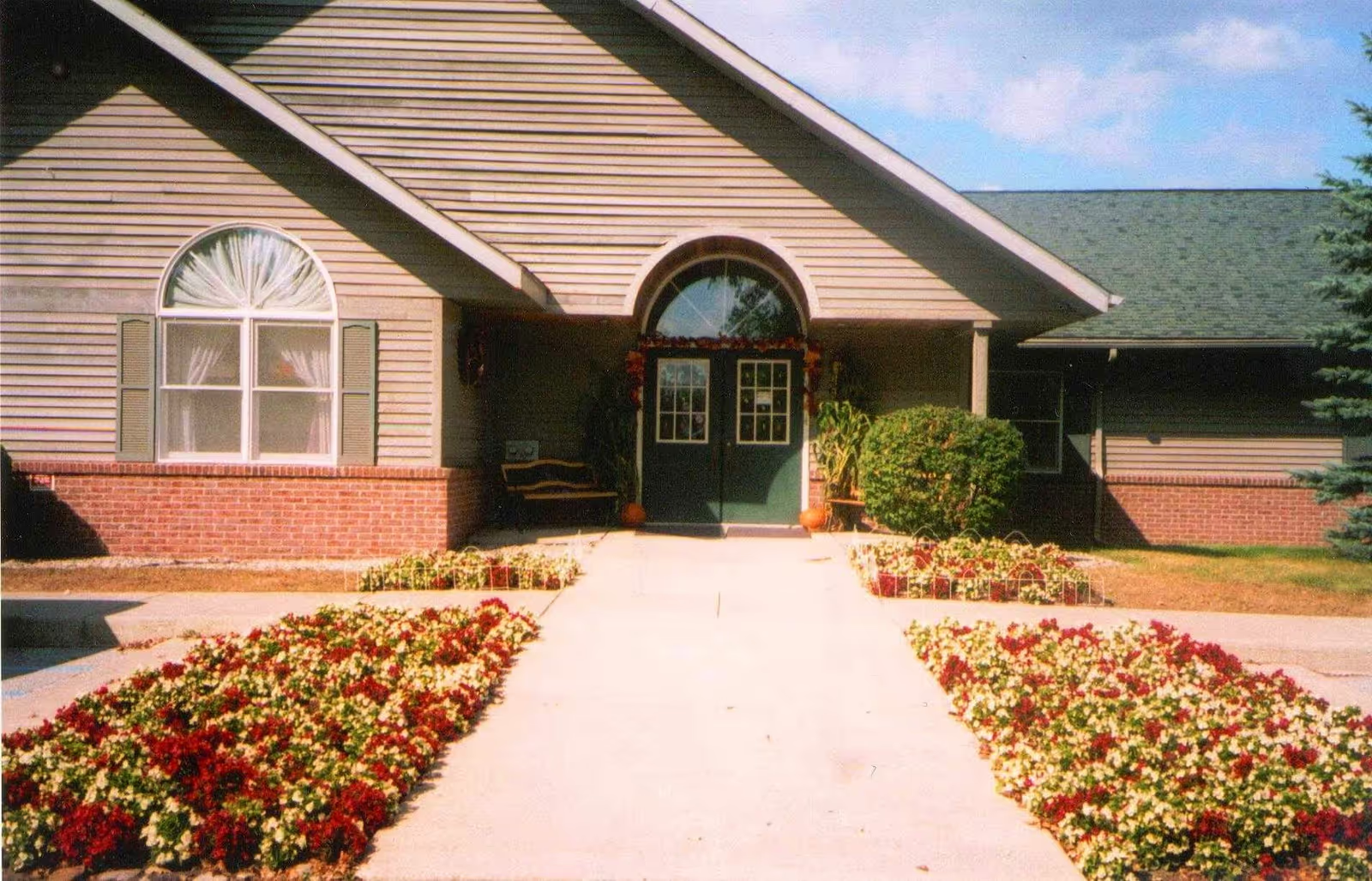
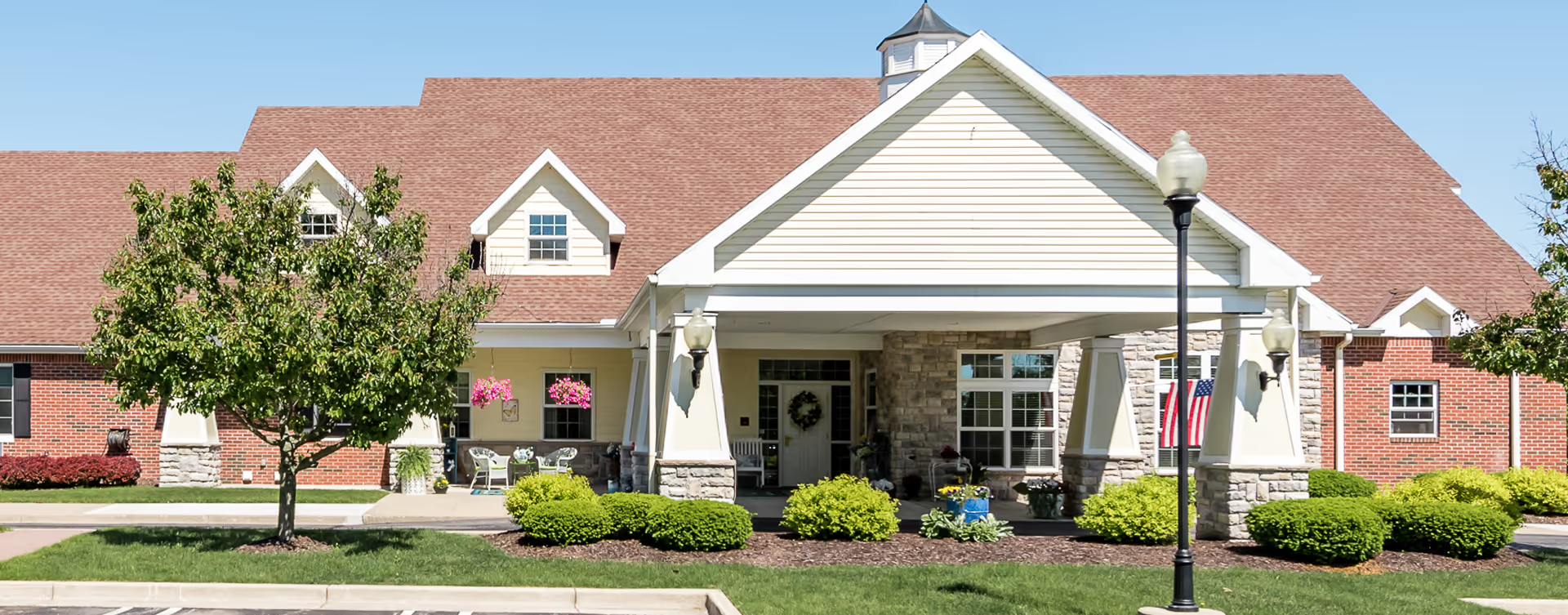
Medilodge of Midland elicits a mixed but distinct pattern of strengths and operational weaknesses. Strengths center on the direct-care and therapy teams: CNAs and many nurses receive repeated praise for compassion, attentiveness, and personal engagement, and the rehabilitation/physical-therapy program is described as skilled, motivating, and effective. Housekeeping and facility upkeep are commonly cited as strong points, with many families noting clean, bright rooms and a generally well-maintained interior. The front-desk experience and admissions/check-in procedures are frequently described as welcoming and efficient, and the site’s emphasis on entrance screening and visible safety measures has been viewed positively.
At the same time, reviewers describe a number of consistent operational concerns that prospective families should weigh. Staffing appears uneven — while some direct-care staff are highly regarded, others are perceived as slow, inconsistent, or insufficient in number, which reviewers link to delays in responding to resident needs and variability in nighttime monitoring. Several reviews point to gaps in clinical incident response and emergency protocols, including delays in escalation and unclear family communication when acute problems arise. Relatedly, there are reports of inconsistencies in infection monitoring and management (for example, elevated laboratory markers and communicable-condition follow-up), and several families flagged sanitation-related issues and odor concerns in certain areas of the building.
Communication and care coordination are additional themes. Families cited missed or poorly explained discharge plans, limited advance notice for appointments, and insufficient updates about therapy progress. These breakdowns extend to certain administrative processes — frequent staff turnover was mentioned as affecting continuity of care, and there are isolated but serious allegations concerning cash handling that suggest a need for clearer resident-account transparency. Privacy practices in communal dining or activity areas were also raised as a concern, indicating opportunities to strengthen HIPAA-compliant behaviors during routine care tasks.
Dining and activities show mixed feedback: many residents enjoy the social programming, store, and varied daily activities that support engagement, while others note under-stimulation for some long-term residents and inconsistent individualized support (reminders and one-on-one prompting). Food quality and temperature-control receive both praise and criticism — some families find meals acceptable, others describe bland or cold offerings. Transportation and logistics present a practical concern for families: shuttle reliability and driver behavior were called out as safety-related issues in a number of comments.
Overall, Medilodge of Midland appears to combine several notable positive elements — particularly in rehabilitation, housekeeping, and frontline friendliness — with operational weaknesses that affect clinical reliability and family confidence. Prospective residents and families should consider visiting multiple times, asking for current staffing ratios and incident-response protocols, reviewing discharge and cash-account policies, and requesting specific information about infection-monitoring practices and individualized activity supports before making placement decisions. For those prioritizing strong therapy services and a warm social atmosphere, the facility has demonstrable strengths; for those most concerned about clinical consistency, emergency responsiveness, and administrative transparency, the identified gaps merit direct discussion with facility leadership.