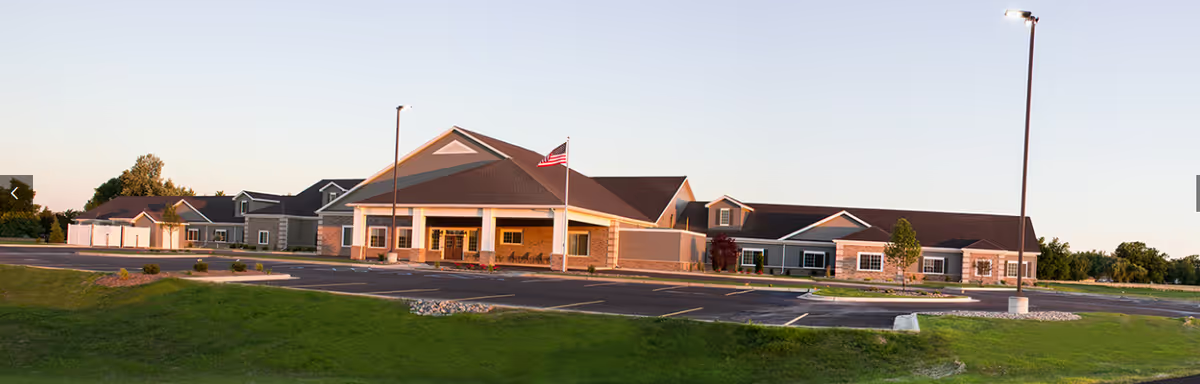
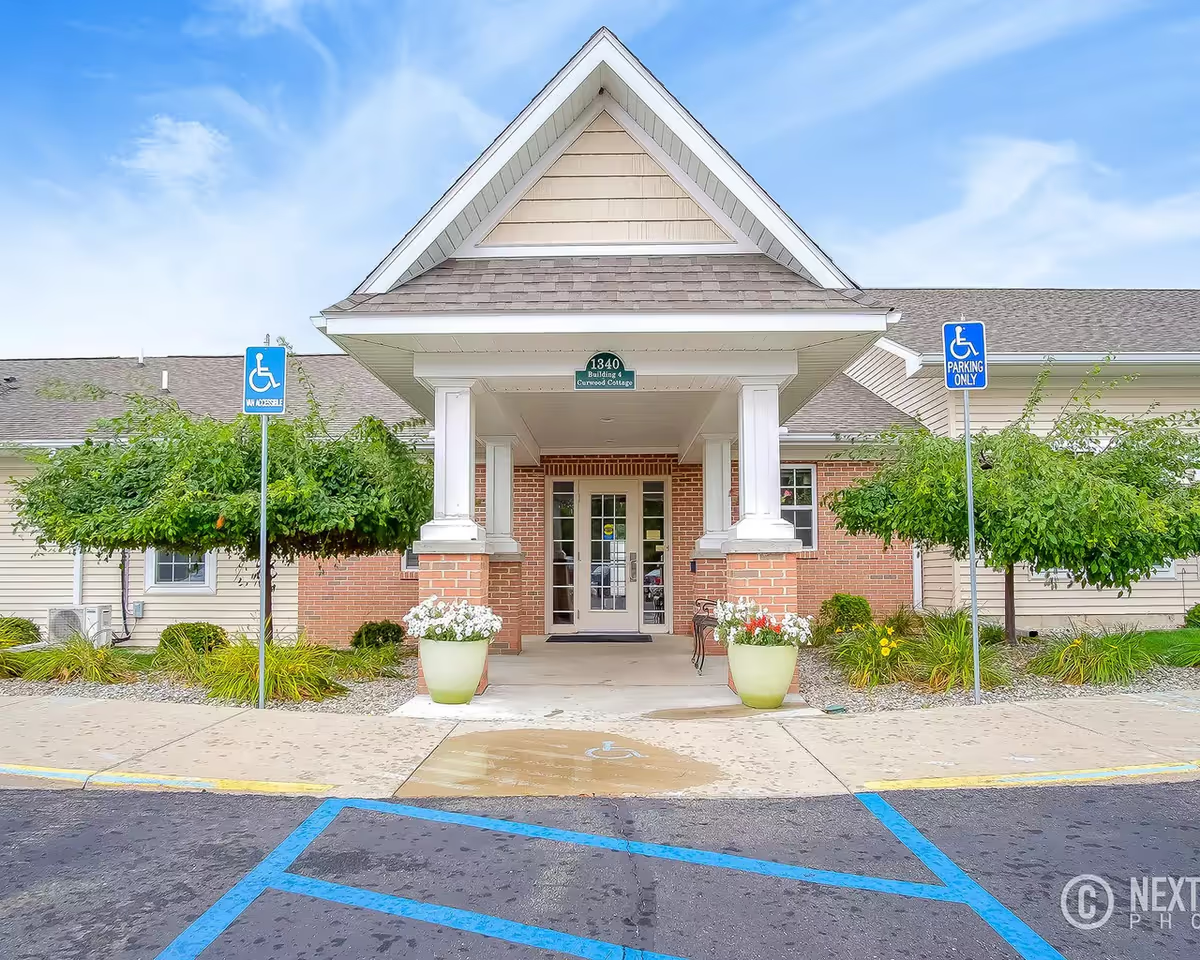
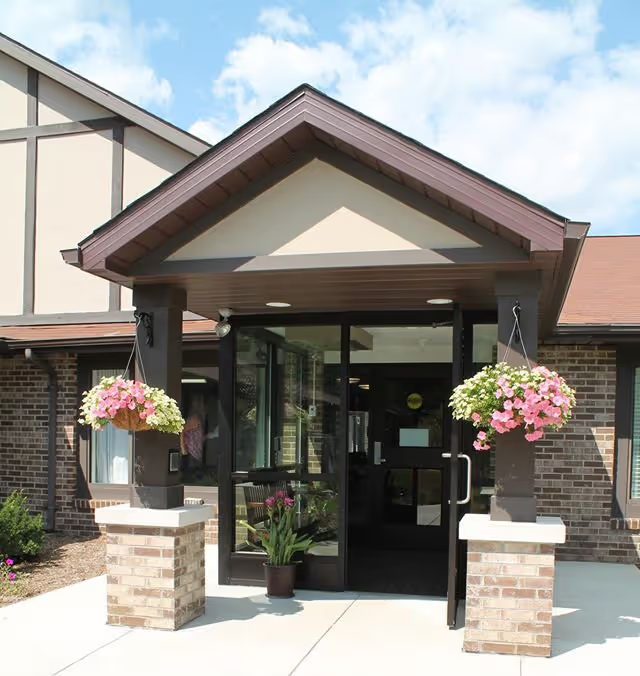
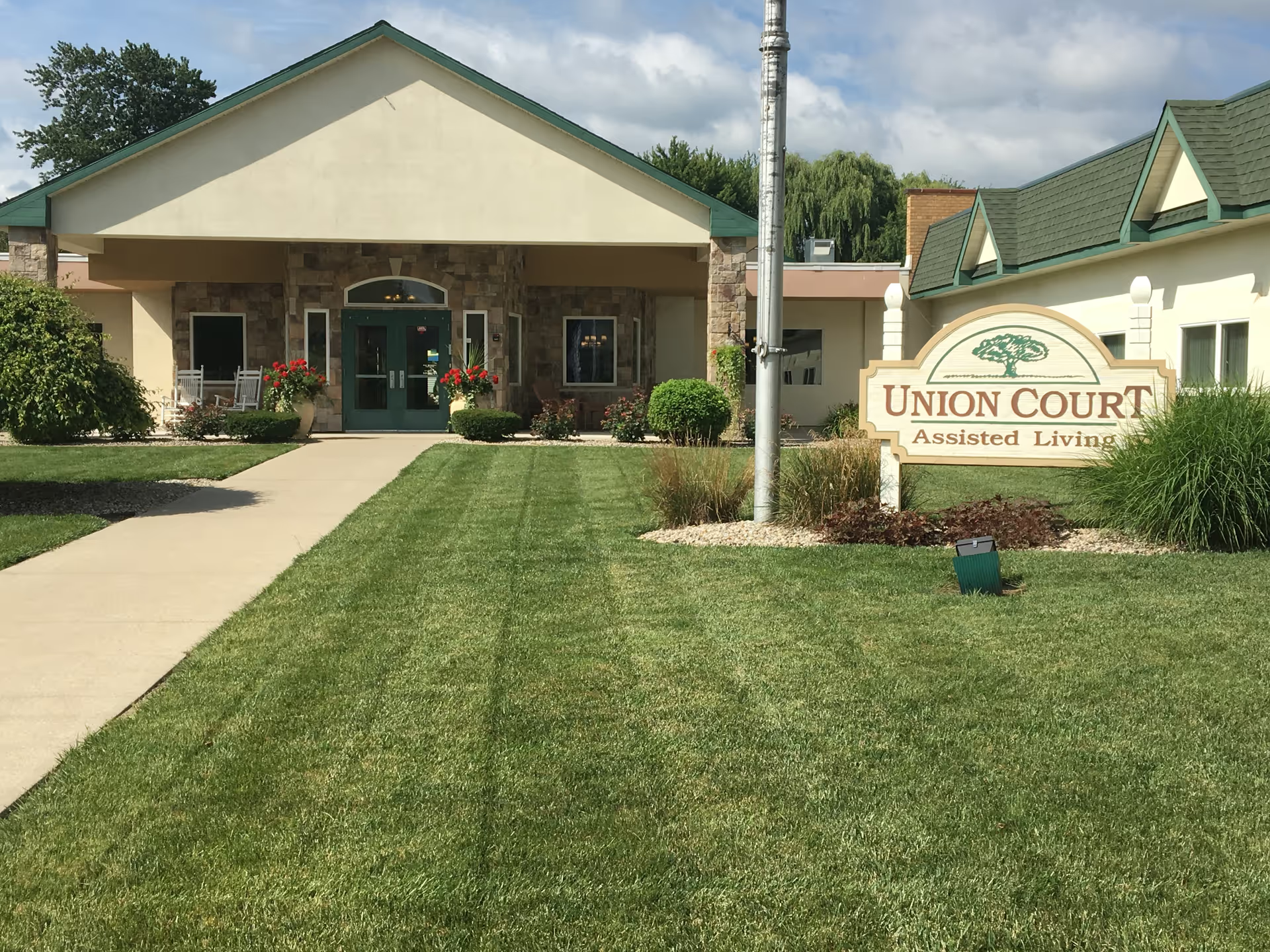
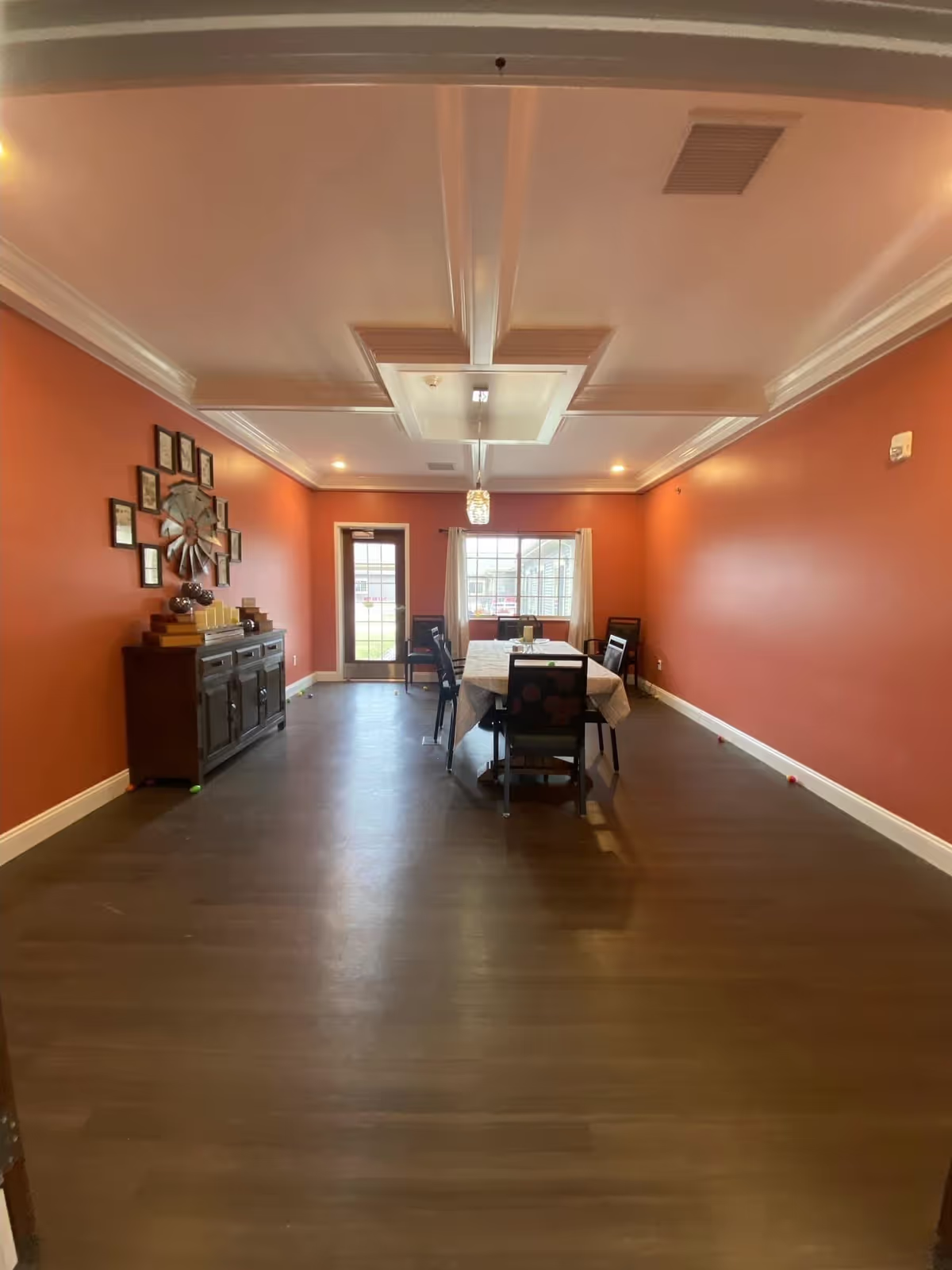
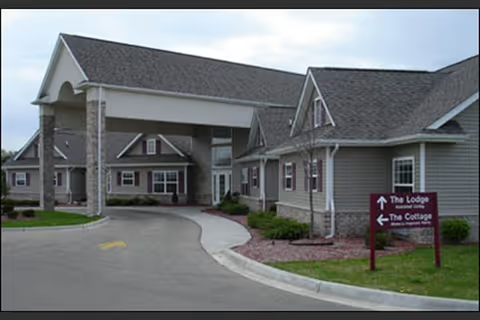
Pleasant View Owosso elicits mixed reactions that split along two main lines: facility attributes and operational consistency. Physically, the site is frequently described as modern, clean, and comfortable — a recently updated building with pleasant communal areas, private rooms, and well-kept grounds. Many families and employees characterize housekeeping, dietary staff, and the physical environment in positive terms. Activity programming and social engagement are commonly noted as strengths, and where therapy is delivered well it is described as skilled and effective.
Clinical-care experiences are inconsistent. Numerous accounts praise compassionate, attentive nurses, aides, and rehabilitation therapists; however, there are recurring concerns about delays in clinical responsiveness, medication delivery gaps, and inconsistent personal-care schedules (including bathing and incontinence care). Therapy quality is uneven across stays: some families report phenomenal PT/OT services and strong rehabilitation progress, while others describe minimal staff-directed therapy and limited therapy intensity. Several families raised serious clinical communication issues tied to transfers and discharges — for example, missing discharge notes or late identification of wounds — indicating gaps in handoffs and documentation.
Staffing and management are a central source of divergence. Reviewers describe hardworking, caring frontline staff and long-term employees who create a welcoming atmosphere for residents. At the same time, persistent comments point to staffing shortages, mandatory overtime, and burnout, which appear to drive slower response times and inconsistent task completion. Management practices are another pain point: families and staff report poor communication, rigidity in care plans, inconsistent policy enforcement, and instances of unprofessional supervisory conduct. Concerns about discriminatory and ableist behaviors in workplace culture and resident interactions were raised by multiple sources and merit direct inquiry by prospective families.
Dining and activities generally receive favorable remarks: the on-site dining and cafe are described as offering good meals and flexibility, and the center supports a range of activities that many residents find meaningful. Infection-control practices received positive feedback from some families specifically during the COVID-19 period, though others noted issues with the facility’s infection-prevention leadership and uneven application of visitation and infection-control policies.
Operationally, key patterns emerge that prospective residents and families should evaluate: medication-administration procedures, staffing levels and overtime policies, discharge and transfer documentation, billing transparency (notably out-of-pocket cost exposure), and visitation rules. Given the mix of strong interpersonal care examples alongside systemic operational weaknesses, families considering Pleasant View Owosso should perform focused due diligence — ask for staffing ratios, examples of discharge paperwork, a written medication-delivery protocol, current therapy schedules and goals, the center’s visitation policy, and an explanation of out-of-pocket billing — to determine whether the facility’s strengths align with their priorities and care needs.