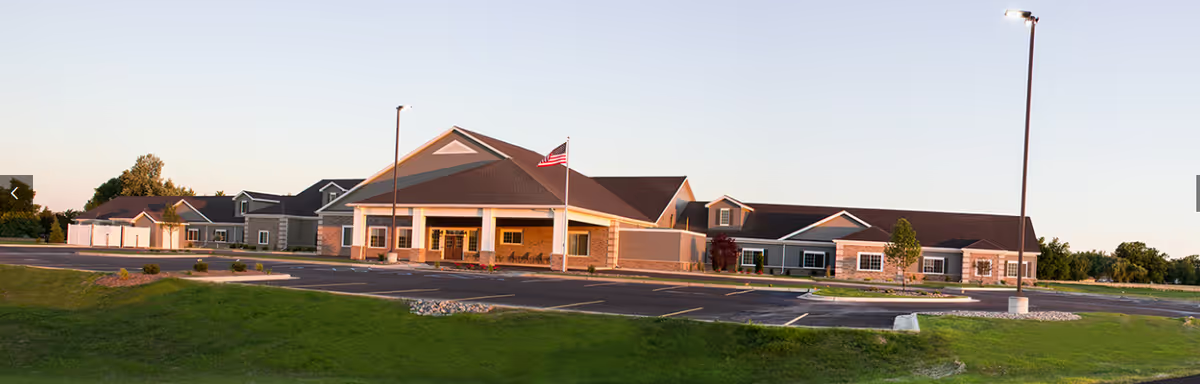
Oliver Woods is generally described as a clean, attractive, and well‑maintained assisted‑living and memory‑care community with a robust activity calendar and a staff culture that many families characterize as warm and family‑oriented. Reviewers commonly praise the building, grounds, private apartments, and the variety of daily programming (music, art, bingo, exercise, lectures and memory‑focused activities). The community is pet friendly, offers on‑site medical and therapy services, and many families cited confident, compassionate caregivers and a coordinated team approach to resident needs.
Care quality receives mixed but detailed feedback. Many reviewers highlight attentive and nurturing staff, quick incident response, and dignified, person‑centered interactions that give families peace of mind. However, there are repeated operational concerns around medication management — including errors, delays in medication setup at admission, and broader inconsistencies in medication administration controls — and occasional gaps during shift hand‑offs. Several families also described situations where care intensity did not appear to be adjusted promptly as a resident’s condition declined, leading to increased reliance on hospice services for clinical oversight.
Dining and nutrition are another area of contrast. A substantial number of families enjoy the food and its presentation, and the kitchen is frequently commended for special events and resident‑preferred meals. At the same time, reviewers note limited menu variety, occasional service issues such as cold meals, and a lack of supplemental nutrition options when needed. These operational inconsistencies extend to housekeeping and laundry: while the facility is often described as very clean and odor‑free, some families reported irregular linen changes, delayed room cleaning, and timing/quality issues with laundry service.
Activities and social life are consistently cited as strong points. The life‑enrichment staff are described as proactive, creative and effective at engaging residents across cognitive and mobility levels; many families noted meaningful friendships formed there. A few reviewers wanted even more musical programming or additional variety, but overall the activity offerings are a distinguishing strength of the community.
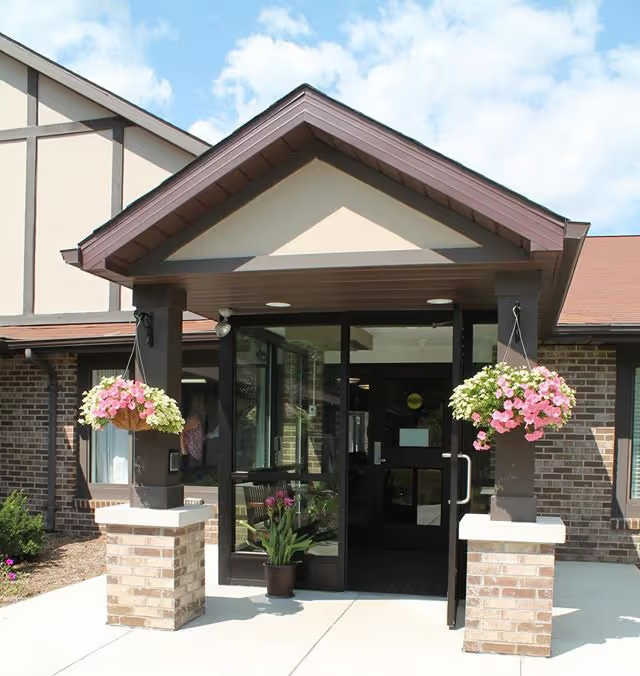
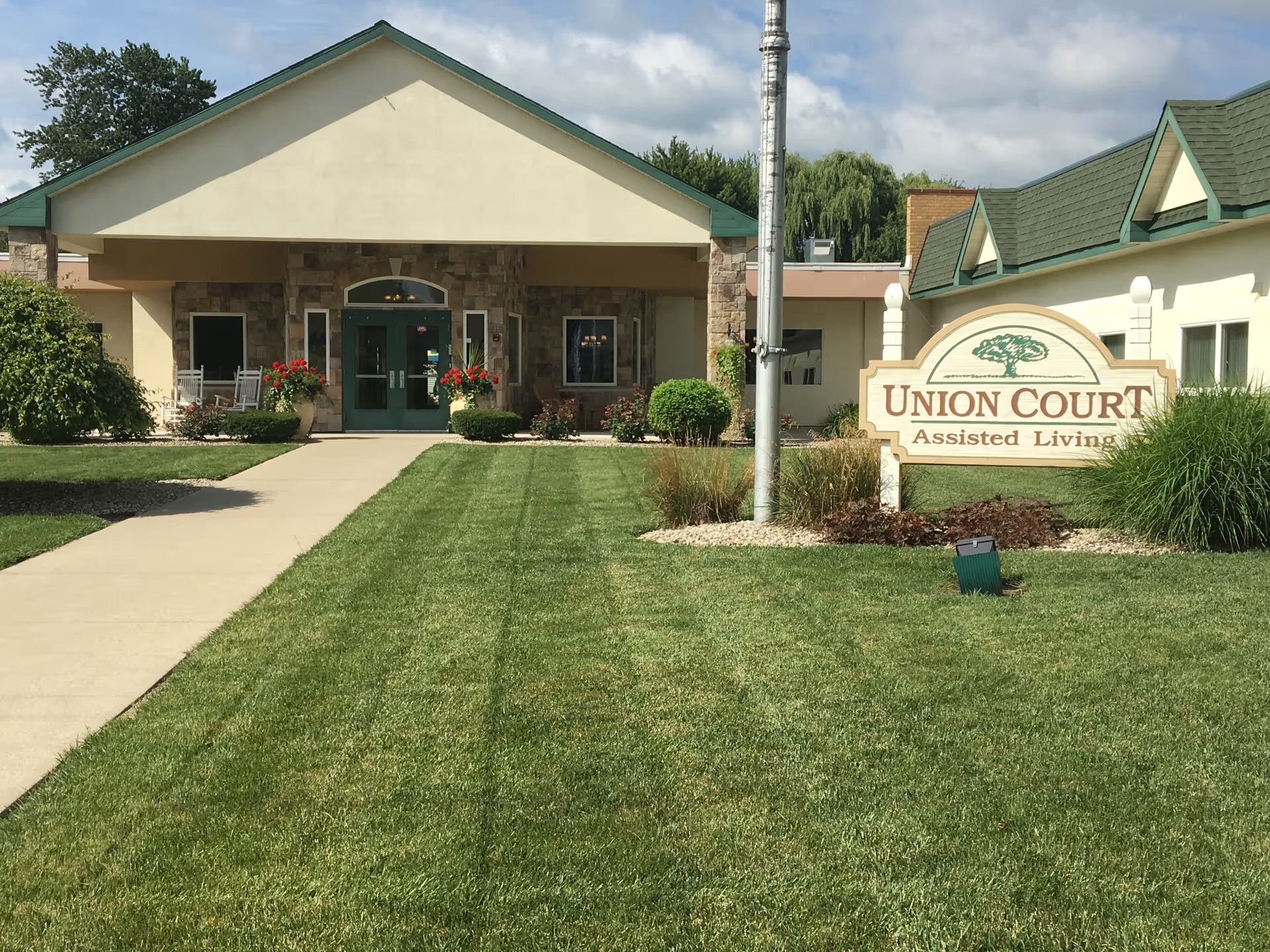
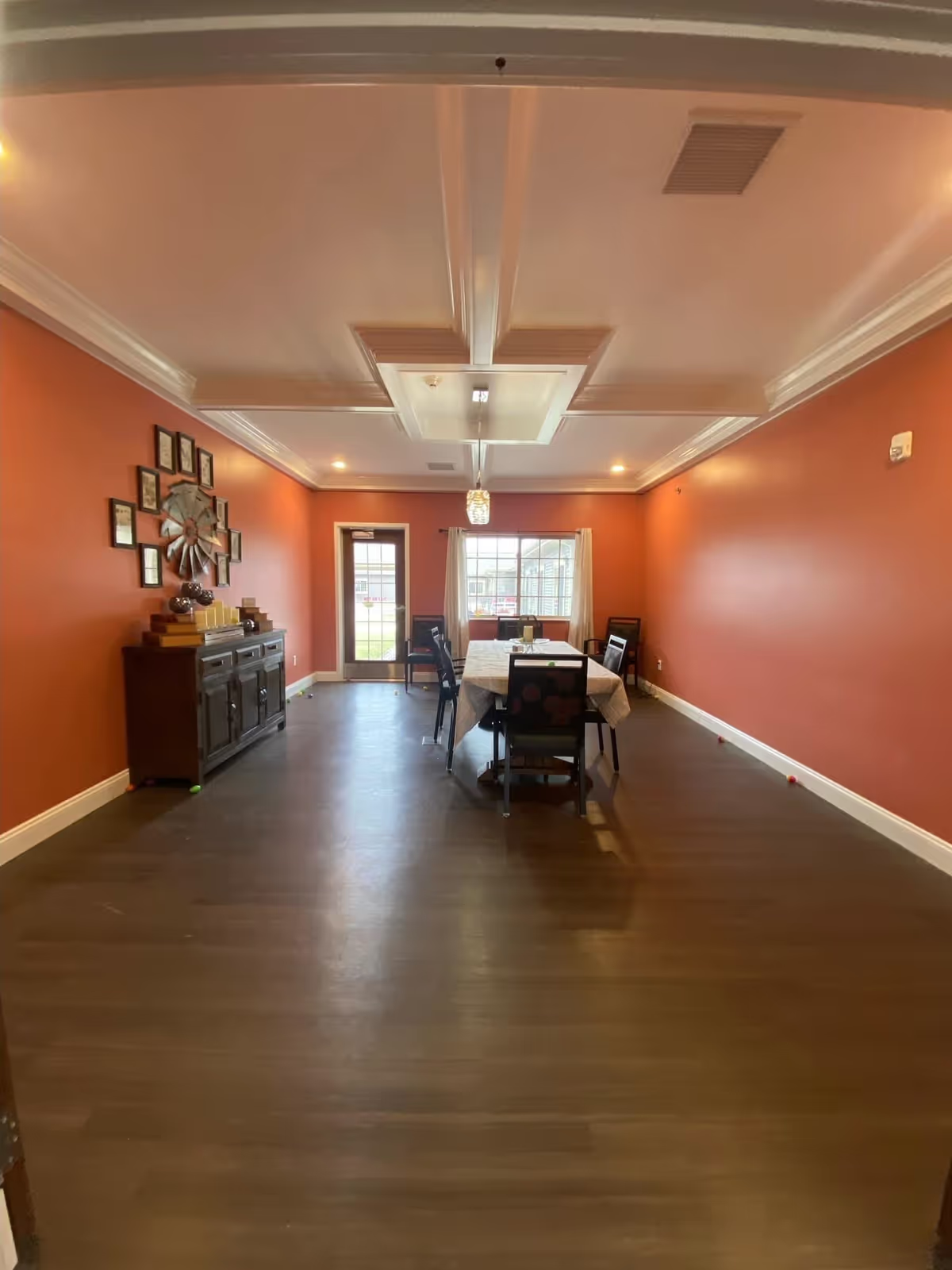
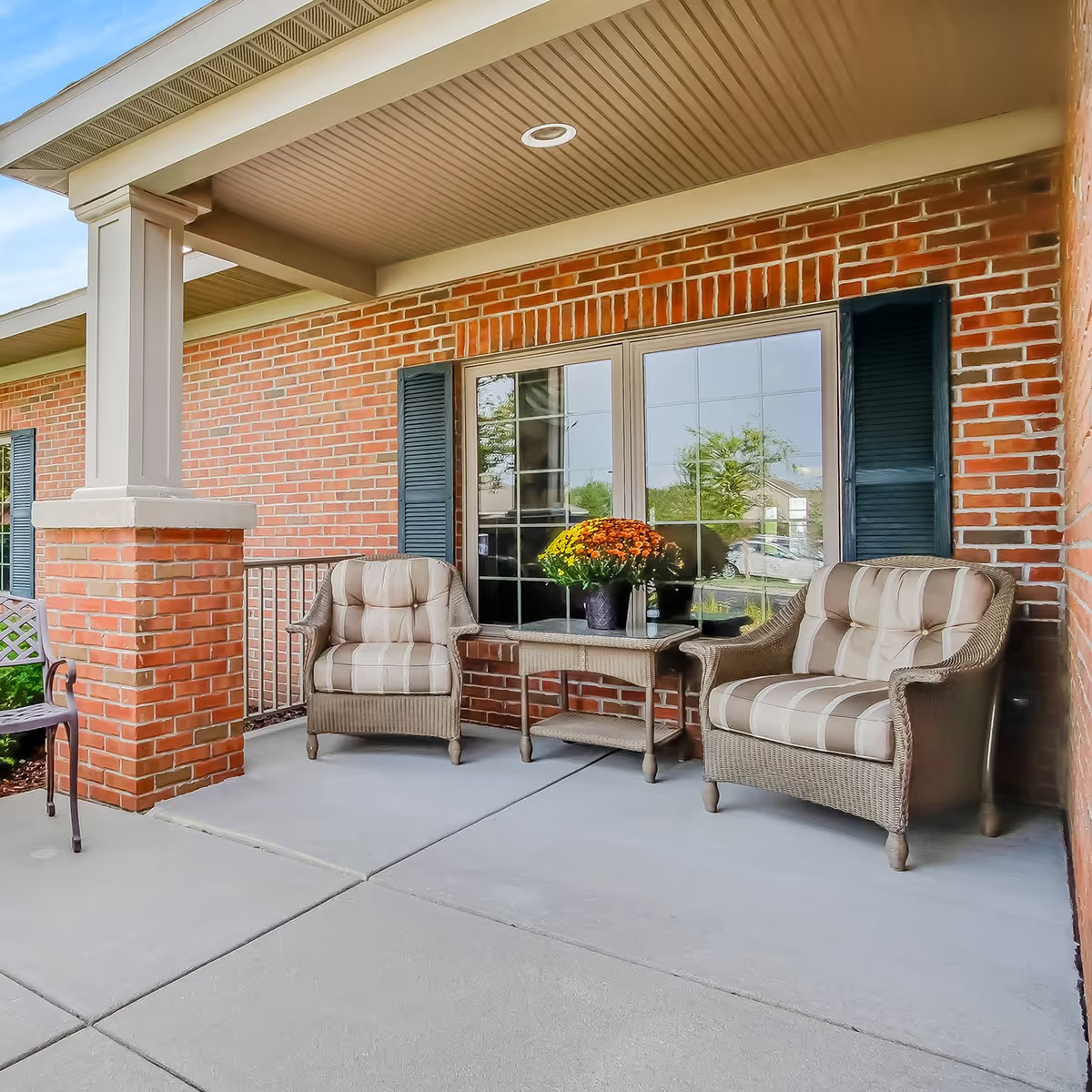
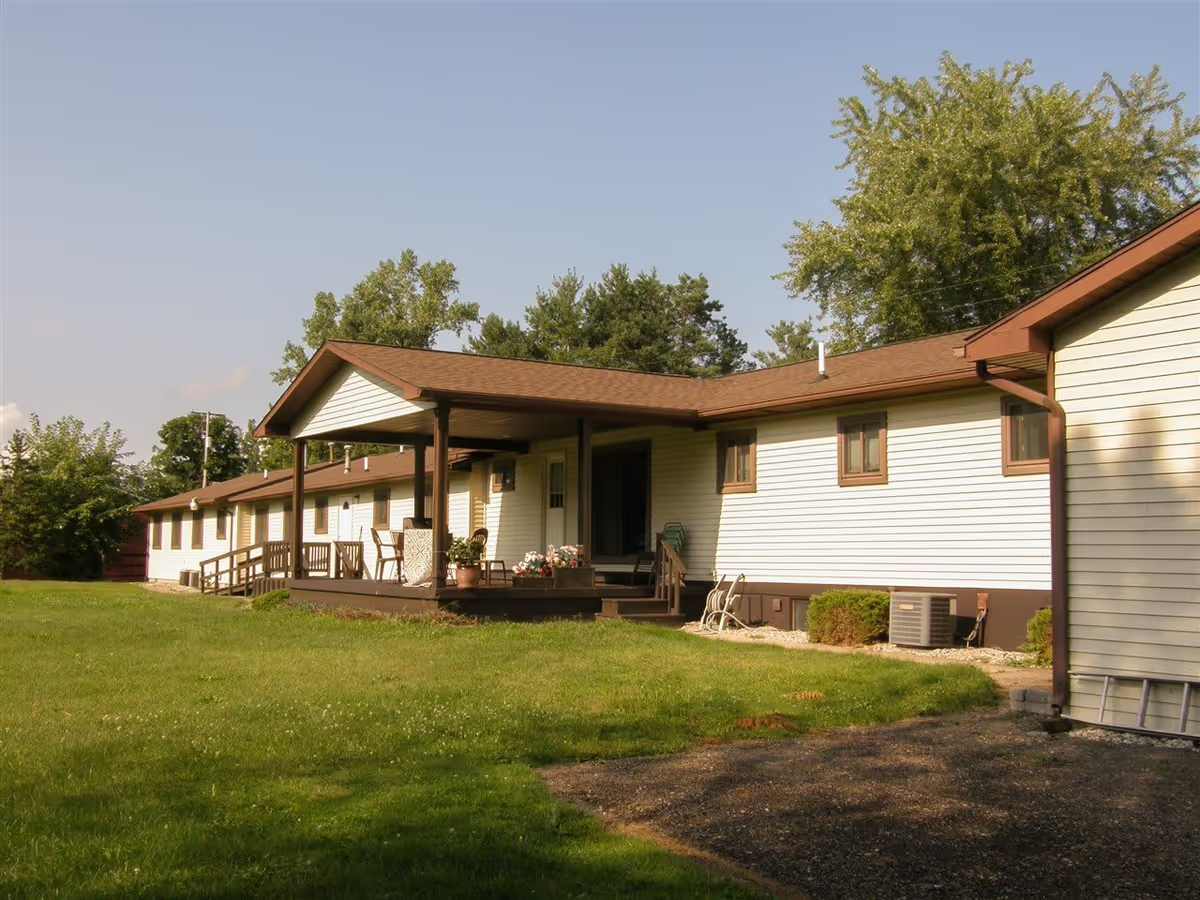
Facility features and maintenance are generally positive: contemporary rooms, accessible baths, well‑kept common areas, and attractive outdoor spaces. Nevertheless, several reviews describe delayed contractor or maintenance responses and occasional equipment problems that affected resident safety, which suggest opportunities to strengthen preventive maintenance and supply management. A limited number of families raised serious safety and end‑of‑life care concerns, and prospective families should inquire directly about transfer‑safety protocols and recent safety audits.
Management and financial practices present a mixed picture. Leadership and some administrators receive praise for responsiveness, supportive admissions, and visible involvement in programming. Conversely, recurring themes include opaque billing, add‑on charges, multiple price increases within short periods, and billing disputes that required escalation. Communication gaps (missed calls, slow follow‑up) and perceptions of understaffing — particularly overnight — contribute to concerns about continuity of care. Infection‑control practices and staff vaccination adherence were mentioned as areas where families sought clearer policies.
Taken together, Oliver Woods offers many strengths that appeal to families seeking an active, comfortable assisted‑living or memory‑care setting with strong social programming and a compassionate staff culture. Prospective residents and families should balance these positives against operational items that emerged across reviews: clarify medication‑management protocols, ask for specifics about staffing levels and night coverage, review housekeeping and laundry schedules, confirm billing and fee structures in writing, and discuss emergency and safety procedures. Those steps will help align expectations with the facility’s service model and address the recurrent operational issues highlighted by families.