Reviews of Chesaning Comfort Care present a notably mixed picture. Many families and visitors describe a warm, family-like atmosphere with compassionate caregivers, active engagement, and strong end-of-life support. At the same time, several substantive operational concerns recur in the feedback, producing a divergence in experiences that prospective families should weigh carefully.
Care and staff: A substantial portion of reviewers highlight attentive, empathetic staff and individualized care. Families praised nursing staff who anticipated needs, supportive aides, and staff members who participate in activities and community events. Hospice and transition services were frequently lauded for providing peaceful, respectful end-of-life care and for allowing residents to remain in private rooms. Conversely, other reviewers raised issues consistent with inconsistent staffing levels (especially at night), delayed responses to resident needs, and concerns about staff conduct and communication tone. There are also mentions of medication-management and skin-integrity concerns in specific cases; these suggest variability in clinical oversight rather than a uniform pattern of clinical performance.
Dining and activities: The facility’s social program is repeatedly described as a strength — a robust activities calendar, frequent themed events (family gatherings, pampering days, trick-or-treat), and staff participation contribute to resident engagement. Meals receive generally positive comments for taste and dessert options, and some families appreciate meal delivery to rooms and proactive safety checks at mealtime. At the same time, perceptions of food quality are not uniform: some reviewers note more institutional meal preparation and differing expectations about home-cooked-style meals.
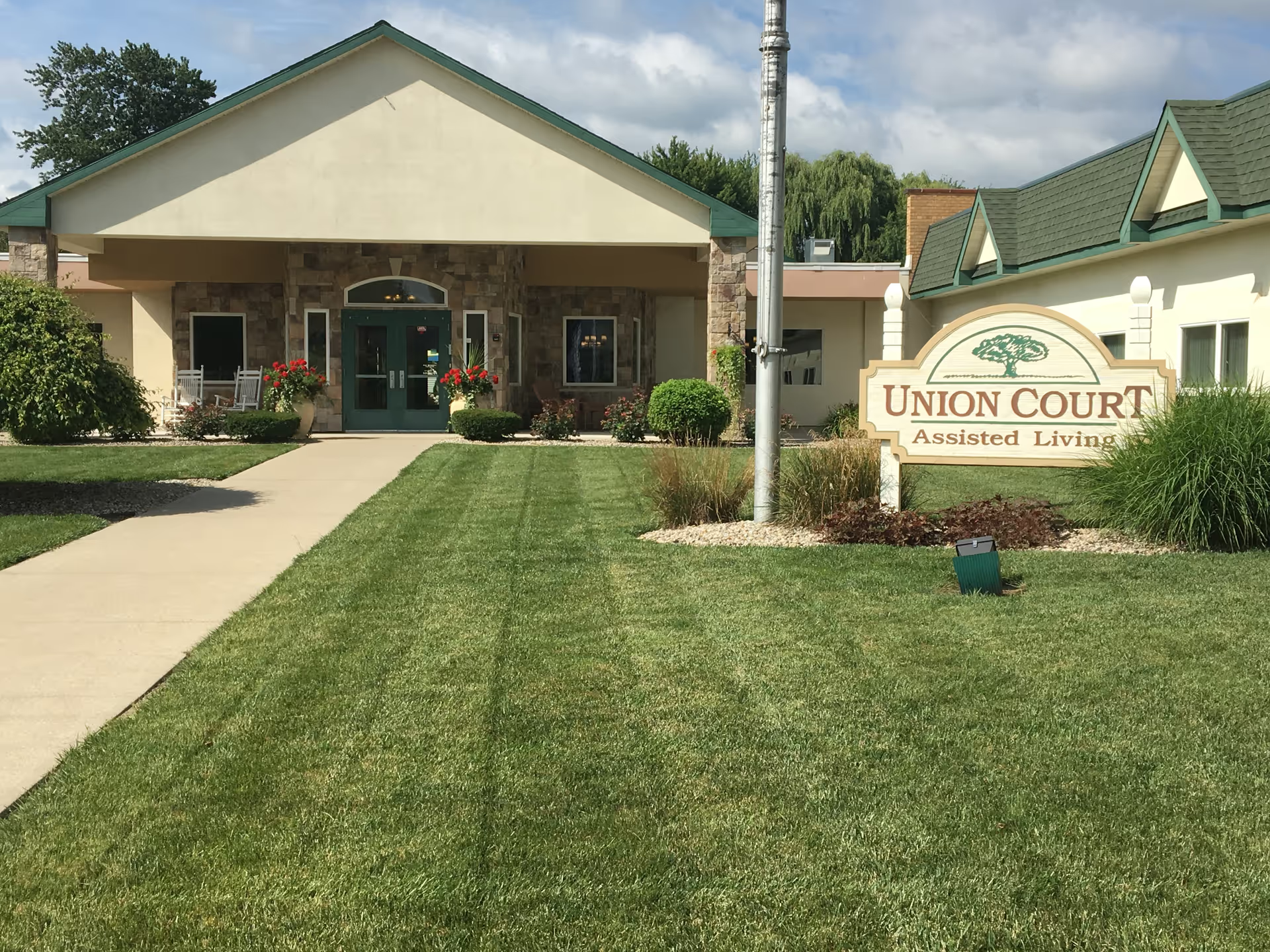
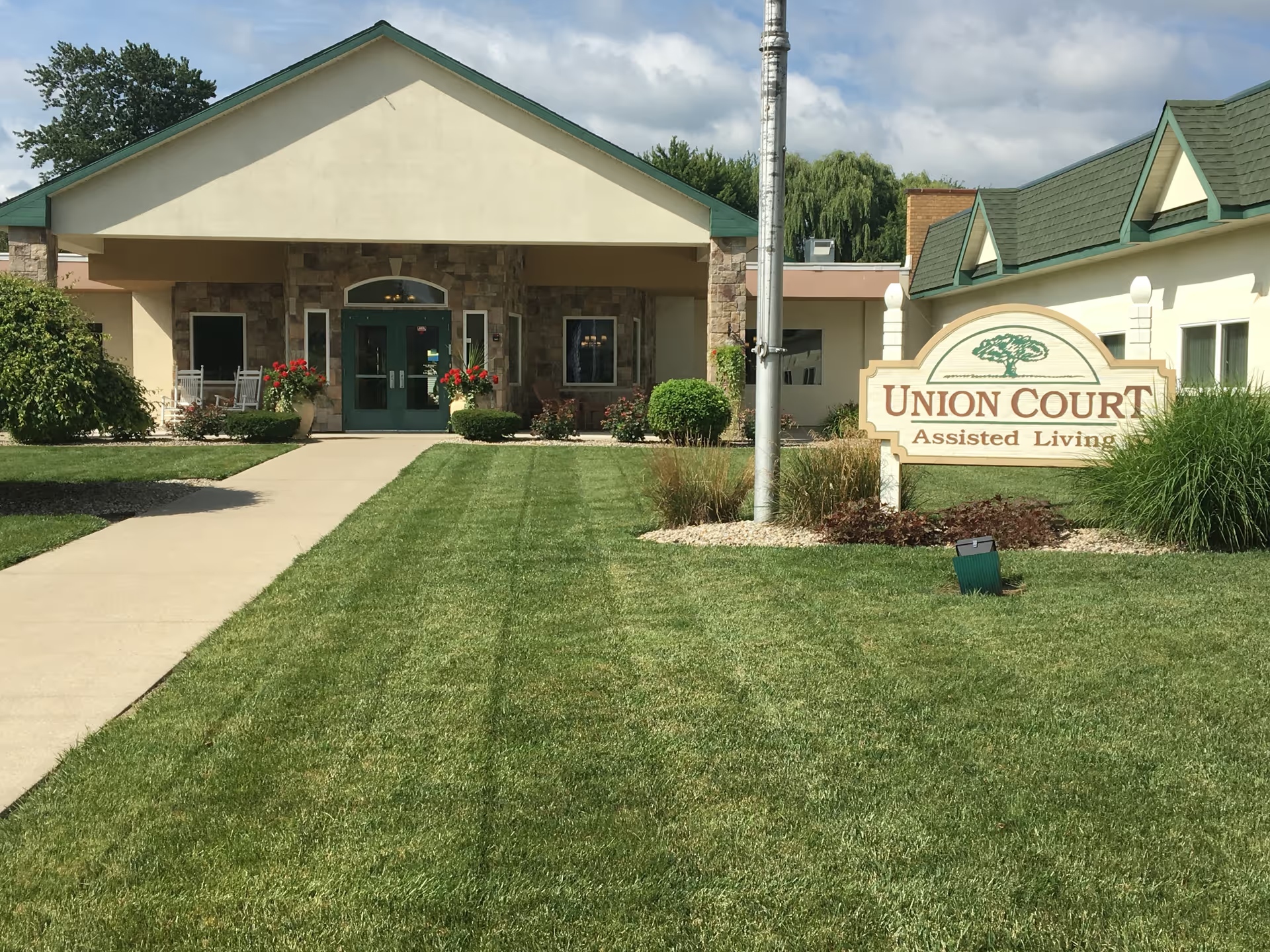
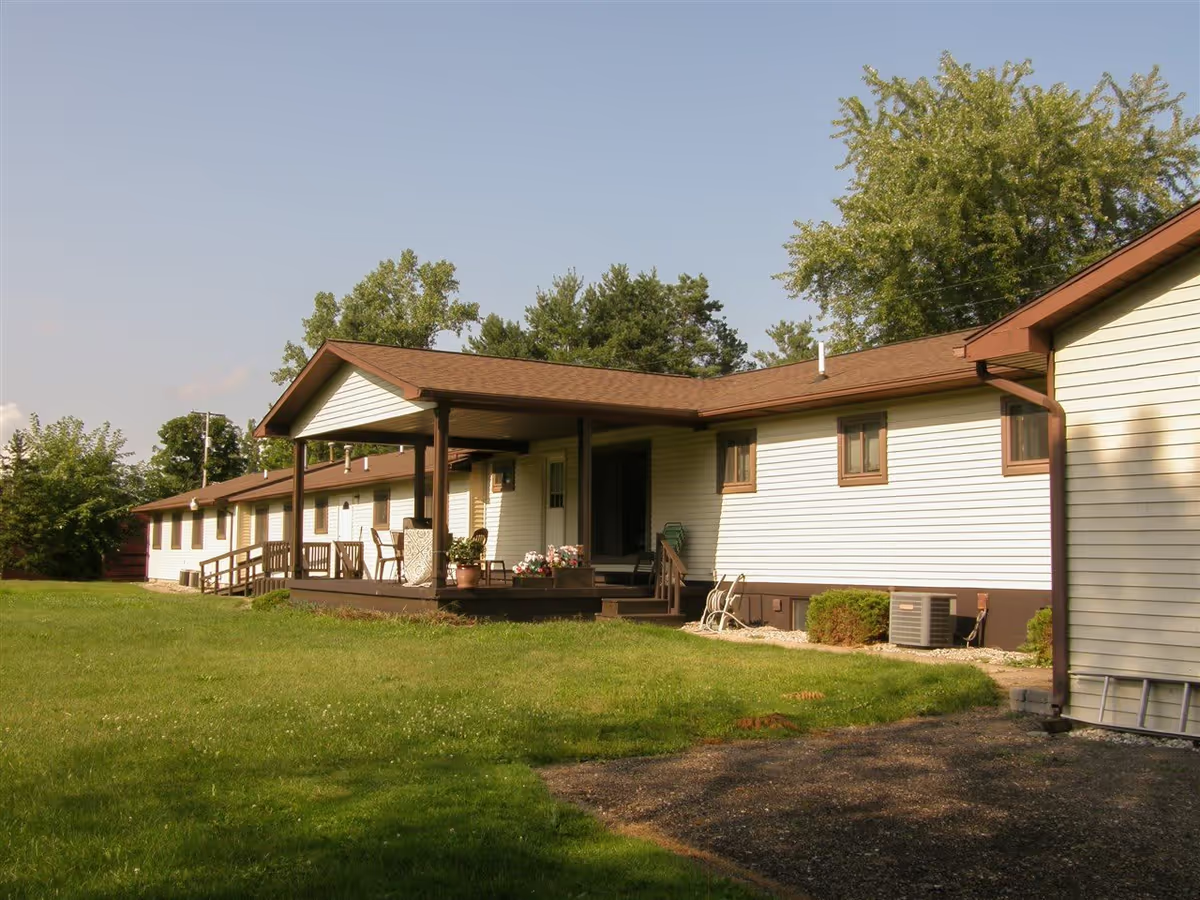
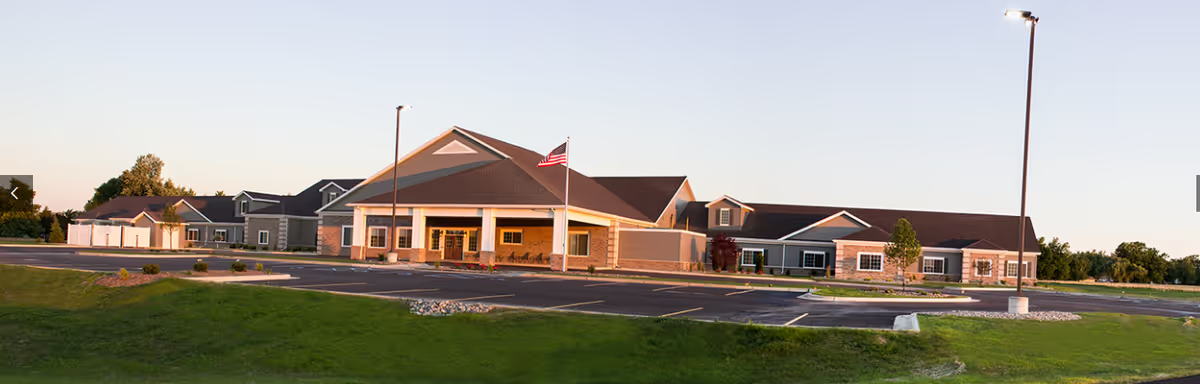
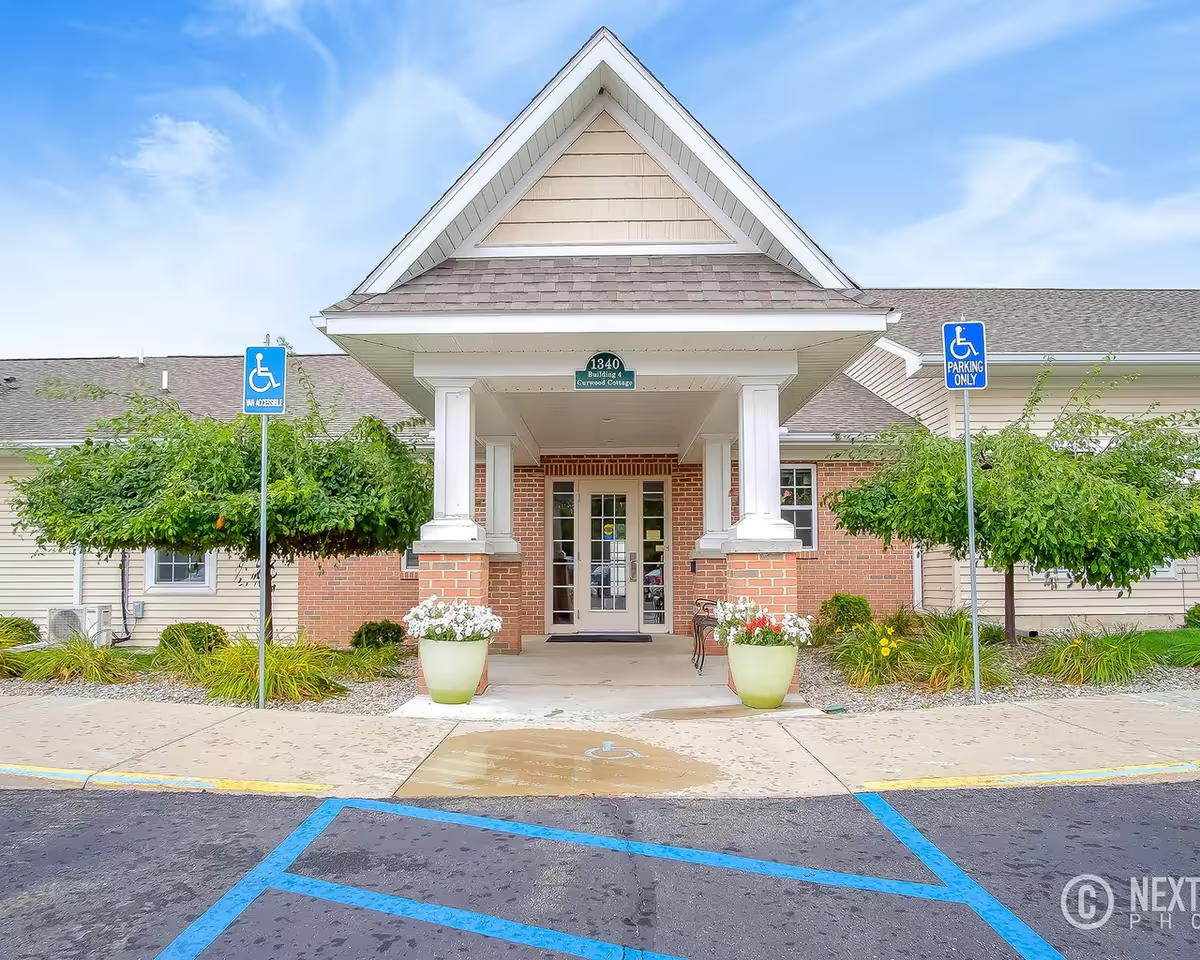
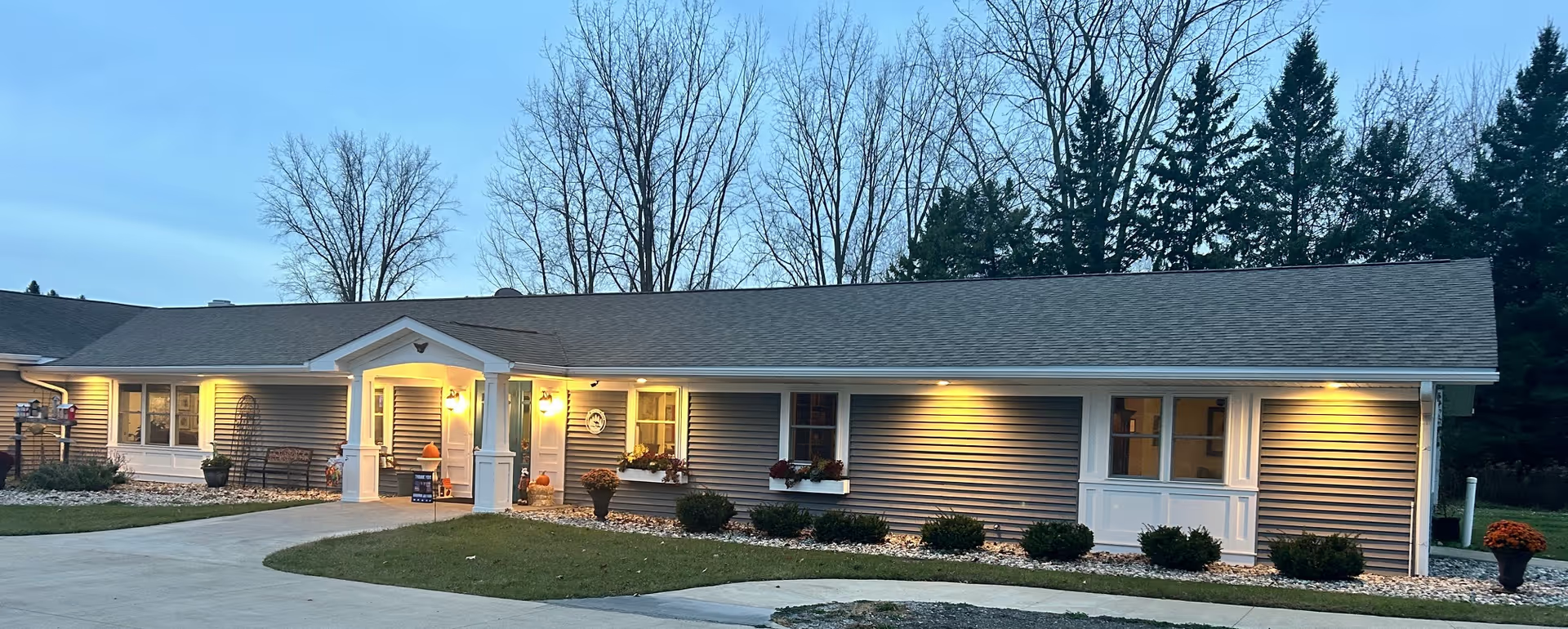
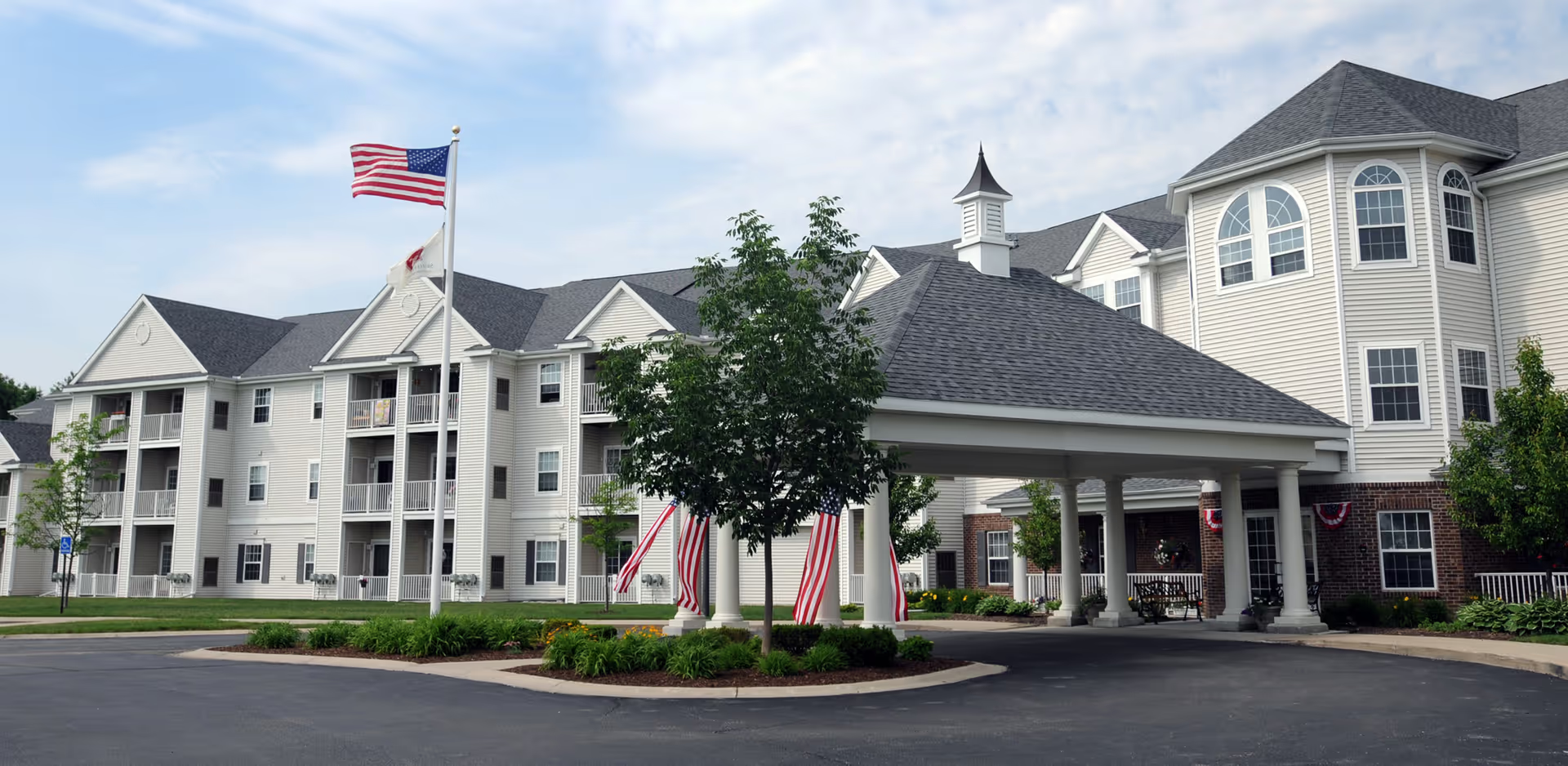
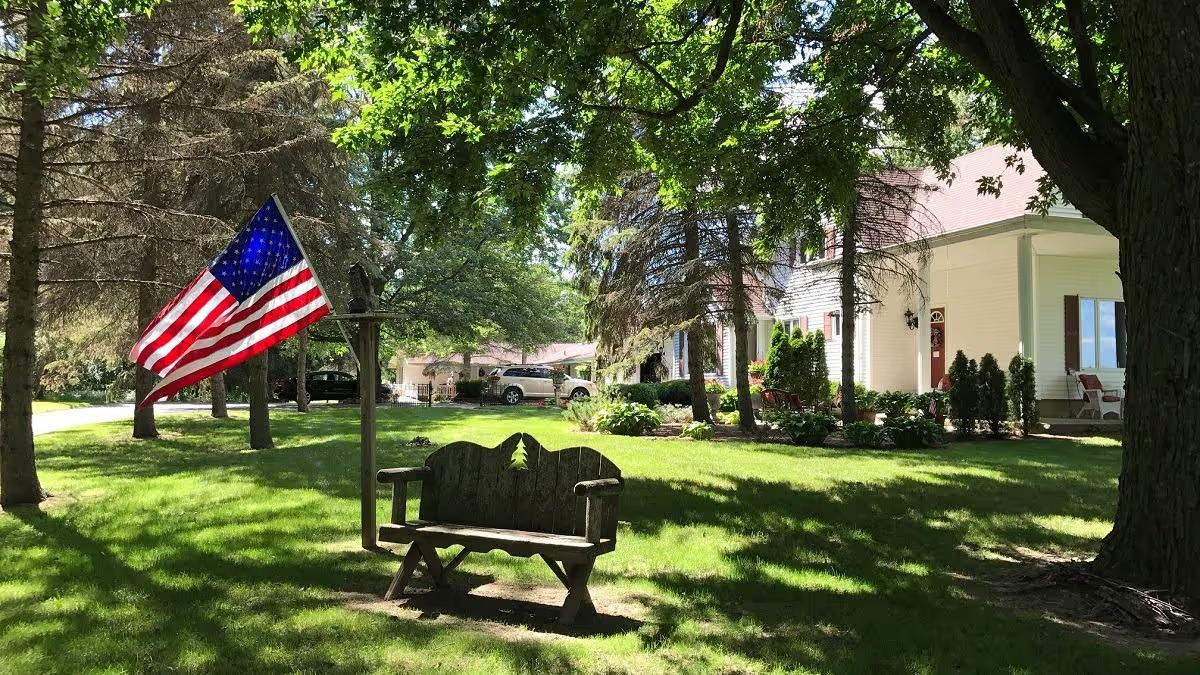
Facilities and safety: Many reviewers describe the building as clean, well-kept, and welcoming, with private rooms and bathrooms, generous room sizes, an on-site salon, and a secure environment. Positive notes include successful short-term mobility improvements and safer showering experiences. However, there are intermittent sanitation and odor-control concerns and references to lapses in housekeeping or environmental maintenance. These comments point to uneven performance in facility upkeep rather than a consistently poor physical environment.
Management and operations: Several reviews praise engaged administration and helpful office staff who make admissions and transitions smoother. At the same time, reviewers cite management instability, organizational inconsistencies, and perceived deficiencies in how infection-control events (including COVID) were handled. Communication gaps between staff and families, uneven incident follow-up, and a perception of high cost relative to value appear across multiple accounts. One serious meta-claim concerns alleged review manipulation; this is noted by some reviewers and should prompt families to consider multiple information sources when evaluating the facility.
Notable patterns and recommendations: The dominant pattern is one of strong people-centered strengths (compassionate caregivers, active programming, clean and comfortable spaces) coupled with operational weaknesses that can produce variable experiences (staffing variability, communication and oversight gaps, and occasional sanitation or infection-control issues). Prospective residents and family members should tour the community, observe mealtimes and an activity, ask for current staffing ratios by shift, review infection-control and incident-reporting protocols, inquire about medication and wound-care practices, and request clarification of fees and what hospice/transition services include. Speaking directly with current families and requesting recent inspection or staffing records can help reconcile the contrasting accounts and form a clearer picture of current operations.