Overall impression: Reviewers describe Maple Lake Assisted Living & Memory Care as a facility with consistently strong hands‑on caregiving, particularly in its memory‑care program. The most frequently noted strength is the staff: caregivers, aides, activity directors and leadership are repeatedly described as compassionate, attentive and willing to go beyond standard expectations. Families point to individualized attention, strong hospice coordination for end‑of‑life care, and a generally family‑like atmosphere that helps residents feel comfortable and safe.
Care quality and staff: Clinical and personal-care practices are characterized as caring and competent. Memory‑care supports, structured routines, and dementia‑focused activities are highlighted as meaningful for residents with cognitive impairment. Staffing culture is also a strength; reviewers report that management fosters teamwork and treats staff well, which appears to translate into stable, engaged caregivers. At the same time, reviewers identified operational communication issues: staff identification (attire/name‑tag visibility), inconsistent communication tone (use of informal endearments or variable customer‑service approach), and occasional delays or variability in nonclinical responsiveness. These items indicate opportunities to standardize front‑line communication, customer‑service training, and identification procedures to improve clarity for visitors and families.
Dining and nutrition: The dining program receives generally positive comments—many families praised breakfast offerings and described meals as home‑cooked and nutritious. Activity‑linked dining (social meals, themed events) is appreciated. However, several reviewers noted a decline in meal quality or availability over time and occasional instances where expected menu items were not available. These observations suggest a need for more consistent meal‑service continuity and quality oversight, along with clearer communication to families about menu changes or shortages.
Activities and social life: The activity program is a clear strength. Reviewers commend a broad calendar that includes live music, gardening, games, themed events, outings and weekly group meetings. Staff appear proactive in encouraging participation and tailoring activities for residents with cognitive or mobility limitations; this contributes to social engagement and reported improvements in mood and eating for some residents.
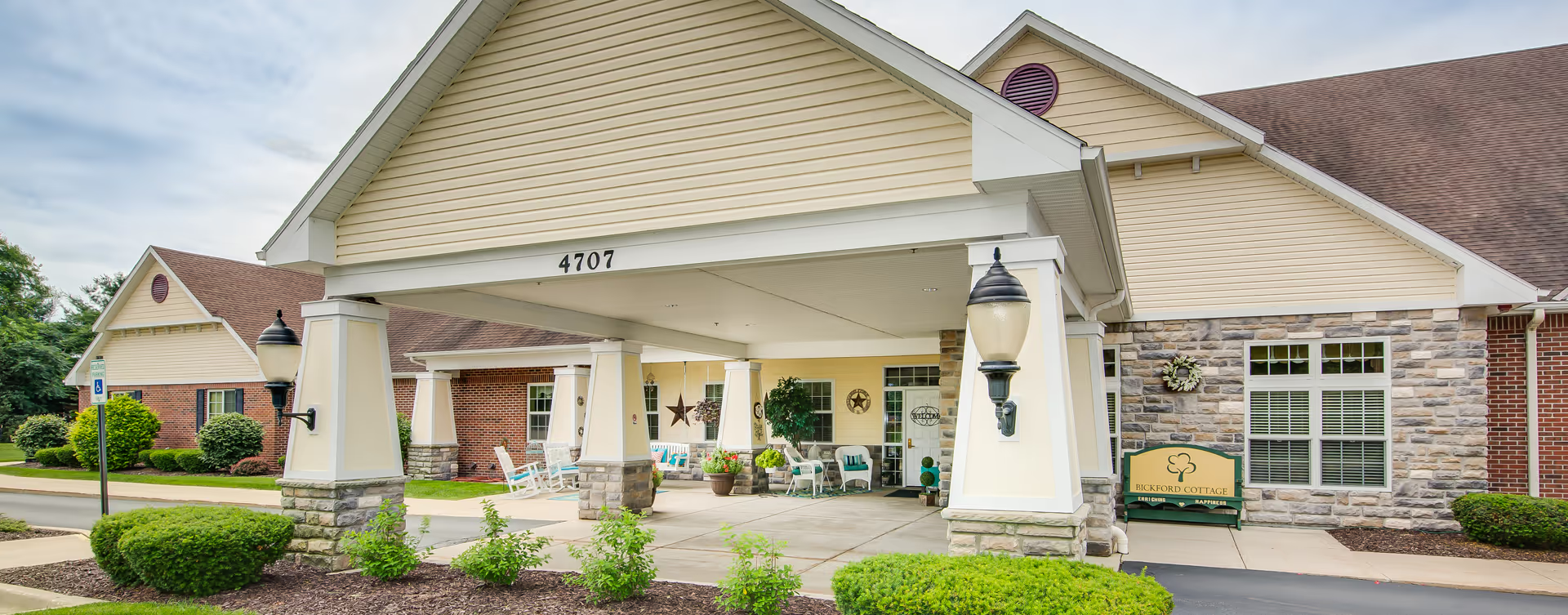
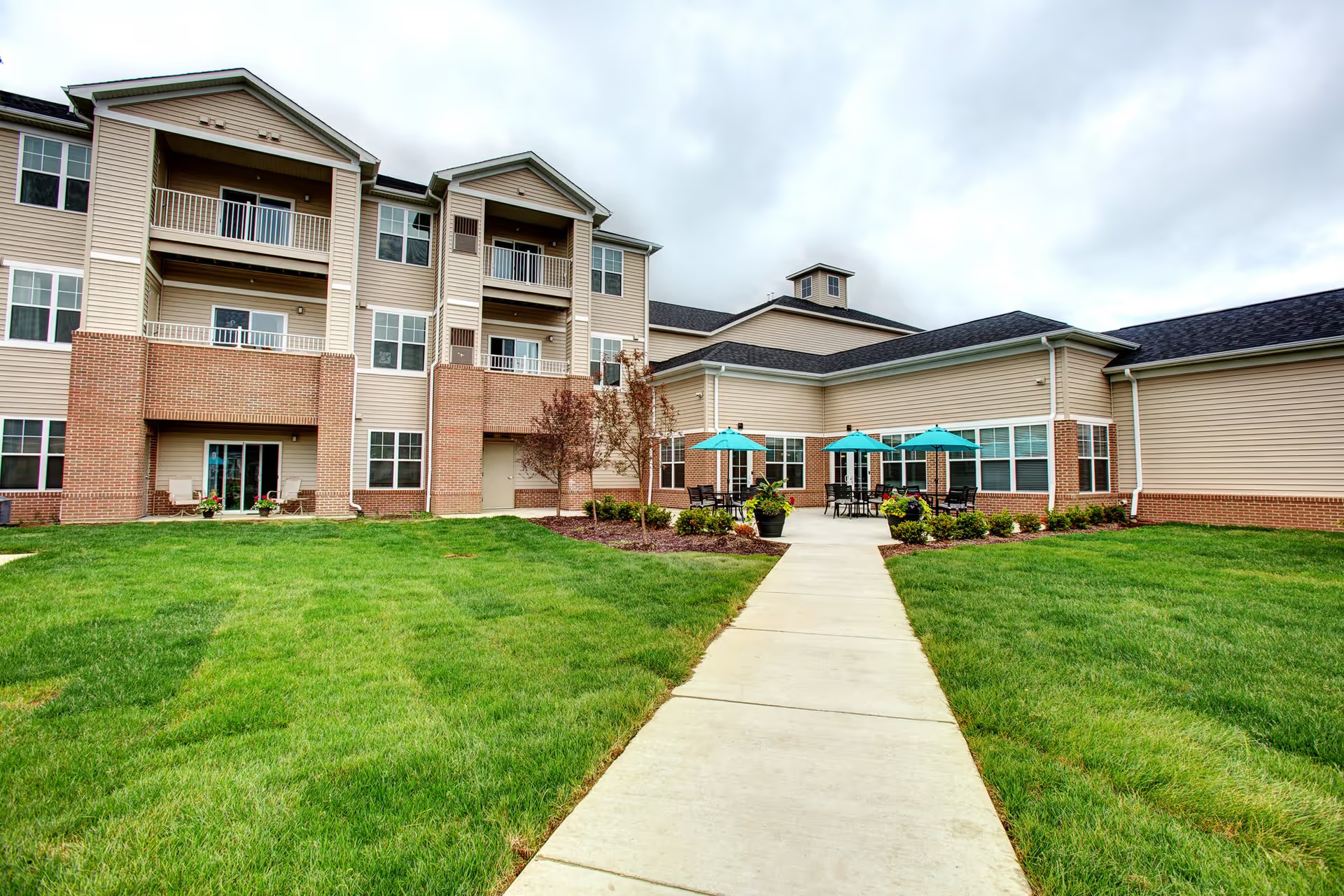
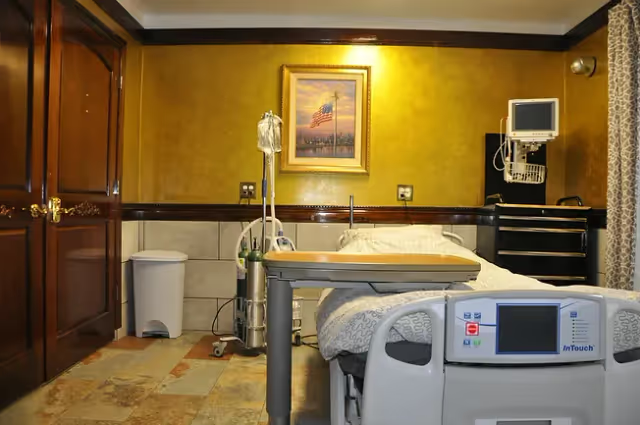
Facilities and amenities: The community is frequently described as clean, bright and well maintained, with attractive grounds, fenced courtyards, a library and salon. Many residents enjoy large, light‑filled rooms and pleasant views. At the same time, several practical facility limitations were noted: small studio footprints, absence of certain in‑room amenities (bathtubs, microwaves/coffee makers), and some perceptions that parts of the environment feel institutional rather than fully homelike. Entry‑system reliability and limited outdoor space in certain areas were also mentioned as operational concerns.
Management, policies and notable patterns: Leadership and administration are generally praised for accessibility, responsiveness and timely resolution of concerns; Facebook updates and direct family communication are singled out as positives. Two recurring operational topics families should clarify before placement are pricing/fee transparency (including how rates relate to levels of care) and placement/cohorting policies for residents with differing dementia stages. Reviewers expressed a desire for clearer tiered pricing aligned to care needs and for more deliberate cohorting to reduce resident conflicts and support appropriate social matching. Additional operational patterns include occasional variability in nonclinical staff customer service (notably kitchen/staff demeanor) and isolated security/supervision issues such as resident property loss; these suggest areas for stronger procedural controls.
Recommendation guidance: Maple Lake appears well suited for families prioritizing compassionate, dementia‑focused care, active programming and a clean, community‑oriented environment. Prospective residents and families should visit to evaluate room size and in‑room amenities, discuss pricing and care‑level fee alignment in detail, ask about cohorting and placement policies for memory care, and confirm entry/security procedures as well as meal‑service consistency. Those steps will help match expectations to the facility’s strong caregiving culture and identify any operational adjustments that may be needed for a given resident.