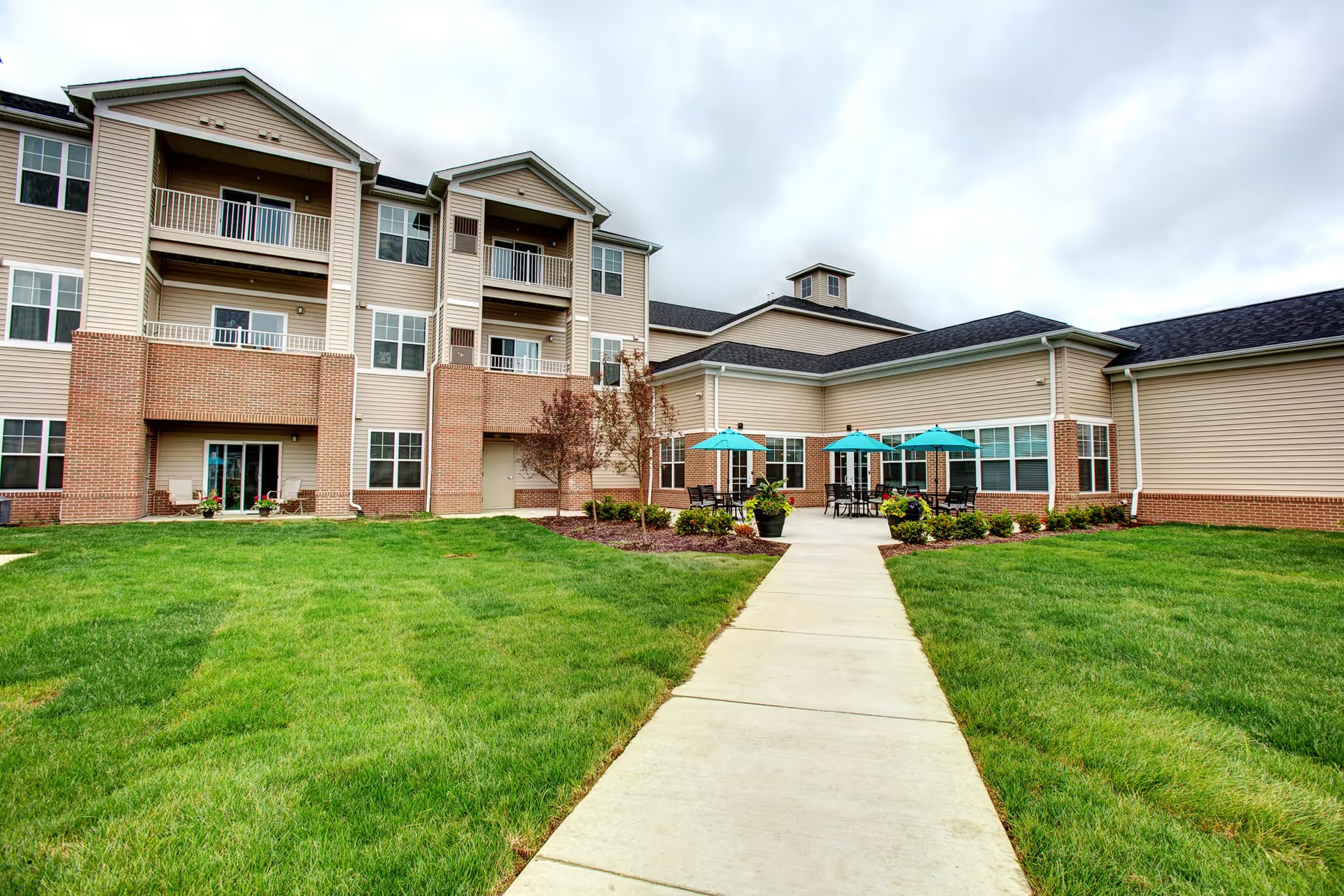
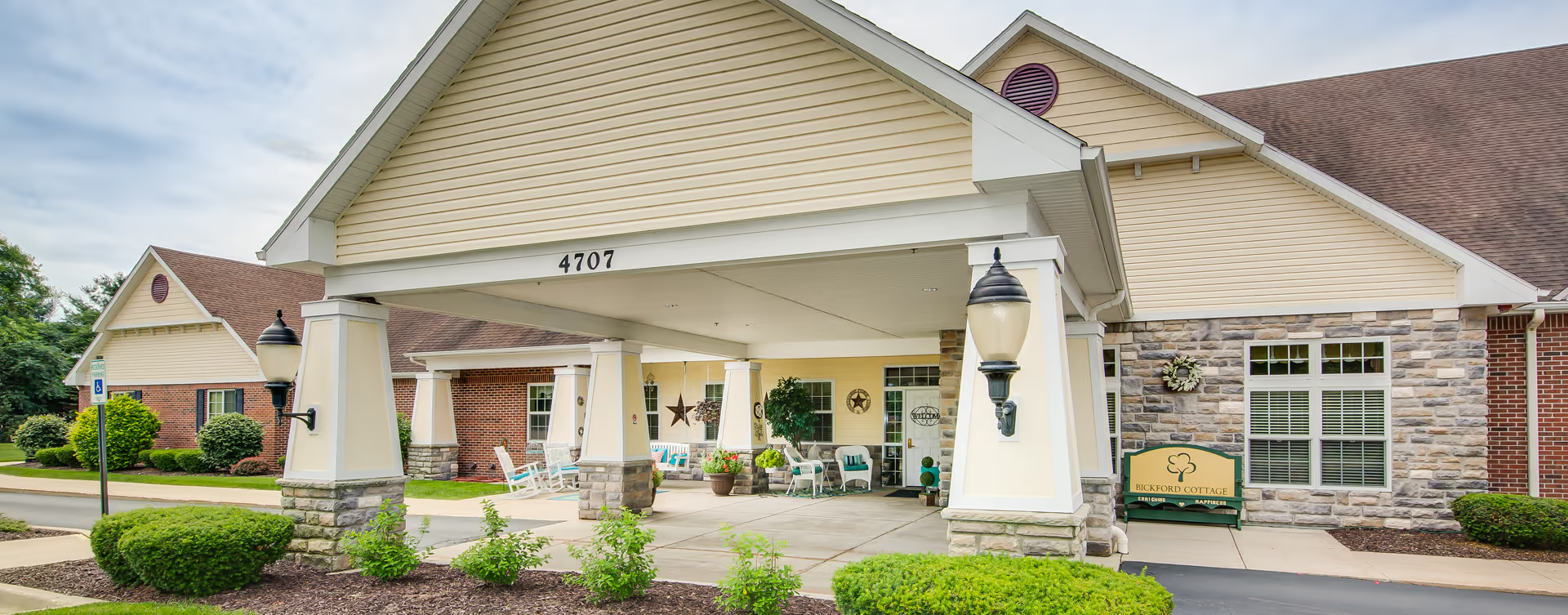
Brookdale Portage presents a strong physical and programmatic profile: many families describe an attractive, well-maintained campus with landscaped grounds, multiple small dining neighborhoods, generous private rooms with walk-in bathrooms, and a range of on-site amenities (fitness center, indoor pool/spa, indoor walking track, physical therapy, salon). The neighborhood-style unit model and multiple small dining rooms create intimate social settings that many residents and families find welcoming. Placement staff and front-desk teams are frequently praised for being professional and helpful, and maintenance and common areas are often described as clean and well cared for.
Staffing and direct care draw mixed but important themes. Numerous accounts emphasize compassionate, attentive aides and engaged activity directors who foster socialization and individualized engagement. At the same time, a recurring pattern indicates staffing shortages, high aide turnover, and variability in day-to-day care delivery. This variability manifests as inconsistent assistance with bathing and other ADLs, slower-than-expected responses to call lights, and instances of medication-management lapses. Prospective residents should evaluate staffing levels for the specific unit and observe care routines during tours, particularly at meal times and during shift changes.
Dining and activities are generally strengths: Brookdale Portage offers multiple dining venues, a Culinary Arts–style program, healthy options, and a broad calendar of activities (exercise classes, outings, ice-cream socials, music and entertainers). Activity directors are frequently described as energetic and effective at engaging residents. However, food quality is described variably — some families praise meals while others find options inconsistent or insufficient for special diets such as carbohydrate-controlled/diabetic needs. Confirming menu options and dietary accommodations in advance is advisable.
Management, billing, and communication are areas where reviewers indicate clear variability. Several families report opaque billing practices, unexpected service charges, and the need for close oversight of invoicing. Others note gaps in management responsiveness and coordination — for example, inconsistent follow-through on orders, slow or unclear family notifications, and uneven communication between clinical staff and families. These operational gaps can amplify concerns when clinical issues arise; some families described serious clinical concerns and raised questions following adverse outcomes. Prospective families should request written billing explanations, ask about fee structures for ancillary services, and clarify how the community notifies families about clinical events.
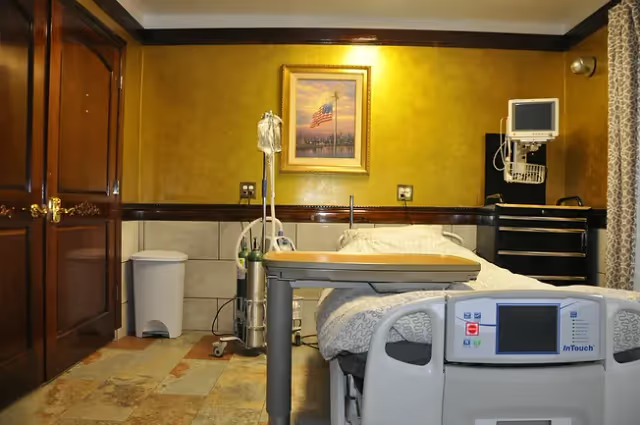
Memory care and higher-acuity needs warrant particular scrutiny. Some reviews highlight a capable memory-care unit with dedicated staff and strong programming; others describe inconsistent dementia-care skills among direct-care staff, insufficient redirection techniques, and environmental factors (alarms, layout) that contributed to family concern. If memory care or progressive care needs are anticipated, arrange focused observations of staff interactions with residents living with dementia and ask about staff training, supervision, and turnover in that unit.
Bottom line: Brookdale Portage offers many physical and programmatic advantages — attractive facilities, robust activities, on-site therapy and fitness options, and numerous families report positive, caring staff interactions. However, pattern-level concerns about staffing consistency, clinical coordination (including medication administration and bathing/ADL support), billing transparency, and variable dementia-care expertise suggest the community may be a stronger fit for residents with lower-to-moderate care needs unless families confirm current staffing and clinical protocols meet higher-acuity requirements. Visitors should tour multiple times, observe staffing during active periods, request specific documentation on billing and clinical procedures, and assess how the community accommodates diet and dementia-specific needs before finalizing placement.