The reviews present a split picture: several families describe positive day-to-day experiences—friendly, welcoming staff, home-style meals, varied activities, pleasant outdoor spaces, and policies that support privacy, independence and pets—while a distinct set of concerns centers on memory-care operations, management stability, and financial transparency.
Care quality appears inconsistent across service lines. Independent living and some short stays received praise for respectful caregiving, cleanliness, and a supportive social environment. In memory care, however, multiple reviewers described understaffing, delays in routine care (including assistance with meals and toileting needs), and uneven follow-through on written care plans. There are also recurring concerns about medication administration and documentation, as well as inconsistent handling of clinical incidents and transfers to emergency care. Several families found hospice involvement helpful when available.
Staff observations are mixed. Many reviewers commended individual caregivers as kind, patient, and informative, and noted a welcoming admissions experience with accommodations such as virtual visits. At the same time, high staff turnover and frequent changes in directors or clinical leadership were repeatedly cited, and some reviewers raised concerns about staff conduct, professional boundaries, and inconsistent performance—issues that appear to be amplified during night shifts or when leadership is in transition.
Dining and activities are generally viewed as strengths. Reviewers highlighted home-cooked meals, a variety of menu options, regular activities, and an atmosphere that can foster friendships and engagement. These programmatic elements contributed to positive impressions for residents who were able to participate regularly.
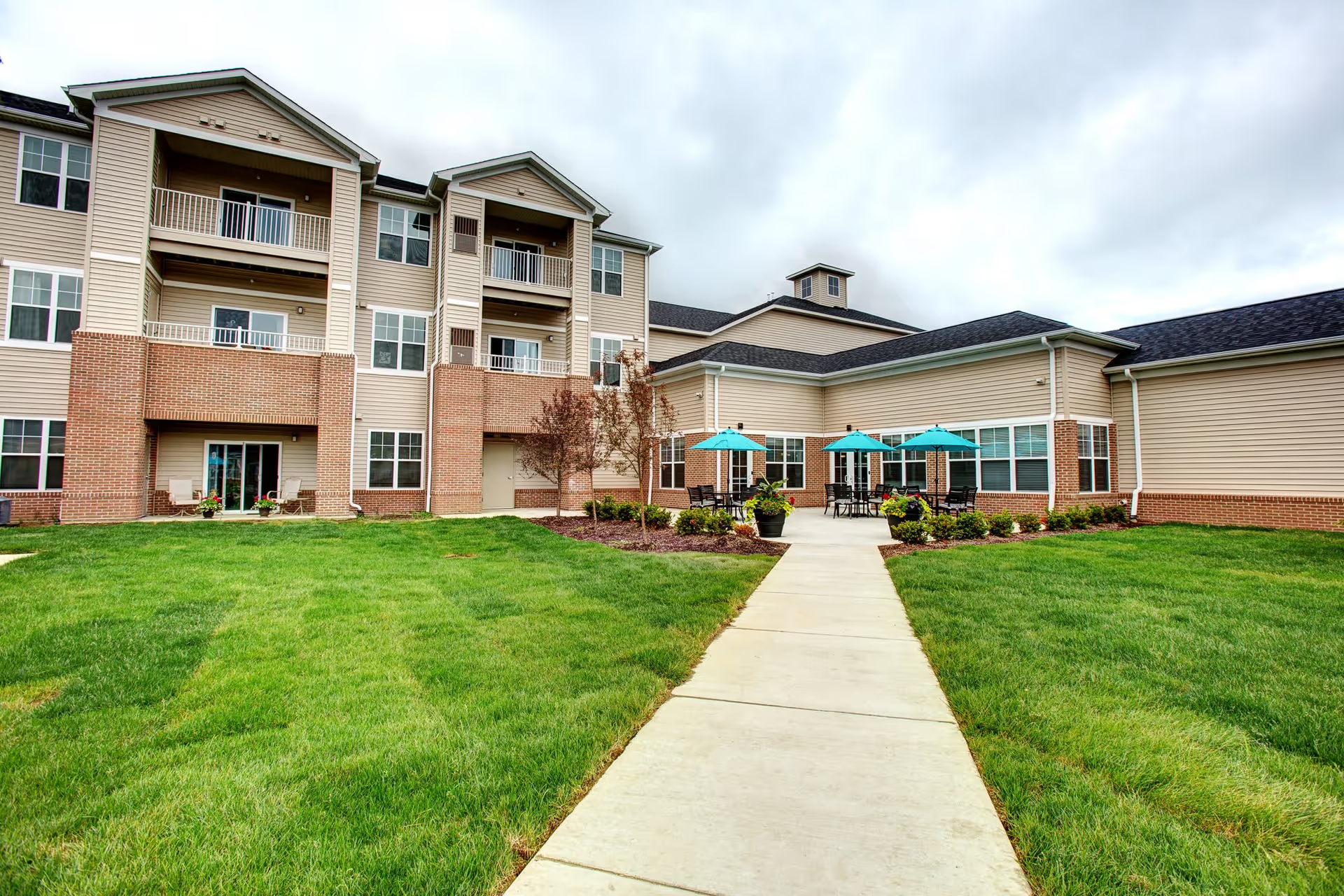
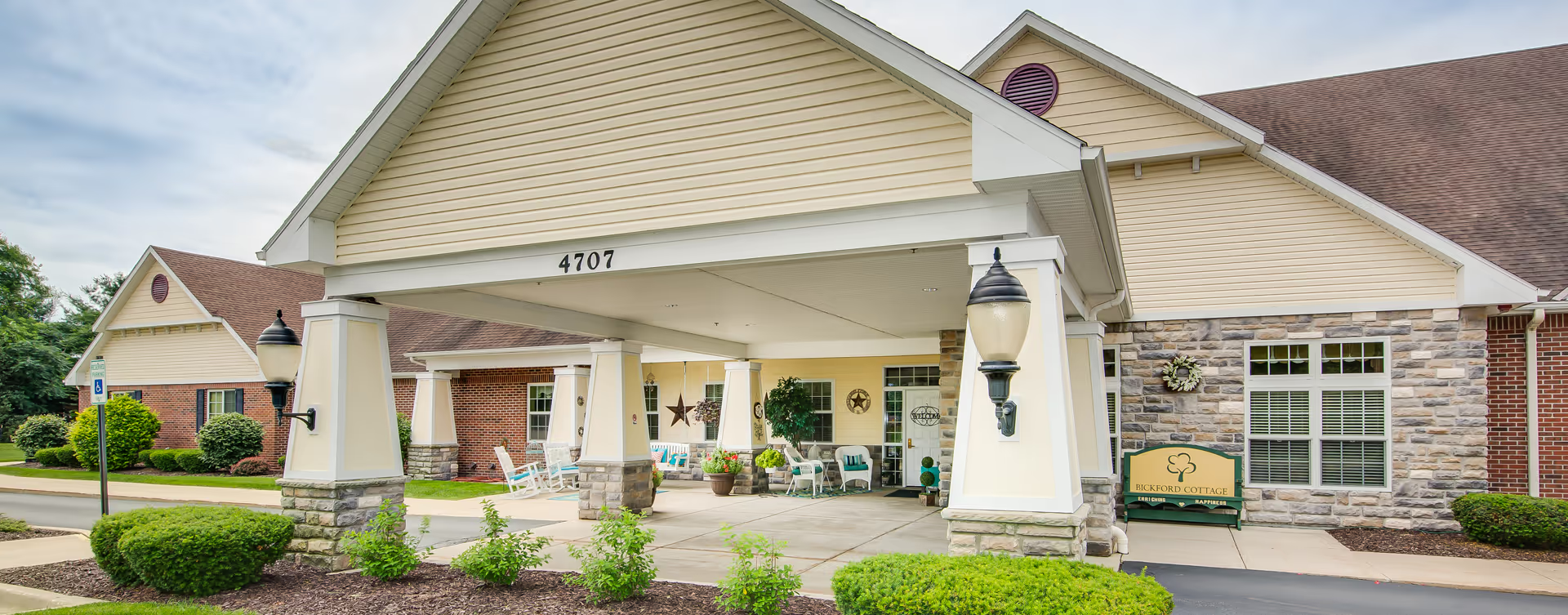
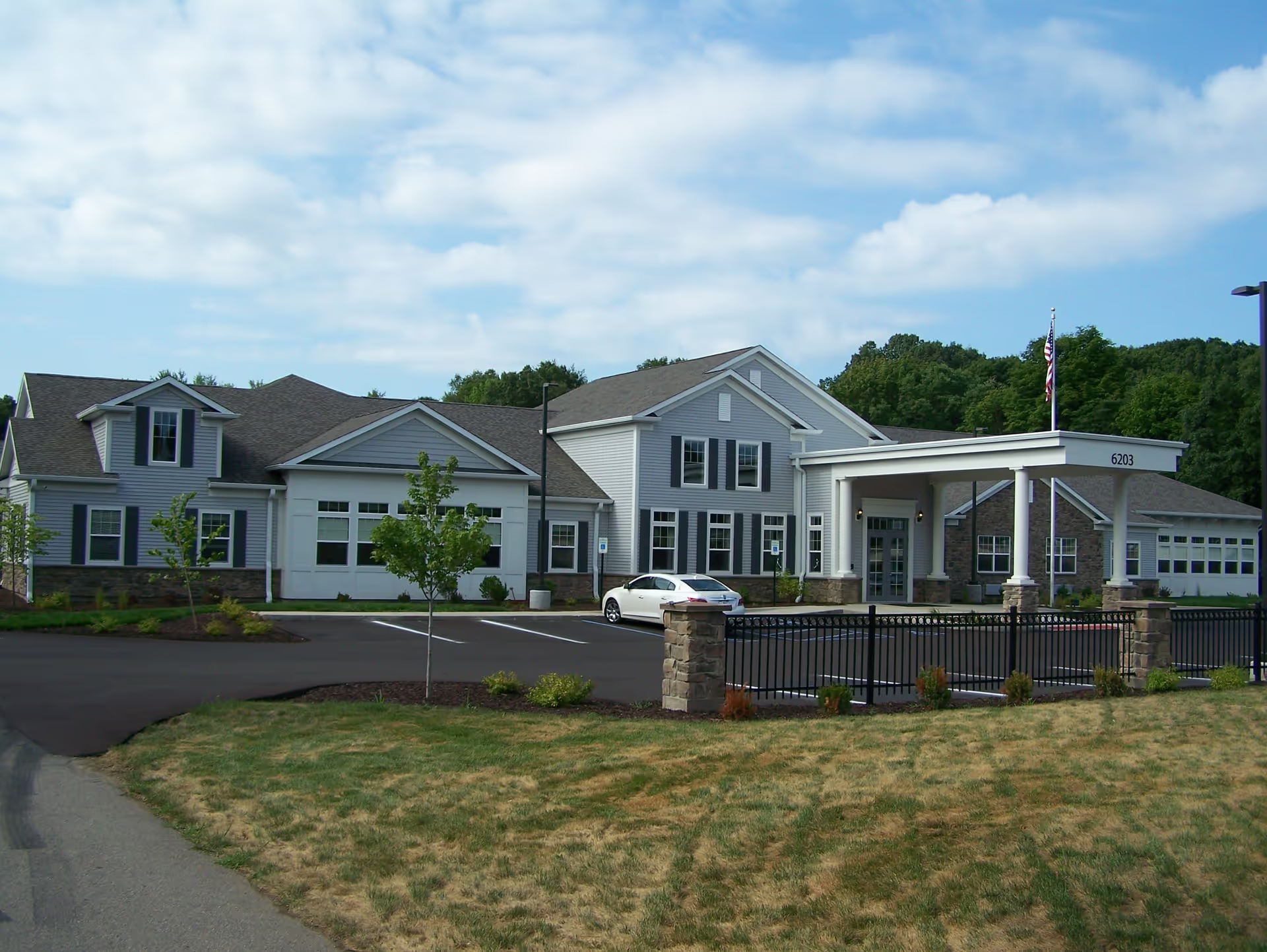
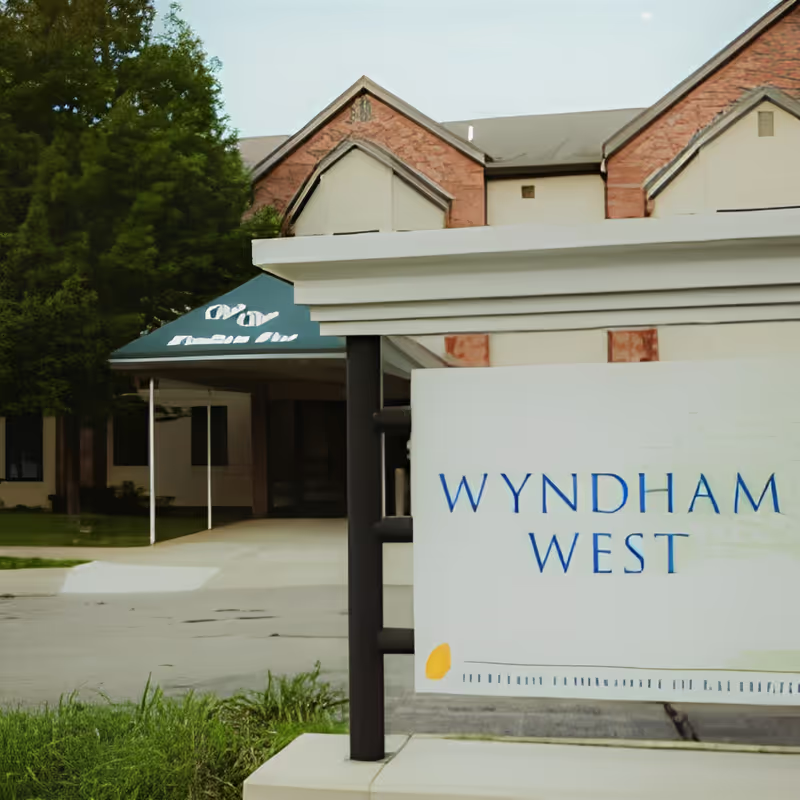
Facility features receive mixed comments: the building layout, gardens, and outdoor spaces were praised, and the community was described as home-like by many. Nevertheless, there are sanitation and incontinence-care concerns cited in several accounts, along with isolated maintenance and property-damage disputes that have financial implications for families.
Management and administrative patterns are a focal point of dissatisfaction for some families. Themes include opaque pricing and billing practices, contract and deposit handling inconsistencies, delayed or inadequate communication following incidents, and perceived prioritization of revenue over individualized care. Conversely, a few reviewers noted improvements after leadership changes and described admissions staff as non-pushy and transparent.
Notable patterns for prospective families: memory-care operations appear to be the area with the most variability and risk—ask specifically about staffing ratios, night-shift coverage, turnover rates, and how care-plan adherence is audited. Verify medication-administration procedures, incident escalation protocols, and cleaning/incontinence-care practices. Also request clear, written explanations of pricing, damage-liability policies, deposit/refund terms, and what triggers additional charges. A targeted tour focused on the memory unit, conversations with current family members if available, and documentation of care expectations are advisable before placement.