The reviews present a mixed picture of Hudson's Country Manor. A consistent positive theme is the quality of frontline care and the facility environment: reviewers describe staff as empathetic, helpful, and respectful, and they note a well-maintained, quaint facility in a convenient location with generally strong service. The operation’s family-owned character and an expressed emphasis on respect between staff and residents are also cited as strengths.
Care quality appears to be uneven in perception. Many comments praise individual caregivers and the day-to-day interpersonal interactions residents receive, which suggests strong person-to-person engagement at the staff level. However, there are also concerns about consistency and continuity of resident-centered care. Reviewers conveyed that organizational issues and workplace tensions can affect how reliably those positive interactions are sustained, which may lead to variable experiences depending on timing and staffing.
Information about dining and activities is limited in the available summaries. The phrase "impeccable service" implies reliable service delivery, but there are few specifics about menu quality, dining routines, or the scope and frequency of scheduled activities. Prospective families should request current activity calendars and observe a mealtime during a visit to evaluate those areas directly.
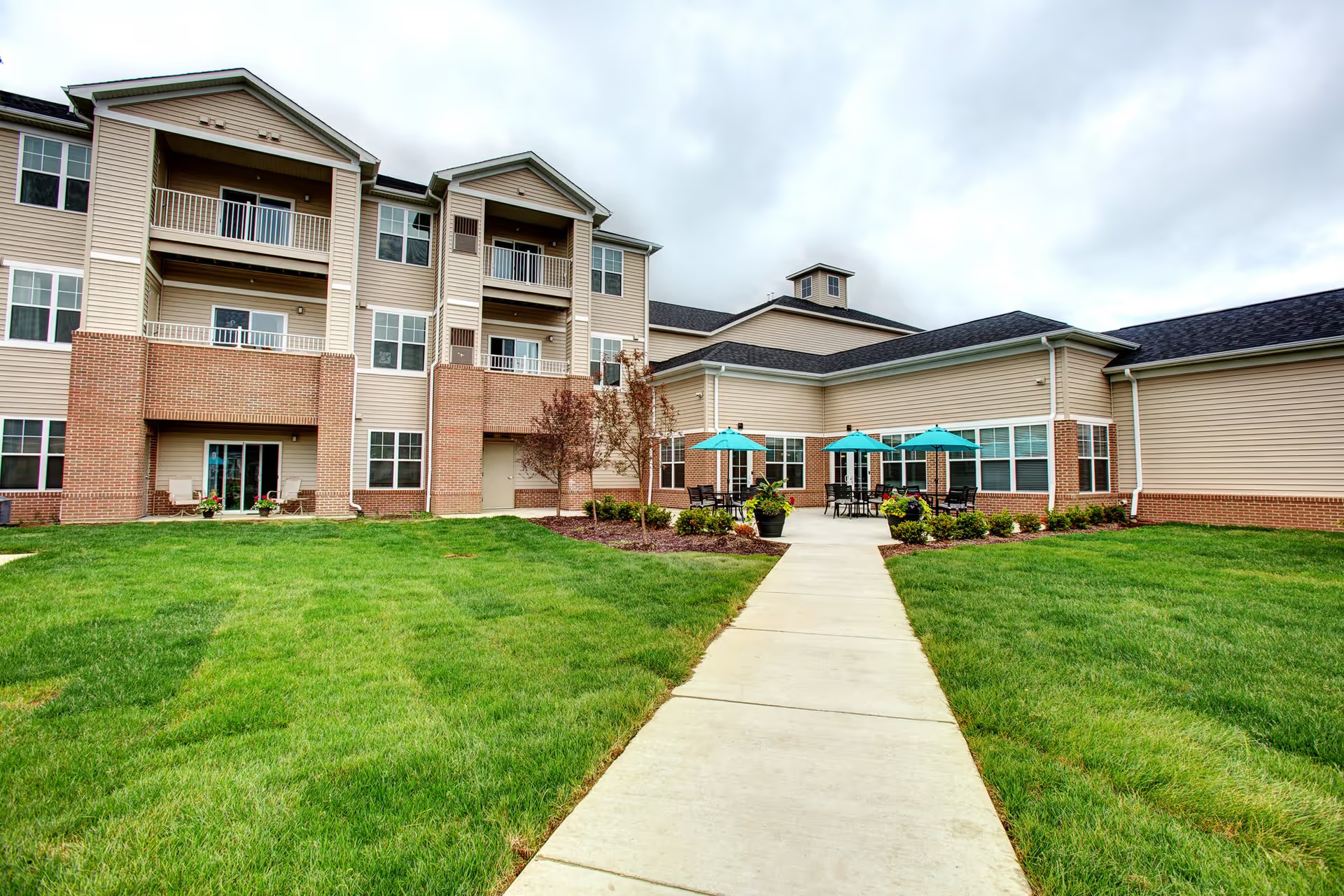
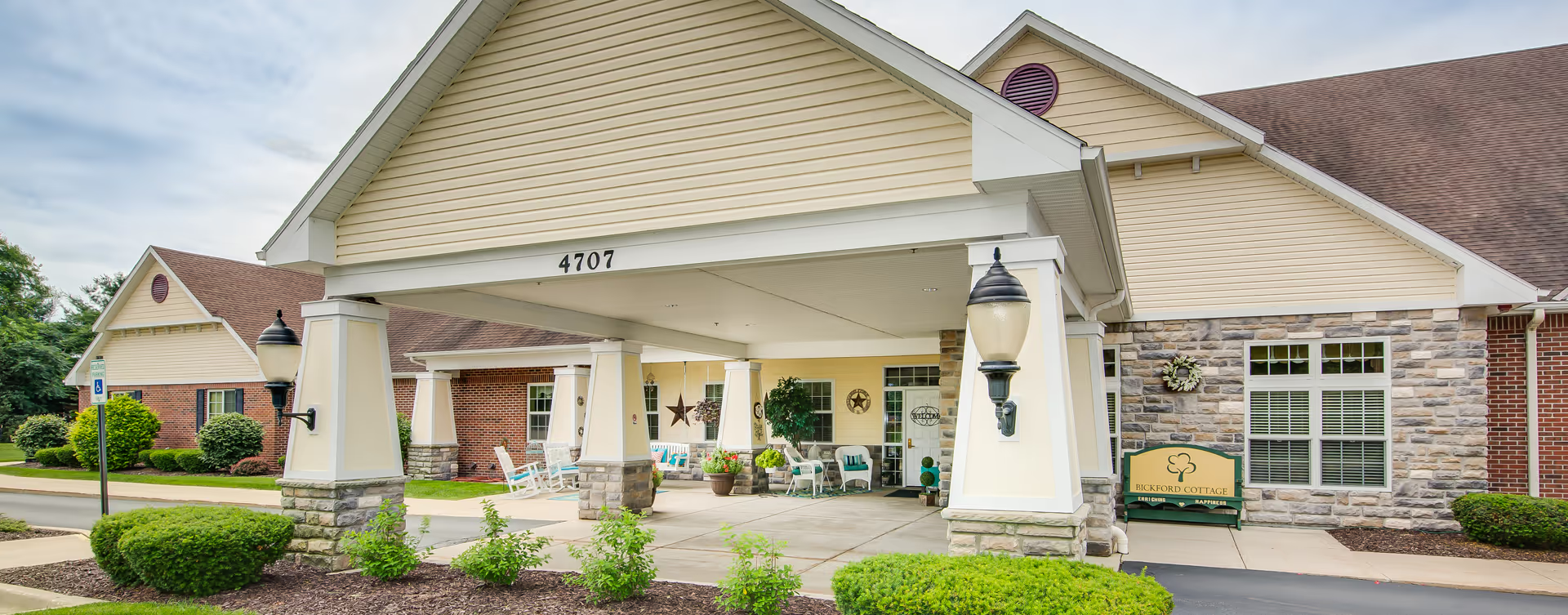
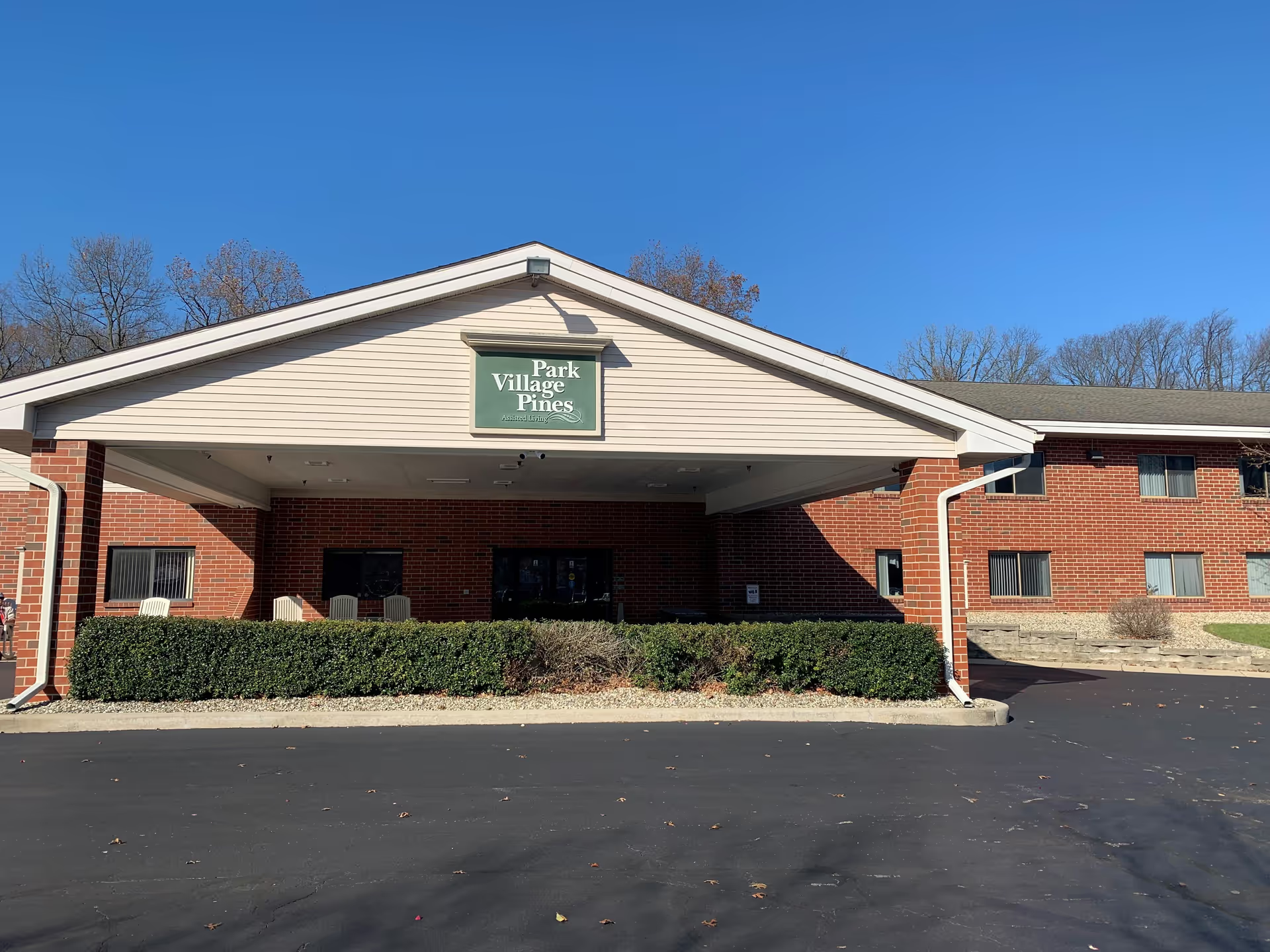
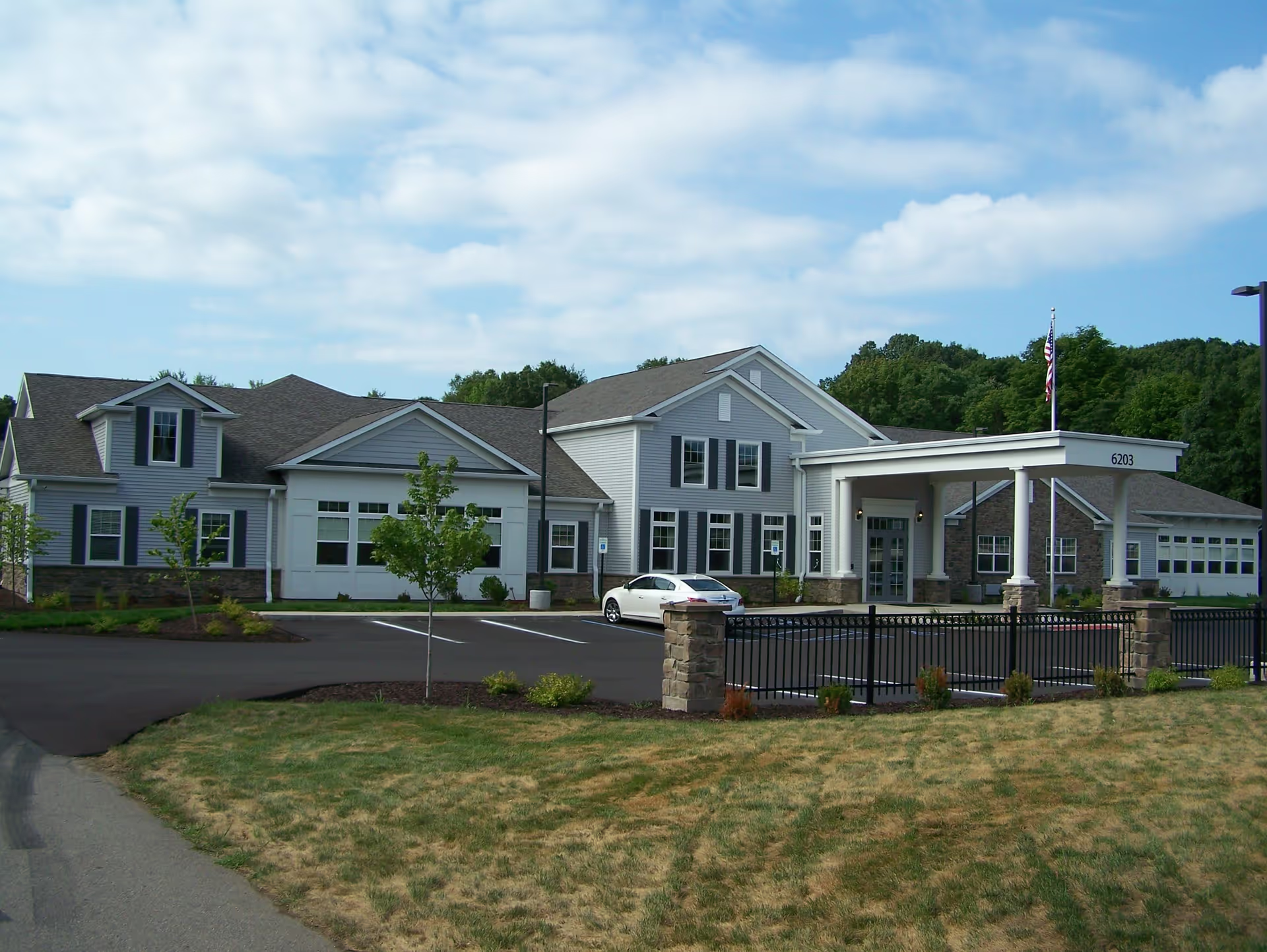
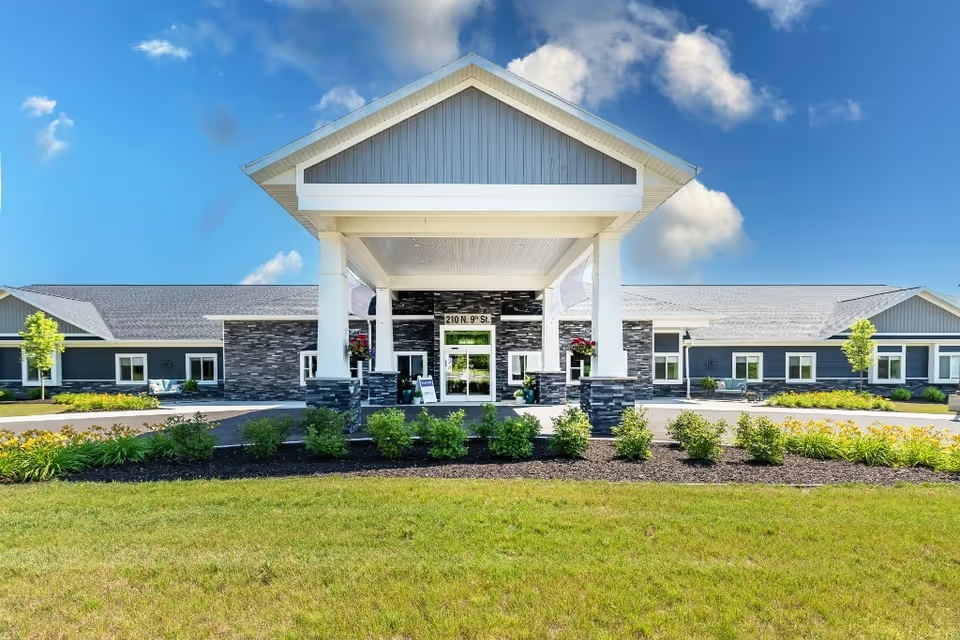
The facility itself is described positively as tidy and quaint, with good proximity to essential services. These attributes support a homelike atmosphere and appear to be a strength of the location. Cleanliness and upkeep were specifically noted as favorable aspects.
Management and ownership emerge as the principal area of concern. Several reviewers criticized management behavior and direction, describing perceived prioritization of financial goals over care priorities, limited hands-on oversight from owners, and an unprofessional or challenging workplace environment for staff. There are also references to restrictive visitation practices since March 2020; while such policies are often related to infection-control decisions, their implementation here was perceived as inflexible by some families and staff. There are also accounts of staff departures and strained relations with leadership, which can contribute to turnover and uneven service continuity.
Overall, the pattern to note is a clear distinction between supportive, well-regarded frontline staff and substantive criticisms directed at oversight, ownership priorities, and workplace culture. For prospective residents and families, recommended follow-ups include asking about current staffing levels and turnover, management involvement in daily operations, recent changes since any ownership transition, current visitation policies, and direct observation of care, activities, and meals during an unannounced visit. These targeted inquiries can help determine whether the facility’s strengths align with a prospective resident’s priorities and whether management concerns have been addressed.