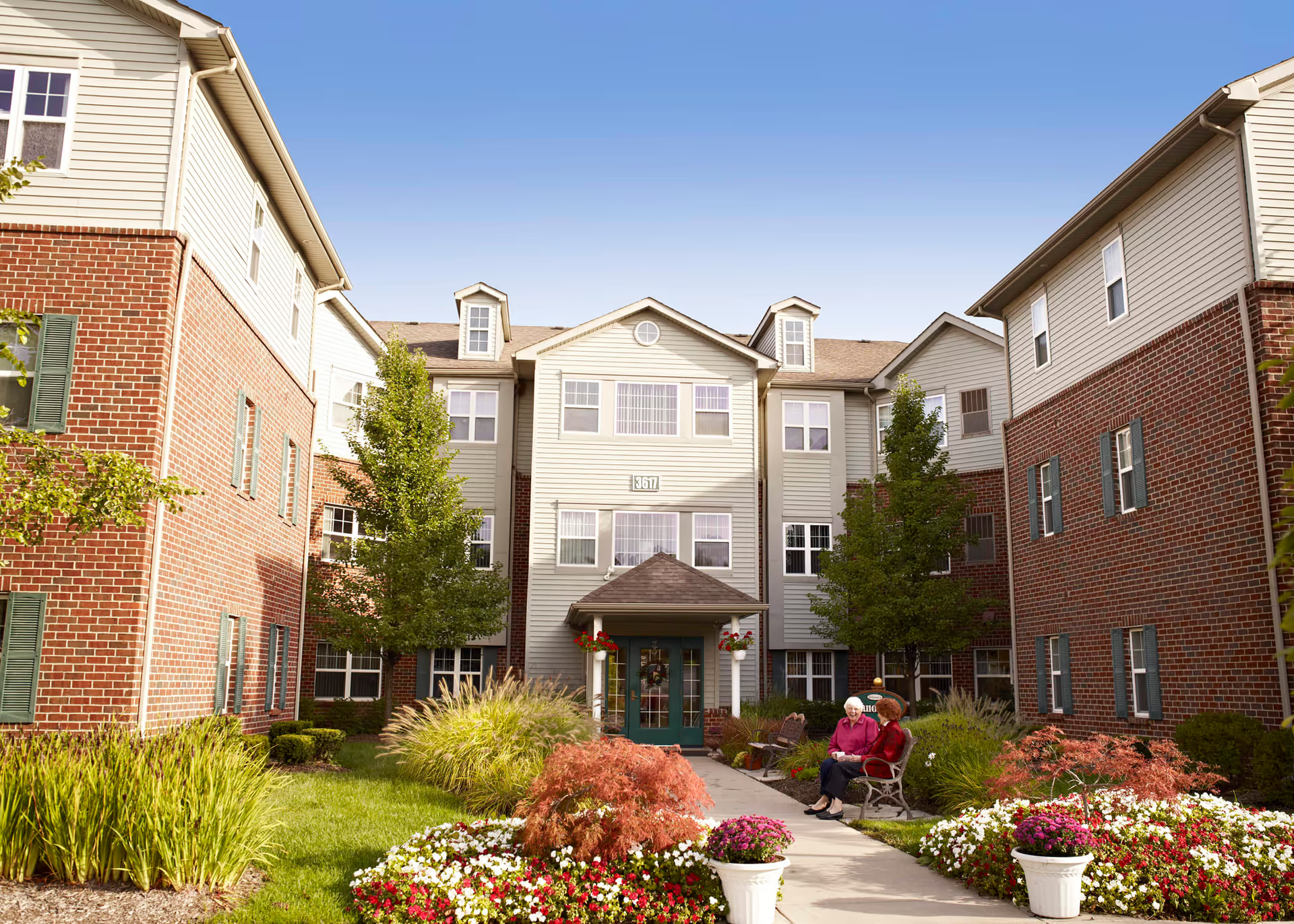
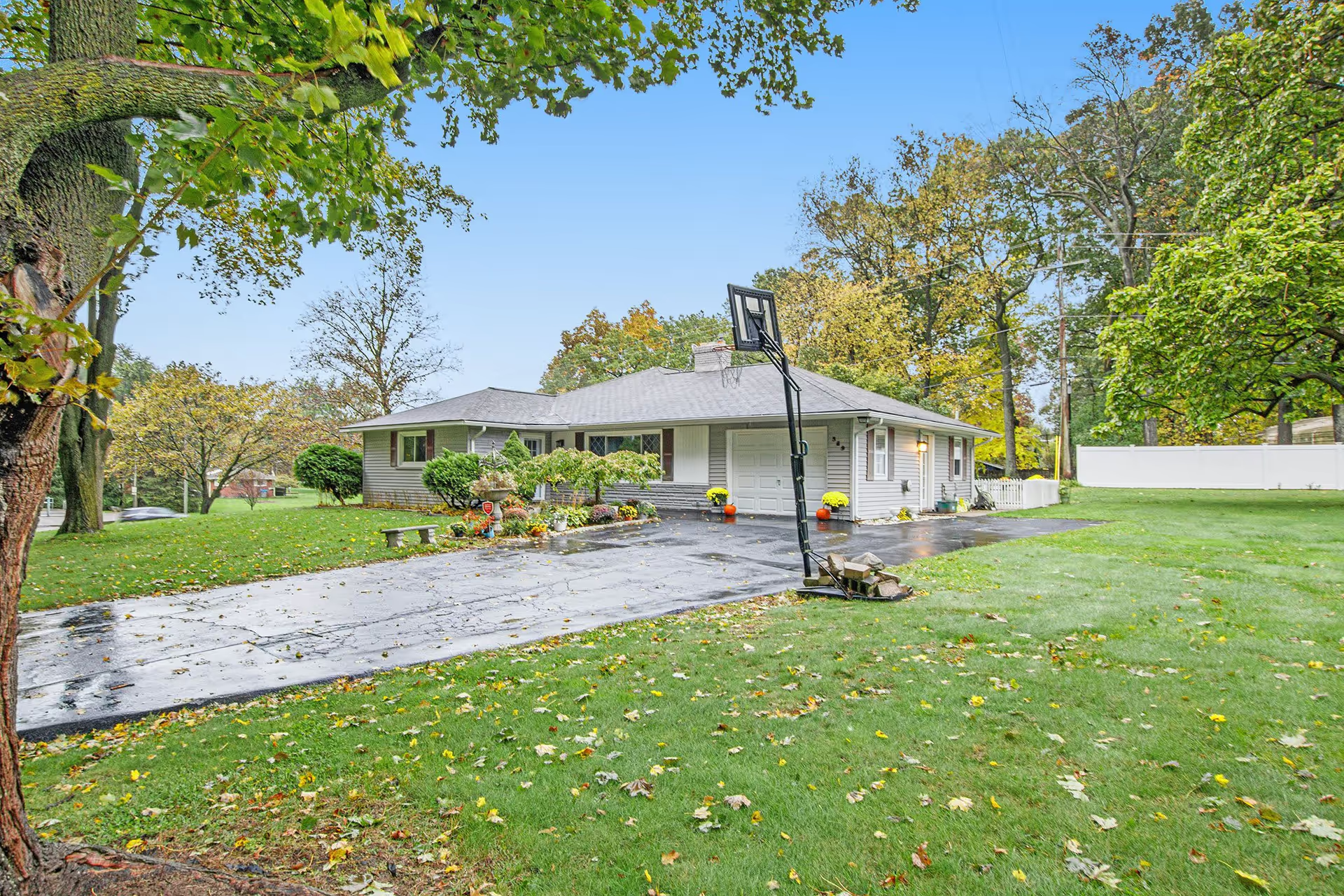
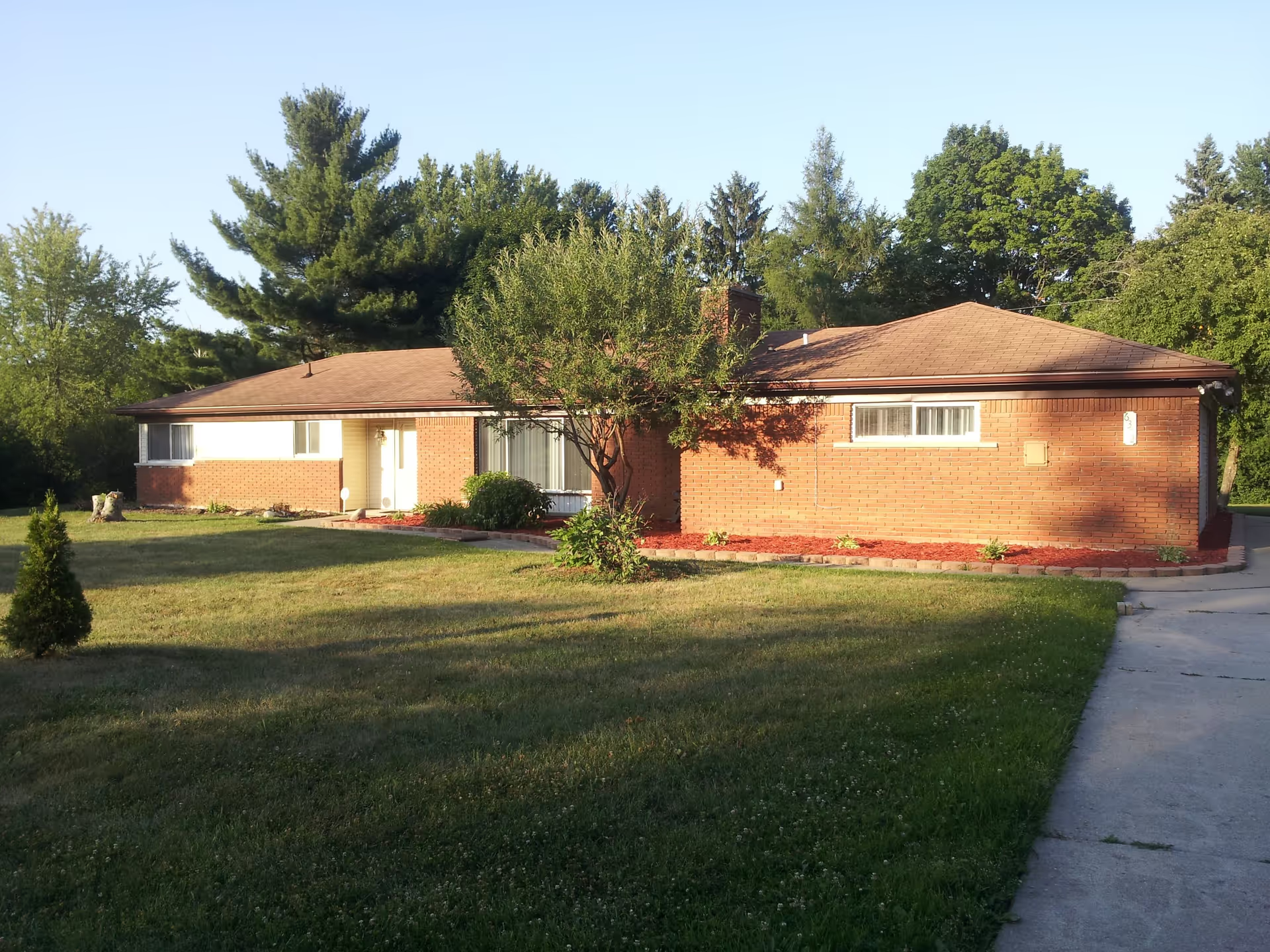
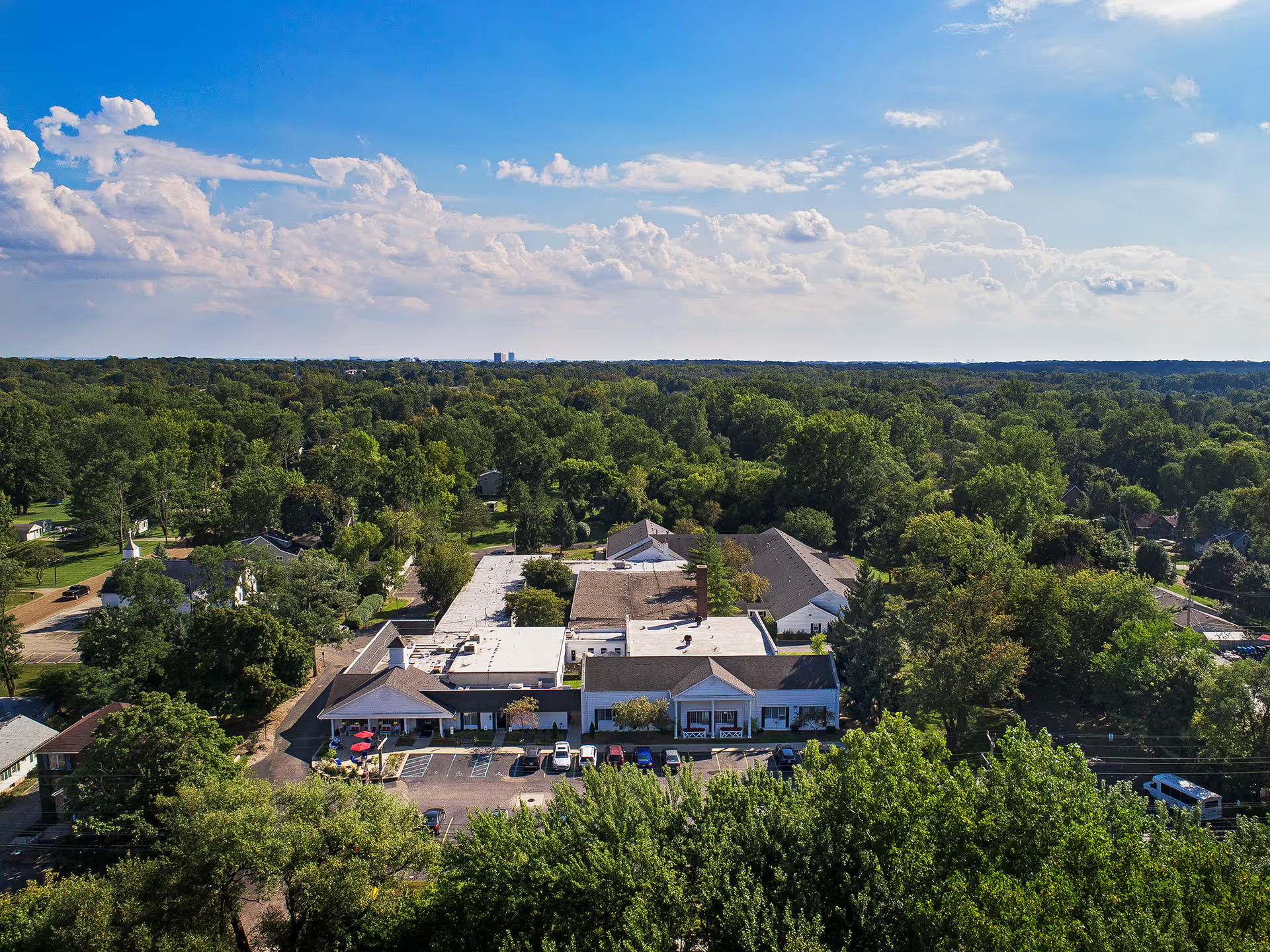
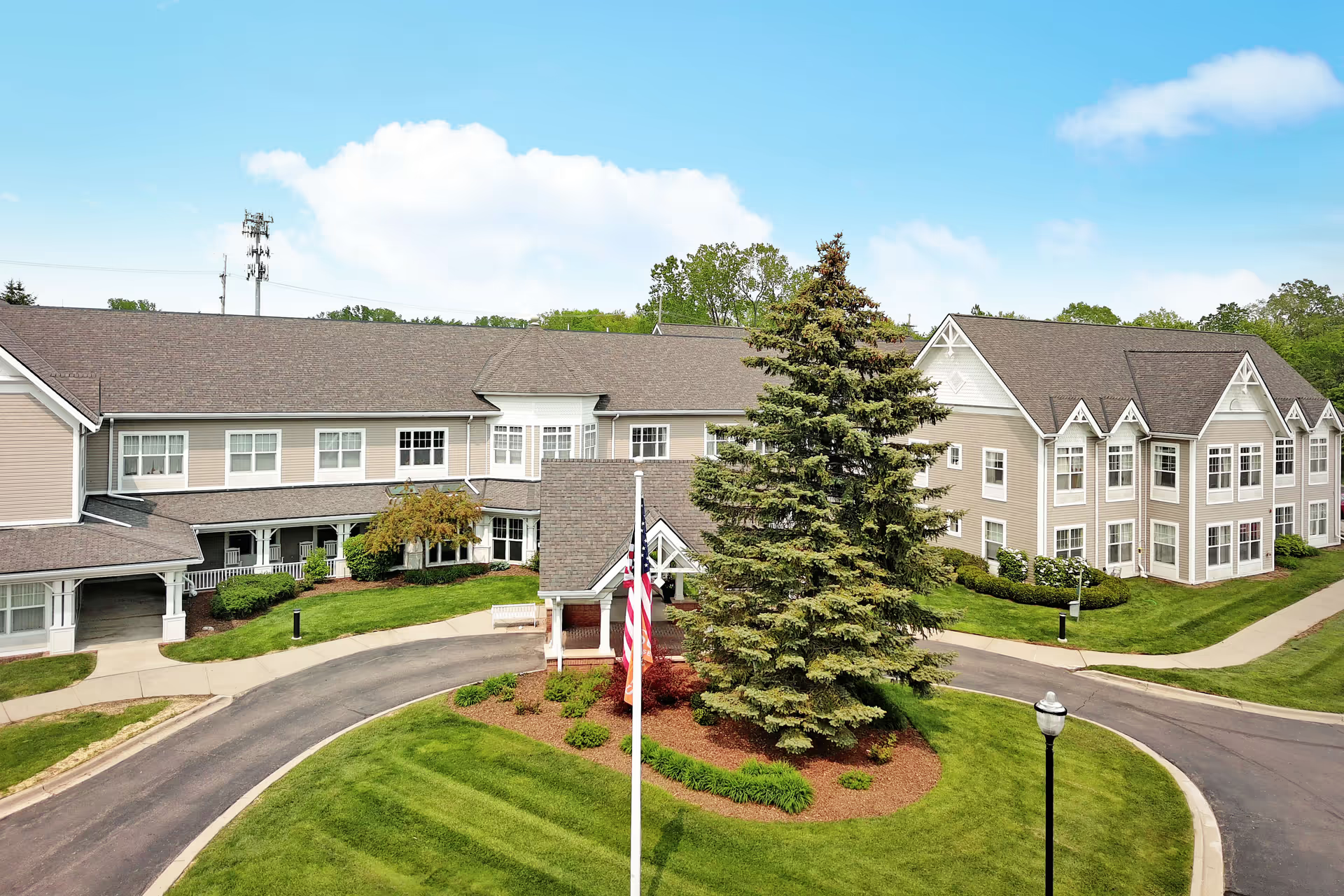
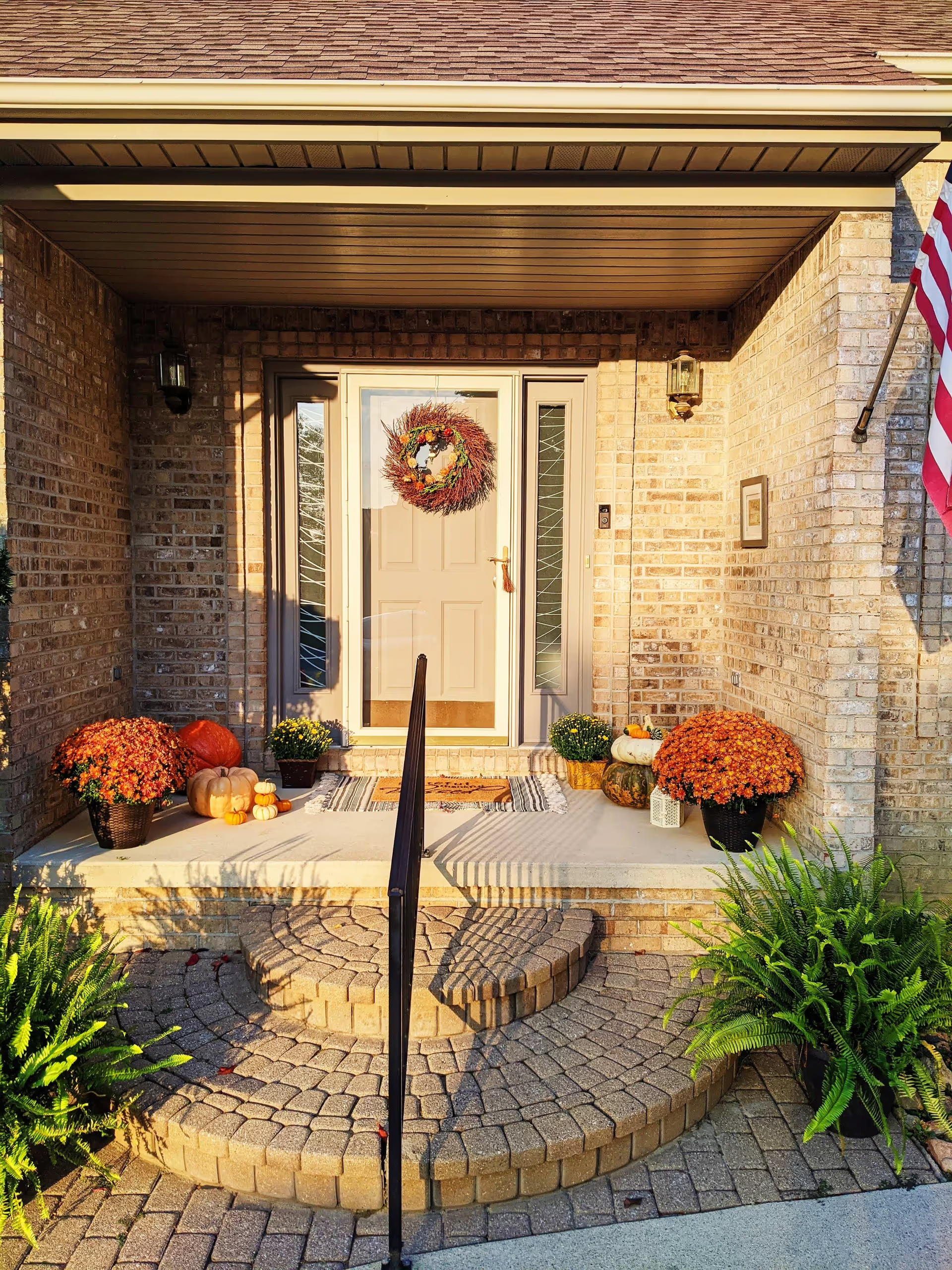
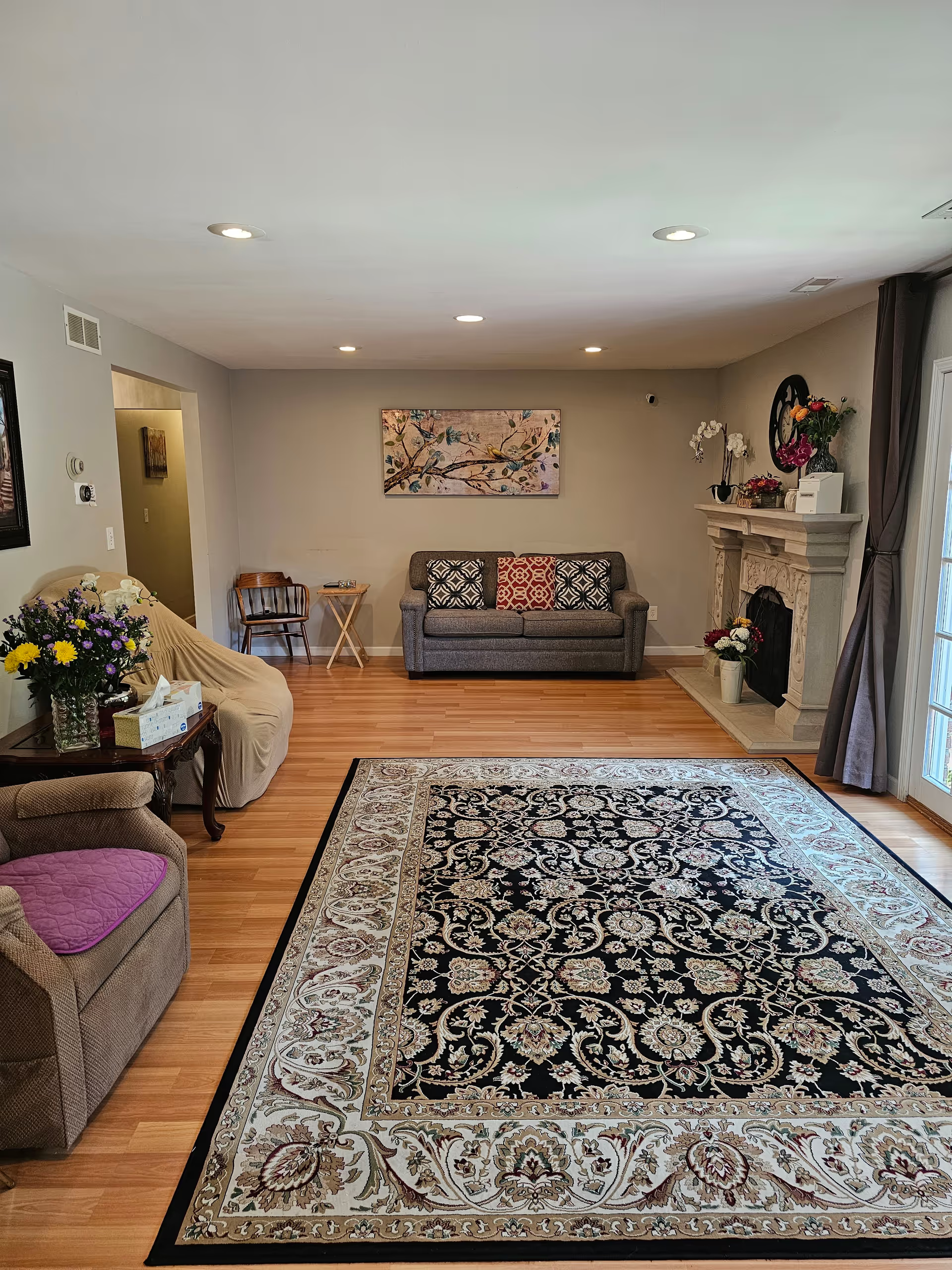
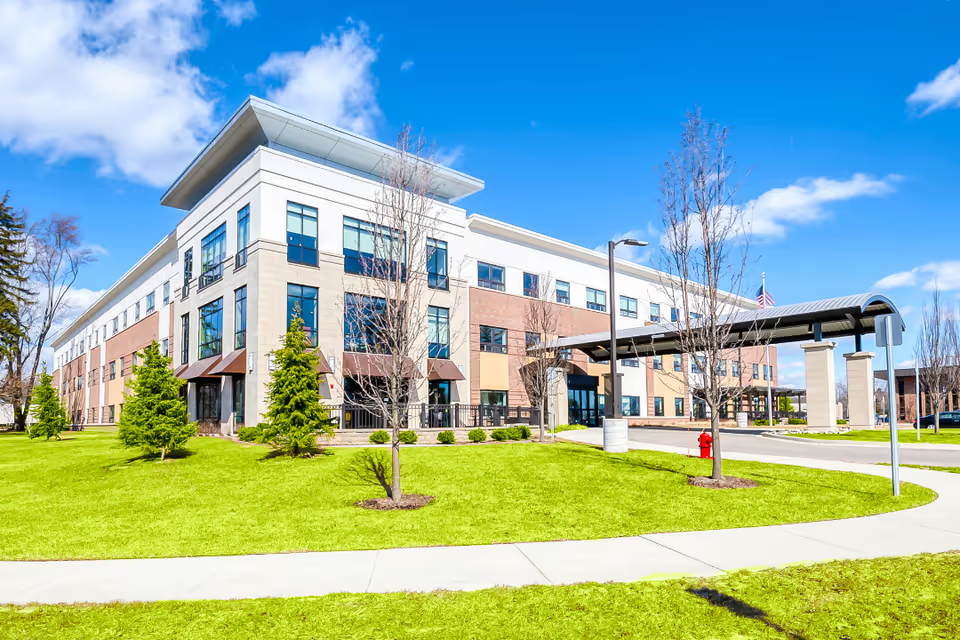
Overall impression: American House Freedom Place Rochester presents as a new, well-appointed memory-care community with many features that families value. The building is described as bright, clean, and homelike, with thoughtful interior design, spacious private and semi-private suites, and accessible single-floor layouts. Outdoor courtyards, patios, and several on-site amenities (hair salon, mobile dentist, bistro, media room) contribute to a campus-style feel. Security measures such as controlled entry/exit are consistently noted and support a sense of safety for residents with cognitive impairment.
Care and staff: Care quality is frequently praised, with multiple comments about compassionate, attentive caregivers and an overall culture of resident-centered attention. Families reported regular communication, timely updates, and helpful maintenance and support services. Several accounts highlight strong knowledge of dementia care, effective hospice coordination, and individualized attention that helped residents transition and settle. At the same time, there is a recurring pattern of staffing instability: reviewers mentioned high turnover, occasional understaffing, and leadership inconsistency. These operational issues appear to influence night coverage, responsiveness, and continuity of care for some residents.
Dining and activities: Dining receives mixed but generally positive feedback. Many families praise home-cooked meals, family-style dining options, and holiday events; specific meals were cited as comforting and well-prepared. However, other comments point to variable meal quality and occasional service delays or an institutional impression to some dishes. Activities programming is a definite strength when active: an energetic activities director runs a broad calendar (music of various genres, crafts, puzzles, games, interactive workstations), and families frequently credit the program with improving resident engagement. A minority of accounts, however, note periods with limited activities or quiet common areas, suggesting variability in daily programming or staffing to support events.
Facilities and safety: The physical plant and amenities receive strong marks for cleanliness, organization, and décor. Personalized touches — resident photos, biographies, and memory-support displays — are valued for enhancing identity and social connection. Reviewers also noted practical design elements such as large bathrooms, well-sized rooms, and accessible hallways. Operationally, some families expressed concerns about supervision related to fall risk and transfer safety, and about overnight responsiveness; these are operational traits to probe during a visit. Additionally, a few reviewers noted underused outdoor areas and the absence of certain recreational amenities (gym, library) that may matter depending on resident preferences.
Management and patterns to watch: The overall tenor of reviews is polarized — many families describe an excellent, compassionate program and staff who go above and beyond, while a smaller set of accounts point to management and administrative concerns. Specific managerial issues include inconsistent communication tone, delays in financial matters, and at least one serious allegation involving theft or billing irregularities. These indicate variability in leadership and administrative processes rather than a single uniform experience. Prospective families should confirm current leadership stability, turnover rates, and financial policies, and ask how the community handles complaints and incident follow-up.
Recommendation for families touring: Observe mealtimes and an activity period, ask for staffing ratios (including overnight coverage), inquire about recent turnover and leadership tenure, request examples of fall-prevention and transfer protocols, and review billing and refund policies. Verify availability of specialized clinical services if the prospective resident has higher-acuity needs. Overall, this community offers many strong features for memory-care residents — well-designed spaces, active programming when fully staffed, and a caring front-line team — but families should validate operational consistency and administrative safeguards during their evaluation.