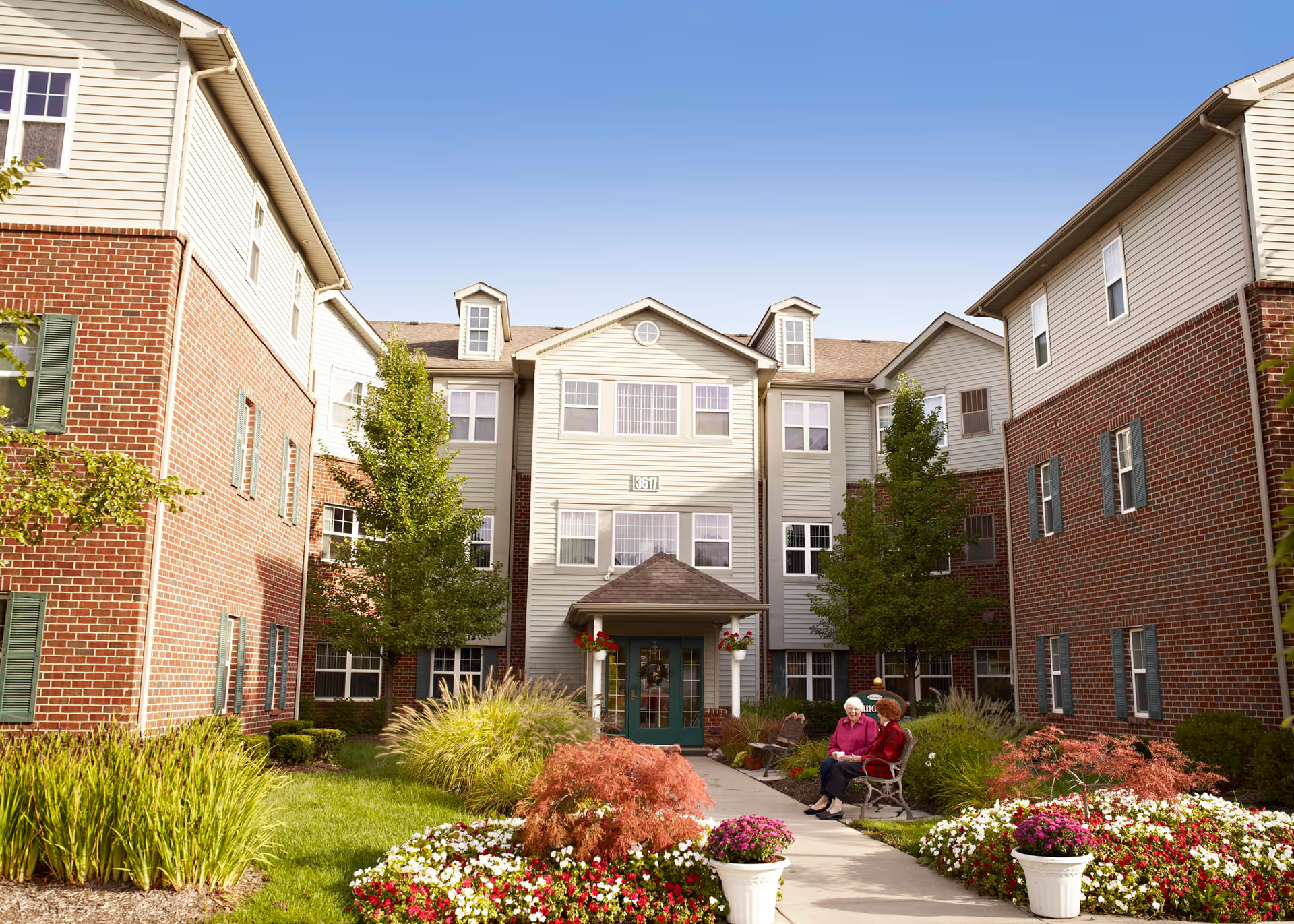
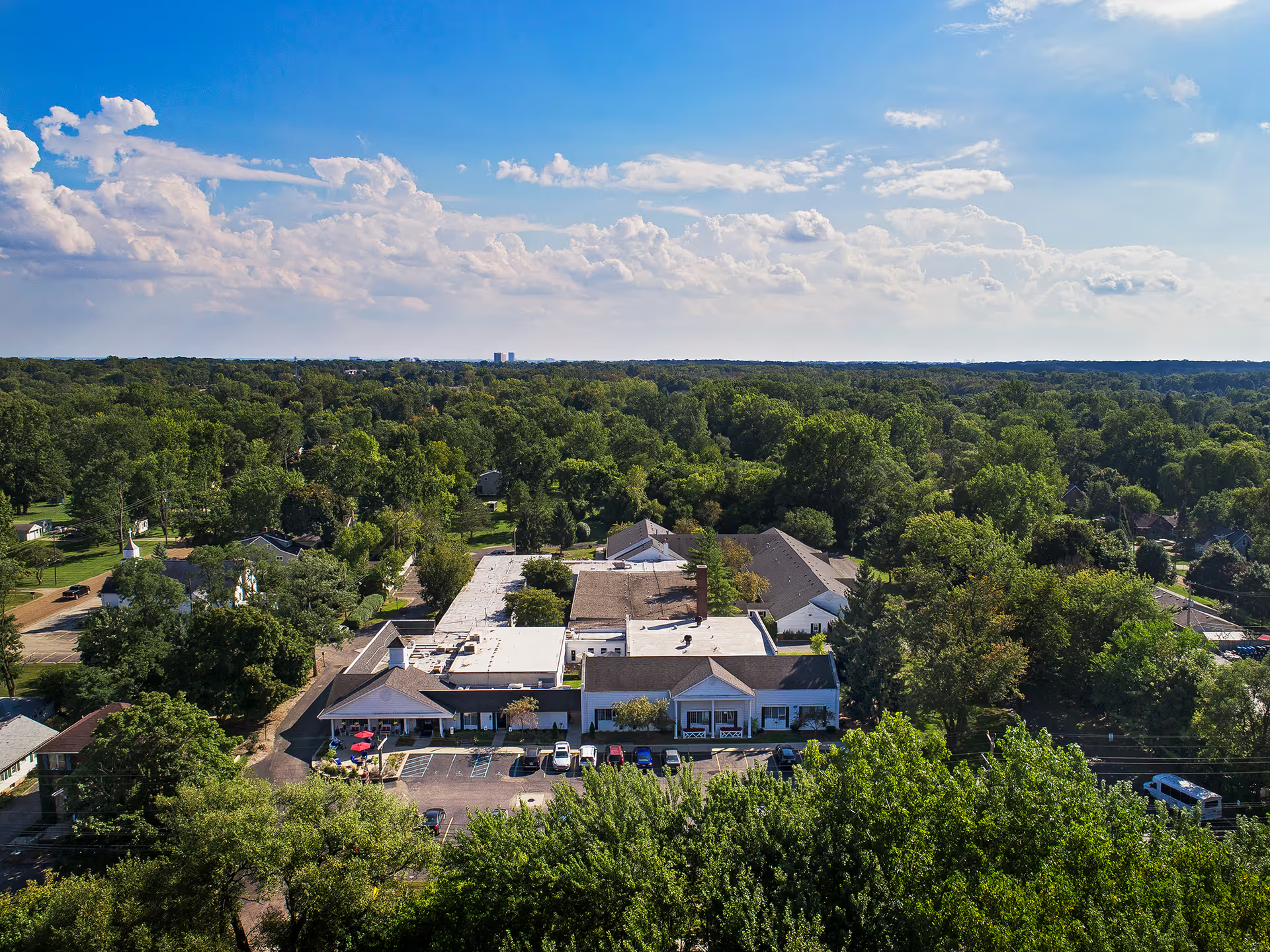
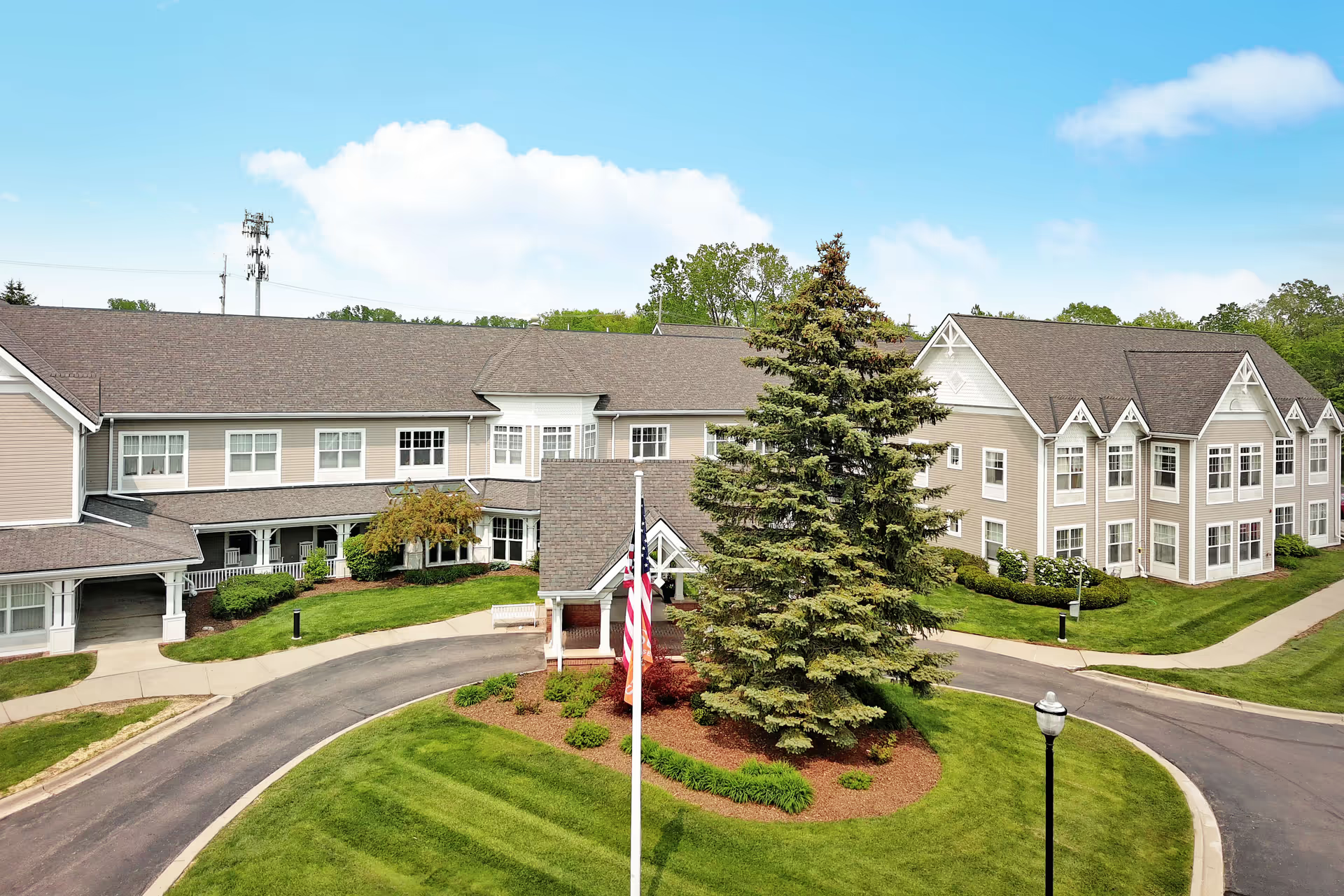
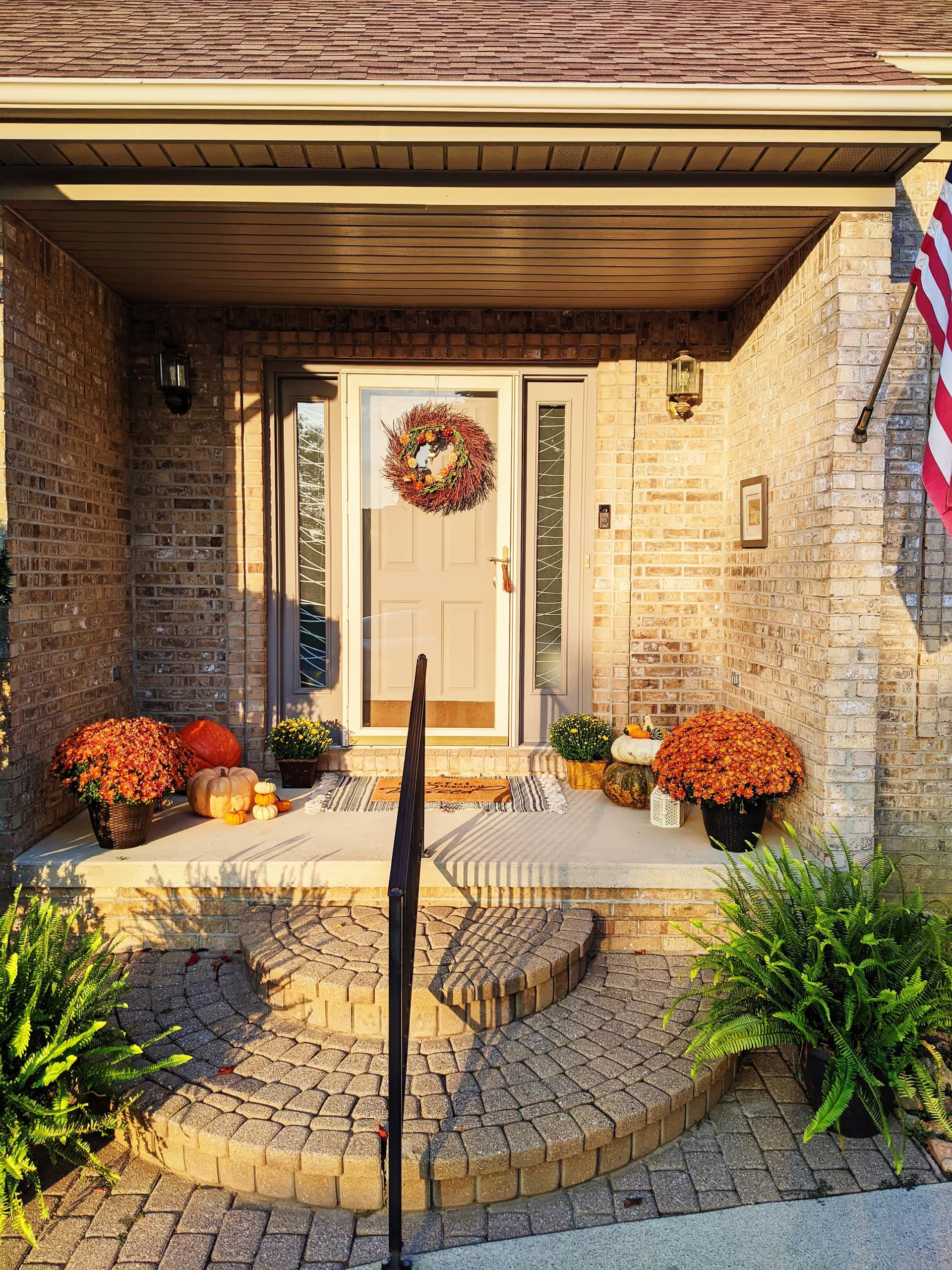
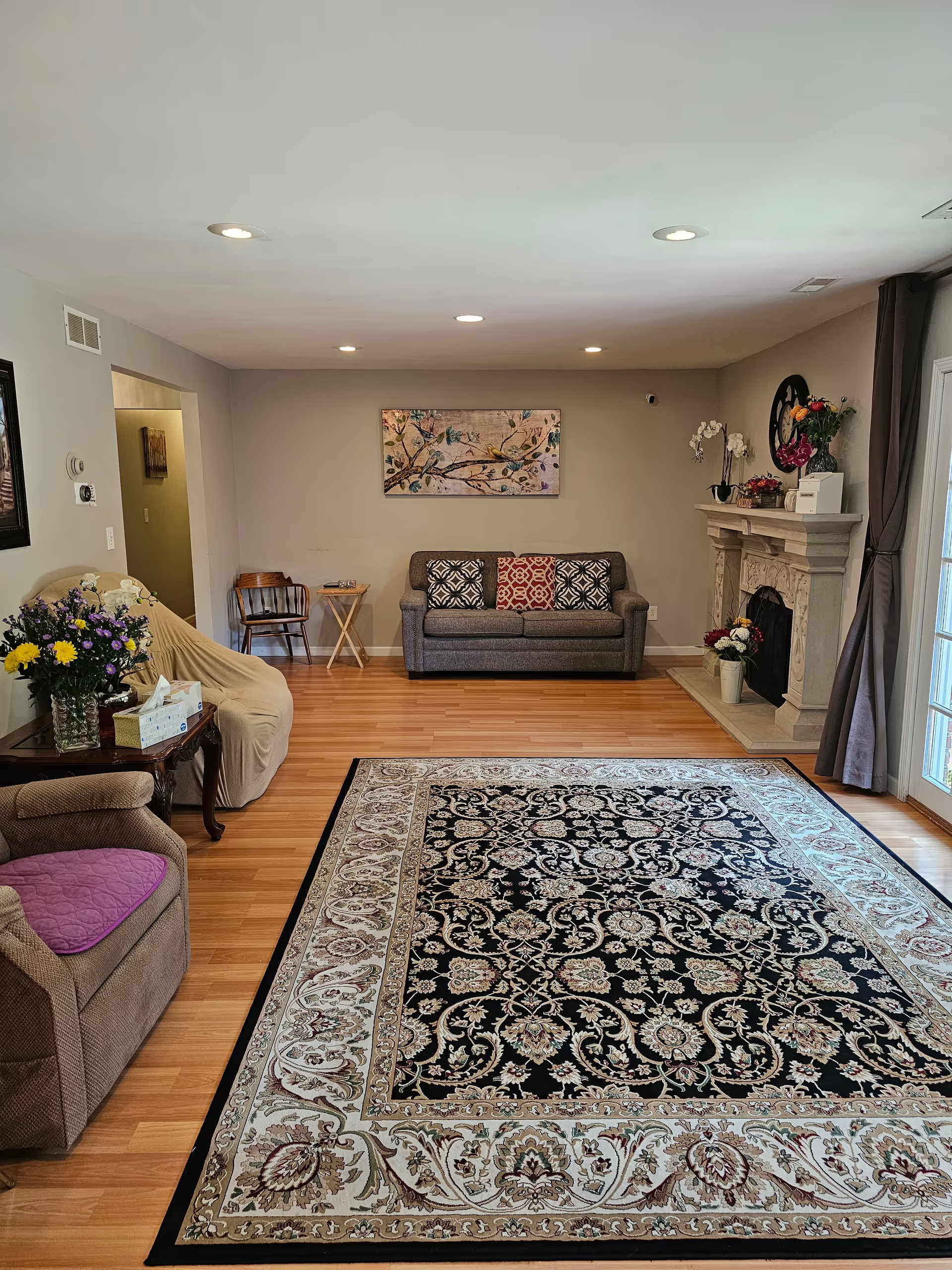
American House Stone presents a mixed but largely positive picture for prospective independent- and assisted-living residents. Strengths repeatedly described include well-maintained grounds and gardens, a range of apartment configurations (notably one-bedroom and larger studios), and comfortable, homey common areas. The single-floor layout and generally wide hallways support wheelchair accessibility, and the facility offers value-oriented pricing options including shared-room affordability. Several families highlighted proactive admissions staff, helpful transition support, and managers who follow up after tours and moves.
Care and staffing are frequent focal points. Many accounts praise attentive, personable caregivers who remember residents by name, coordinate medical transport and dialysis, and support short stays and rehab transitions. Onsite medical coordination and an engaged nursing/medical team were described as strengths by families who needed help navigating complications. At the same time, there are recurring operational concerns: reviewers raised issues about medication-management consistency and delays in responding to call buttons or emergencies, especially at night. Staffing stability was also noted as uneven, which can influence continuity of care.
Dining and activities offer clear positives but also practical limitations. The dining program is often described as appealing—good-tasting meals, three daily meals, boxed or to-go options, and social dining opportunities—while activities include music, crafts, bingo, exercise, and regular offsite outings. However, reviewers also described inconsistent meal-service reliability (breakfast delays, occasional late or missing meal availability) and limited diabetic/therapeutic menu accommodations. Activity frequency and integration for new residents were uneven: while some days are busy with programs and outings, other days may have limited offerings, and a number of new residents reported difficulty becoming socially integrated.
Facility condition and amenities show variability. Many units and common areas are clean, recently updated, and well maintained; housekeeping and maintenance receive positive comments. Conversely, portions of the building show wear and dated finishes, and reviewers noted uneven exterior pavement and occasional odor or pest-control concerns in specific areas. Space constraints in smaller studios and crowded communal rooms were mentioned as a practical limitation for residents who prioritize larger private living areas.
Management and communication are likewise described in both positive and cautionary terms. Several families praised managers and staff for being flexible, accommodating, and communicative—helping with rapid placements, follow-up calls, and holiday coordination. In contrast, there are patterns suggesting gaps in operational transparency (separate fees for medication distribution and other clinical services) and occasional breakdowns in incident communication to families. A few reviewers expressed concern about clarity between advertised independent-living services and the level of care actually needed for some residents; prospective families should confirm service boundaries and escalation procedures.
Bottom line: American House Stone is often recommended for its grounds, social environment, active programming, dining quality, and staff that many families find caring and responsive. Prospective residents should tour with focused questions about medication protocols, emergency response times (especially at night), meal accommodations for dietary needs, pest-control procedures, staffing ratios and turnover, and all fees for clinical services. Observing a mealtime and an activity, and speaking directly with current residents and family members during a visit, will help clarify whether the facility’s strengths align with an individual’s care and lifestyle priorities.