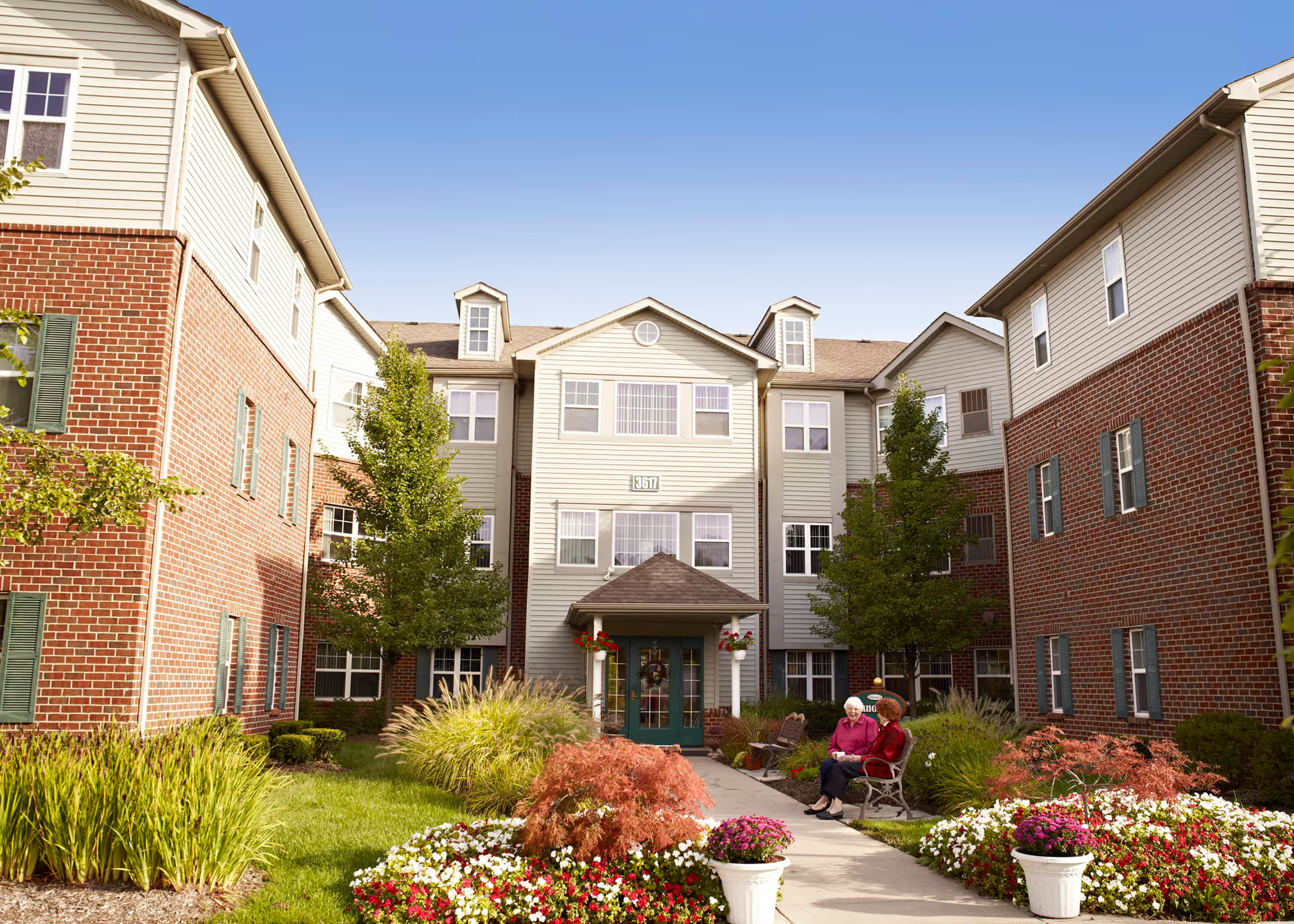
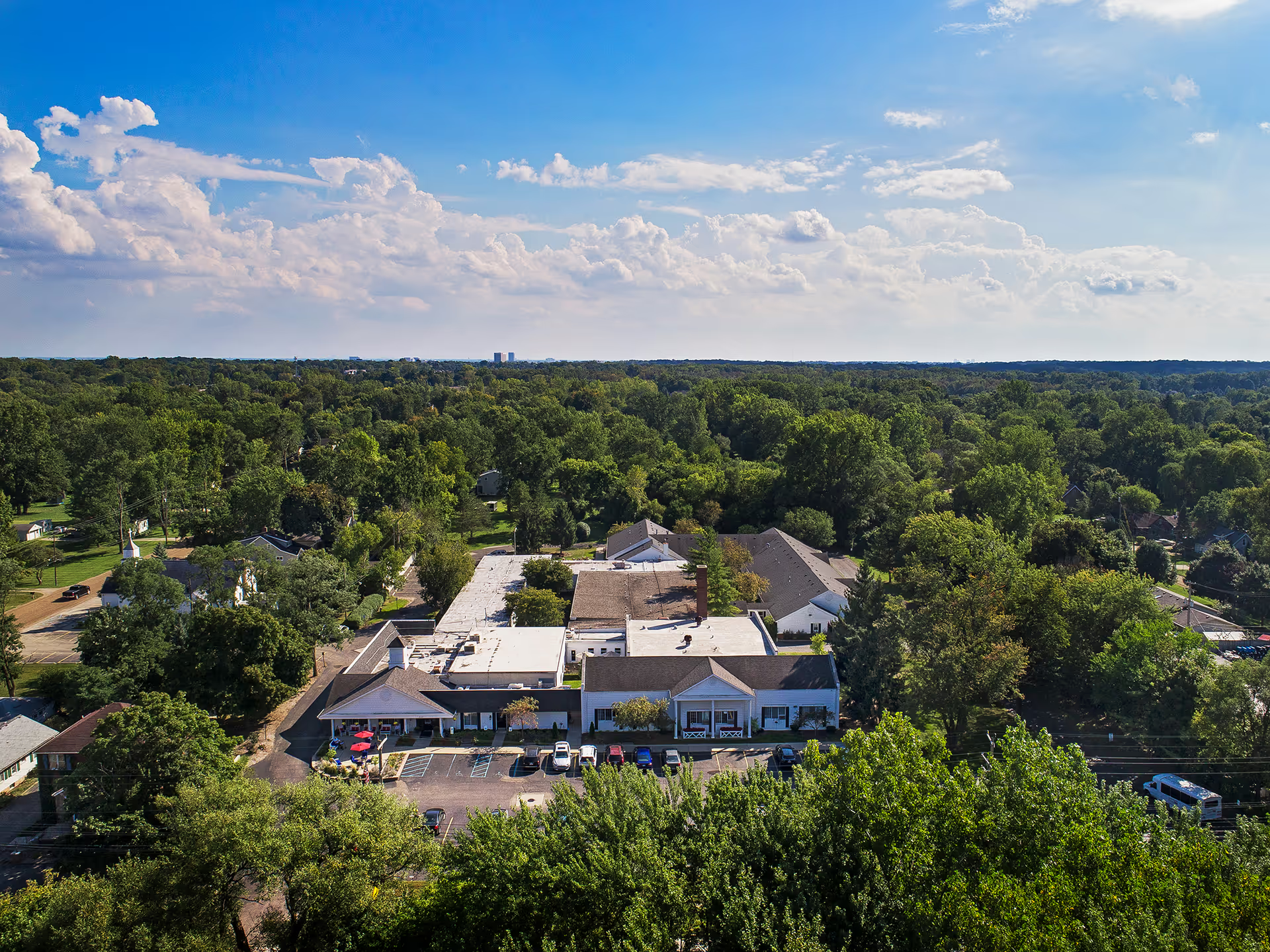
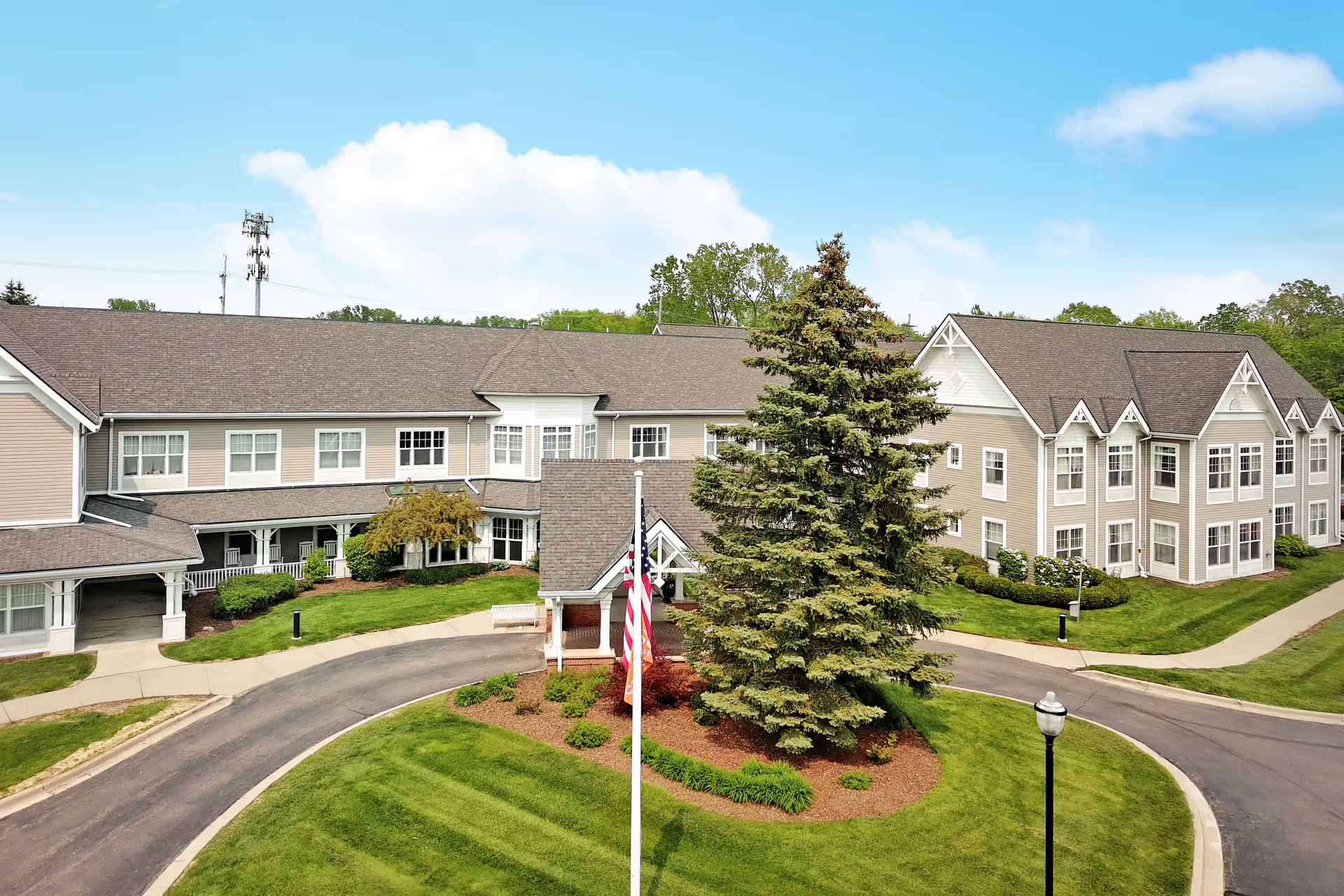
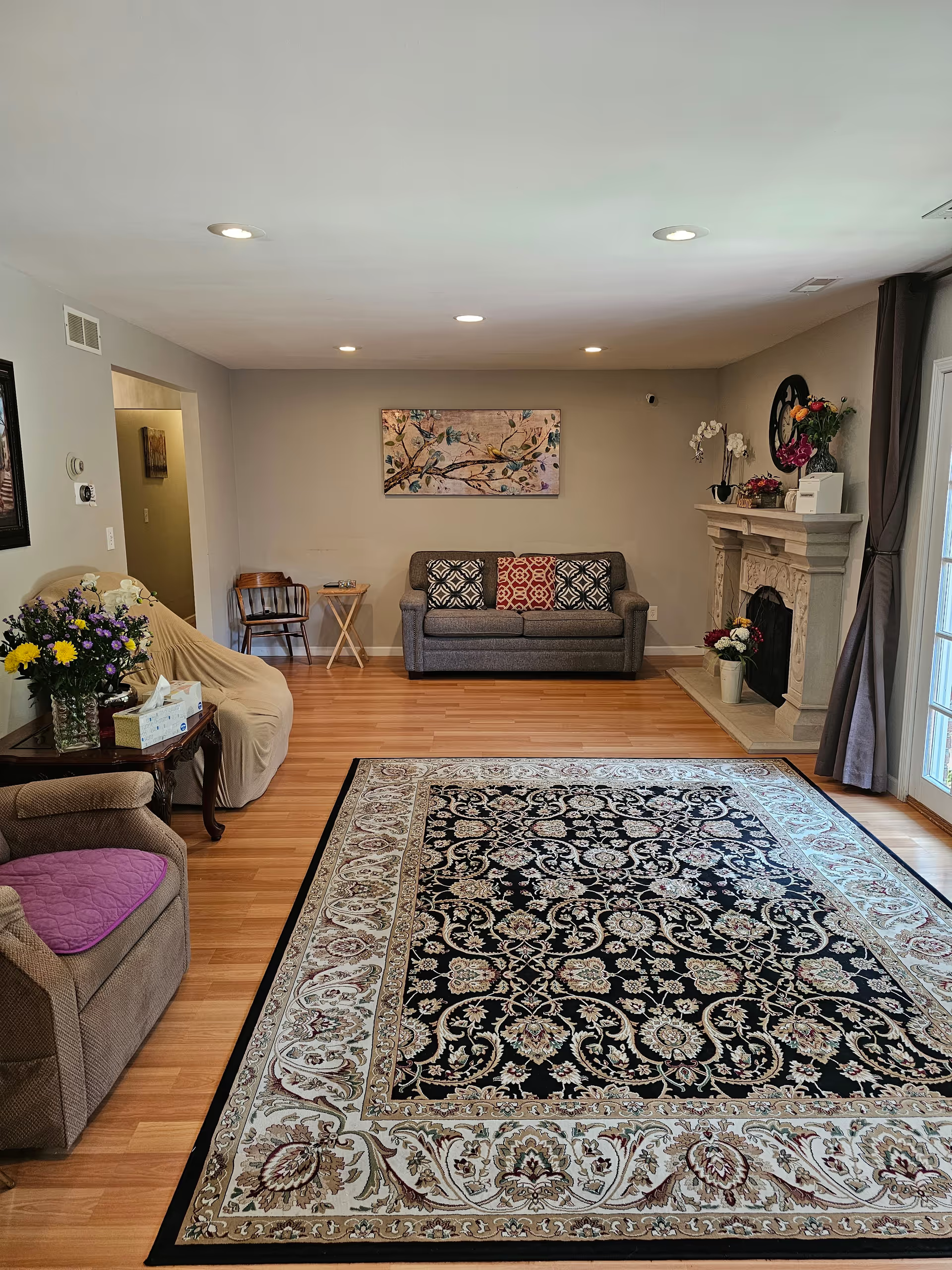
Reviews of this assisted living and memory care community present a mixed but distinctive picture. Physically, the building and common areas are consistently described as modern, well-maintained, and clean; reviewers cite attractive decor, ample communal spaces, a courtyard, and sizeable studio apartments with kitchenettes and storage. Several families praised the facility’s investment in amenities such as a salon, theater area, and chapel, and many observers found the one-floor, smaller-community layout conducive to close supervision and social engagement.
Care quality and front-line staff are frequently reported as strengths. Numerous accounts describe caregiving staff, nurses, and therapists as compassionate, attentive, and committed; reviewers note strong rehabilitation services, 24/7 nursing presence in some cases, and staff who go beyond routine duties to support residents and families. The activities program also receives positive mentions for variety and engagement — games, live music, exercise classes (including seated exercises), and arts programs — which residents and visitors often find meaningful for social and cognitive stimulation.
Dining, housekeeping, and amenities are generally seen positively. Many reviews highlight varied and appealing menu options, attentive dining staff, and an orderly dining environment once communal dining resumed. Housekeeping is often described as responsive and effective, contributing to an odor-free and tidy environment. The community’s COVID-era accommodations such as window visits and virtual calls were noted as helpful by families during restrictions.
However, a consistent cluster of operational concerns appears across reviews. Staffing levels and turnover are the most prominent issues: reviewers describe frequent caregiver turnover, concerns about low pay, and periods of understaffing that affect the availability of assistance with activities of daily living (bathing, bed changes, toileting support, and meal help). Several families reported delayed nurse-call responses and variability in clinical oversight, which they linked to inconsistent day-to-day care continuity. These workforce pressures also coincide with reports of variable laundry and room-cleaning reliability and intermittent reductions in activity programming.
Management, communication, and policy matters emerge as additional themes. Some reviewers praised corporate leadership and the facility’s strategic vision, but others described a disconnect between upper management plans and community-level execution, citing poor communication, unclear fee disclosures (including credit-card processing or administrative fees), and rigid visitation rules requiring reservations and limiting visit duration. These operational gaps appear to amplify family frustration when clinical or service expectations are not met.
In summary, prospective residents and families will likely find strong positives in the facility’s physical environment, amenity set, and many front-line staff members’ compassion and skill. At the same time, the pattern of staffing instability, inconsistent personal-care support, occasional nursing-response delays, and management/communication issues are important operational risks to evaluate. Visitors should ask specific, current questions about staffing ratios, nurse-call response times, how ADL assistance and laundry services are scheduled and audited, fee disclosure practices, and the community’s visitation policy to determine whether the day-to-day level of support matches their expectations and care needs.