Intersect Healthcare of Roscommon receives broadly positive comments about its day-to-day environment and many elements of care, but reviews also surface a set of operational concerns that prospective families should weigh.
Care and staff: Numerous reviewers praised the caregiving team as compassionate, professional, and experienced, often noting long staff tenure and a family-like atmosphere. Families described clear strengths in communication from some staff and leadership, and several accounts highlighted kindness, respect, and individualized attention such as 1:1 visits. At the same time, recurring operational issues were reported: staffing shortages that affect responsiveness, inconsistent support with activities of daily living (feeding, toileting, bathing), and specific concerns about staff conduct and the tone of communication in certain situations. There are also mixed impressions about medication handling, with some families satisfied with appropriate medication management and others describing inconsistencies that warrant clarification during a tour or intake conversation.
Dining and clinical support: Dining receives generally favorable comments for food quality and meal customization, and some reviewers credited the facility with accommodating preferences. However, at least one dining-related sanitation concern and multiple comments implying inconsistencies in food-service practices indicate an area for oversight. Rehabilitation and therapy services are frequently singled out as effective, with reports of successful, fast recoveries and patient-centered rehab approaches. Hospice and respite support were identified as available and, in several cases, handled well; nevertheless, there are notes about care-transition and hospice-coordination gaps in critical situations that should be reviewed with management.
Activities and dementia care: The activities program is a clear strength—reviewers repeatedly praise an engaged activities director, well-organized events, prizes, and strong community involvement that contribute to a positive atmosphere. For residents with dementia, the facility maintains a secure unit and family members reported positive elements of dementia care; however, reviewers also described limited participation by some memory-care residents and suggested staff would benefit from additional dementia-specific training to improve engagement and handling of behavioral needs.
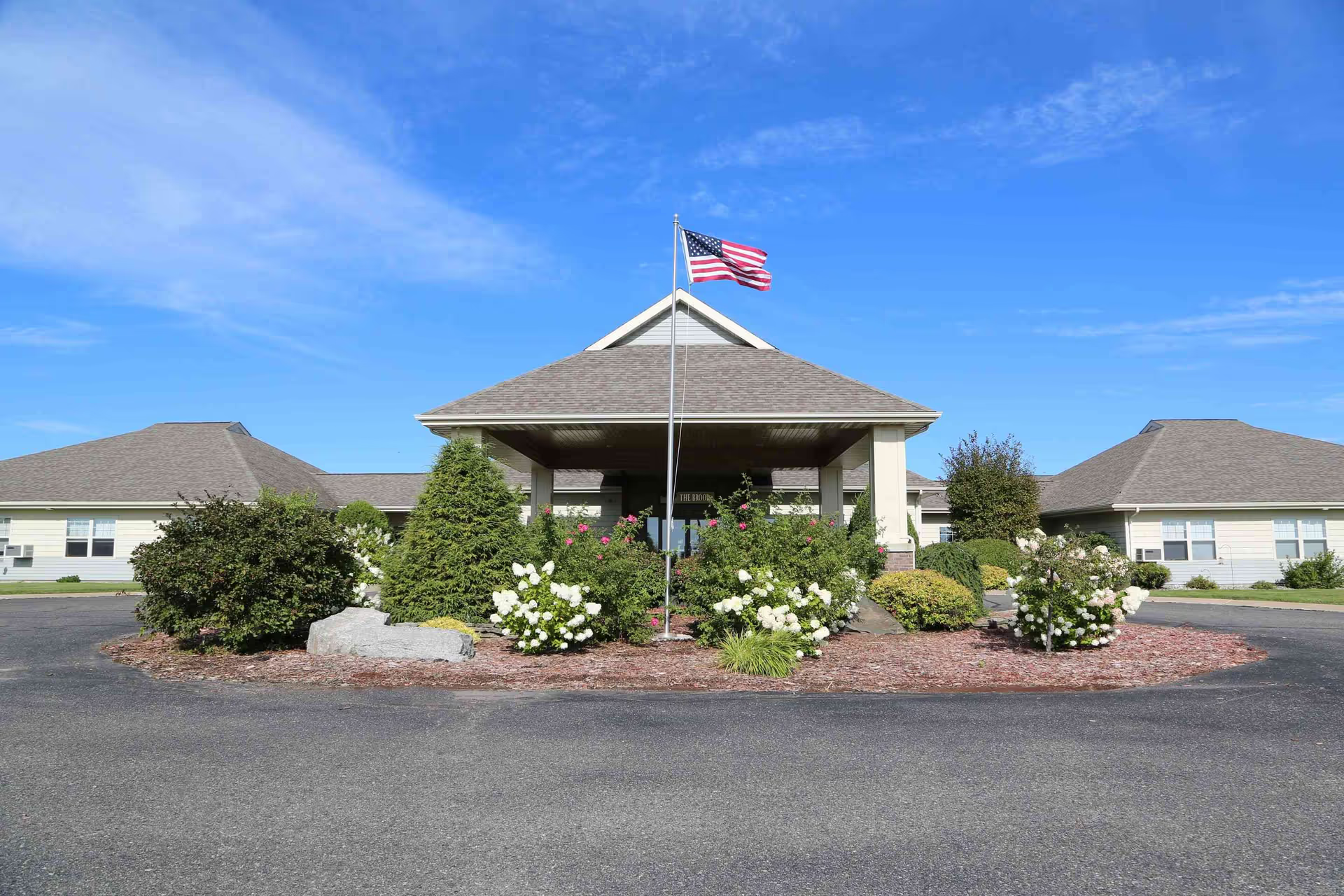
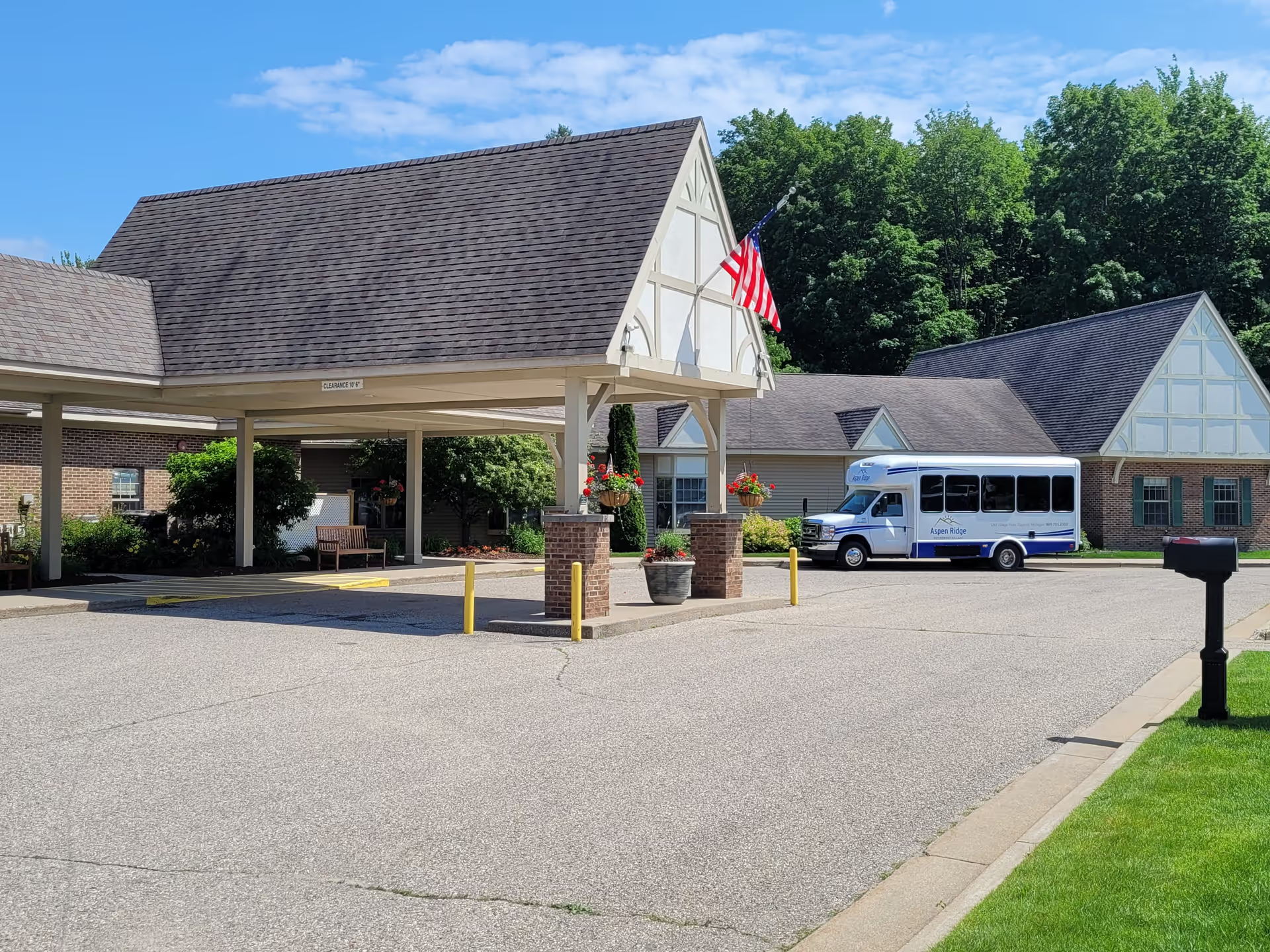
Facilities and management: The physical environment is described as clean, welcoming, and well maintained, with private, large rooms available and pleasant decor. Several families commended the facility’s organization and pride in the building. Management impressions are mixed: some note strong leadership and effective communication, while others described leadership transitions that have not fully resolved operational problems. Given the pattern of praise for interpersonal care alongside persistent operational issues (staffing, ADL assistance, dining oversight, and care-transition coordination), prospective residents and families should perform a targeted walkthrough, ask about staffing ratios and dementia training, review medication-safety and dining protocols, and clarify procedures for hospice or urgent care transitions.