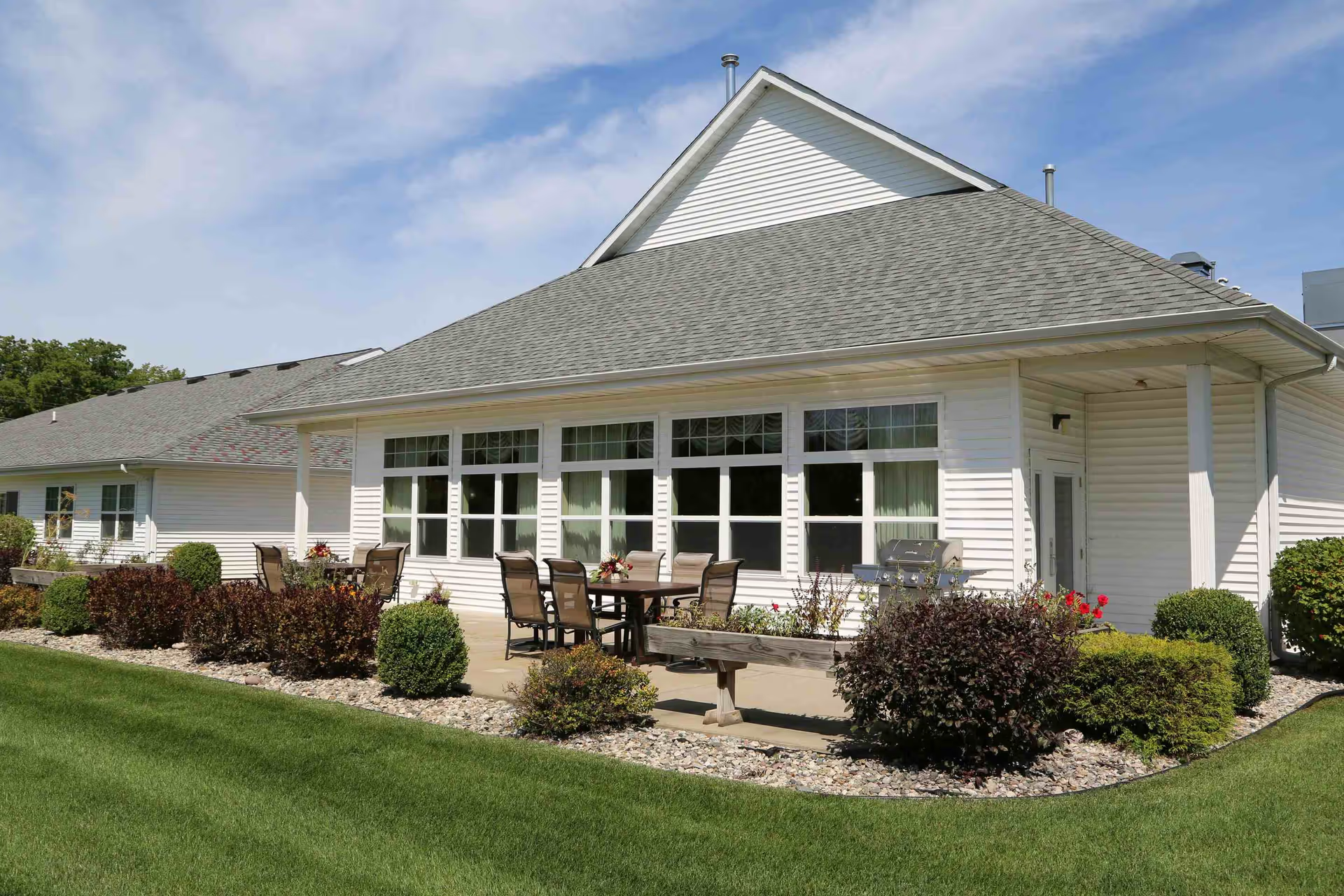
Overall impression: Villa at Rose City presents as a well‑maintained, family‑oriented skilled nursing and rehabilitation community with many families emphasizing compassionate, long‑tenured staff and a strong therapy program. The facility is frequently described as clean, bright, and decorated, with active programming and frequent opportunities for social and spiritual engagement. Social-work support, case management, and hospice collaboration are repeatedly noted as strengths, and many accounts describe successful rehabilitation outcomes and thorough discharge planning.
Care and clinical services: Review narratives describe a robust clinical team that includes full‑time nursing, therapists (PT/OT/ST), social workers, and coordinated hospice/palliative involvement when needed. Families reported attentive nursing practices (skin care, repositioning schedules) and positive therapy progress shared with families. However, there are recurring operational concerns tied to clinical management: a number of families raised issues that imply gaps in medication‑management and physician coordination, and a few described readmissions or prescription errors. These concerns suggest the need to confirm medication‑safety protocols and escalation pathways during a tour or intake conversation.
Staff and management: A consistent theme is appreciation for compassionate, engaged caregivers who form strong bonds with residents; long staff tenure is cited as contributing to continuity of care. At the same time, reviewers describe variability in staff engagement and professionalism, and occasional understaffing that can affect timeliness of services. Examples referenced include delayed showers and occasional lapses in phone responsiveness. Social‑work and admissions staff receive positive comments for guidance and help with conservatorship or placement logistics.
Dining, activities, and amenities: Dining is generally described as plentiful with a good variety and tasteful options; some comments are neutral (“food ok”) but most are positive. The activities program is described as active and diverse — calendars full of events, field trips, ice cream socials, and regular religious services including Mass and Eucharistic ministry. The facility’s rehabilitation gym and therapy offerings are frequently praised for contributing to recovery and quality of life.
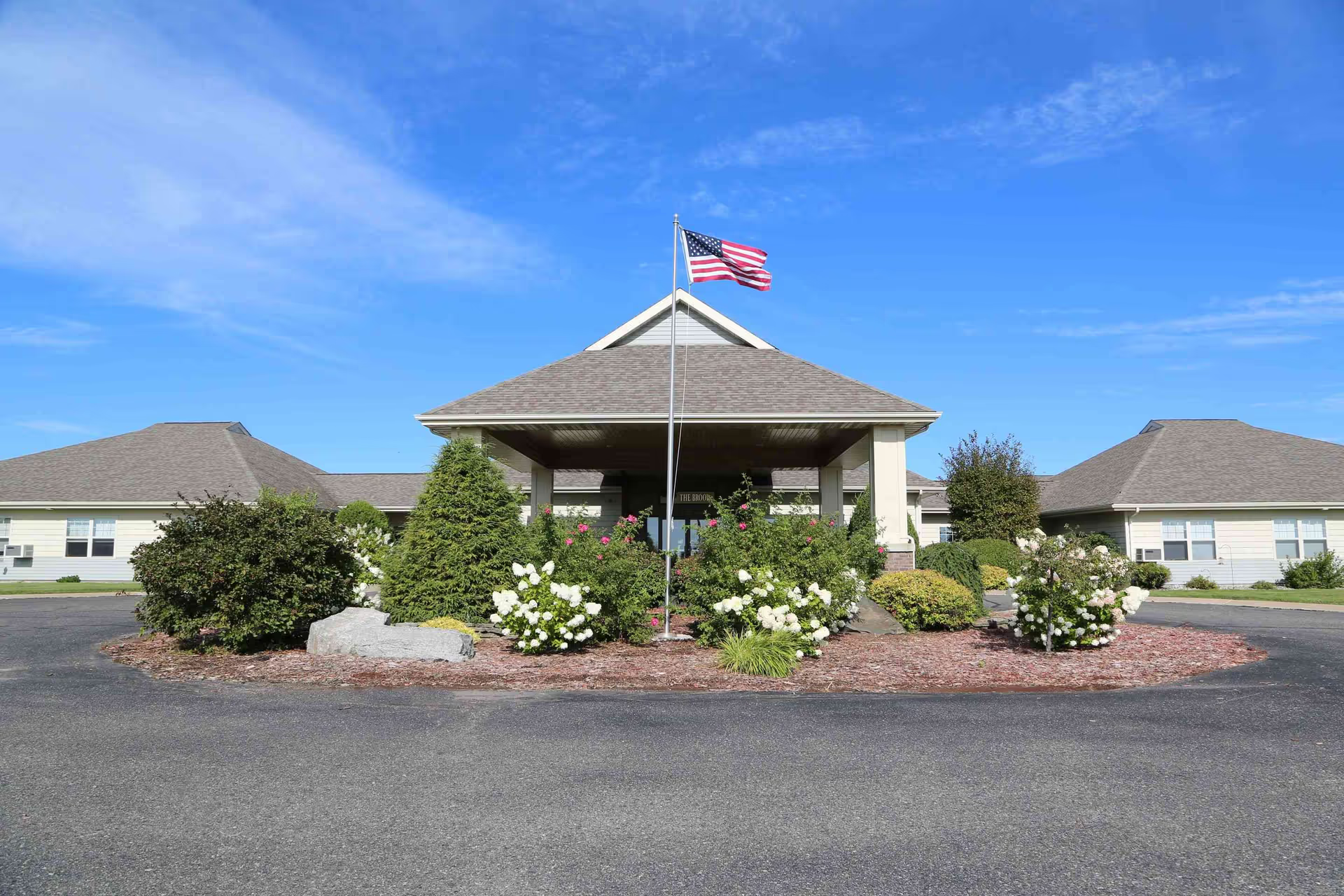
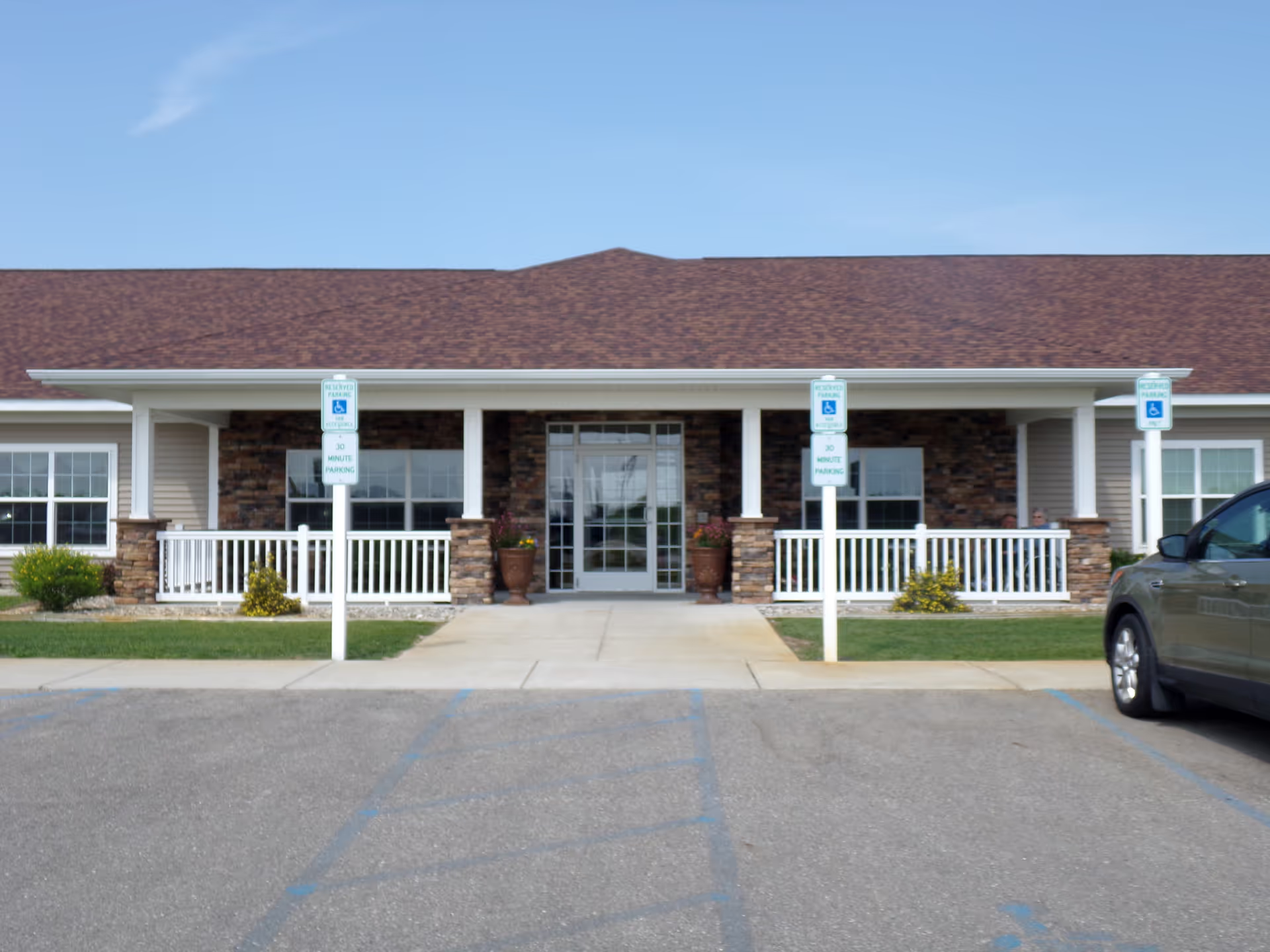
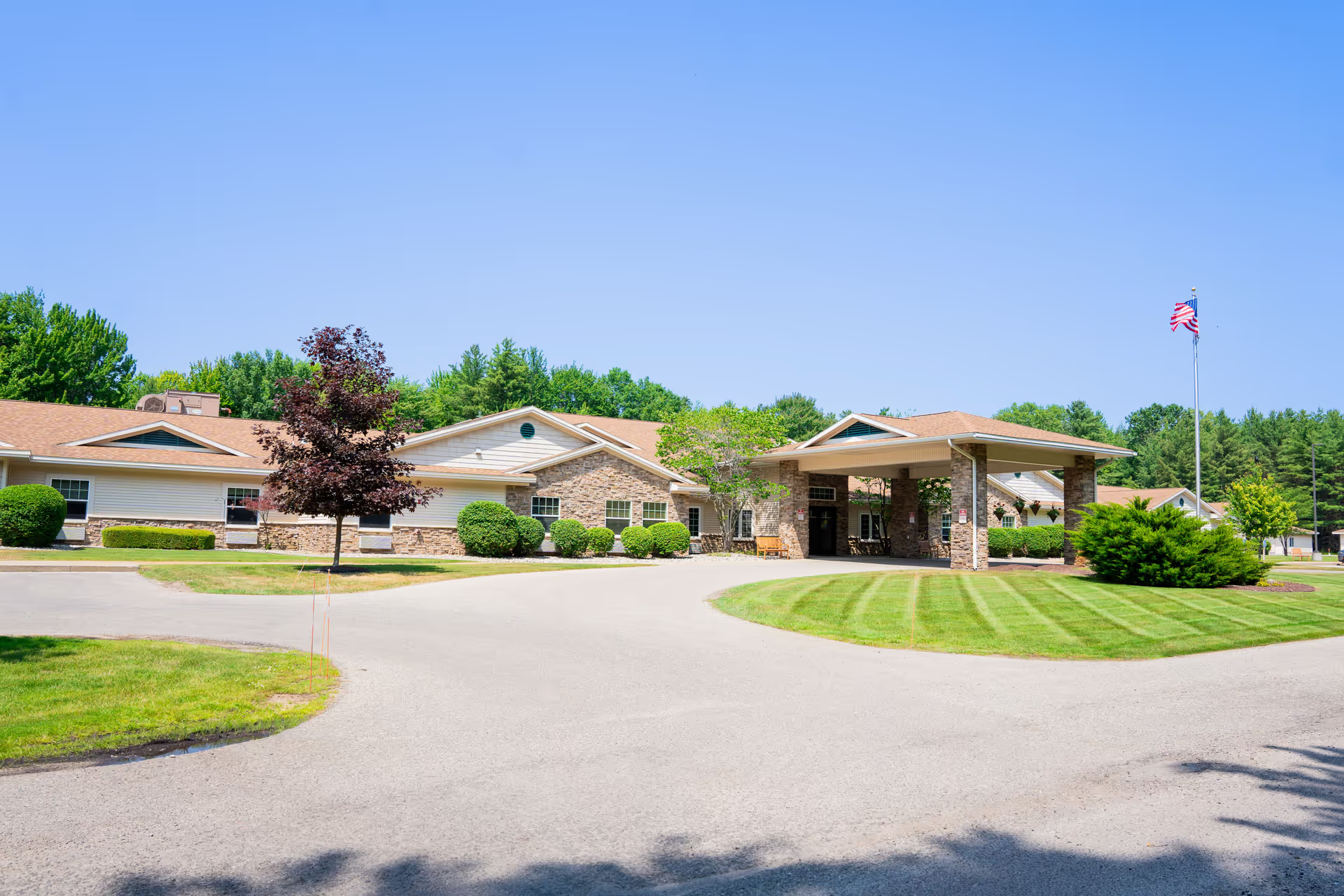
Facilities and logistics: The building and grounds are repeatedly described as clean, bright, and welcoming, with tidy halls and decorated common areas. Families note a home‑like atmosphere and comfortable visitor accommodations. Practical constraints mentioned include limited front‑door parking and occasional room climate variability. Prospective families should verify parking arrangements and room temperature controls during a visit.
Notable patterns and guidance for families: The dominant pattern in the reviews is positive — compassionate caregivers, effective therapy, and strong social supports. At the same time, intermittent operational weaknesses appear in areas that directly affect daily experience: staffing consistency, personal‑care scheduling (bathing), medication oversight, and front‑line communication (phone responsiveness). When evaluating the Villa at Rose City, families may benefit from asking about current staffing ratios and schedules, medication‑safety and escalation procedures, bathing and hygiene scheduling policies, methods for after‑hours communication, and on‑site parking availability. A focused tour and direct conversations with nursing leadership and social‑work staff can help clarify how the facility addresses the operational gaps mentioned by some families.