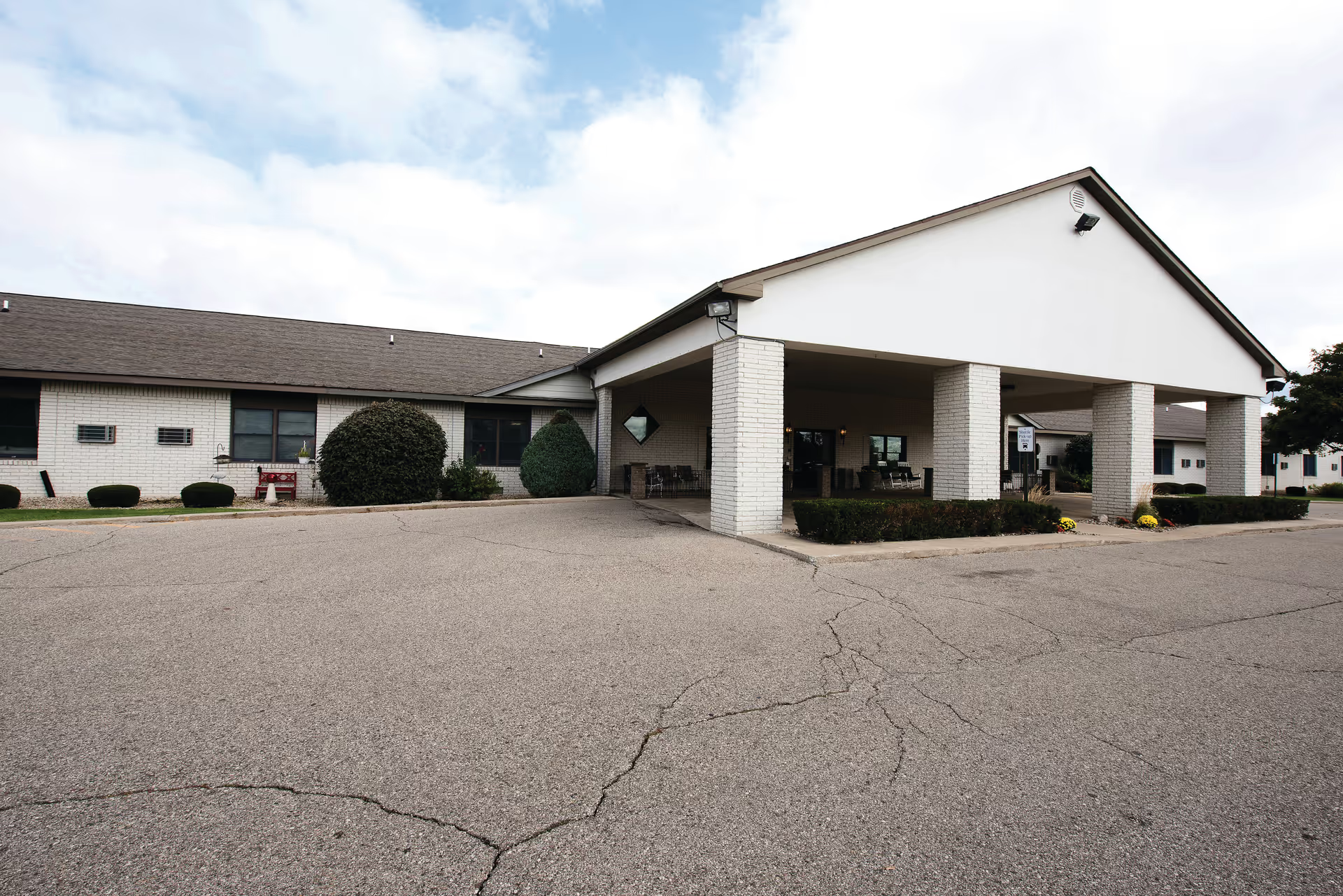
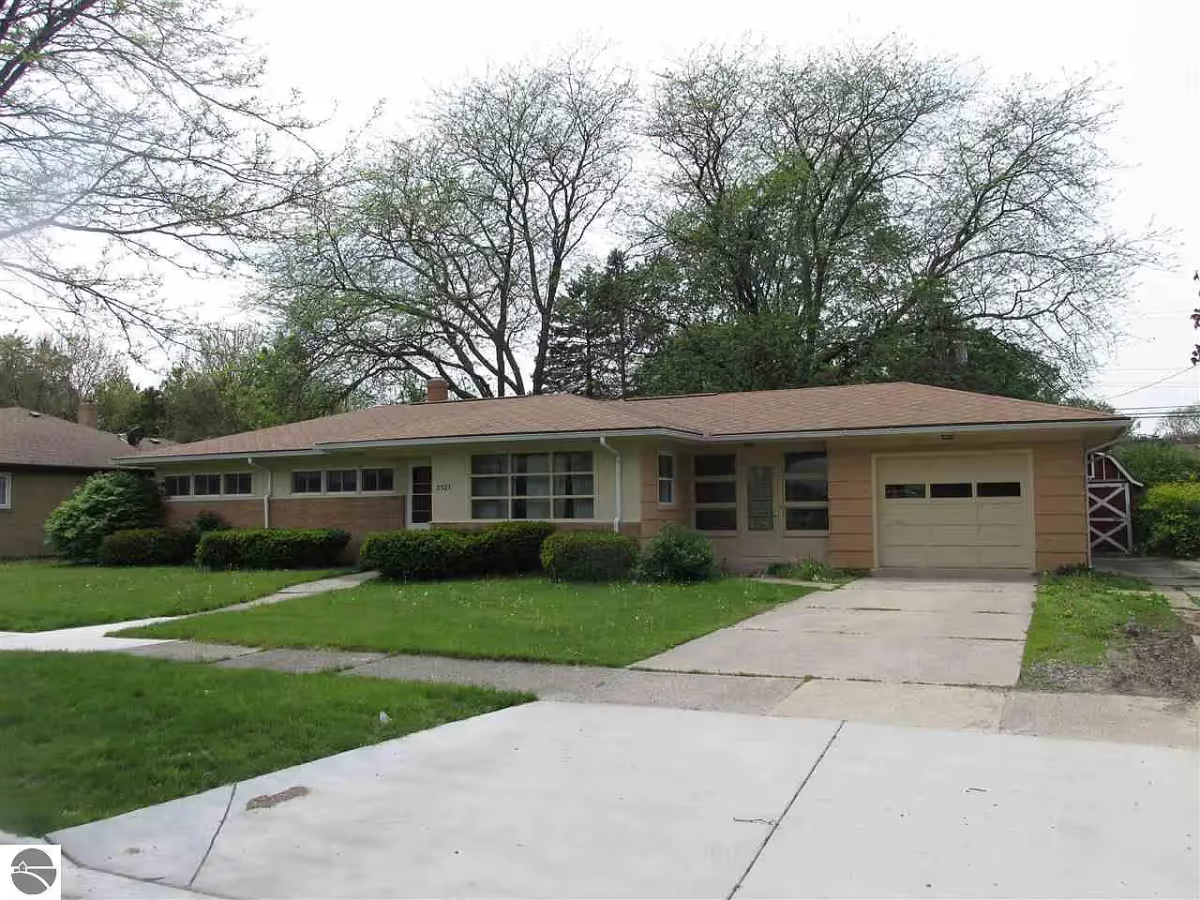
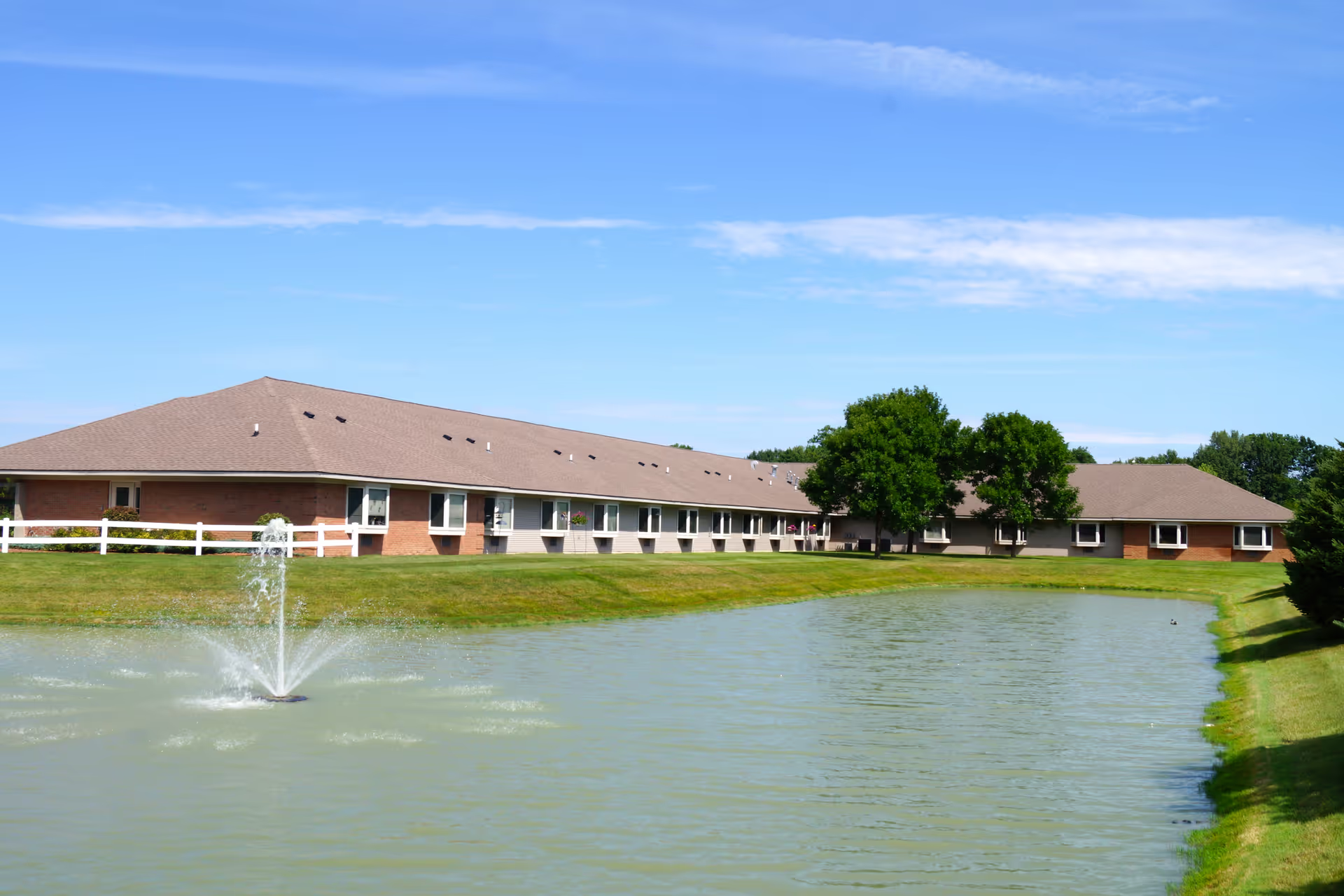
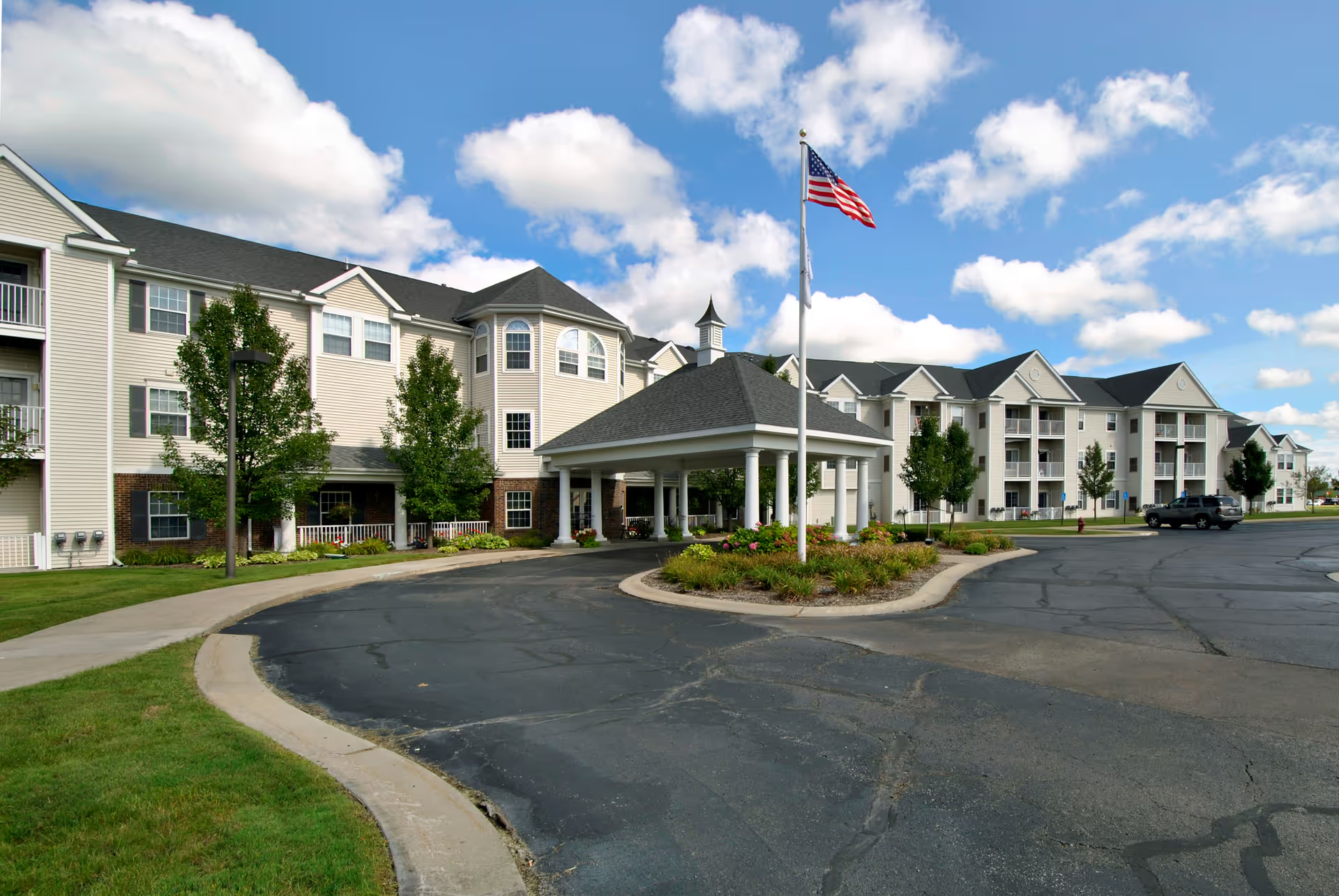
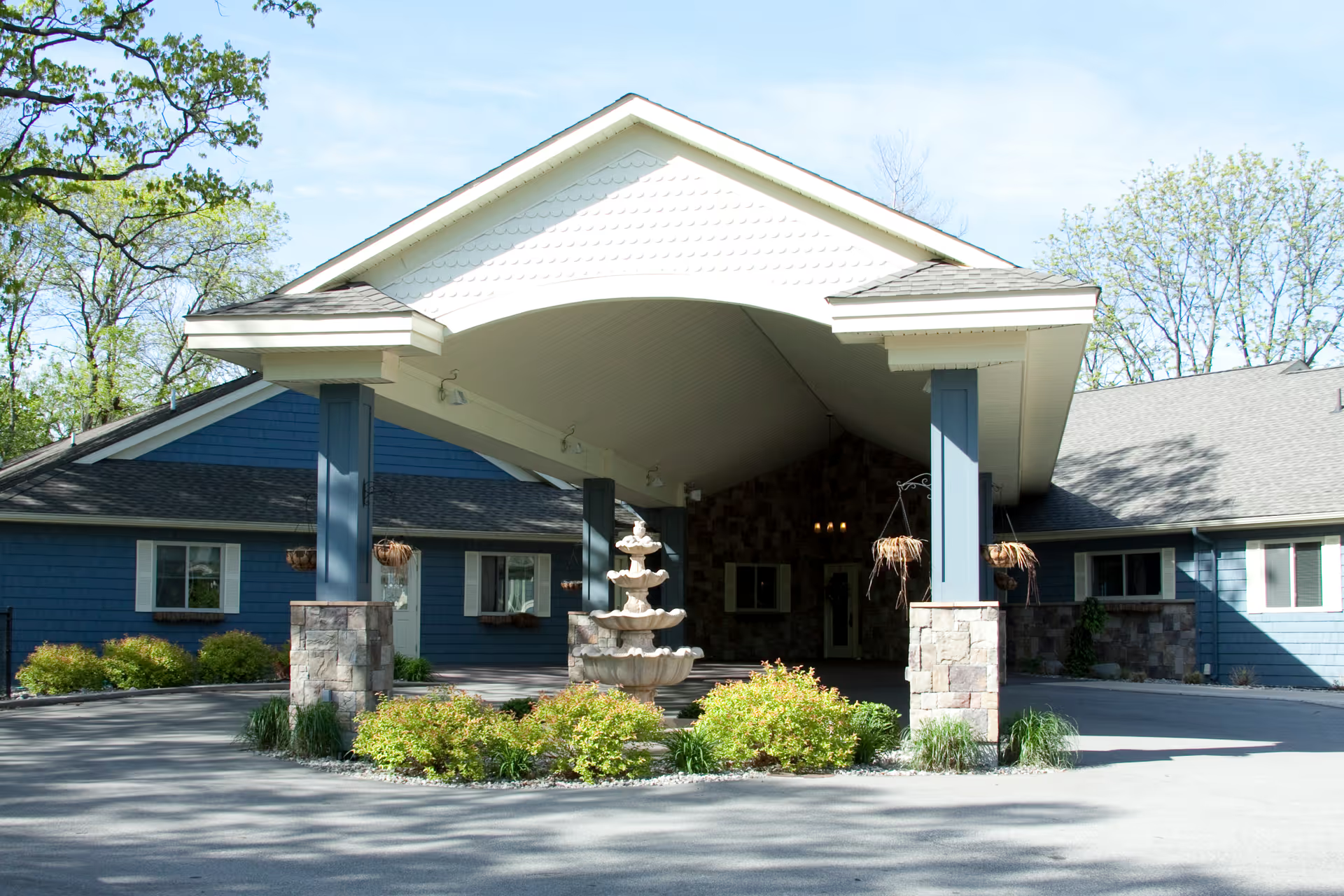
Bickford of Saginaw Township presents as an attractive, well-appointed senior living community with many amenities and a programmatic focus on engagement. Reviewers consistently highlighted the facility’s pleasant common areas, enclosed courtyard, apartment-style units with kitchenettes, and a range of recreational spaces (salon, theater, whirlpool, game room). Many families and residents described the environment as homey and bright, with varied floor plans and large rooms that support privacy and comfort.
Staff and care experience is mixed but often positive: numerous accounts describe compassionate, family-style interactions, attentive caregivers, and staff who facilitate social engagement and routine support. On-site clinical resources and coordination with hospice care were noted positively in several accounts. At the same time, a pattern emerges around inconsistent clinical operations — specifically medication-management controls and communication about medications — that families should investigate further. There are specific mentions of medication errors and lapses in medication resupply communication, which reflect an operational weakness rather than a single isolated concern.
Dining and activities are strengths for many residents. The community is praised for homemade, scratch-prepared meals, social dining, and a busy activities calendar that includes music, art projects, exercise classes, movie nights, religious services, and special events like family barbecues and a prom. There are also regular entertainers and social hours. Conversely, reviewers cited operational continuity issues in food-service (shortages, staff using resident food, and occasional service lapses), which suggest variability in kitchen staffing and inventory controls.
Facility operations and housekeeping present a mixed picture. Many reviewers described clean, well-furnished, and odor-free interiors; however, others raised sanitation concerns in resident rooms and kitchen areas and noted inconsistent housekeeping follow-through. These contrasting appraisals indicate variability in cleanliness standards across units or shifts. Safety and emergency preparedness also appear uneven: concerns about slow responses to falls and questions about CPR training adequacy point to staffing-level and training gaps.
Management and admission practices receive both praise and criticism. Some families praised knowledgeable, transparent leadership and clear pricing guidelines; others described high-pressure admission tactics, undisclosed or add-on fees (for example, short-term medication management or evaluation fees), and billing or refund difficulties. There are also accounts of variable managerial responsiveness when problems are raised, suggesting inconsistent follow-through on complaints. Additionally, a few reviews described resident-item security problems, which indicate a need for stronger property-management protocols.
Overall pattern: many residents and families report an engaging, comfortable community with strong programming and a welcoming atmosphere; however, there is a recurring cluster of operational issues tied to staffing levels, medication-management controls, housekeeping consistency, emergency-readiness, and billing transparency. Prospective residents and their families would benefit from targeted questions during a visit: ask about staffing ratios and turnover, medication administration policies and audit practices, housekeeping schedules and sanitation protocols, emergency response procedures and CPR certification frequency, inventory controls in dining services, and a written fee disclosure. Verifying these items in writing and observing staff–resident interactions during different parts of the day can help clarify whether the facility’s strengths are consistent with your expectations and care needs.