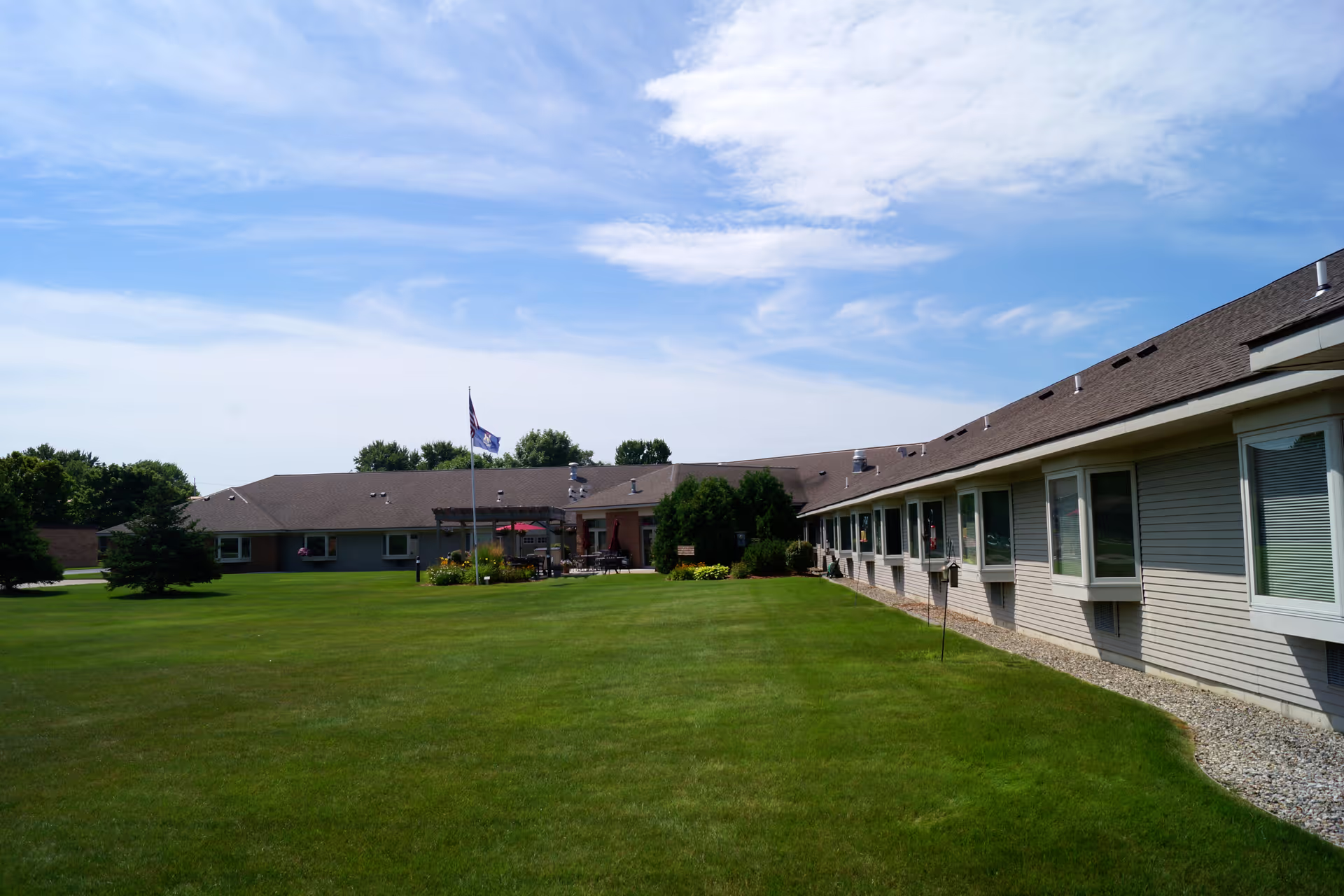
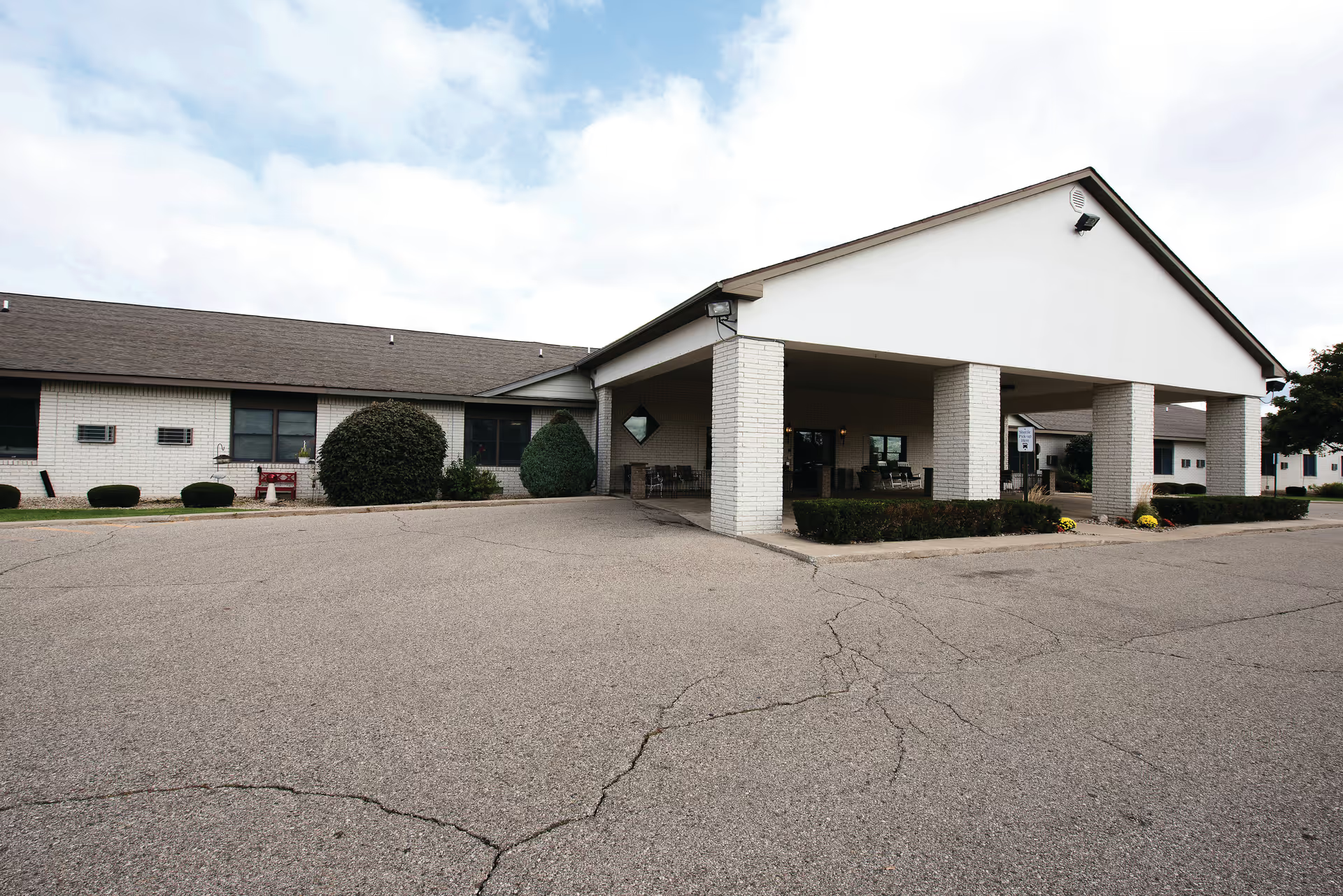
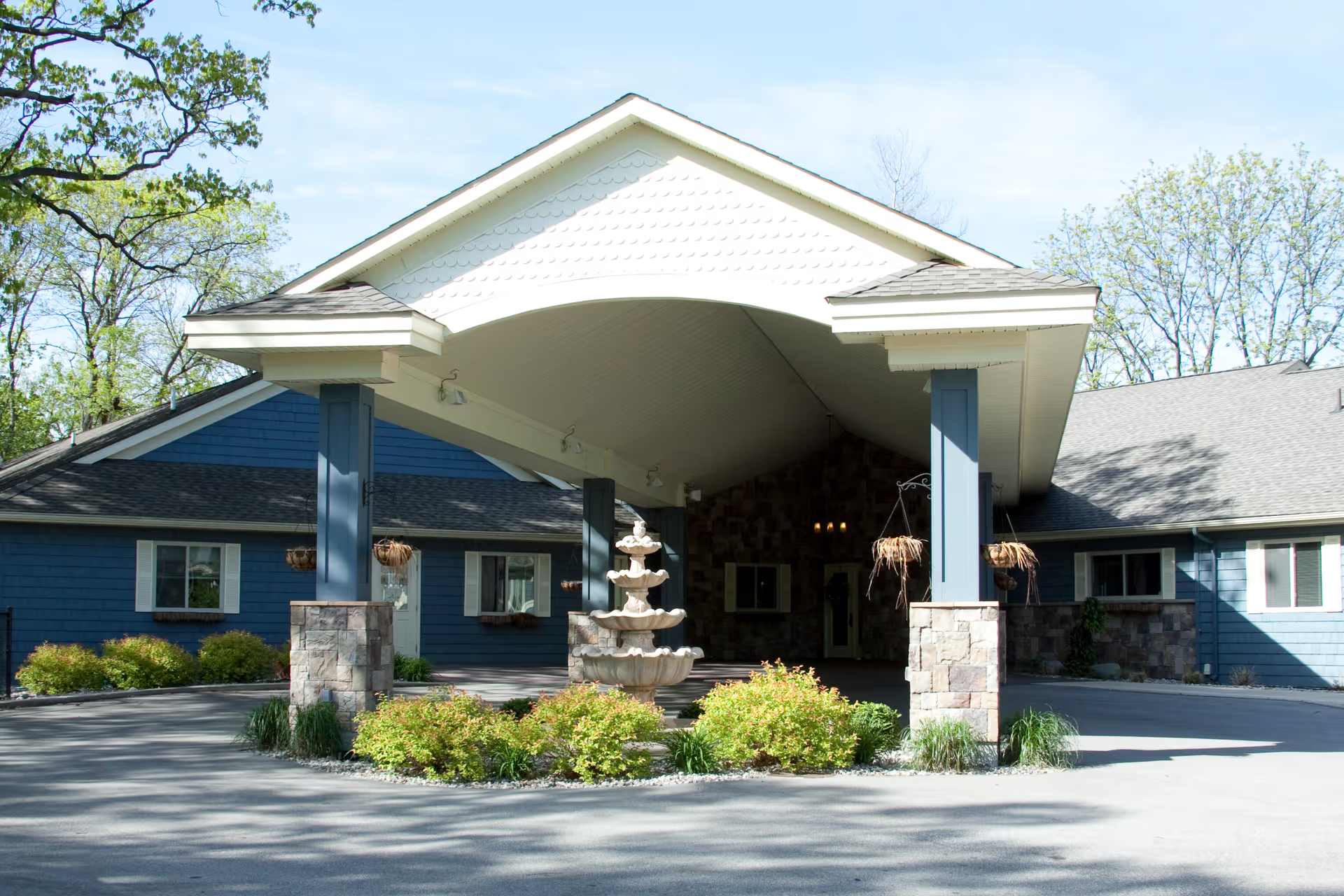
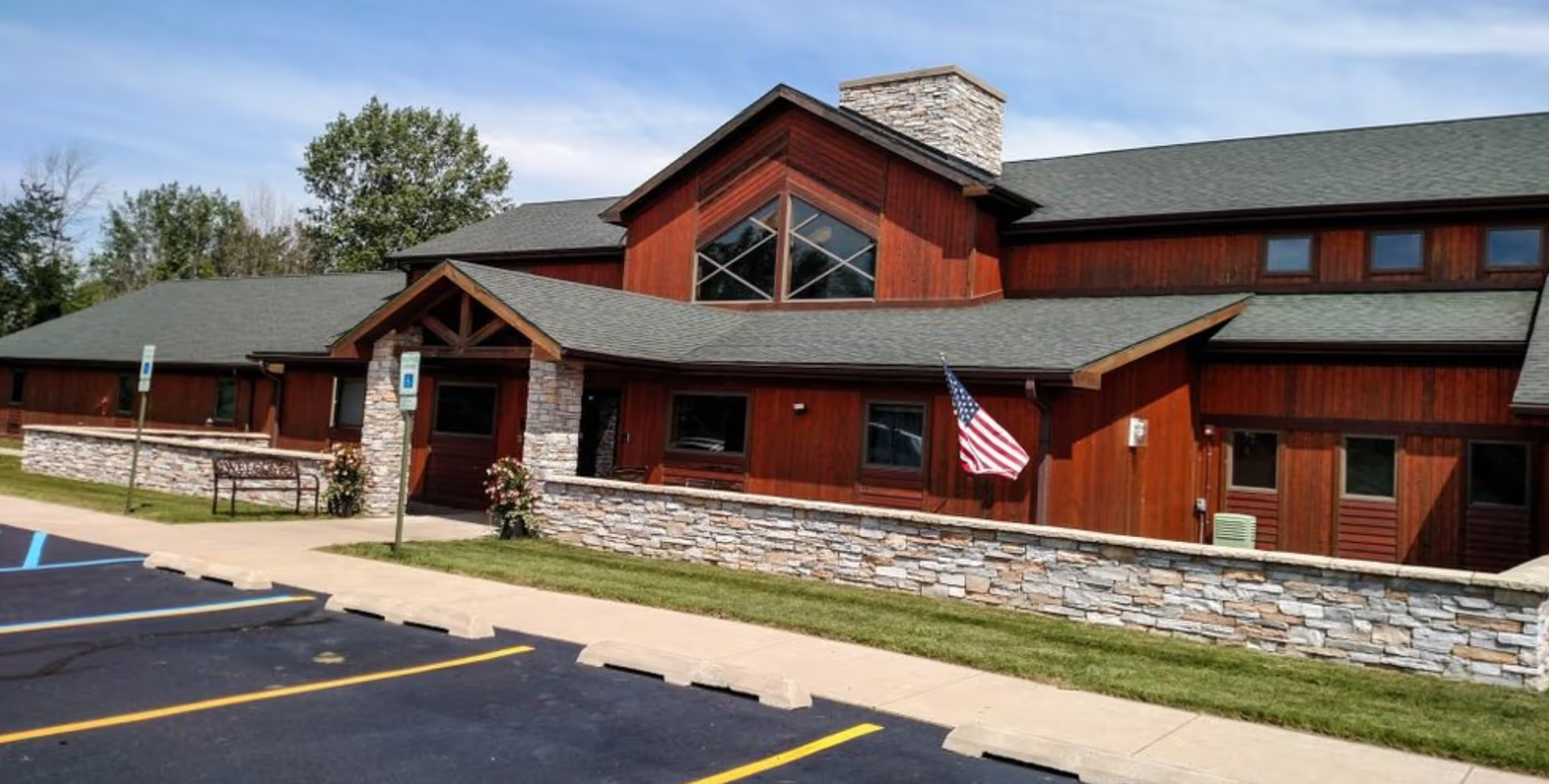
Hoyt Nursing & Rehab Center elicits a mixture of strong praise and serious operational criticisms across the reviews. Strengths are most notable in direct resident-facing areas: many families and patients describe compassionate, attentive nursing and aide care, effective therapy that leads to improved mobility, and a dietary department that frequently exceeds expectations with varied menus, diabetic options, homemade items and engaged kitchen leadership. The facility’s physical environment is commonly described as clean, bright and well maintained, and activity programming (live music, socials, gardening) contributes to a social and engaging atmosphere. Several reviewers also highlighted proactive social-work support, smooth discharge planning, and staff accompaniment to outside medical appointments, which are valuable for transitions of care.
At the same time, recurring operational weaknesses create notable areas of concern. A consistent theme is chronic understaffing and stretched CNA coverage, which reviewers link to long call-light response times and delays in assistance with basic needs. Related clinical issues include inconsistent medication administration practices, gaps in wound/skin and oral-care protocols, and delays in follow-up care. Transfer coordination and emergency-transport processes were also described as problematic in a number of accounts, introducing risk during transitions and urgent events. Additionally, infrastructure and amenity problems — for example, intermittent heating outages and in-room phone availability in short-term rehab rooms — were cited and can affect resident comfort and safety.
Several reviewers raised serious governance and safety issues that merit attention. Concerns about personal property handling and inventory control were described alongside claims of missing items; there are also descriptions of deficient incident reporting and regulatory follow-up. Some accounts reference state survey findings and concerns following serious incidents; these items indicate the importance of reviewing recent inspection reports and how the facility responded to citations. Communication gaps between administration and nursing leadership were frequently cited, contributing to perceptions of inconsistent oversight, variable care quality, and morale concerns among staff.
For prospective residents and families, Hoyt presents both clear positives and specific risks. Its therapy, food service, activities, and many frontline caregivers are frequently praised, and the facility can provide a supportive, engaging environment for rehabilitation and longer stays. However, the pattern of staffing instability, medication and clinical-care inconsistencies, property-security weaknesses, and intermittent maintenance failures suggests the need for careful vetting. Recommended due diligence includes asking for recent staffing ratios and turnover data, medication-administration and incident-reporting policies, wound and oral-care protocols, recent state survey results and corrective actions, and verification of security/inventory procedures for personal belongings. Visiting at different times of day to observe staffing responsiveness and speaking directly with social-work and nursing leadership can help families assess whether Hoyt’s strengths align with their loved one’s needs.