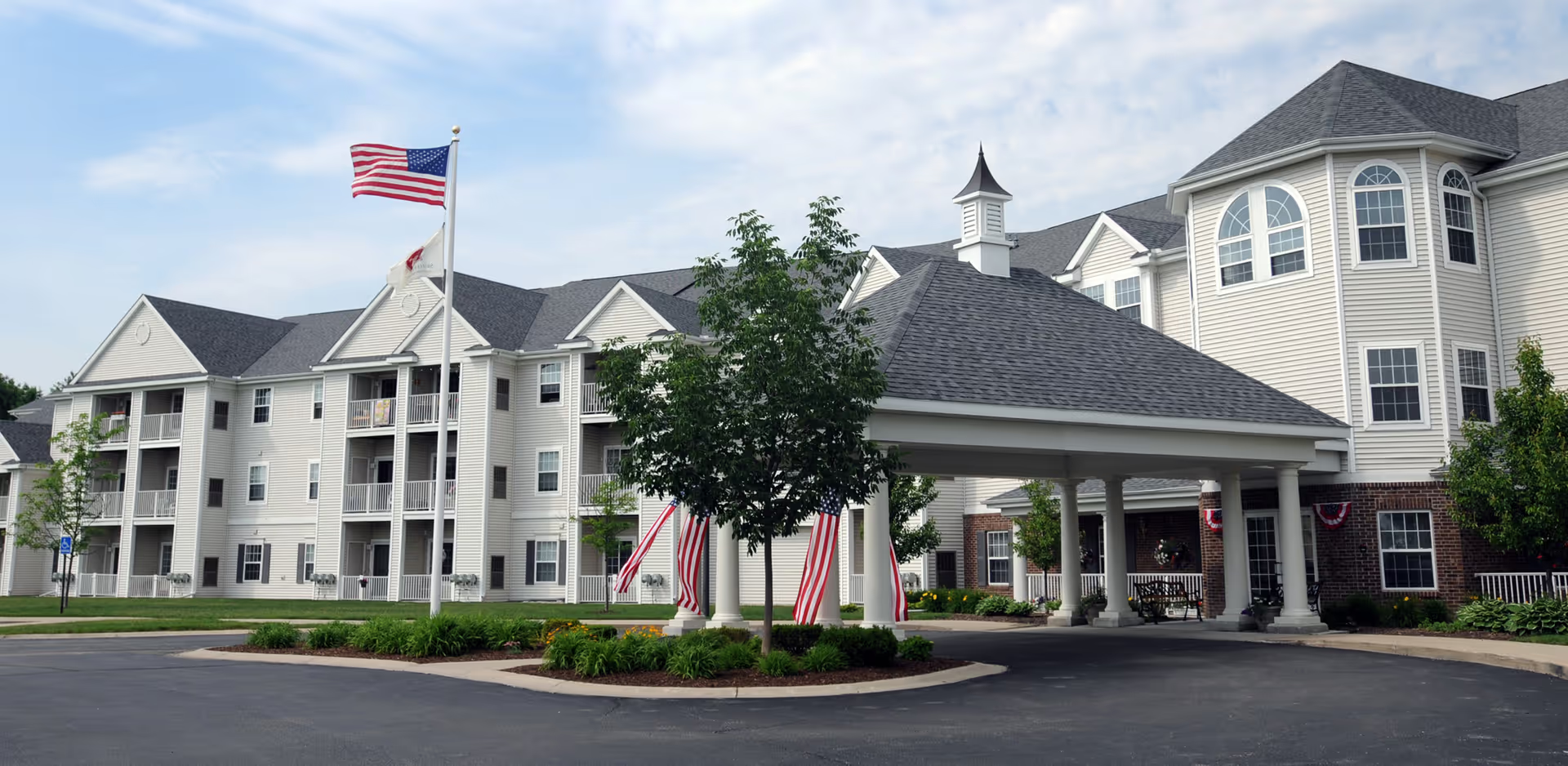
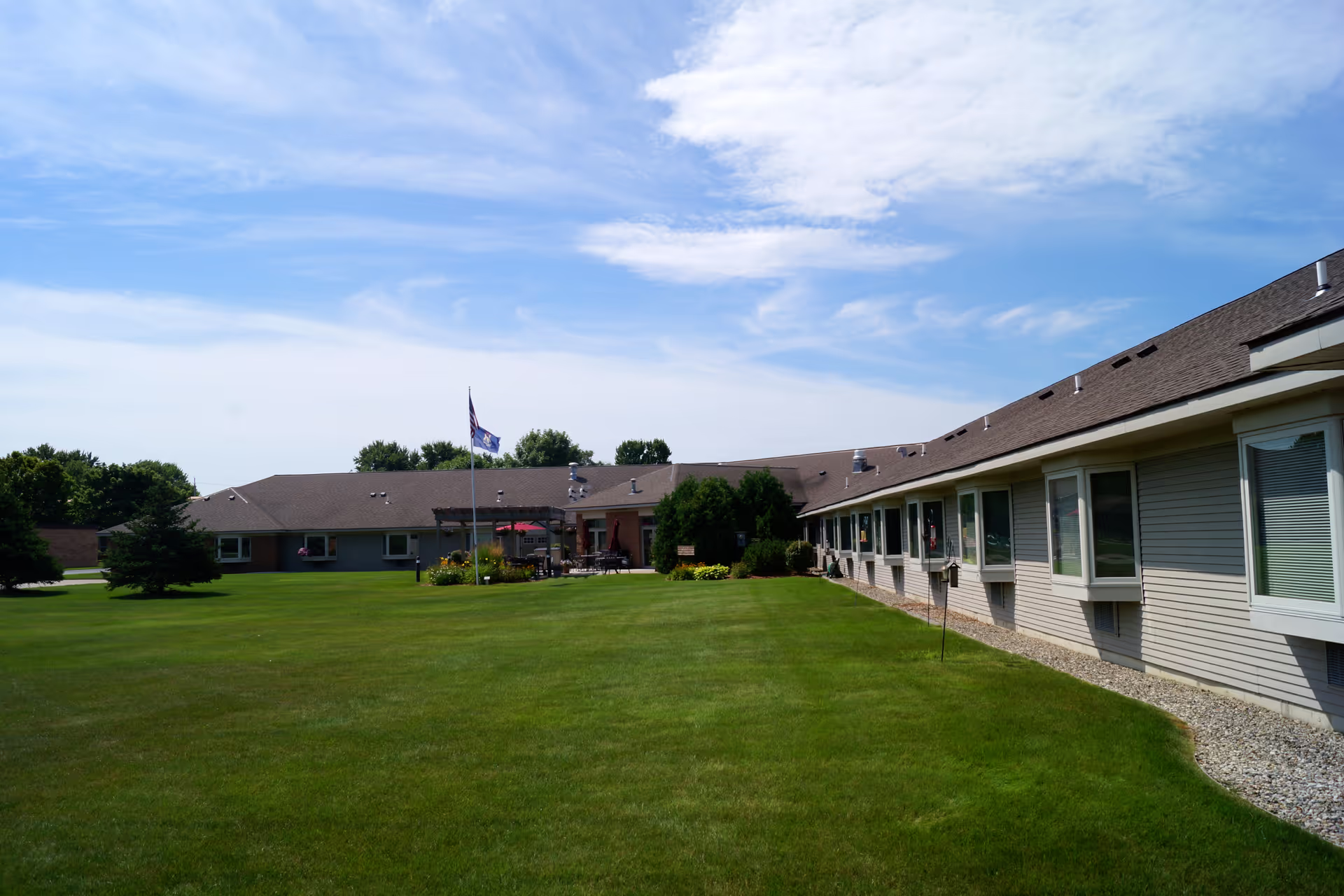
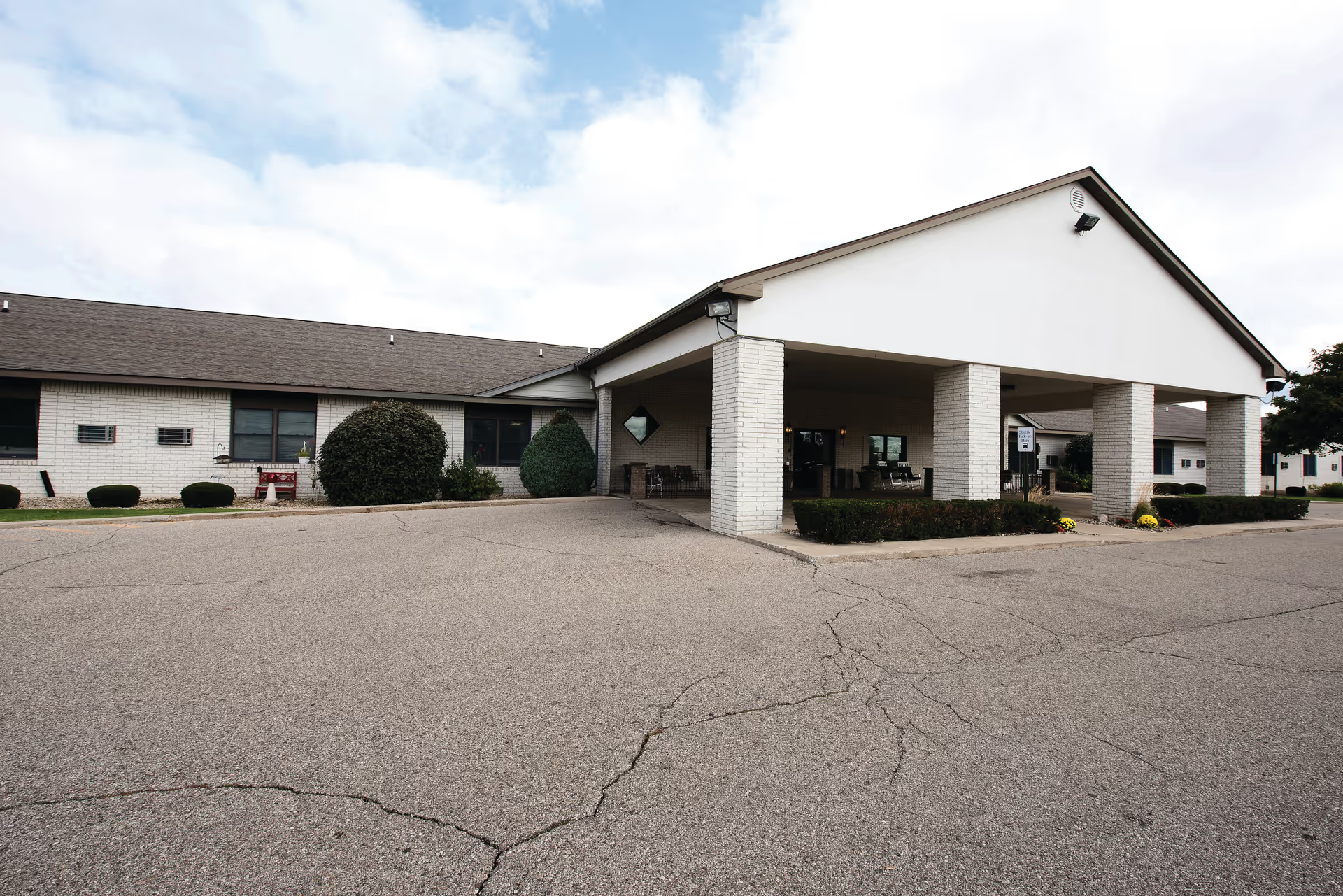
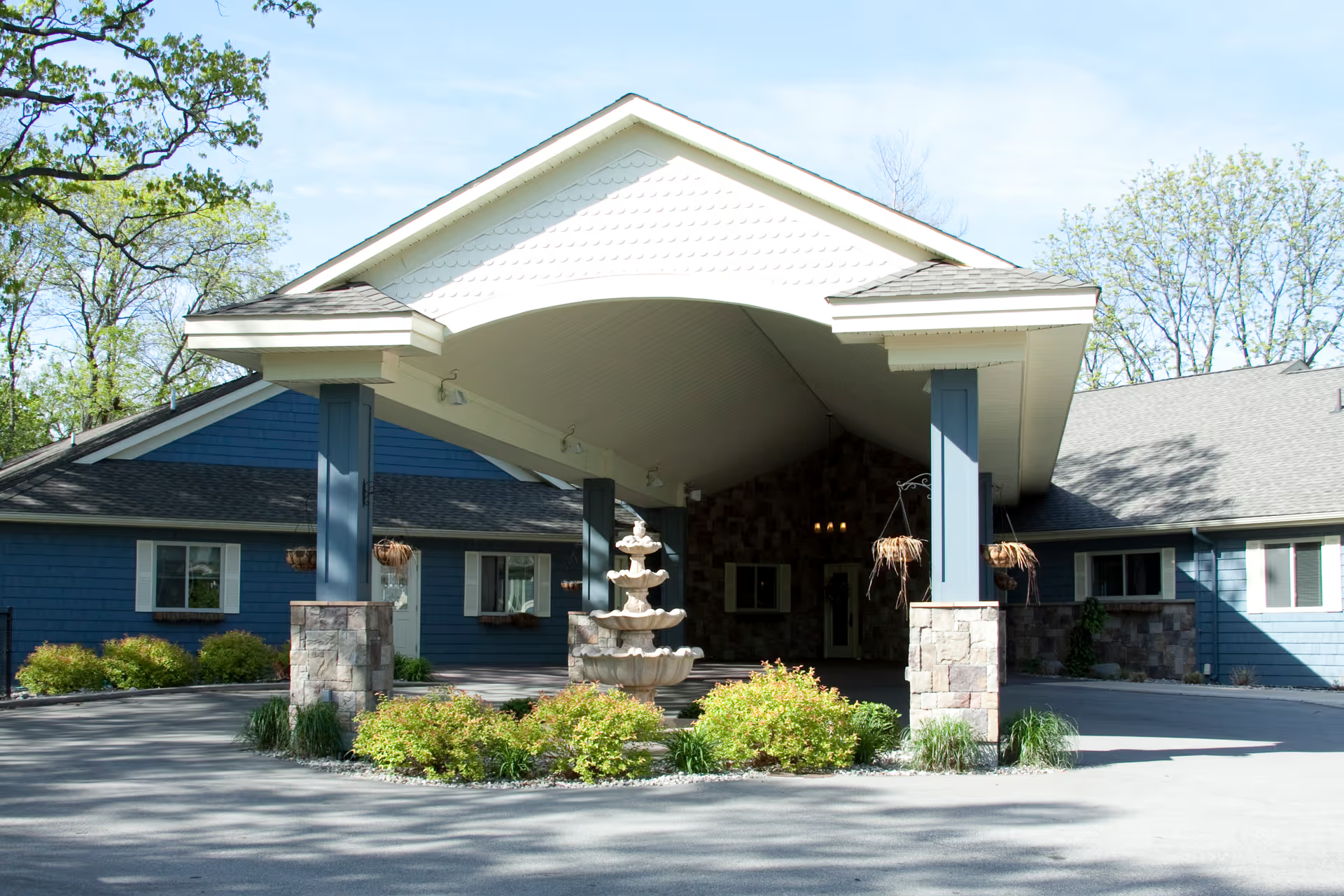
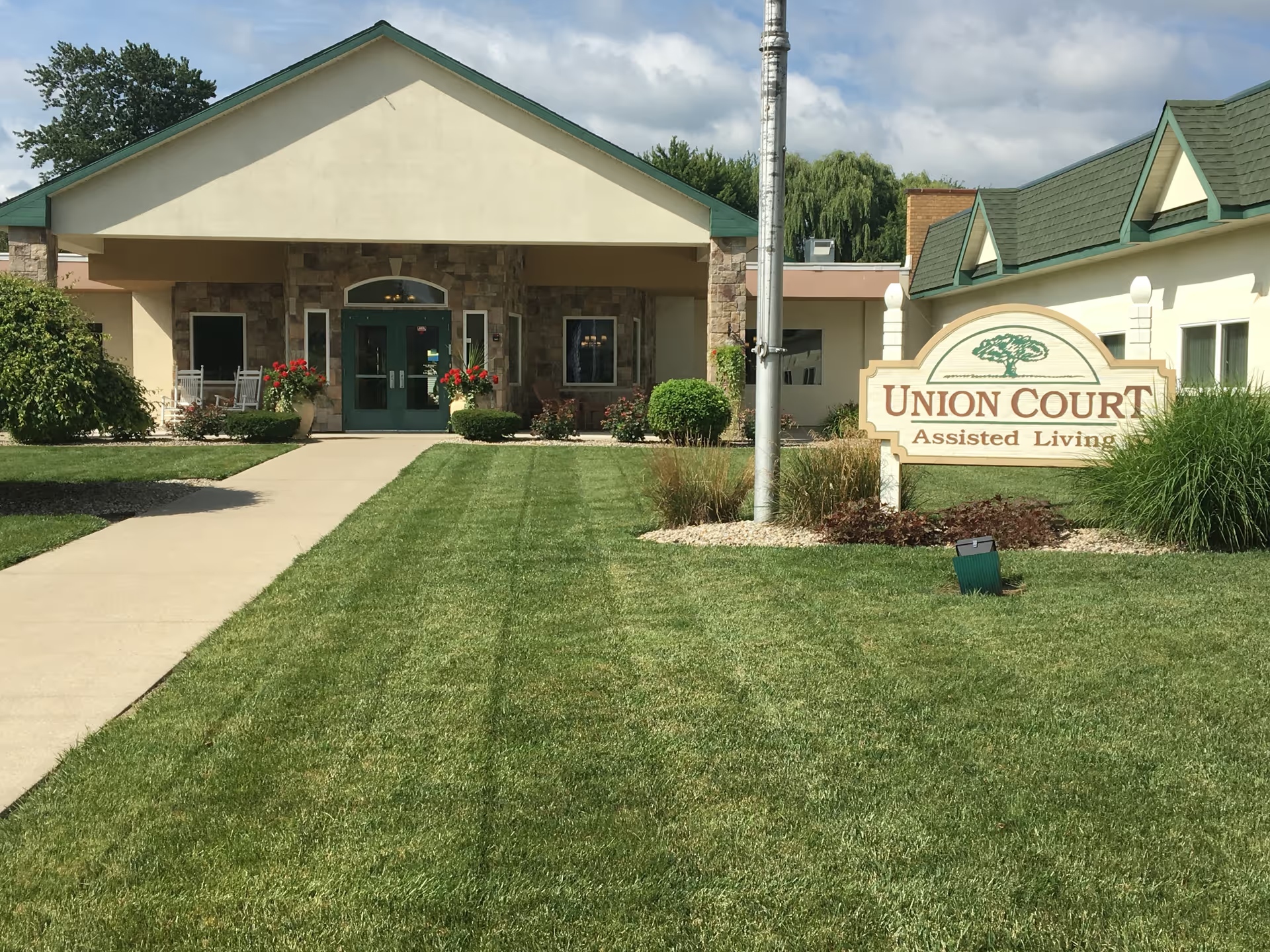
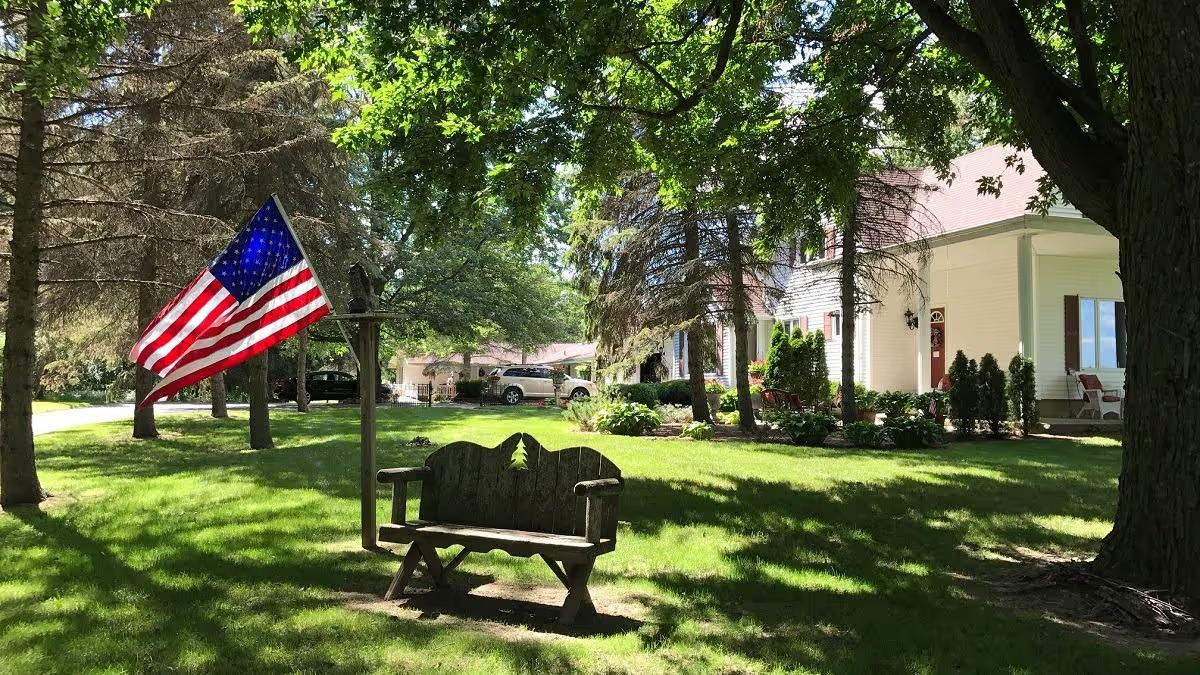
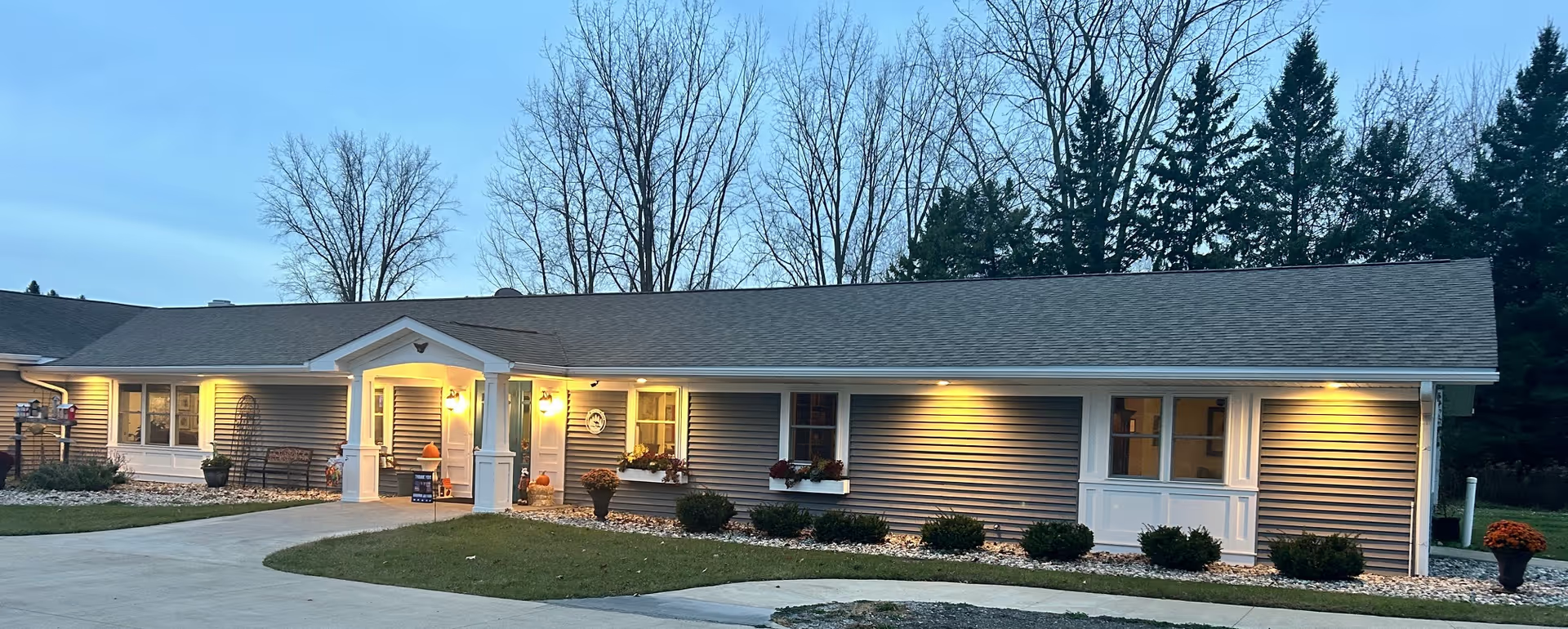
Overall impression: Optalis Health & Rehabilitation at St. Francis elicits strongly mixed impressions. Many accounts describe a rehabilitation-focused center with an effective therapy program that helps residents regain mobility and independence, supported by staff who create a welcoming, family-like culture. At the same time, other accounts describe operational and clinical gaps that have materially affected resident experience and safety. Prospective residents and families should weigh the center's rehabilitative strengths and community aspects against variability in day-to-day clinical operations and facility maintenance.
Care quality and clinical operations: The facility's physical therapy department and overall rehabilitation programming receive consistent praise for improving mobility and facilitating discharge. Several reviewers attribute successful recovery outcomes to the therapy team. Nursing and CNA performance is characterized variably: many reviewers describe compassionate, attentive caregivers and specific staff members who provide high-quality bedside care, while others describe inconsistent responsiveness, delays in administering medications and treatments, and concerns about timely attention to hygiene needs. There are also recurrent concerns about how the facility responds to clinical incidents and communicates with families; a subset of reviews documents severe adverse events and related communication gaps, which should prompt verification through facility incident logs and regulatory records.
Staffing and management: Staff culture is frequently described as warm and family-oriented, with visible leadership and approachable administrators praised by many families and employees. Social work and activity staff are often noted as helpful for discharge planning and resident engagement. However, reviewers also identify shift-to-shift variability in performance, occasional unresponsiveness from management on specific issues, and billing or administrative follow-up problems. These patterns suggest strengths in leadership presence but inconsistency in operational follow-through and escalation processes.
Dining, activities, and environment: The activities program is a clear strength — reviewers note regular programming, social events, Mass, and opportunities for resident participation that contribute to quality of life. Dining impressions are mixed: some reviewers applaud well-seasoned meals and an active culinary team, while others raise concerns about food temperature, consistency, and service. Cleanliness and housekeeping are praised by several families for daily room cleaning, but there are also reports of kitchen sanitation and equipment maintenance issues and broader maintenance needs (peeling paint, small rooms, heat control, and loose cords). These observations indicate variability between resident-facing housekeeping and kitchen/physical-plant upkeep.
Notable patterns and recommendations: The dominant patterns are a strong rehabilitation program and a caregiving culture that can be highly compassionate, juxtaposed with operational weaknesses around medication management, timely response to care requests, kitchen sanitation, and facility maintenance. There are also recurring reports of care-transition coordination problems with external providers. For families considering this facility, recommended due diligence includes: review of recent state inspection reports and any corrective actions; discussion of medication-administration protocols and on-shift staffing levels; clarification of meal service procedures and kitchen sanitation standards; review of fall-prevention and incident-response policies; and direct conversations with social work about discharge planning and external-care coordination. Verifying these operational areas in person and requesting references from recent family contacts can help balance the facility’s clear rehabilitative strengths against the operational concerns described above.