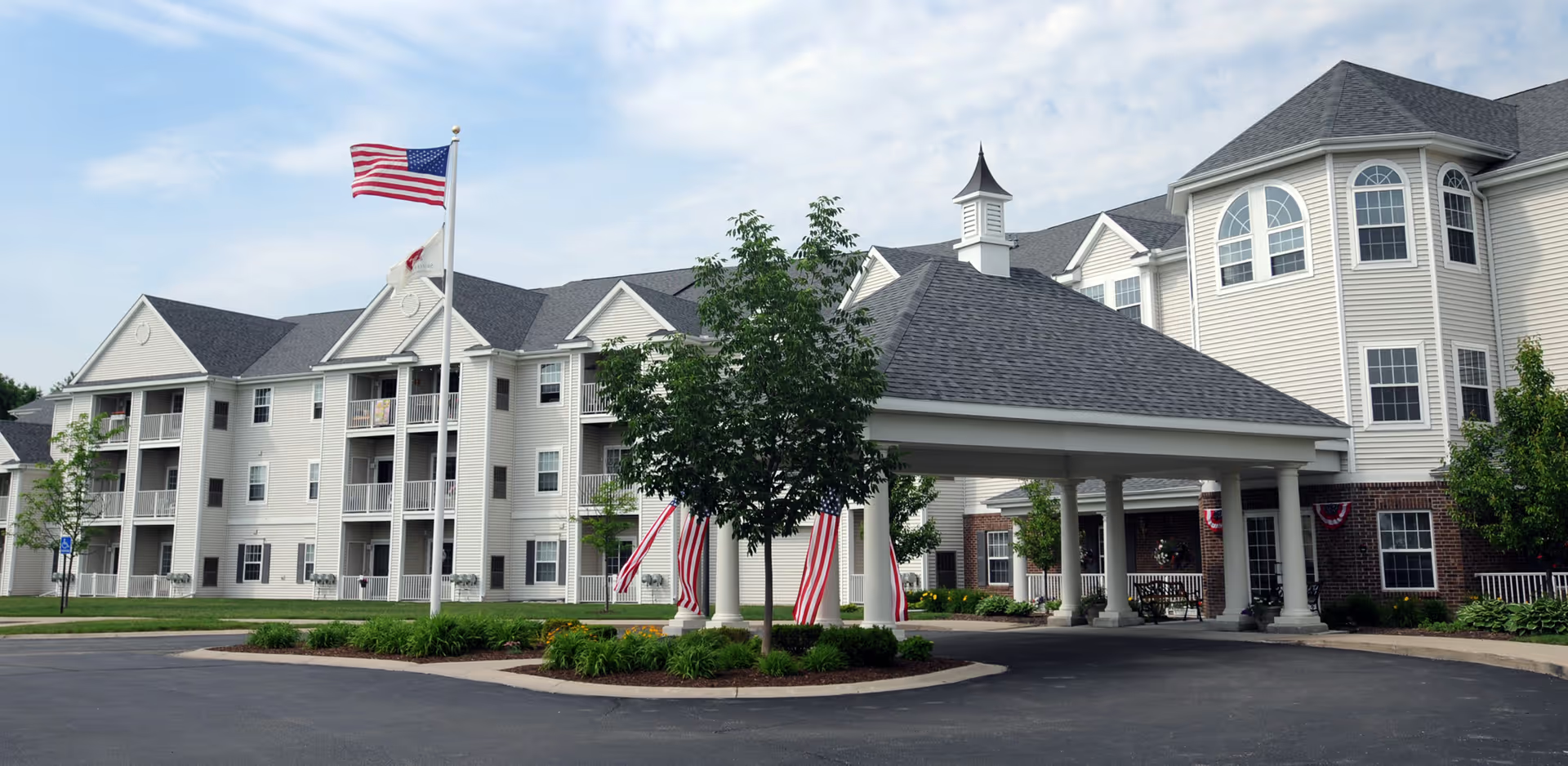
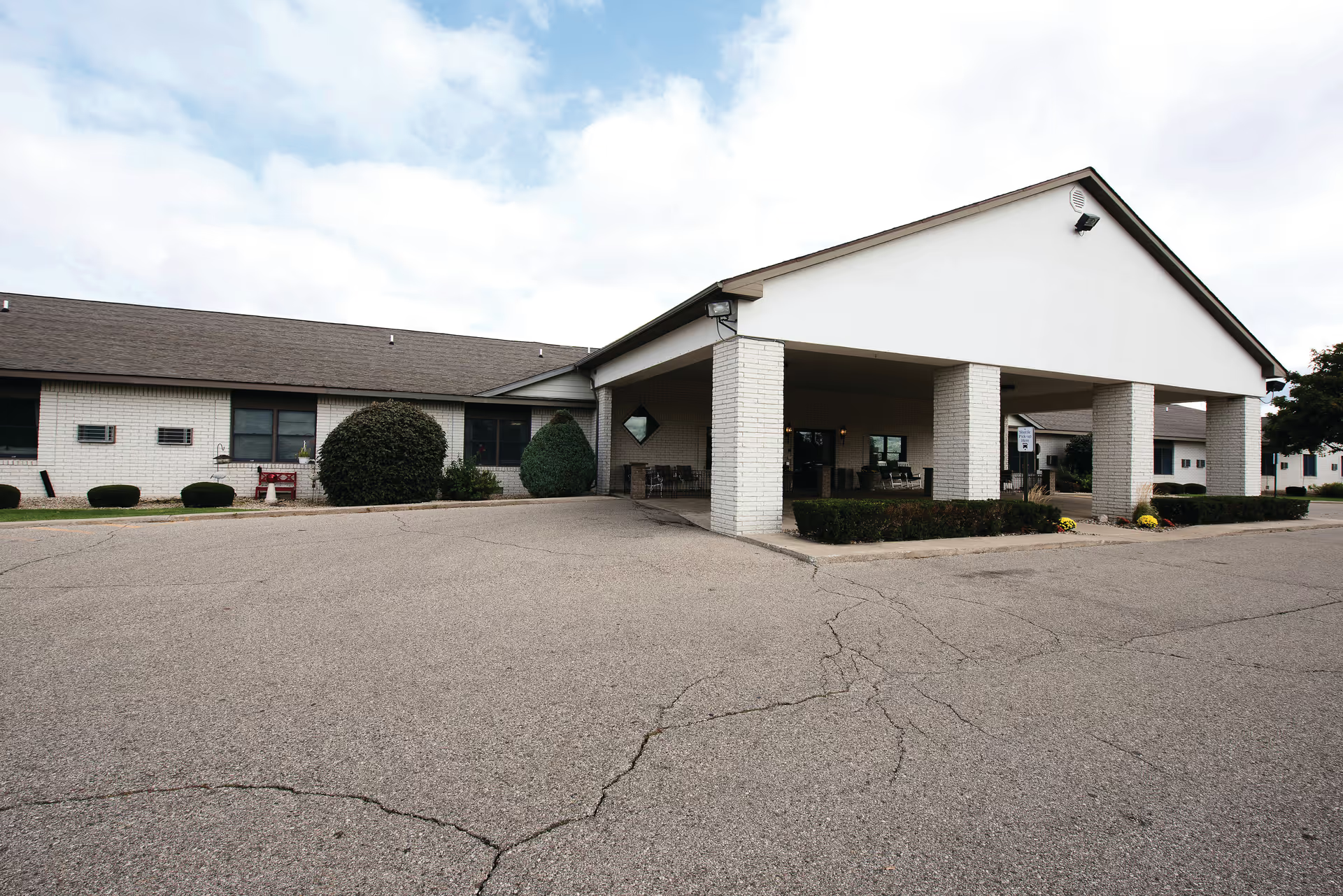
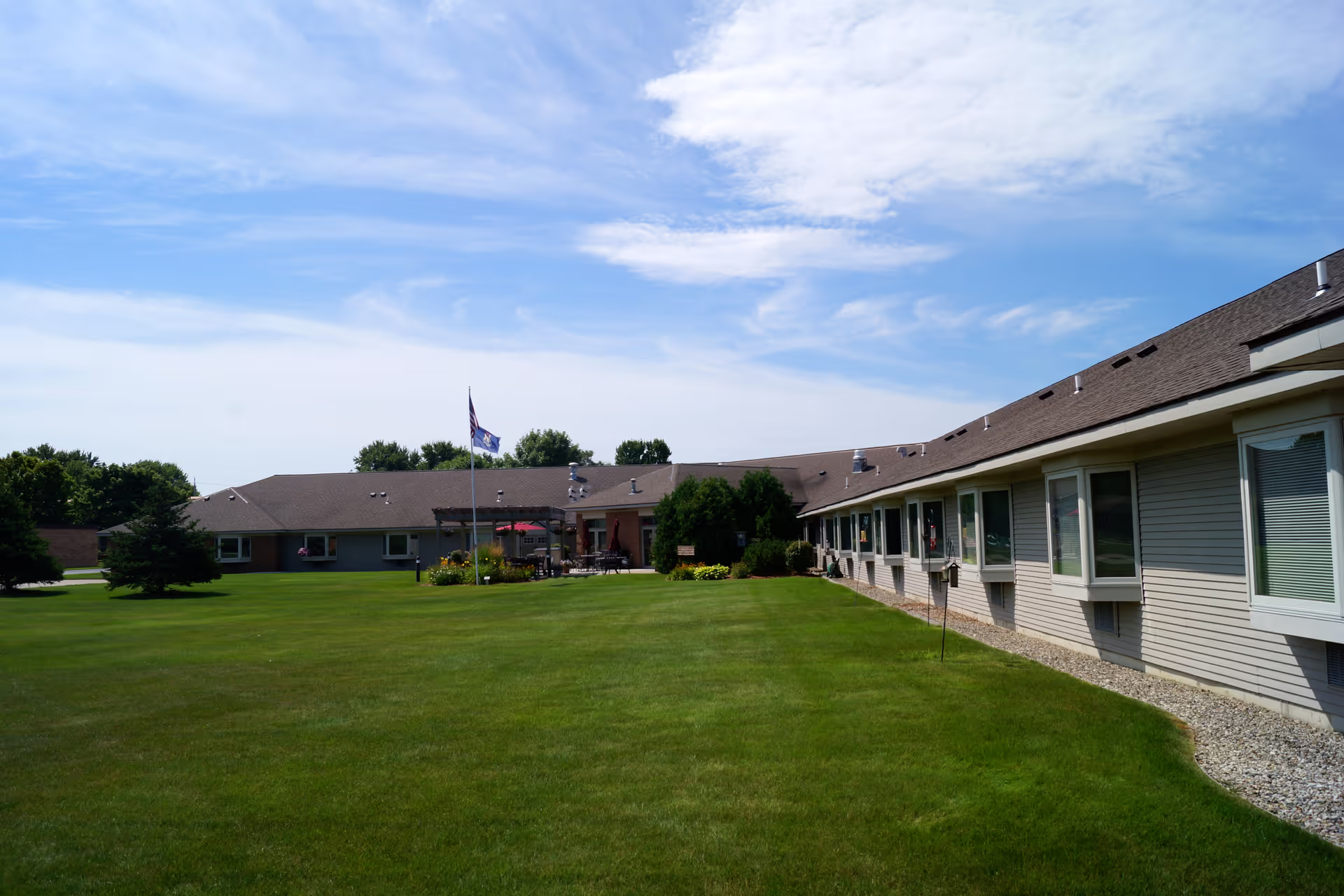
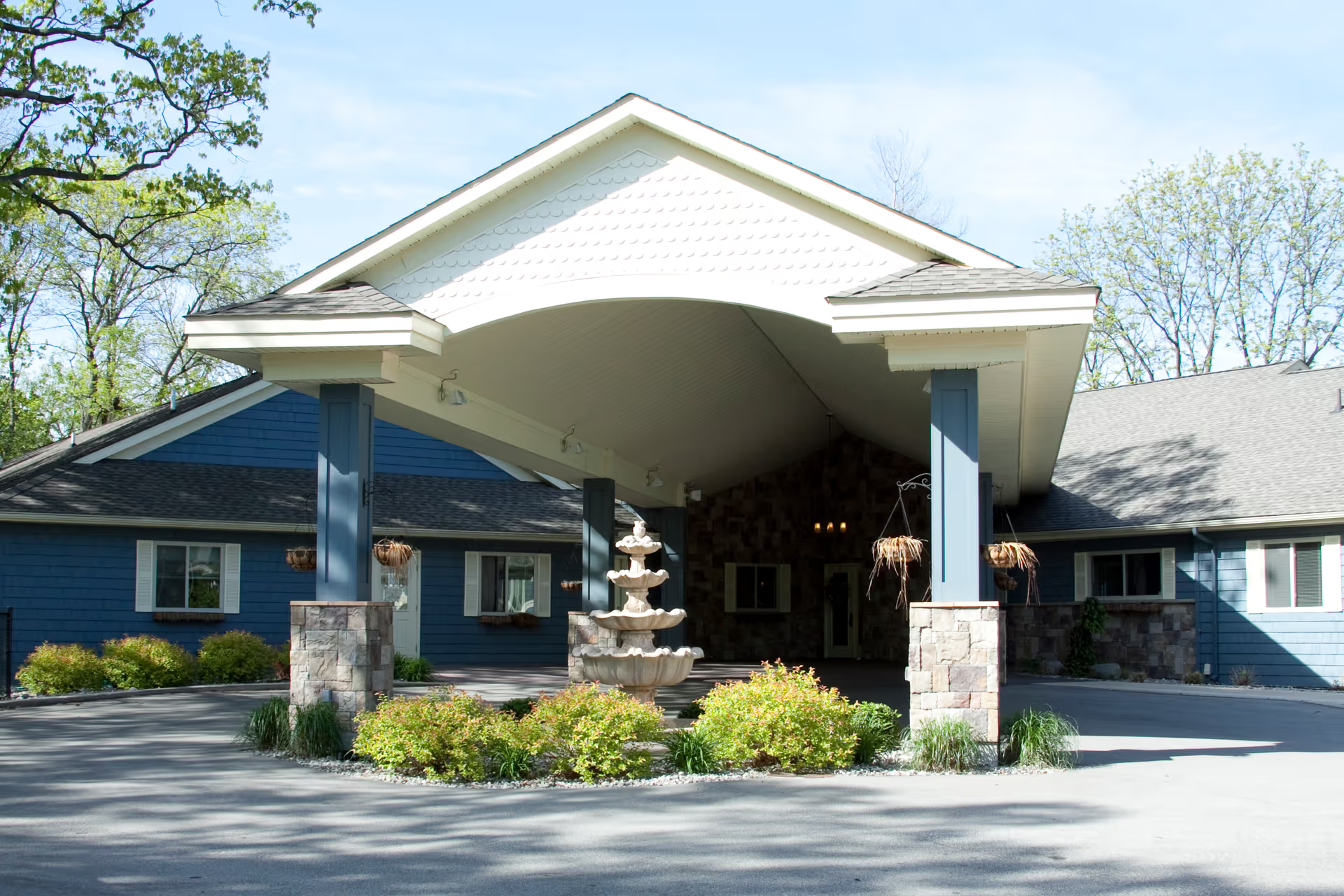
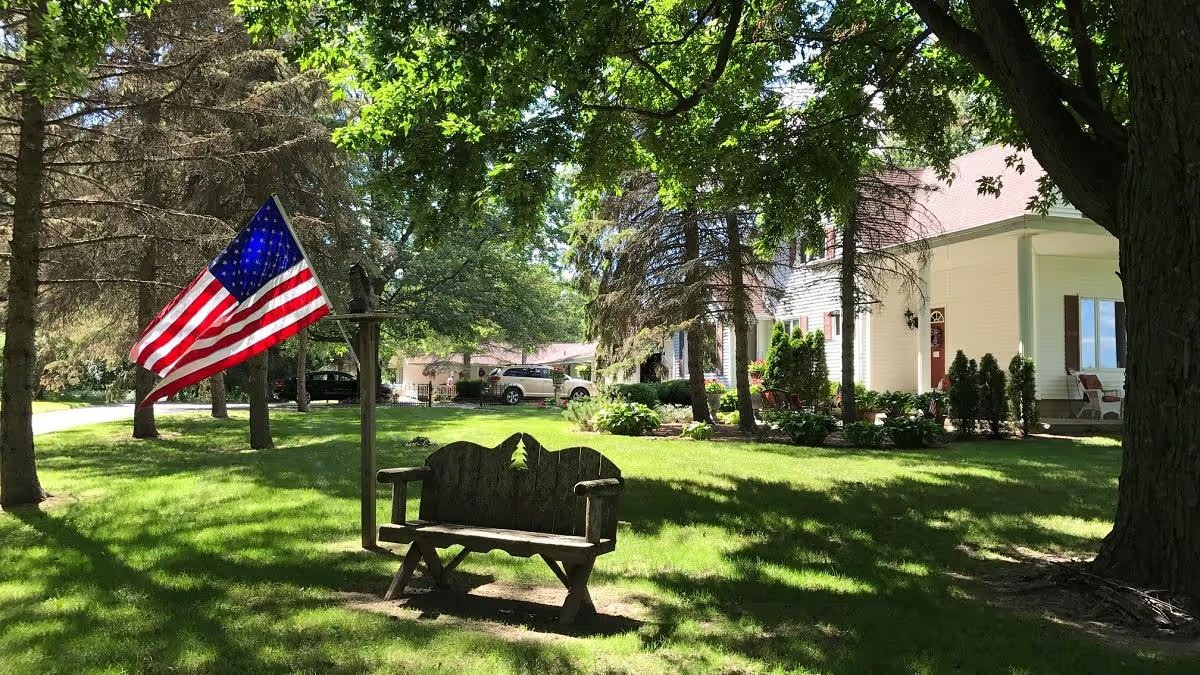
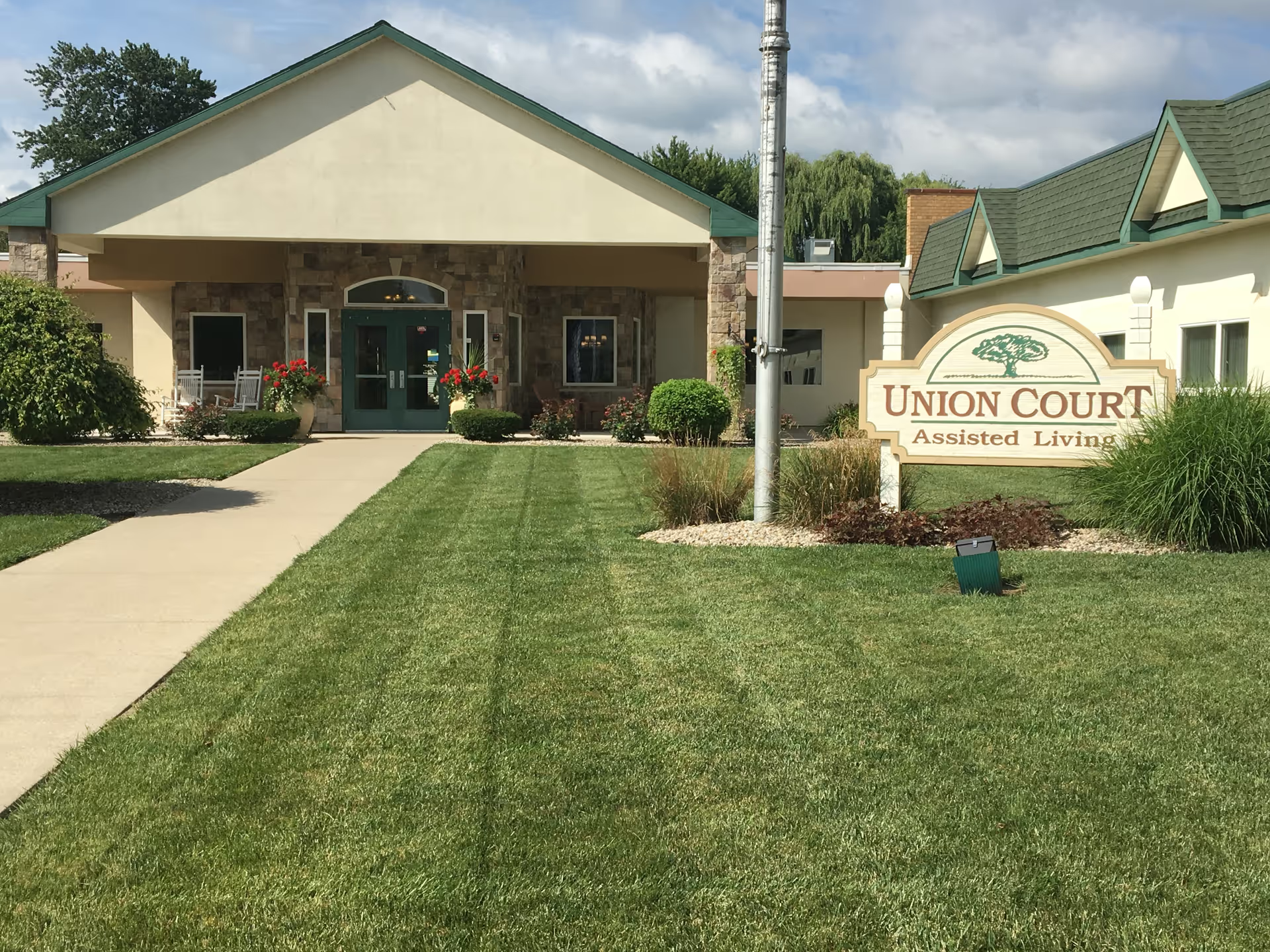
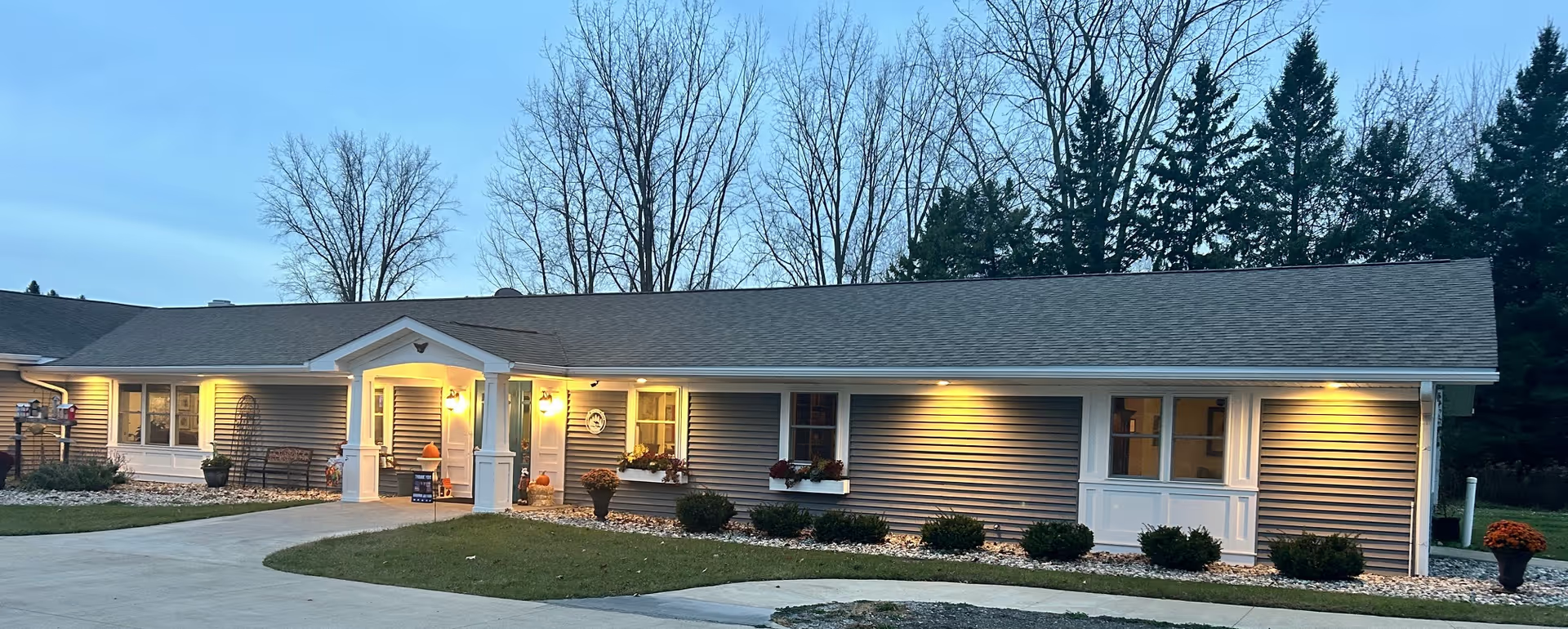
The reviews of Shields/Saginaw Comfort Care Assisted Living present a polarized picture: many families praise caring staff, a robust activities program, and a pleasant, well-maintained physical plant, while other accounts raise substantive operational and safety concerns. Strengths most frequently cited include warm, family-style staff interactions; a range of engaging activities (live music, bingo, crafts, and outings); accessible outdoor spaces and roomy accommodations; an on-site chef and generally positive dining experiences; and tangible improvements attributed to recent leadership changes and new clinical staff.
Care quality is mixed. Several reviewers describe attentive, compassionate caregivers and an on-site registered nurse who prioritize resident comfort and needs. Conversely, a recurring theme is inconsistent care related to staffing — reviewers cite frequent understaffing, rapid staff turnover, and instances of inadequately trained replacement staff. These staffing patterns have been associated with delayed responses to call buttons or life-alerts, lapses in fall-prevention measures (for example, inconsistent use of bed alarms), and concerns about timely assistance with personal care. Medication management and documentation also emerge as an area needing stronger controls: reviewers mentioned inaccuracies in medication lists and problems coordinating medication information during hospital transfers.
Dining and activities are relative strengths. Multiple comments highlight appealing meals, an involved chef, and a lively activities calendar; a new activities director is described as engaging residents effectively. A few families raised issues with menu consistency and dietary adherence (including concerns about sugar content), so prospective families should confirm dietary accommodations and menu oversight.
Facility condition and sanitation present mixed signals. Many reviewers describe a clean, modern facility with regular room maintenance and on-site personal-care services such as hair and nails. Other reviews, however, describe episodic sanitation concerns, inconsistent cleaning frequency, and issues with incontinence care and laundering. These are operational gaps rather than universal conditions, but they are significant given their potential impact on resident comfort and infection control.
Management and communication show evidence of recent improvement alongside persistent challenges. New administrative leadership and clinical hires receive positive mentions for advocacy and for initiating changes that families appreciate. At the same time, complaints include poor phone responsiveness, delayed paperwork and hospice follow-up, and perceptions of opaque complaint-handling. Compensation and staffing models were cited as contributing factors to turnover and staffing shortages.
Notable patterns: (1) Experiences are highly variable — glowing endorsements coexist with serious concerns — so current conditions may depend on recent staffing and managerial changes. (2) Safety and staffing are the most consistent operational concerns; they are linked to response times, fall risk mitigation, and personal-care routines. (3) Leadership changes have produced observable improvements for some families, suggesting the facility may be in transition.
For families considering this community, recommended due diligence includes an in-person visit during care hours to observe staffing levels and response times, asking for current staffing ratios and clinical protocols (fall prevention, bed alarms, medication reconciliation), reviewing cleaning and laundry schedules, verifying dietary accommodations, and discussing recent management changes and quality-improvement measures. Request current reference contacts and any recent inspection or survey results to corroborate the facility’s present performance.