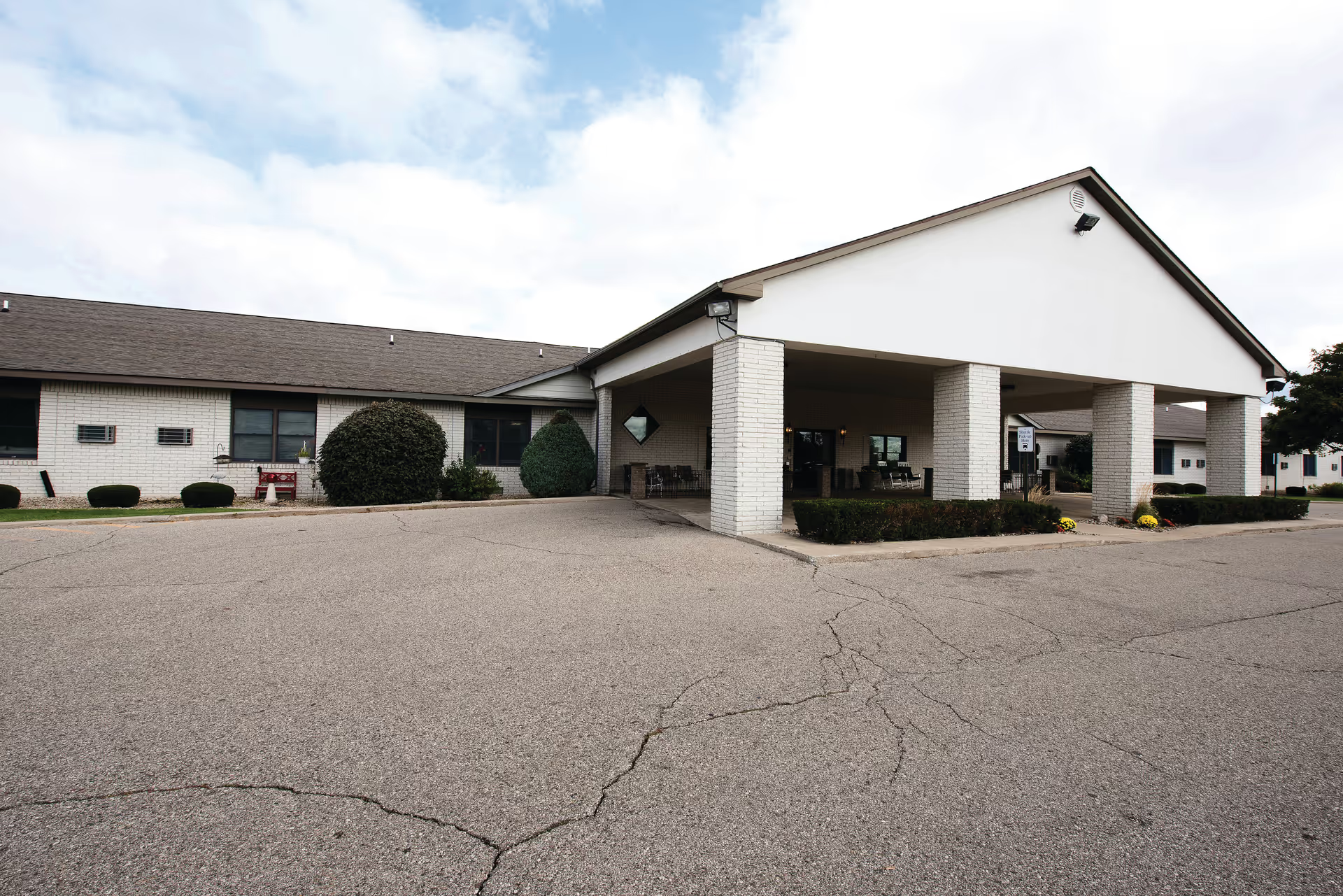
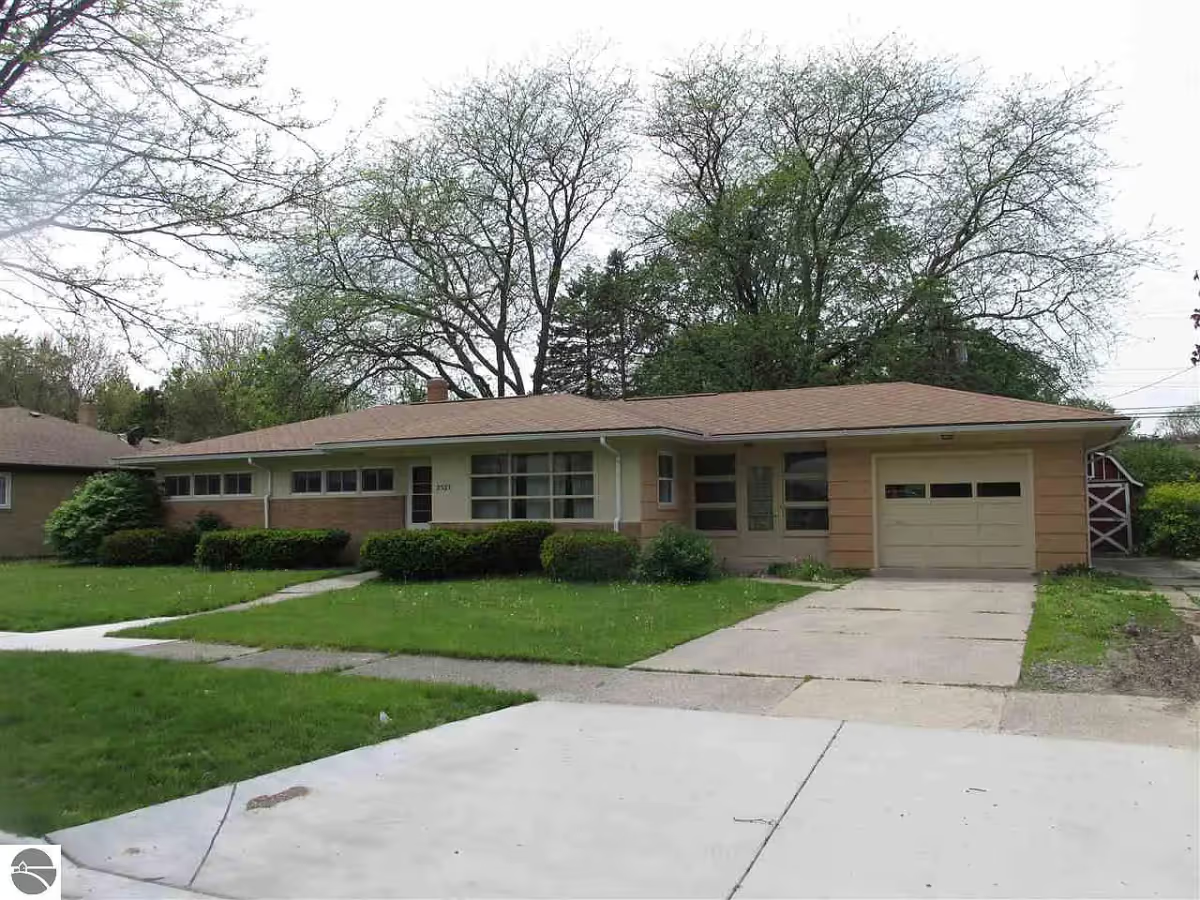
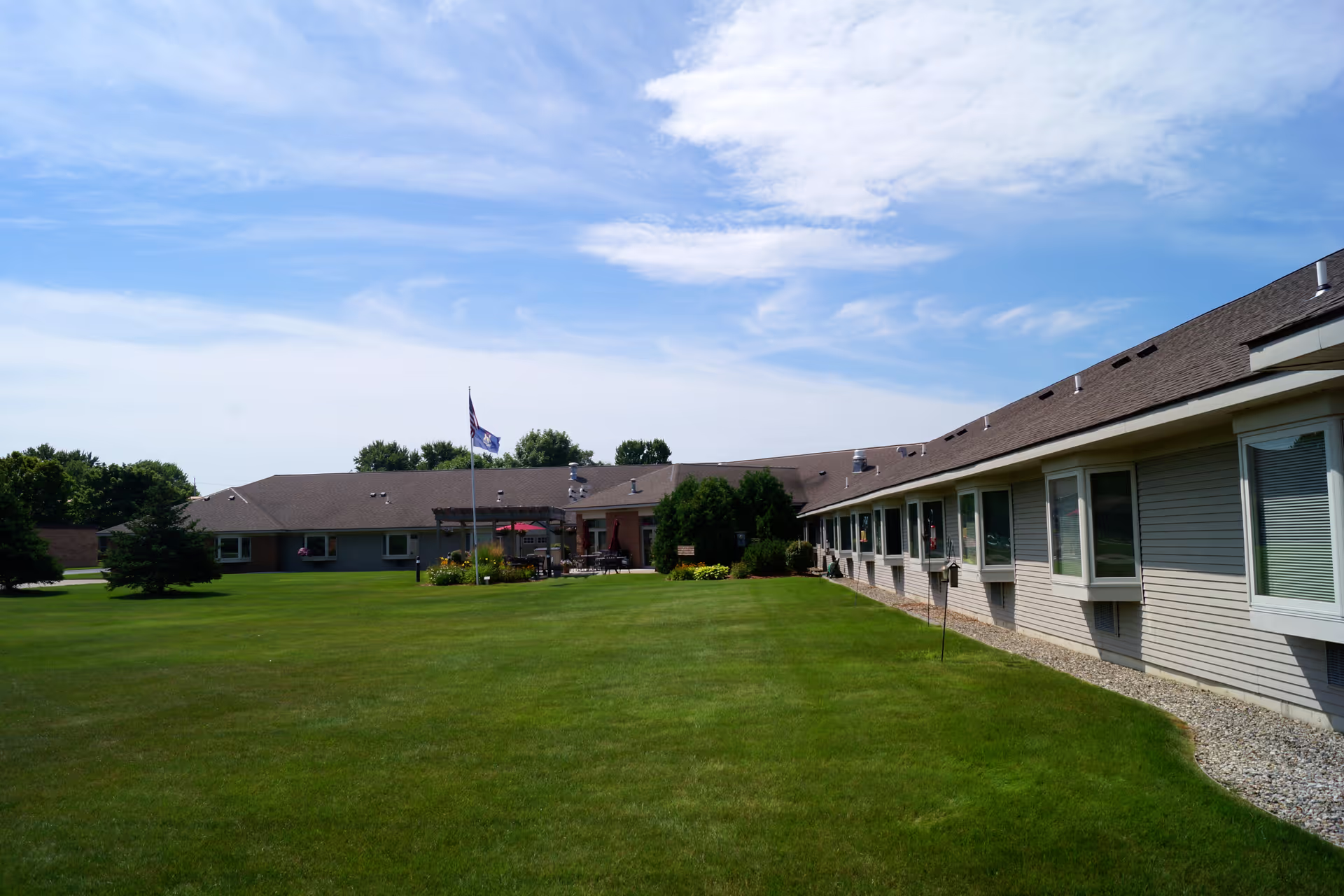
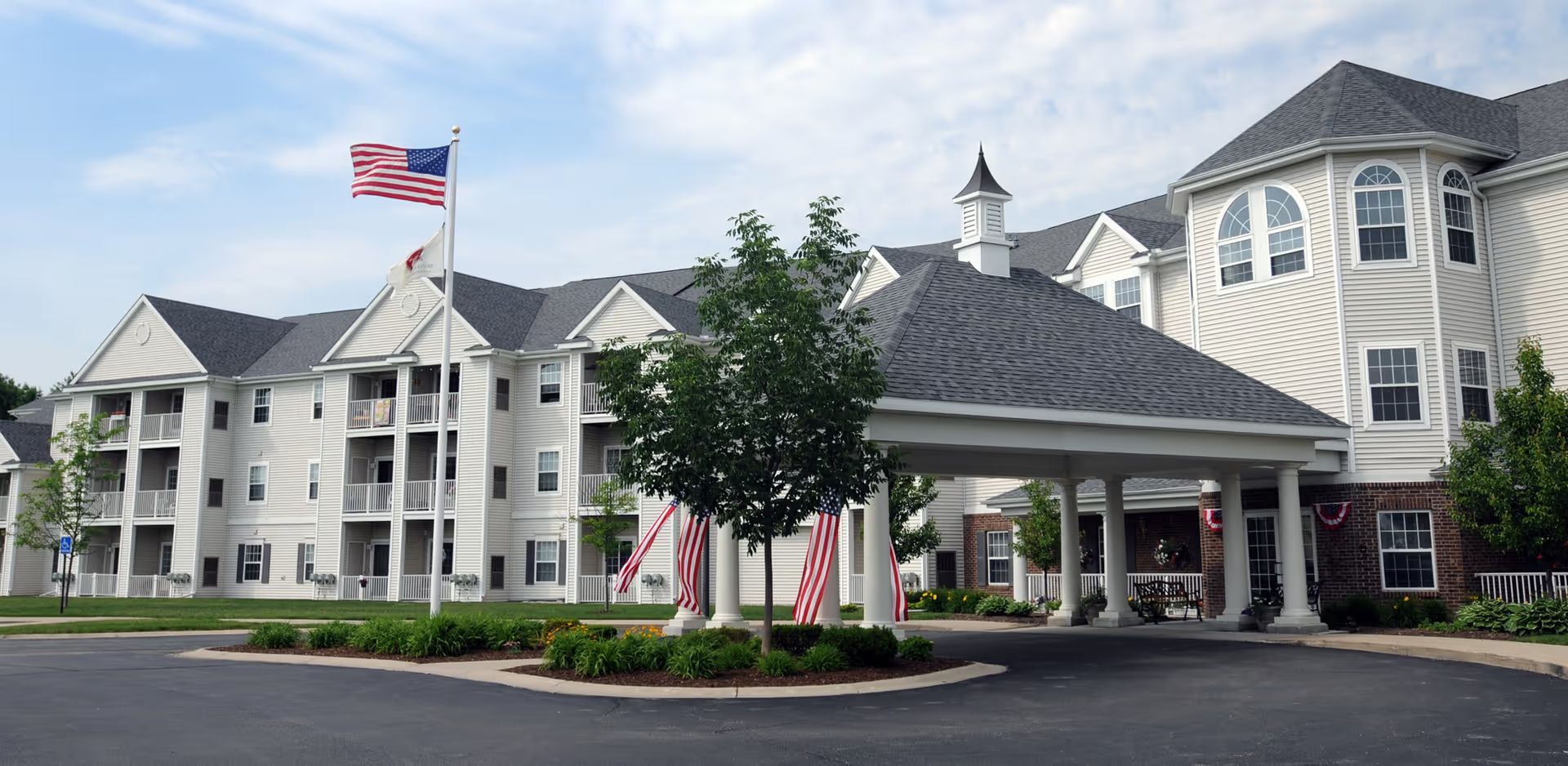
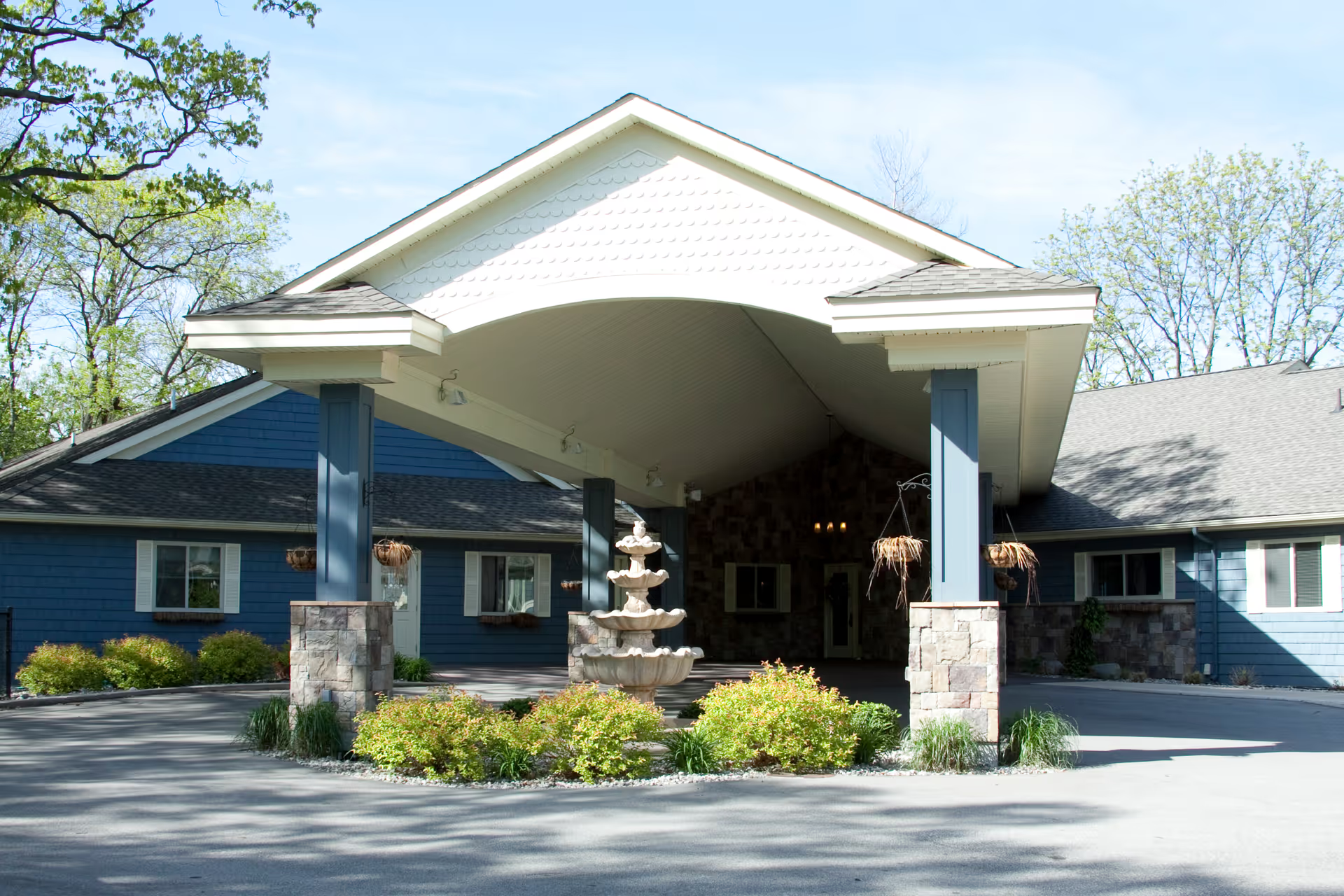
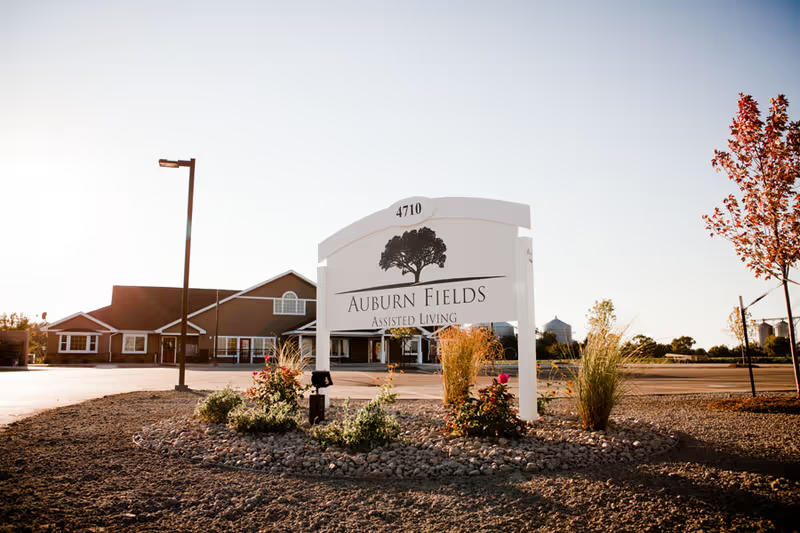
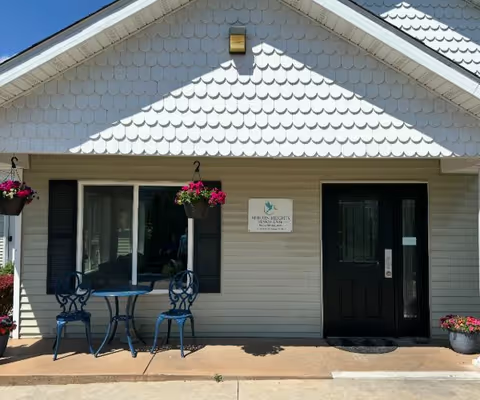
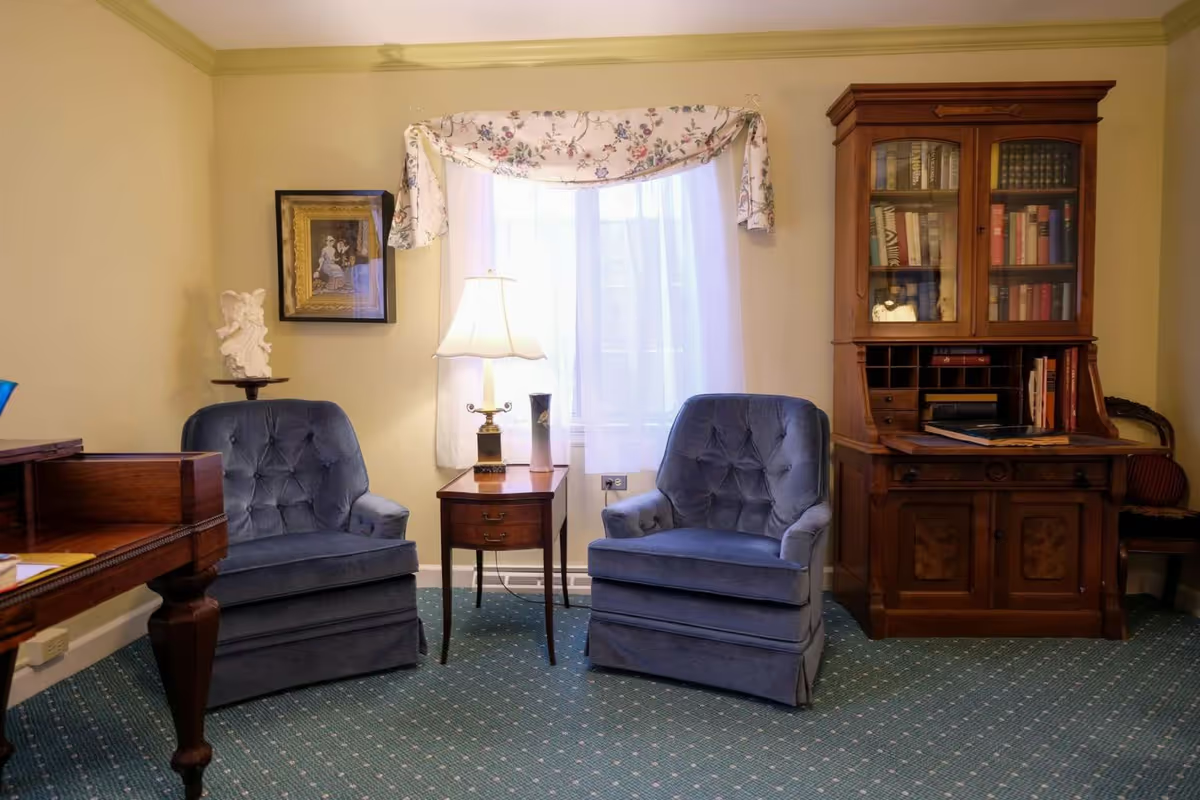
Traditions of Saginaw Main Campus elicits a split set of impressions: many families and residents emphasize a warm, community-oriented environment with caring staff and an active program of events, while other accounts point to operational weaknesses that affect day-to-day care. The facility presents strong environmental and social attributes—newer, remodeled spaces, a range of apartment sizes (including two-bedroom units with kitchens and garages), visible holiday programming, and organized transportation—that support independent and assisted living lifestyles.
Care quality shows both positive and concerning signals. Numerous families describe attentive, compassionate caregivers and a smooth admission process that helped residents settle and make friends. Several accounts indicate that the campus can deliver good clinical support and comfort management when staffing and oversight are present. However, there are recurring concerns about medication-management processes and clinical oversight; these issues appear to correlate with reports of high staff turnover and inconsistent staffing, which can disrupt continuity of care. Some families also described limited support for end-of-life planning and services.
Staffing and workforce issues are a central theme. Positive reports highlight staff who are friendly, helpful, and engaged with residents; at the same time, reviewers note frequent personnel changes, weekend understaffing, and perceived gaps in training. These workforce dynamics are cited as a driver behind other operational problems, including delays in responsiveness, uneven assistance during off-hours, and variability in care delivery.
Dining and housekeeping are mixed. Several residents praised meals as very good to excellent on many occasions, while others described a decline in food quality or days when meals were unsatisfactory. This points to inconsistent dining operations rather than uniformly poor catering. Housekeeping similarly shows contrast: common areas and some units are described as clean and well-maintained, but there are also reports of inadequate deep cleaning and spot-cleaning that misses dusting or appliance sanitation; these indicate variability in routine and deep-clean protocols.
Activities and community life are a consistent strength. The program includes a range of social and recreational options, family-style celebrations, holiday events, and transportation to external activities, which many residents find keeps them engaged and socially connected. Physical-layout features—single-floor designs and accessible apartments—support participation and independent living for older adults with mobility concerns.
Management and value perceptions raise additional considerations. Some families express concerns about management responsiveness and accountability, and a perception that costs are high relative to recent changes in service consistency. There are also comments suggesting an ownership focus on financial returns that, in some instances, coincides with staffing reductions or operational shortcuts.
Taken together, Traditions of Saginaw Main Campus offers clear strengths in community life, facilities, and many individual caregiver relationships, but prospective residents and their families should investigate operational consistency before committing. Recommended topics to review during a tour include current staffing levels and turnover, weekend staffing patterns, medication-management protocols, housekeeping and deep-cleaning schedules, sample menus and meal service routines, and policies for advanced or end-of-life care. Observing a mealtime, speaking with current residents and families, and asking for recent staffing and inspection information can help clarify whether the facility’s strengths align with an individual’s care needs and expectations.