The reviews present a mixed picture of Care First Group Living and In Home Services. Positive comments emphasize therapeutic and autonomy-preserving aspects of care, while other feedback identifies significant operational and management concerns that prospective families should evaluate directly.
Care and clinical services: Several accounts highlight programs that support resident independence and the availability of therapy services such as speech therapy. Some reviewers described the facility as capable of managing complex, high-acuity needs, including catastrophic injury rehabilitation. At the same time, at least one review raised serious concerns about staff conduct and resident safety; this is an elevated issue that prospective families should investigate through direct questions about training, supervision, incident reporting, and regulatory history.
Staff and social environment: Many reviewers praised the caregiving staff as compassionate and people-oriented, and noted a friendly resident community. These strengths suggest a supportive social environment and staff-resident rapport in some parts of the facility. However, inconsistent staff behavior and attitudes were also cited, indicating variability in staff performance and potential gaps in oversight or training.
Dining and activities: There is limited specific information about dining or structured activity programming in the available summaries. Positive notes about independence-focused programming and therapy availability indicate some therapeutic and activity resources are in place. Prospective families should request current menus, activity calendars, and examples of rehabilitative programming to assess alignment with the resident’s needs.
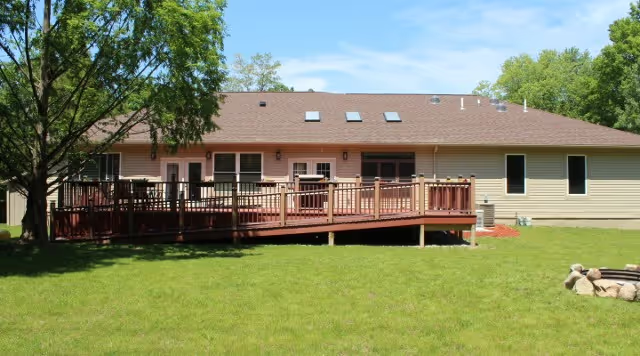
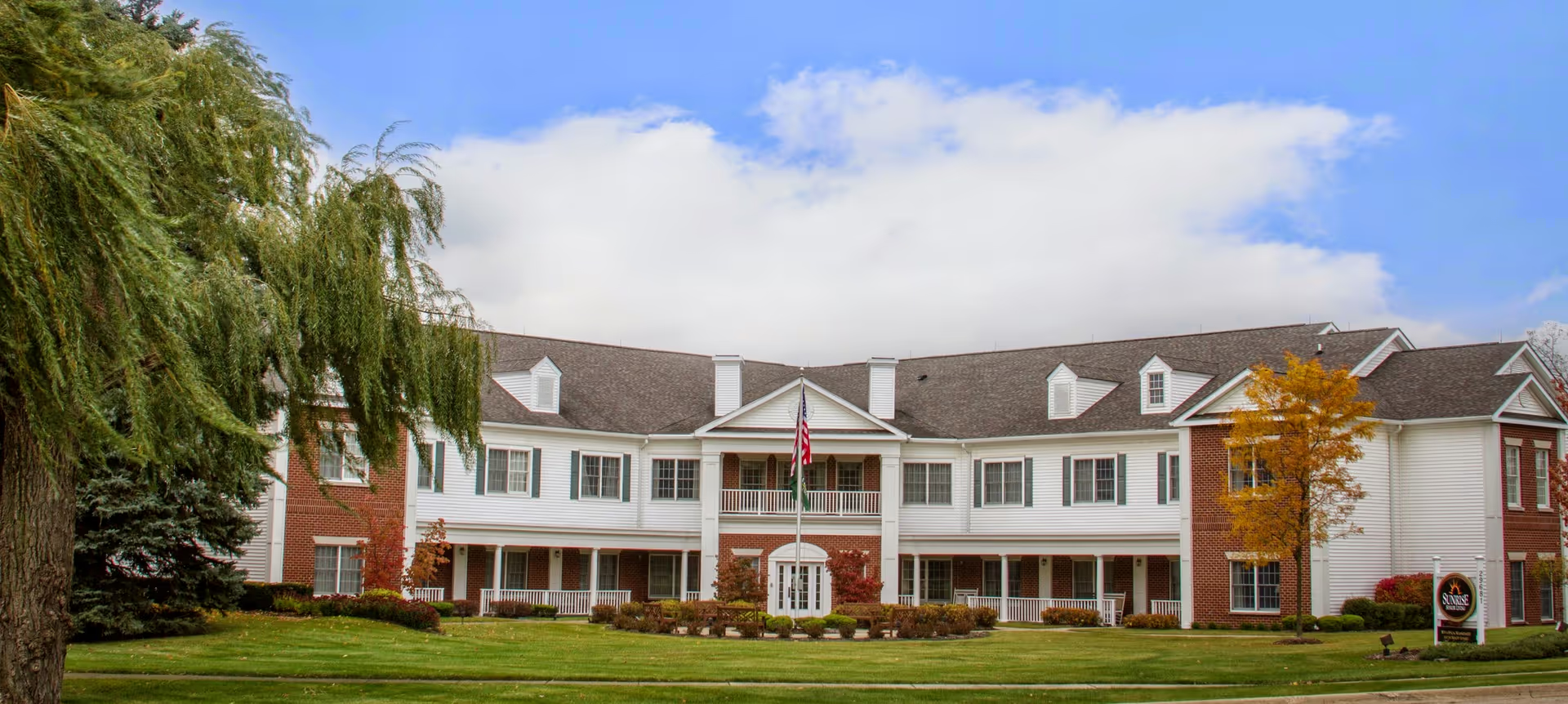
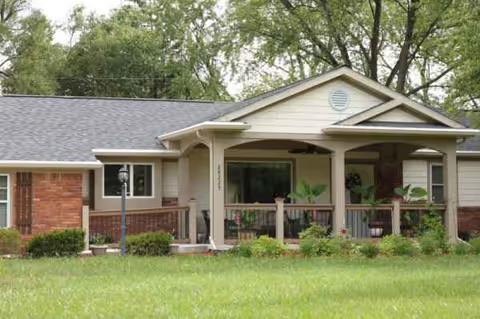
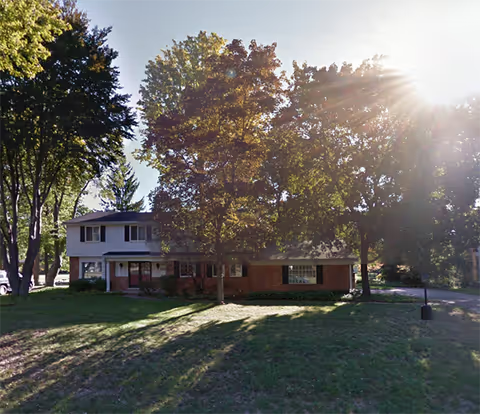
Facilities and maintenance: The facility’s physical layout was described positively by reviewers who valued a home-like, open design that avoids a "boxed-in" feeling. Conversely, maintenance issues were noted, suggesting uneven attention to facilities upkeep. Location was also a practical consideration; some families found the facility too far from home, which may affect visitation and family involvement.
Management, communication, and admissions: Communication and responsiveness emerged as consistent operational concerns. Reviewers reported poor phone responsiveness, difficulty getting callbacks during recruitment or admissions, and a lack of follow-up from recruiters or administrators. There were also statements reflecting a perception that management places financial priorities above resident needs; one review included serious allegations about owner responsiveness and conduct. These patterns point to potential weaknesses in leadership transparency, complaint follow-up, and external communications.
Notable patterns and recommendation: Overall, the facility appears to offer strengths in therapy-oriented care, independence-focused programming, and a friendly resident culture in some areas, but there are also substantive concerns about communication, facilities maintenance, and management practices. Prospective residents and families should perform targeted due diligence: visit multiple times at different hours, speak with clinical leadership about staffing ratios and incident reporting, request documentation of staff training and therapy service availability, inspect maintenance records, and ask for references from current families. These steps will help determine whether the facility’s positive attributes are consistent and whether operational concerns have been addressed.