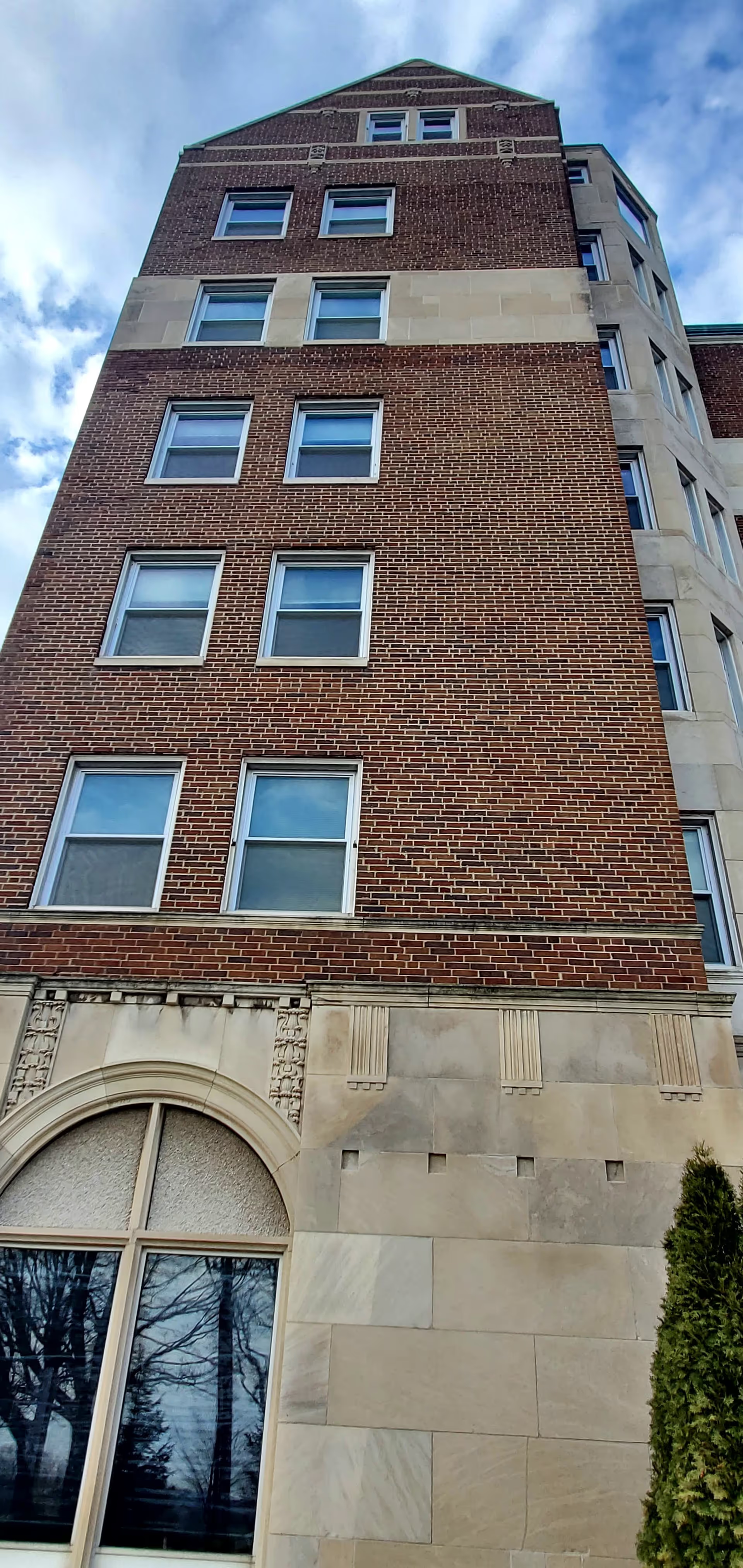
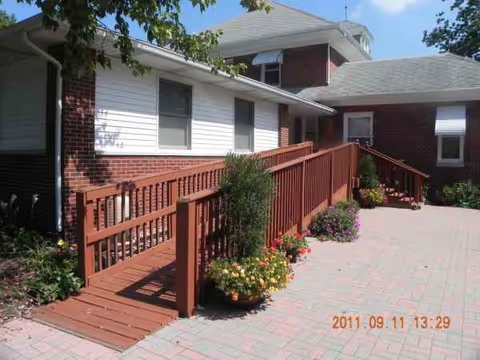
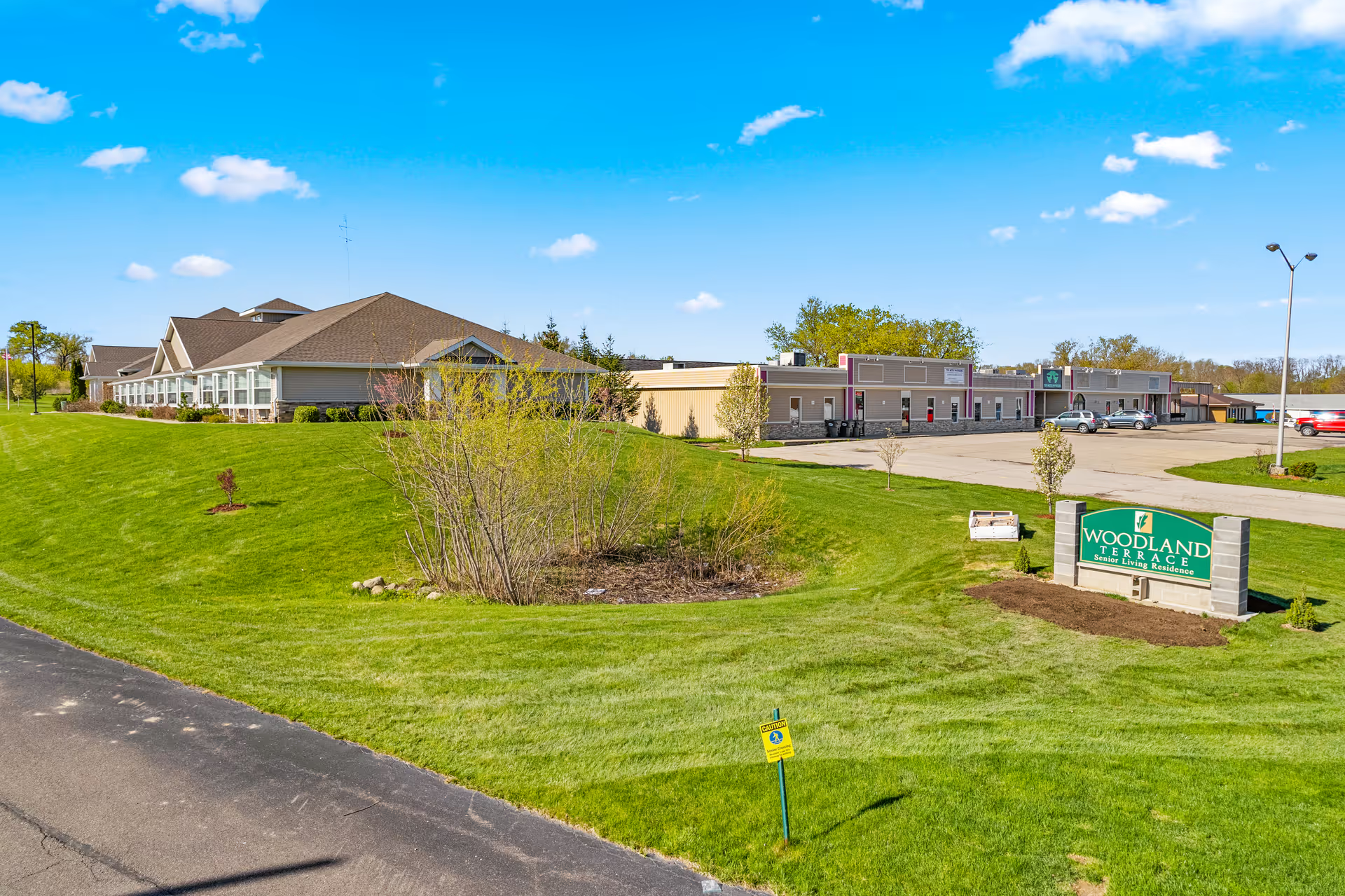
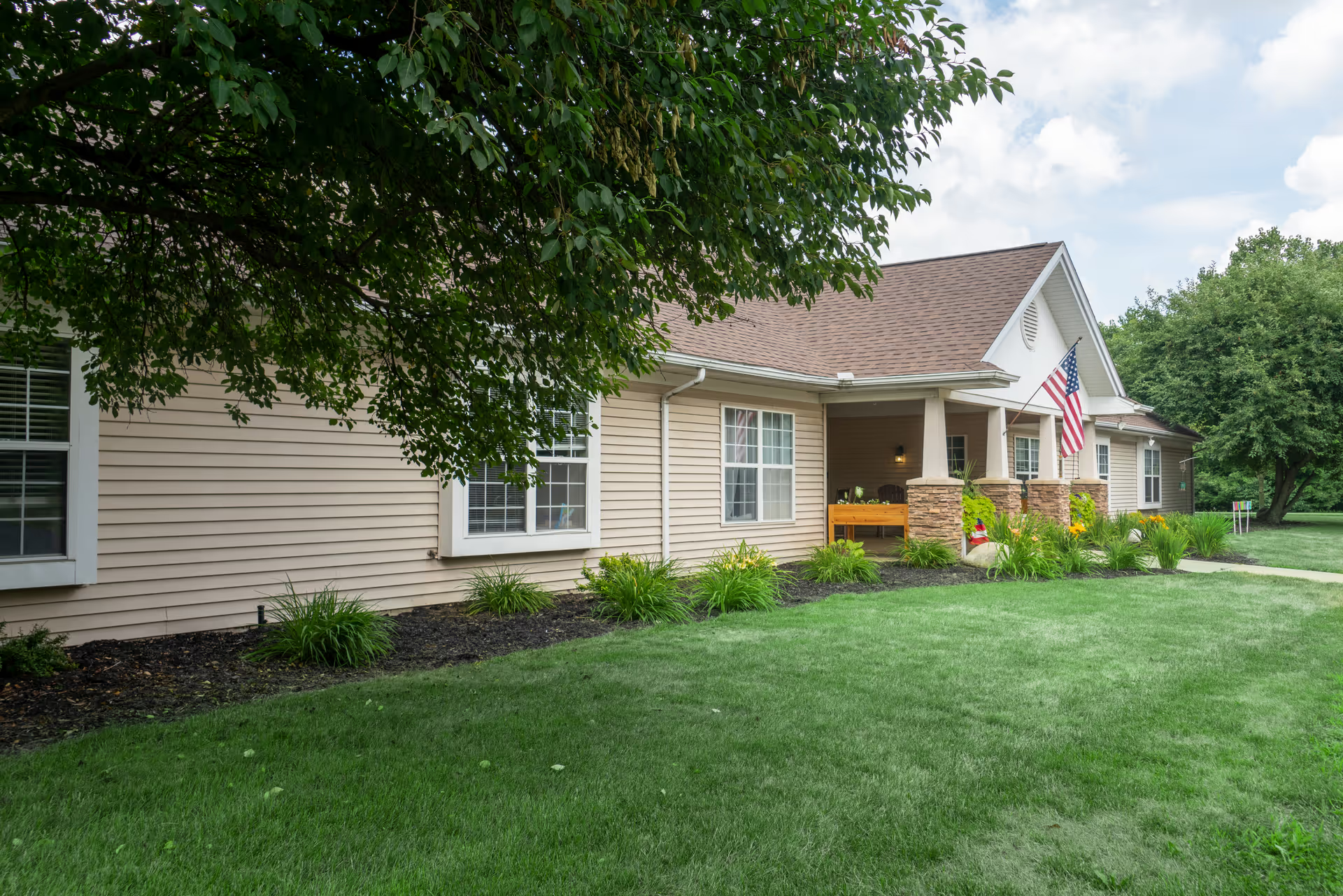
Provision Living at St. Joseph presents as a recently refreshed, amenity-rich community with a strong hospitality orientation. Physical spaces and décor are consistently described as attractive and well maintained, with communal areas designed to encourage socializing. The dining rooms are presented as restaurant-like and supported by an on-site chef and dietitian; multiple dedicated amenity spaces (movie theater, exercise room, piano/bowling options, inner courtyard) support a broad activity program. Sensor-based safety systems and fall-detection monitoring are notable technology features cited by families.
Clinical- and daily-care impressions are mixed. Many families praise warm, attentive direct-care staff and proactive care coordination (medication reminders, activity engagement, assistance with personal items). At the same time, reviewers express operational concerns around clinical staffing levels and staff qualifications, with some incidents indicating lapses in medication administration and documentation. Memory-care supports are present physically (separate dining area, specialized programming), but there are recurring concerns about the consistency and communication of memory-care placement and programming.
Staffing and communication emerge as key patterns. Frontline employees—caregivers, nurses on shift, and tour/admissions personnel—are frequently described as compassionate and helpful. However, several accounts point to leadership and administrative responsiveness problems, turnover among core staff, and occasional communication gaps with families. These operational weaknesses are linked by families to uneven follow-through on promises and inconsistent day-to-day execution despite the facility’s polished appearance.
Dining and activities are generally strengths, with many residents participating in scheduled events and enjoying menu variety. Yet there are also reports of uneven food quality and challenges providing meal assistance to residents who have difficulty feeding themselves; prospective families should clarify feeding support protocols. Transportation, pet policies, private family rooms, and respite options are additional positives for people seeking social and family-friendly features.
Cost and contractual terms warrant careful review. The community carries a higher price positioning and a significant deposit requirement, which multiple families flagged as important to understand up front. Prospective residents and families should prioritize detailed conversations during tours regarding staffing ratios and qualifications, medication-administration procedures and documentation, memory-care programming and placement consent, hospice or palliative capabilities, and the facility’s refund/contract policies. Overall, the community offers many hospitality and activity strengths paired with operational areas that would benefit from clearer administrative consistency and clinical staffing stability.