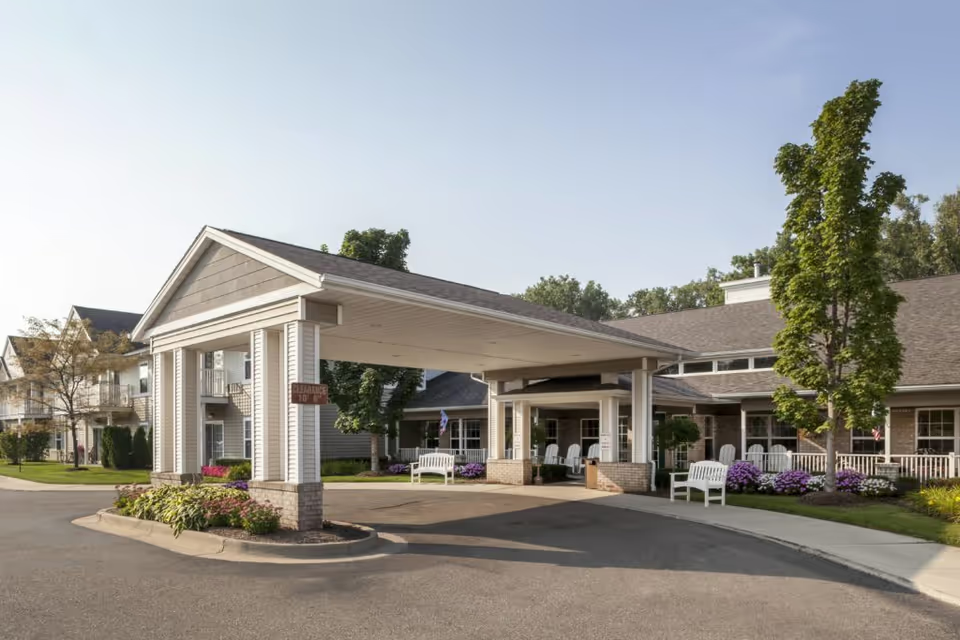
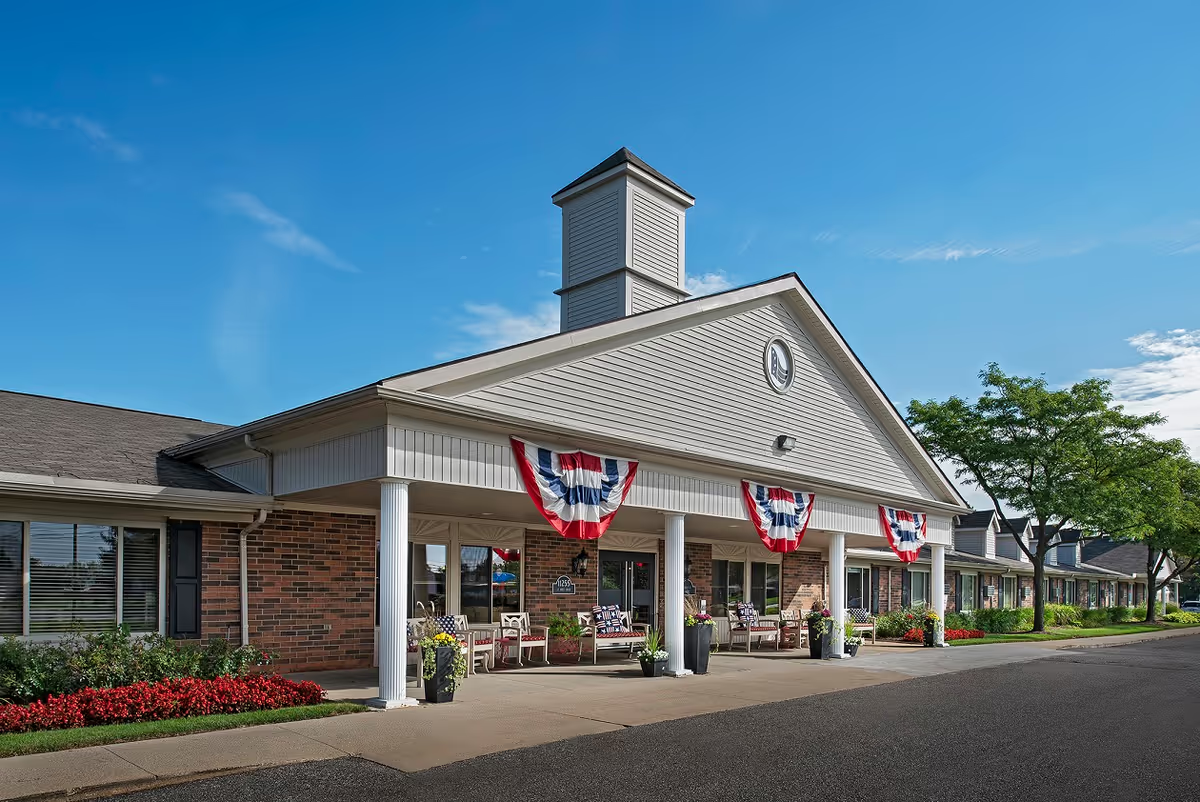
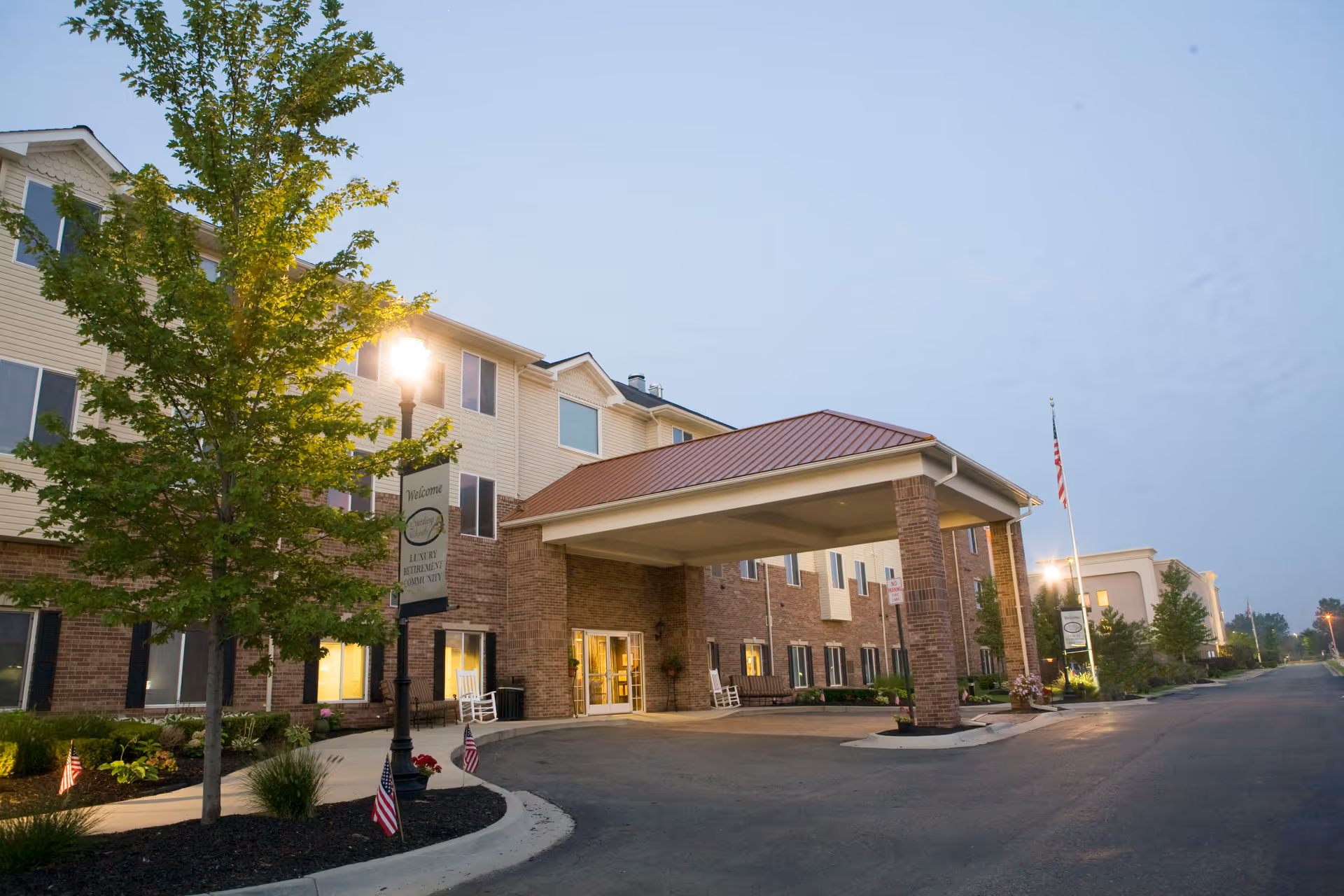
These reviews describe a facility with clear strengths in rehabilitation and support services alongside recurring operational weaknesses that affect nursing care and clinical safety. Therapy—both physical and occupational—is repeatedly highlighted as a major positive: families and residents report measurable functional gains, individualized plans, and supportive therapists. Wound-care clinicians, some night supervisors, concierge/admissions staff, and housekeeping/maintenance routinely receive favorable comments. The building itself is frequently described as clean, modern, and well maintained, and the activities program and flexible visitation policies are viewed as supportive of resident well‑being.
At the same time, reviewers commonly describe variability in core nursing services. Numerous accounts point to inconsistent nursing and aide performance, with particular concern about staffing levels and a reliance on agency personnel. That variability is associated with slow responses to call lights, delays in assistance with activities of daily living, and inconsistent bathing and toileting support. Reviewers also identified sanitation and incontinence‑care process issues and instances of pressure‑injury progression, which families linked to gaps in repositioning and routine care.
Clinical management and communication emerge as another pattern of concern. Several families described lapses in medication handoffs from hospital to facility, delayed administration of pain or antibiotics, missed or incorrectly timed medications (including for Parkinson’s care), and inadequate documentation during transitions. These handoff and medication‑management issues have, in some accounts, resulted in hospital transfers and urgent care needs. Shift‑to‑shift communication and family updates were also described as inconsistent, leaving families to advocate or remain overnight to ensure necessary care.
Dining and mealtime supports are mixed. Some reviewers praised accommodating dietary and concierge staff, fresh fruit, and warm meals when delivered properly. Others described late meal service, cold or frozen items, portioning errors, and insufficient assistance for residents who need help cutting or feeding. Meal quality and mealtime assistance appear to vary by unit and by staff on duty.
Management and administrative responsiveness receive both praise and criticism. Several reviewers named administrators, directors of nursing, and social workers who were proactive, communicative, and effective at resolving issues; other families described difficulty getting timely responses from leadership, missed discharge coordination (including durable‑medical equipment), and unresolved concerns after complaints. A pattern of variable follow‑through by social work and phone communication systems is evident across reviews.
Safety and process concerns recur in several domains: fall prevention and safe transfer practices, timely clinical escalation (including ambulance activation and emergency transfers), and consistent application of infection‑control or isolation measures during outbreaks. While some reviewers emphasized strong performance during infection‑control events, others described reduced oversight and inconsistent protection measures. There are also intermittent pest‑control and other facility hygiene concerns noted by families.
Bottom line for prospective residents and family members: Optalis Health & Rehabilitation of Sterling Heights appears to offer strong rehabilitation services, capable wound care, and a clean, modern environment with many staff who are compassionate and effective. However, there is a clear pattern of inconsistent nursing coverage, operational shortfalls in medication handoffs and shift communication, variable mealtime assistance, and intermittent safety/process failures. Families should plan for active advocacy during any stay: confirm medication transfer and timing on admission, ask about staffing levels on the intended unit and typical call‑light response times, verify discharge and equipment arrangements in writing, and meet the clinical team (therapy, nursing, DON) early to establish communication expectations.