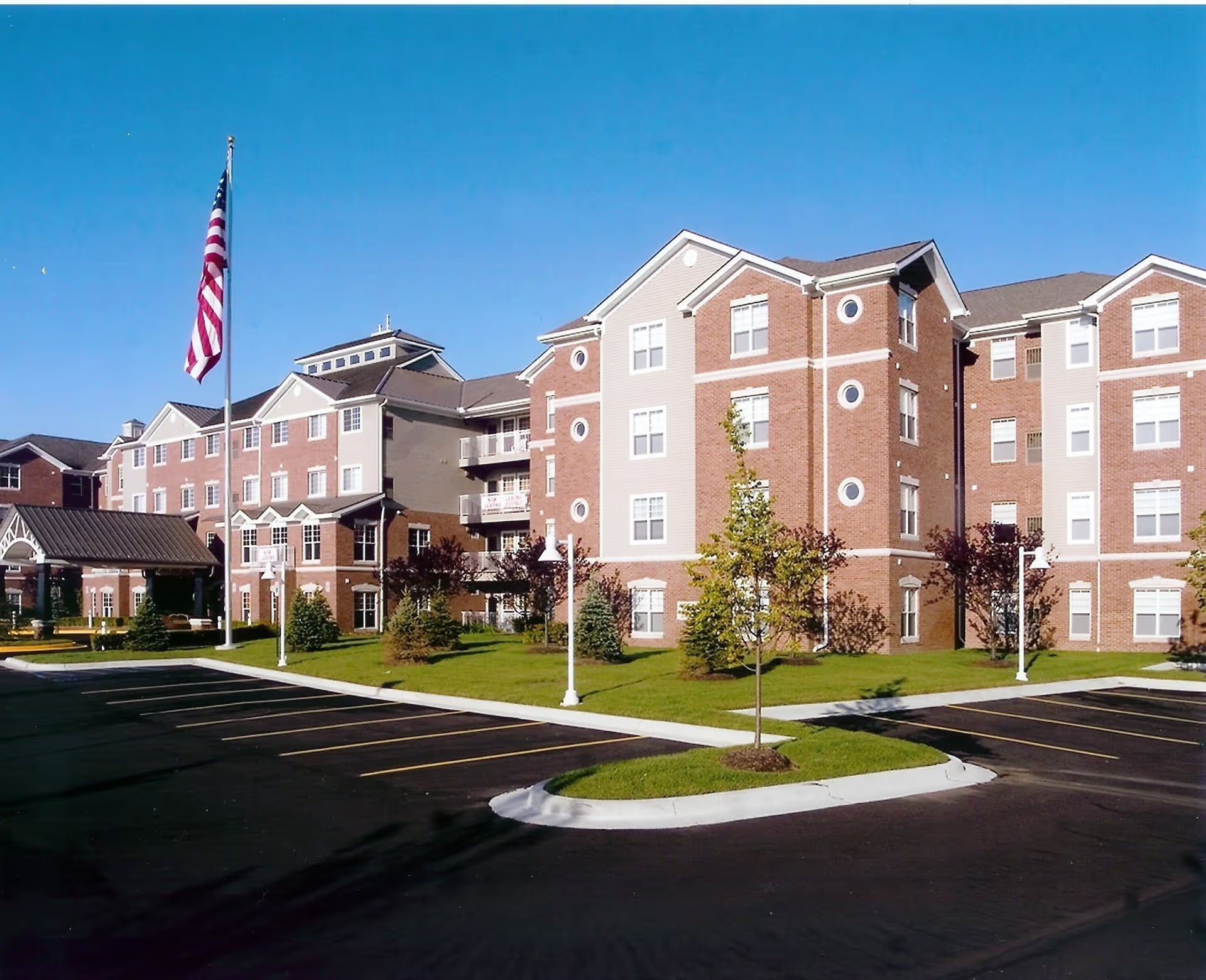
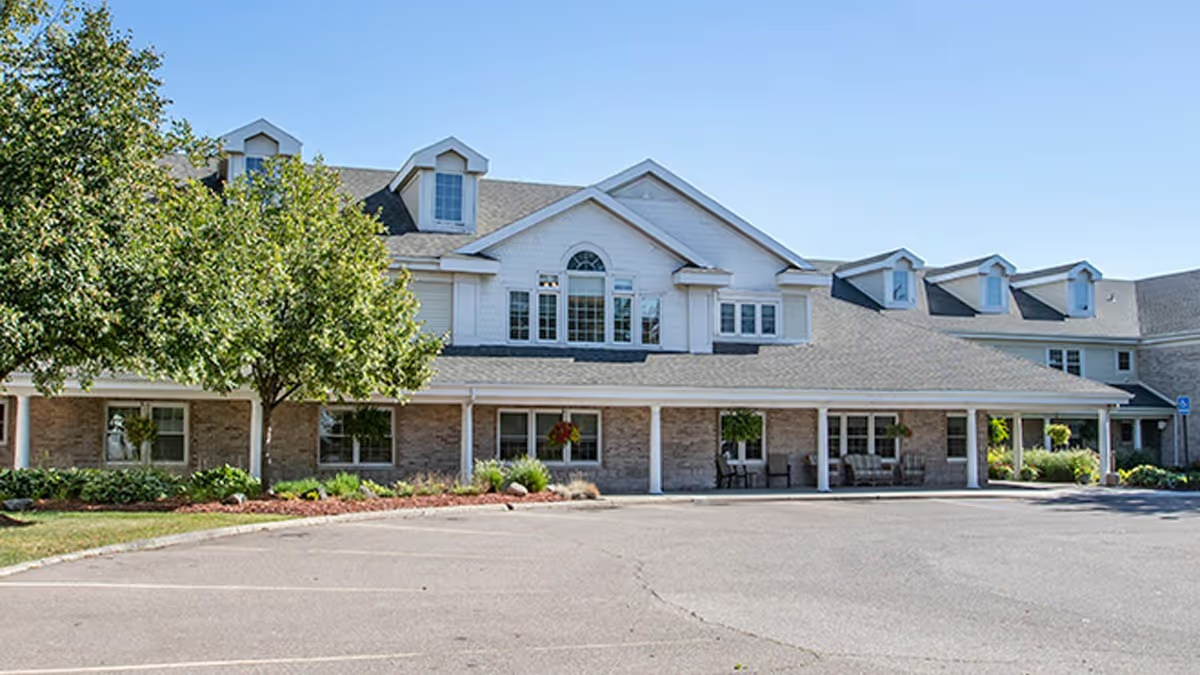
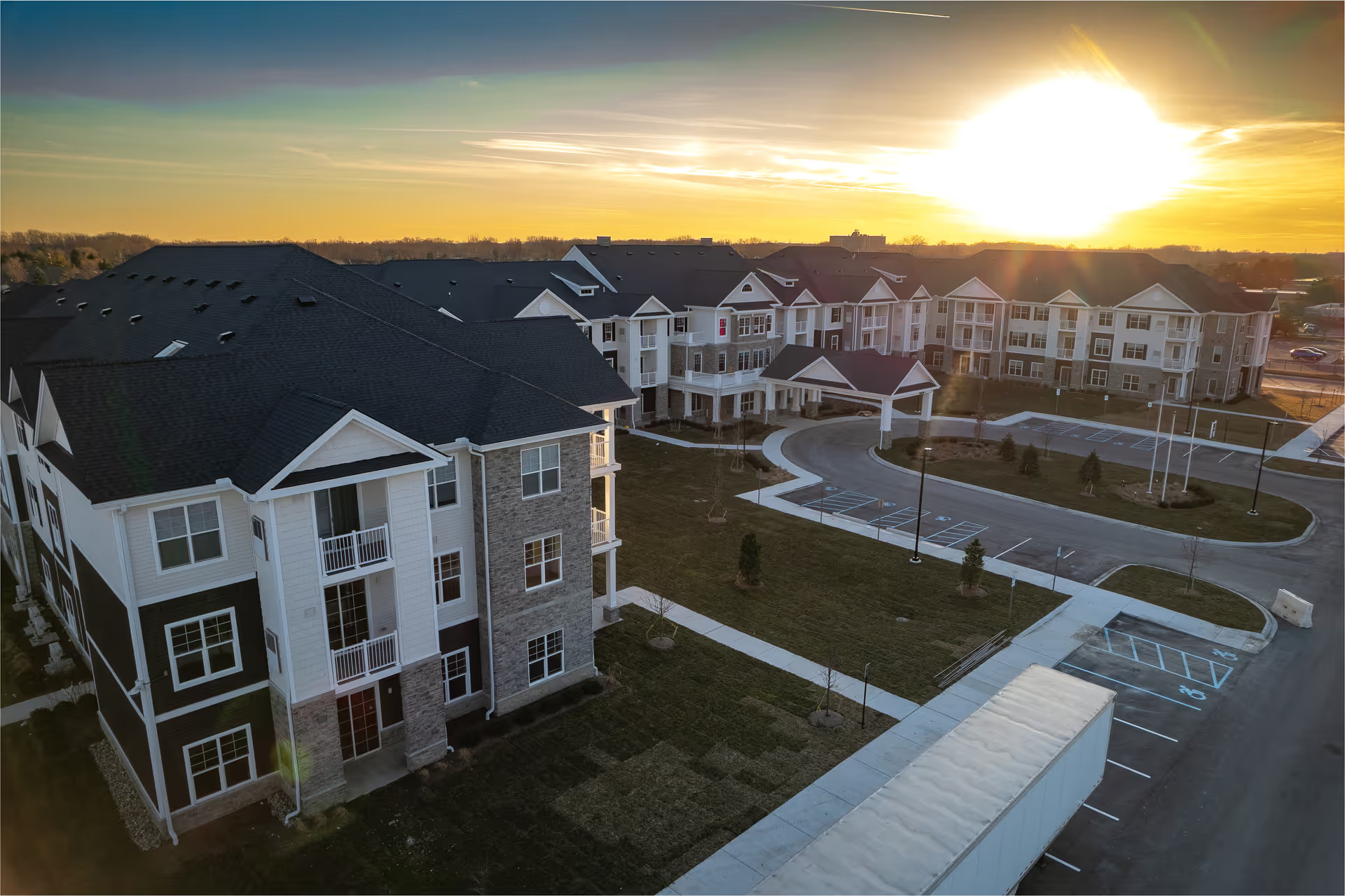
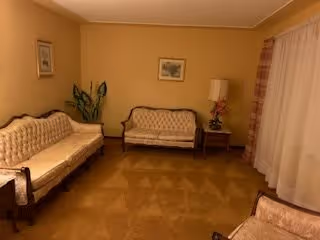
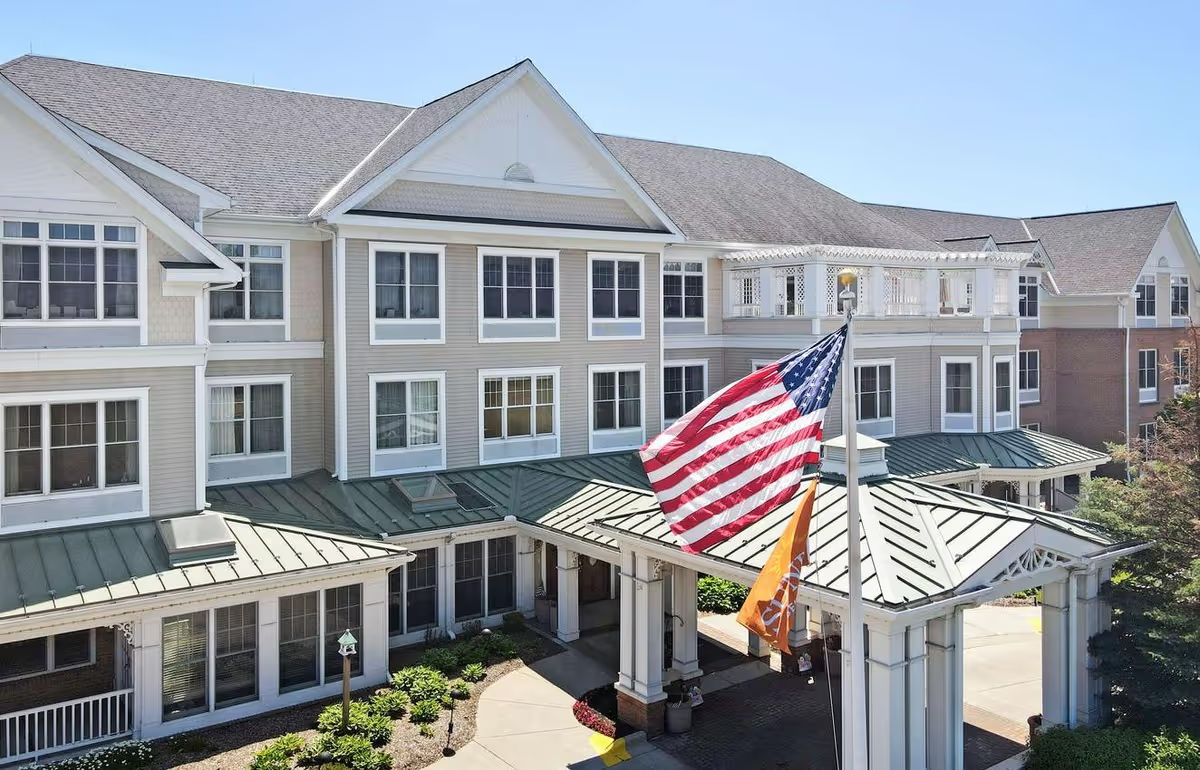
The Courtyard at Sterling Heights is repeatedly described as a dementia-focused, cottage-style community with many features families seek for memory-care residents. Strengths frequently noted include small household sizes (approximately 20 residents per cottage), single-floor private apartments with separate living areas, secured courtyards and outdoor access, and a deliberate approach to placing residents by cognitive level. The physical environment is commonly characterized as bright, well-decorated and well-maintained, with vaulted ceilings and cozy common rooms that support socialization.
Care and staff are a focal point of the reviews. Numerous families praise attentive, compassionate, and knowledgeable caregivers who encourage participation in activities and provide individualized attention; the presence of two care coordinators per cottage, weekly physician visits, and visible management involvement are also cited positively. These factors combine to create good continuity of care for many residents, and hospice and end-of-life services are noted as constructive when used.
However, the community demonstrates operational variability. Staffing levels and after-hours responsiveness are recurring concerns: reviews indicate periods when night or weekend coverage is less attentive and delays in attending to residents have occurred. Related clinical concerns include inconsistent transfer practices and delays in clinical response; these are operational shortcomings rather than isolated stylistic complaints and merit direct inquiry during a tour. There are also reports that staff turnover and workload pressures can affect consistency of care and staff engagement.
Dining and activities receive mixed feedback. Several families praise restaurant-quality, customizable meals, regular snacks, outings, and a lively events calendar (trips, pastor services, parties). At the same time, others describe overcooked or poor-quality meals, occasional kitchen closures, and fewer outings than expected. Activity programming appears broad on paper but uneven in daily execution for some residents; families should review recent activity calendars and ask how programming is individualized for different cognitive levels.
Facility operations show both strengths and weaknesses. Housekeeping and general upkeep are often described as good, and many visitors find the grounds pleasant. Conversely, some reviews note inconsistent housekeeping and laundry follow-through, isolated sanitation or odor concerns in operational areas, and external maintenance needs. Safety infrastructure is generally present (secured entry, alarm systems), but reviewers identified gaps such as inconsistent window alarms or other environmental monitoring issues — a practical safety question to raise during an on-site visit.
Management and communication present a mixed picture. Several reviewers commend accessible, accommodating sales staff and an engaged director or owner who addresses family questions. Others report communication lapses, scheduling mishaps, unmet move-in promises (including promised upgrades), and frustrating follow-up. Cost is another area to scrutinize: families describe rising monthly fees and occasional opaque billing expectations; comparing contract language and annual increase policies is advisable.
Notable pattern: the community elicits polarized impressions — many families report high satisfaction, safe, family-like care, and meaningful improvement in residents’ social engagement, while a smaller but consequential set of reviews raise serious concerns about clinical responsiveness and safety that resulted in hospital care. There are also isolated allegations of staff conduct contributing to resident harm; these claims are serious and warrant direct discussion with management, review of incident policies, and verification of recent inspection or regulatory records.
Recommendation: prospective residents and families should tour multiple cottages, meet nursing and on-duty staff (including evening/night staff), review staffing ratios and recent staffing continuity, ask for written protocols on transfers, falls, and emergency response, examine recent menus and a current activity schedule, request copies of housekeeping and laundry policies, and clarify contract terms on pricing and promised upgrades. If memory-care needs are primary, confirm the facility’s approach to cognitive-level placement, fall prevention, and individualized engagement plans before committing.