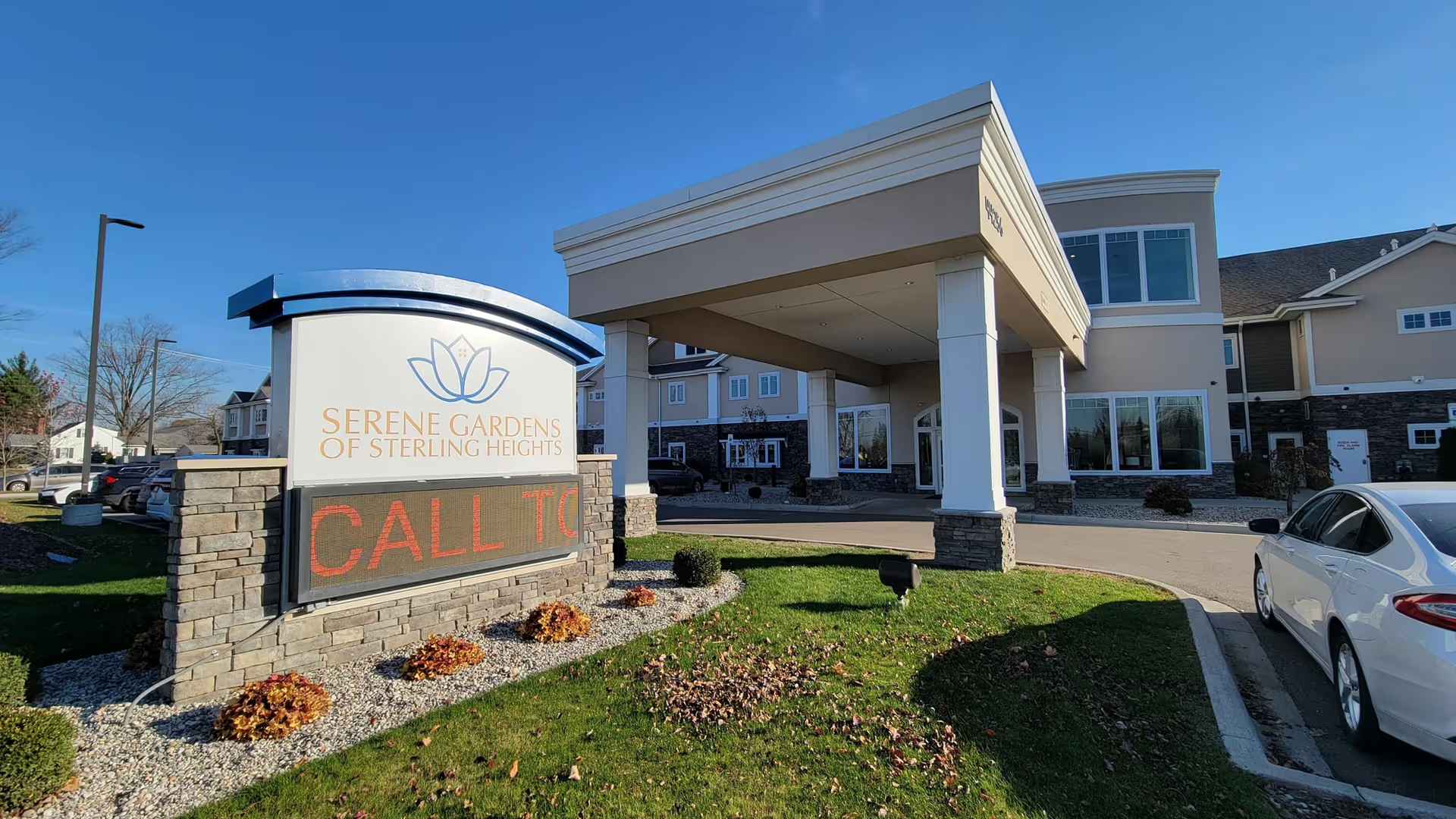
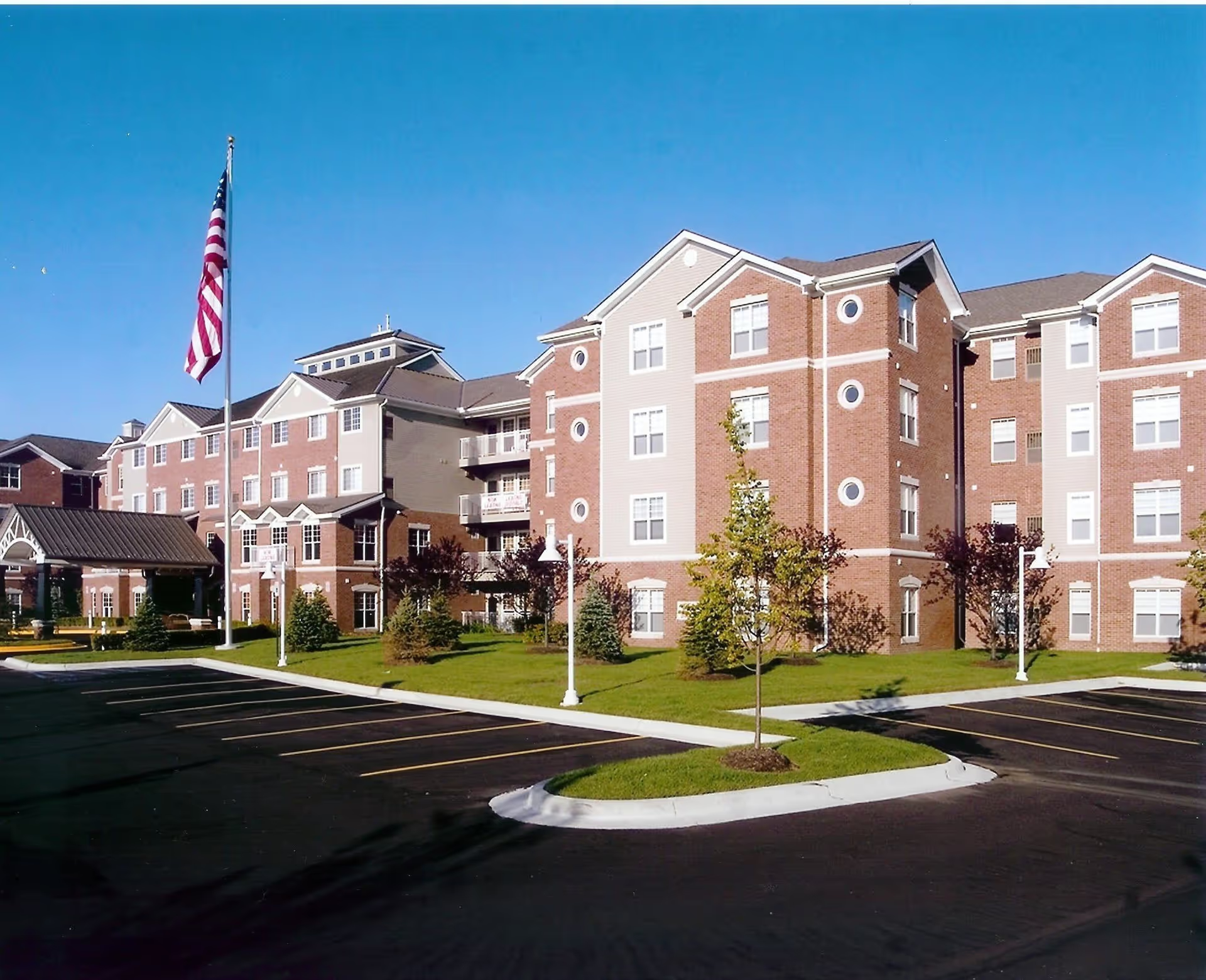
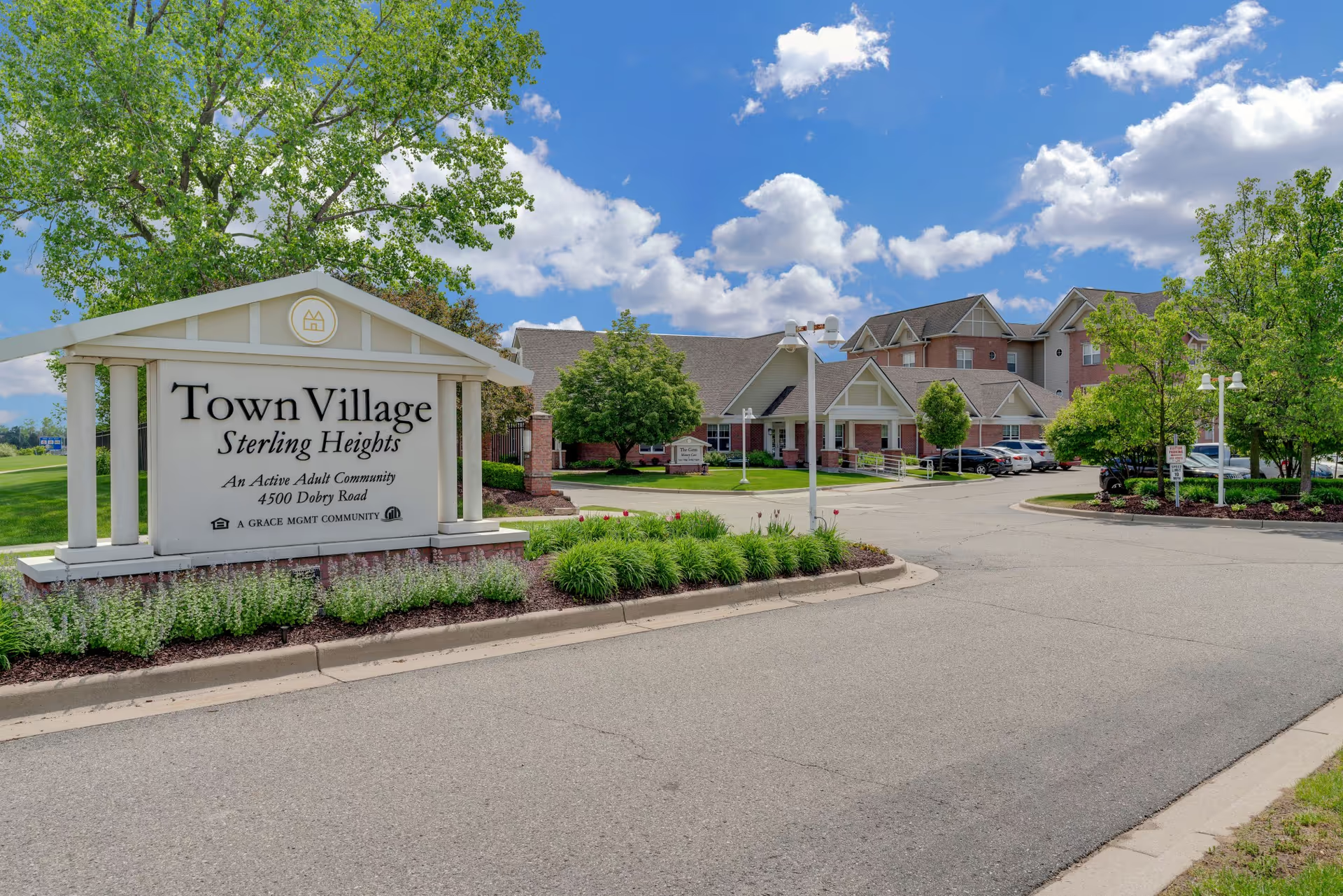
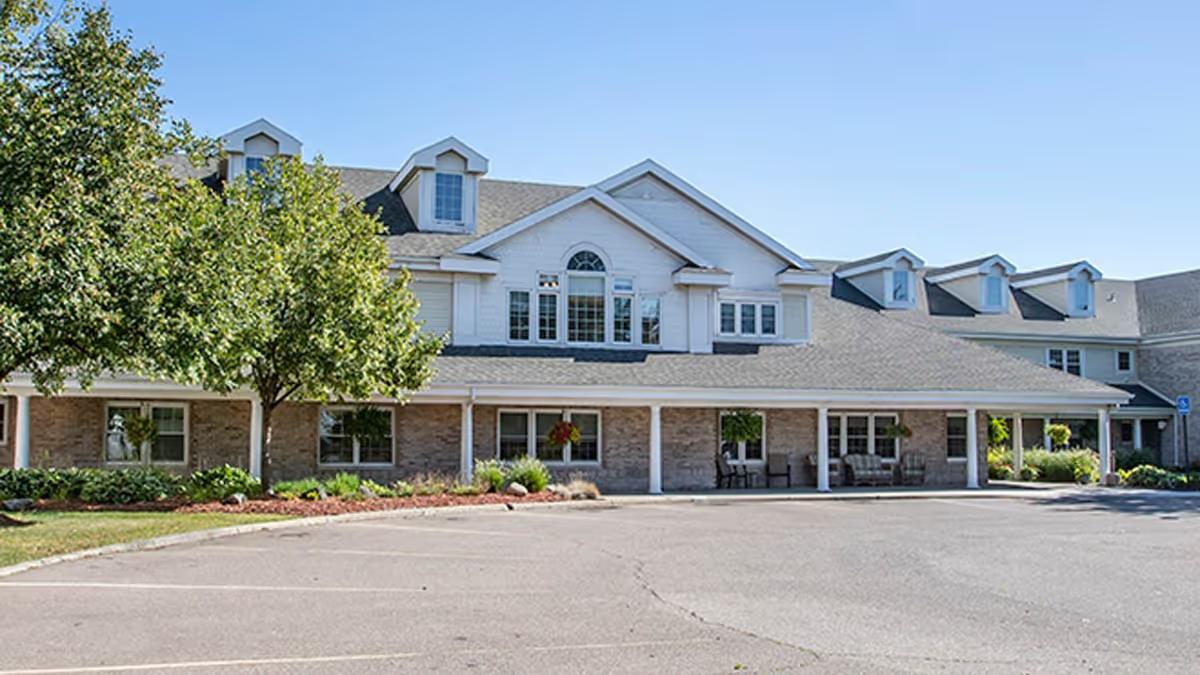
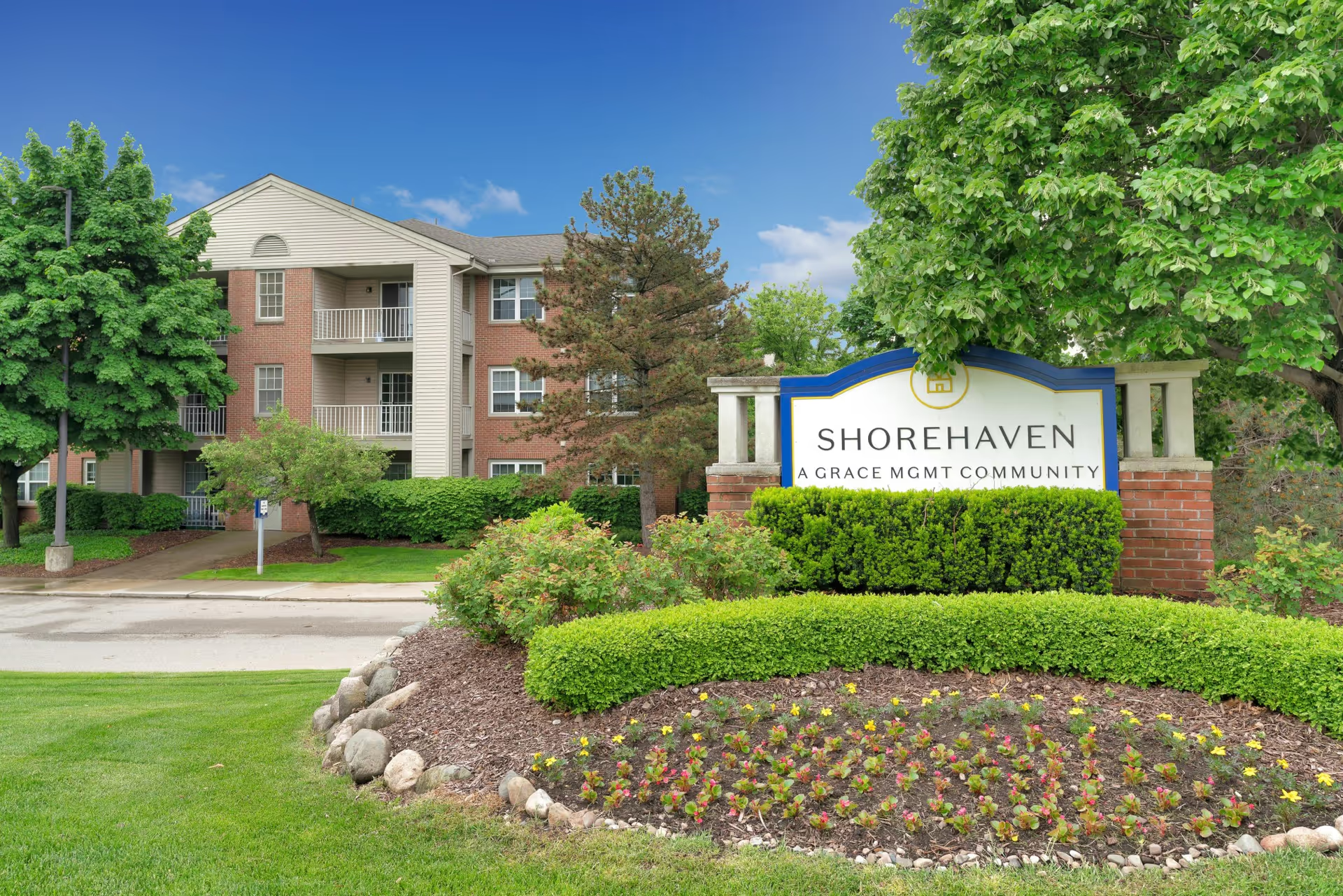
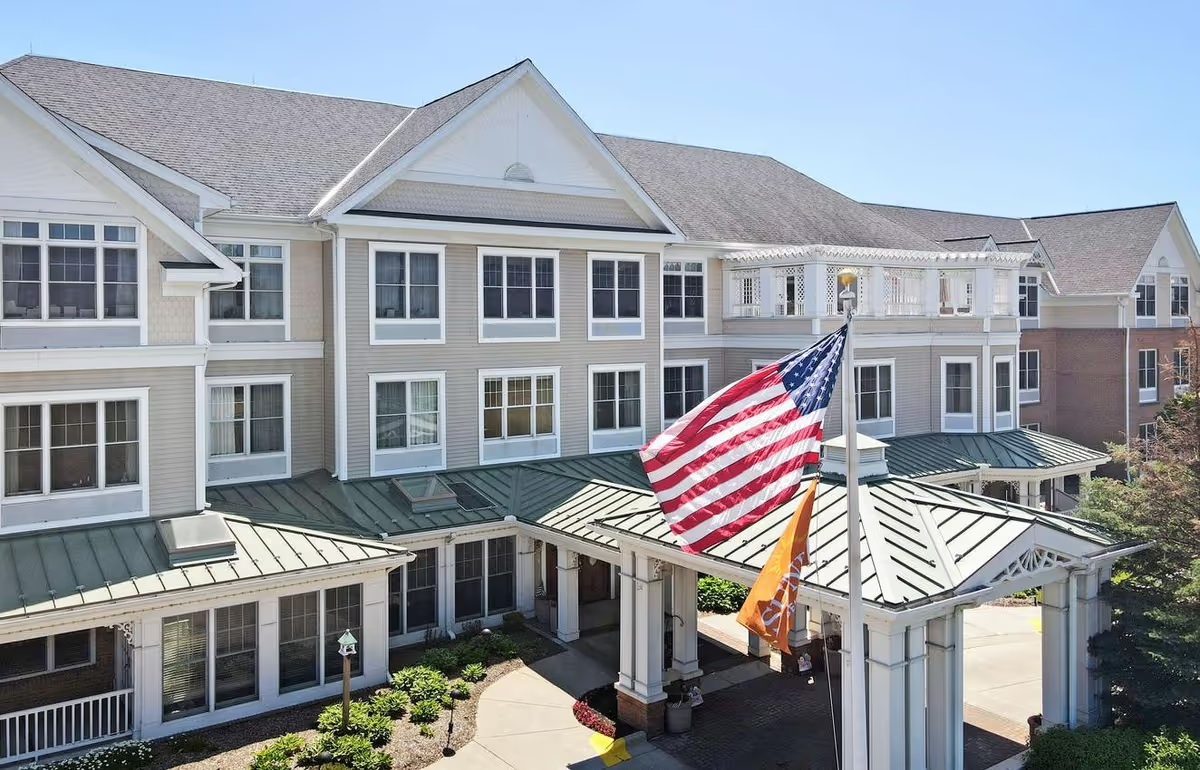
Reviews of the facility present a polarized picture: a portion of commenters describe a well-presented venue, attentive dining service, and staff who are friendly and protective, while a significant number raise operational and care-quality concerns. The positive comments emphasize pleasant common areas, strong meal presentation and service in some units, and direct-care staff who assist with personal grooming tasks.
Care quality descriptions vary. Positive accounts highlight helpful caregiving interactions and individualized attention for some residents. Counterbalancing those are repeated descriptions of inconsistent personal-care scheduling and delays in attending to basic needs, which manifest as irregular bathing or grooming routines and broader incontinence-care concerns. There are also concerns about clinical oversight; reviewers describe staffing shortages and gaps that they link to reduced responsiveness and anxiety about safety and clinical supervision.
Staff performance is reported unevenly. Many reviewers praised individual caregivers as friendly and protective, citing examples such as staff assisting with nails and personal presentation. At the same time, others raised concerns about communication tone, instances of staff shouting or confrontational interactions, and what some characterized as favoritism or opaque hiring practices at the leadership level. There are explicit criticisms of administrative competence and nursing leadership, and a small number of serious claims regarding personnel decisions that suggest the organization’s hiring and supervisory practices merit closer scrutiny.
Dining and activities are another area of contrast. Several comments describe appealing meals and attentive dining service; however, an equal number cite meals they found unacceptable and inconsistent across time or unit. This suggests variability in kitchen operations or meal-service continuity rather than a stable, facility-wide dining standard. Activity-specific notes are limited, but personal-care support (for example, grooming assistance) was mentioned positively by some families.
Facility condition and amenities prompt specific operational criticisms. Reviewers describe deferred maintenance, temporary or improvised window coverings, and an overall impression of a run-down physical plant in parts of the building. There are also reports of sanitation and odor concerns in resident rooms and common spaces. In-room amenities are limited: no telephones, no cable, and no kitchenettes were explicitly noted, which may affect resident comfort and connectivity.
Management and safety communication are recurring themes. Concerns include inadequate staffing levels, gaps in clinical oversight, and questions about the facility’s response to clinical incidents and end-of-life care coordination. A small number of comments reference serious outcomes and expressed dissatisfaction with how those situations were handled and communicated to families.
Notable patterns: experiences appear highly variable by unit or shift, producing sharply different impressions among families and residents. The facility receives both high praise for particular aspects (venue, certain dining experiences, and individual staff members) and substantive criticism across operational domains (cleaning and maintenance, staffing, clinical oversight, and amenities). Prospective residents and families would benefit from an in-person tour that includes inspection of resident rooms and common areas, direct questions about staffing levels and clinical oversight, review of cleaning and infection-control protocols, clarification of hiring and supervision practices, and a sample meal. Asking for recent inspection reports, staffing ratios by shift, and how the facility handles incident reporting and family communication will help validate how current practices align with the concerns and positives described by reviewers.