Maple Manor of Wayne elicits strongly mixed impressions: many families and former patients praise the hands-on caregiving and the facility’s rehabilitation capabilities, while a different set of experiences point to operational and safety shortfalls that prospective families should evaluate carefully.
Care and staff: A clear strength at Maple Manor is the interpersonal quality of caregiving staff and the therapy team. Reviews frequently describe compassionate, personable aides and therapists who provide attentive therapy, often twice daily, and who contribute directly to measurable functional gains and successful discharges home. At the same time, reviewers describe uneven staff performance across shifts and disciplines—examples include slower responsiveness on nights and weekends, language barriers, and instances of staff communication breakdowns. These patterns suggest generally strong front-line caregiving with situational variability tied to staffing and shift coverage.
Therapy and rehab outcomes: Physical and occupational therapy are repeatedly cited as a major positive. Families note a well-equipped therapy area, committed clinicians, and documented improvements in mobility and independence. Rehabilitation appears to be a core focus of the facility and a consistent area of clinical strength, with multiple accounts of successful recoveries and return-to-home discharges.
Dining and dietary accommodations: Dining quality is another divided area. Many reviews praise pleasant, varied meals and regular fresh vegetables, while other accounts highlight missed deliveries, meals that did not meet dietary needs, and at least one instance where an allergy was not respected. This points to generally acceptable food quality but inconsistent management of special diets and meal-service continuity.
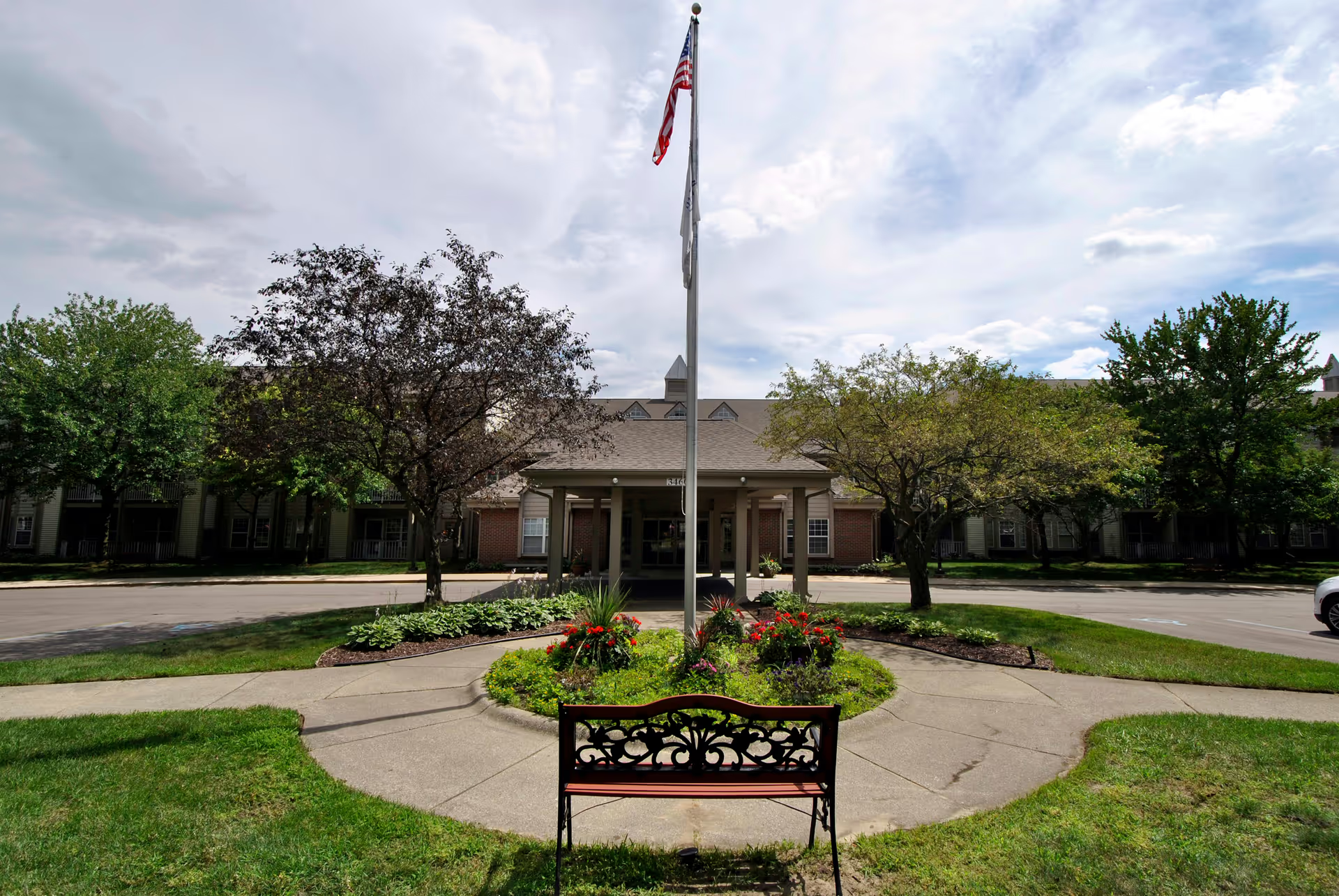
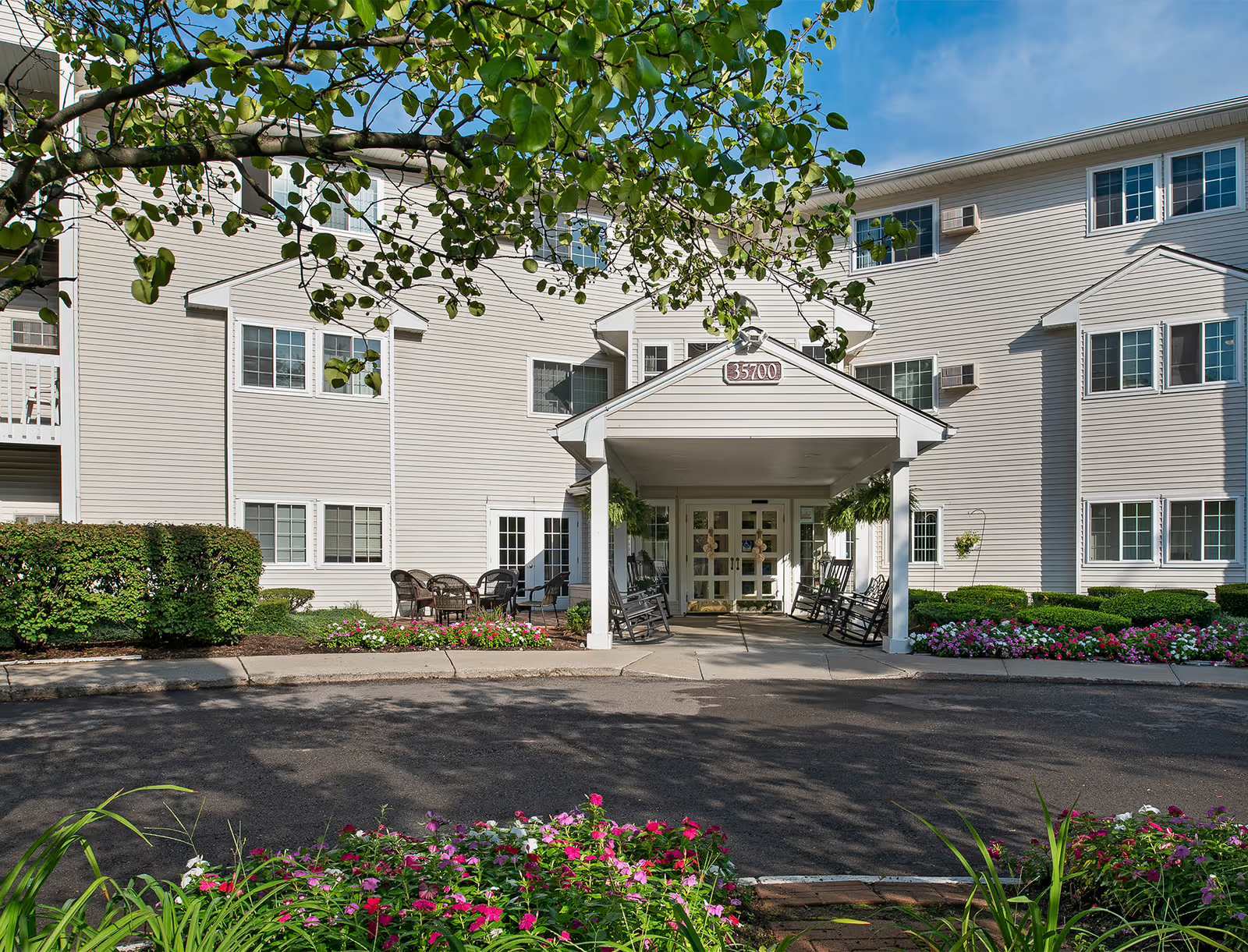
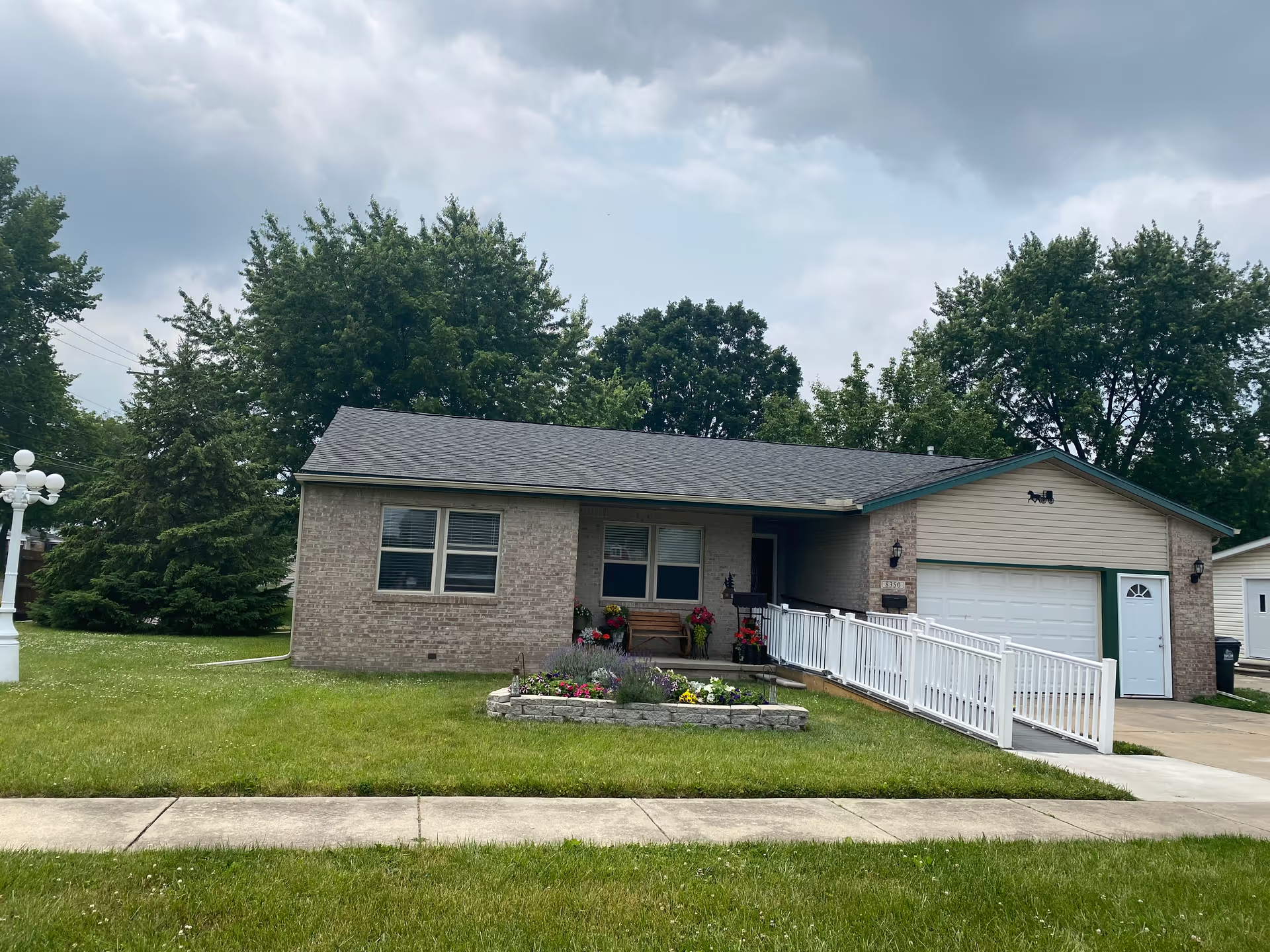
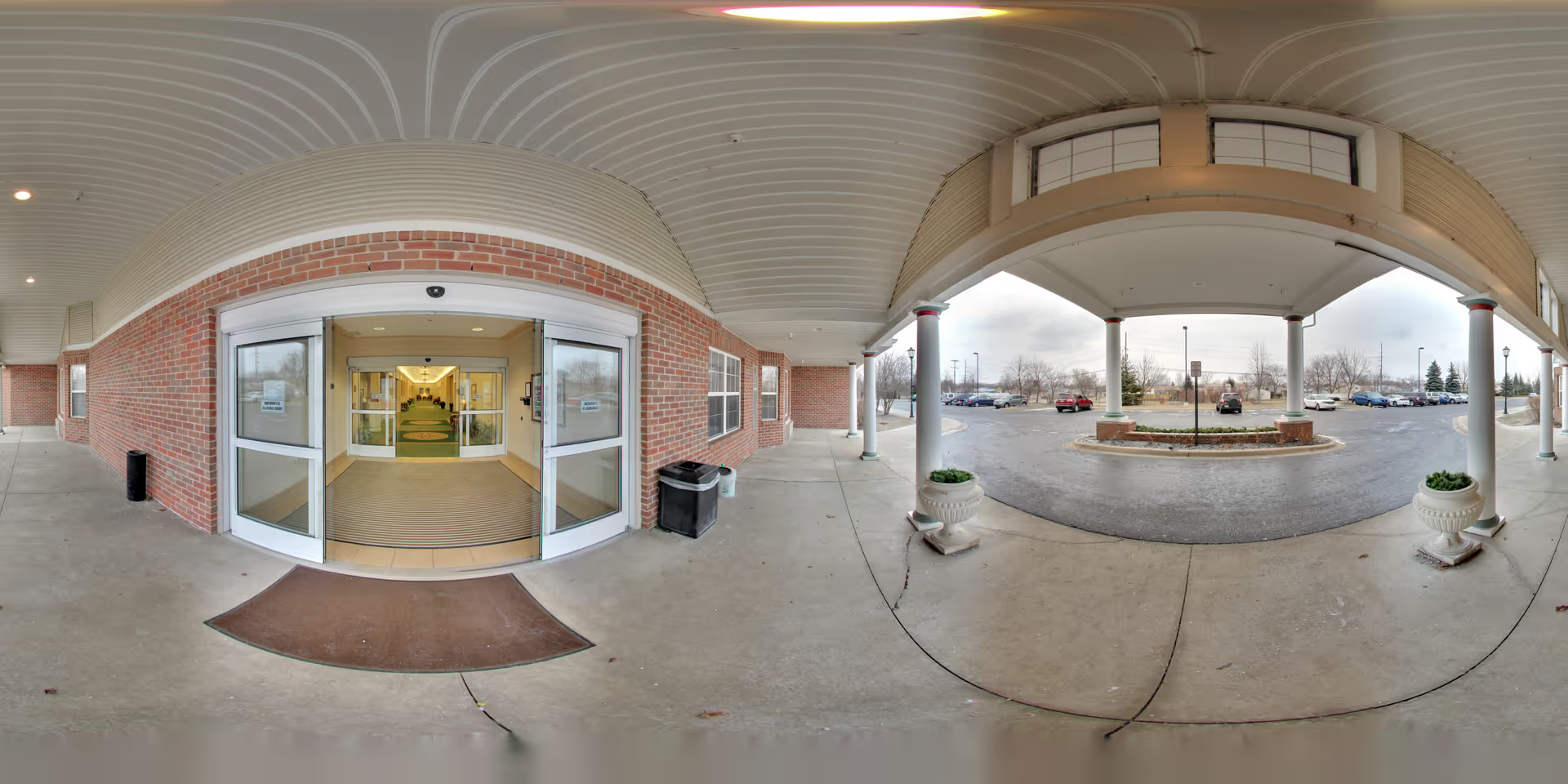
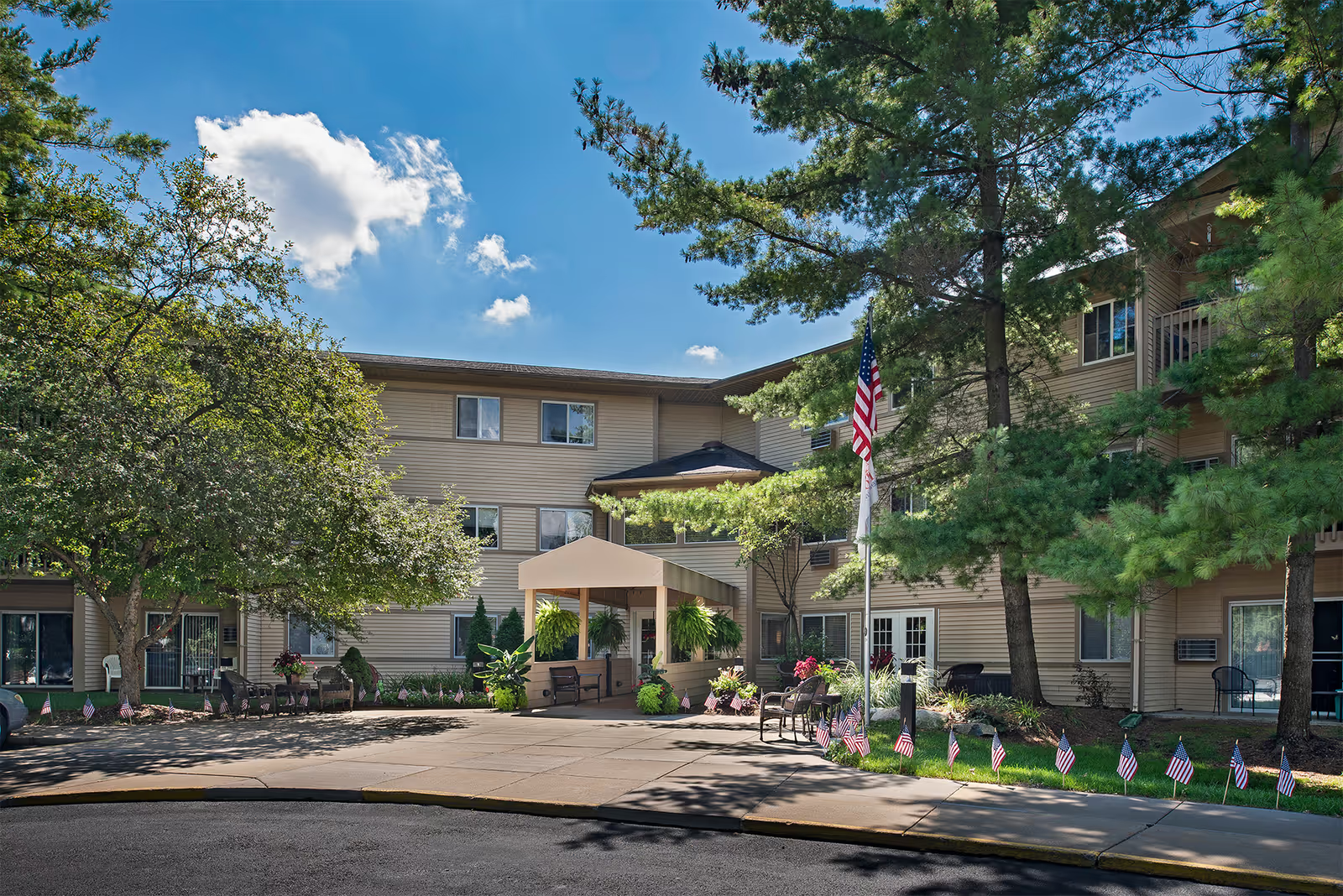
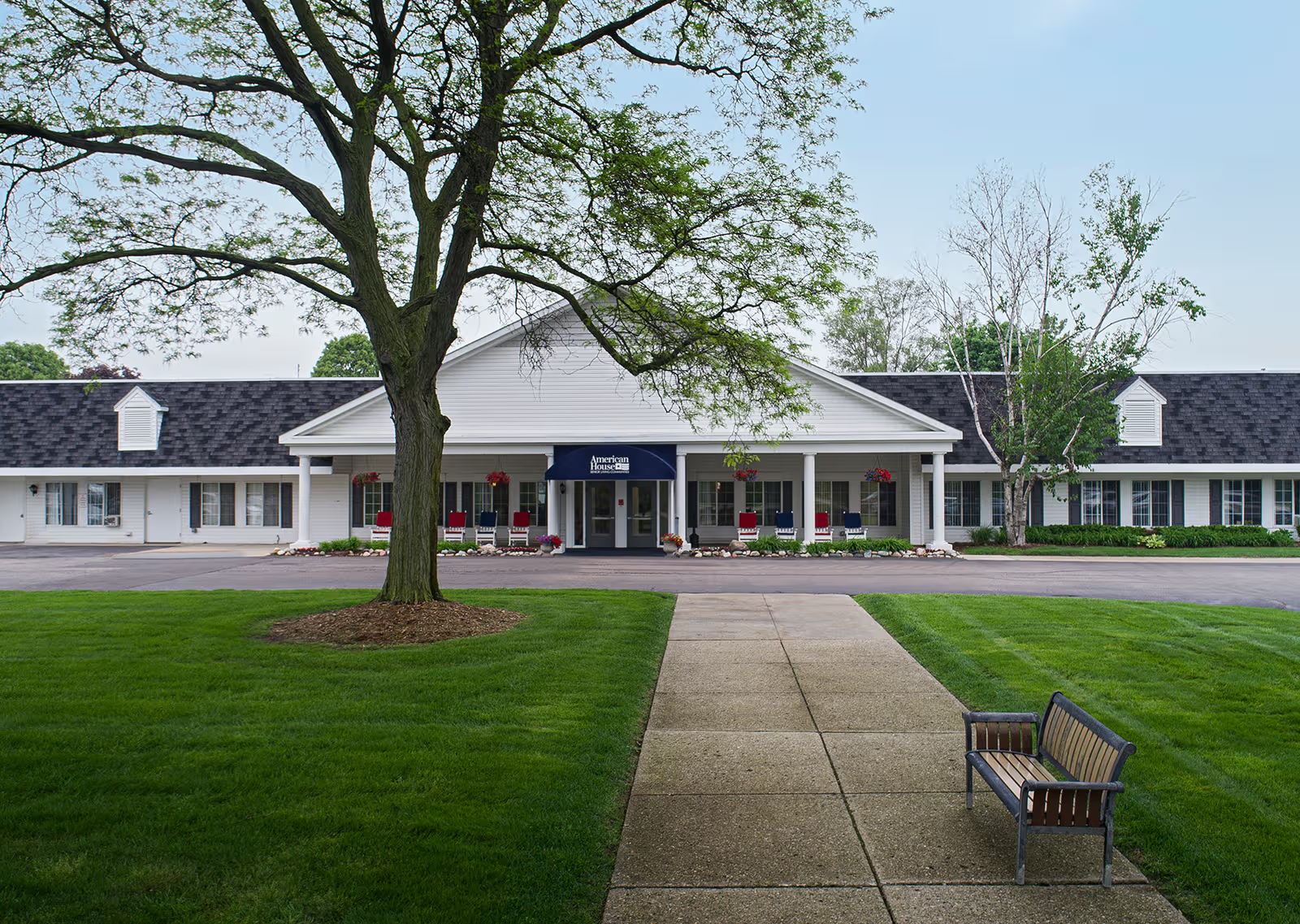
Activities and environment: Maple Manor projects a home-like environment with artwork, organized activities, and community outings supported by transportation. The facility is frequently described as clean and well-maintained in public and therapy areas, contributing to a comfortable atmosphere for many residents.
Facilities and housekeeping: While therapy spaces and common areas are often described positively, several reviews describe housekeeping and laundry inconsistencies—rooms not always cleaned on schedule and bedding changes that lag. There are also mentions of missing or unavailable assistive equipment when needed. These indicate variability in operational execution of ancillary services.
Management, communication, and administration: Opinions on management and administrative support are mixed. Some families praise accessible leadership and helpful office staff, while others report delays in phone responses, ineffective social-work or case-management interactions, and billing discrepancies for services or items not provided. Prospective families should confirm insurance acceptance, clarify billing practices, and establish primary contacts for post-admission communication.
Safety and operational concerns: There are recurring operational themes that warrant attention: staffing shortfalls during off hours, gaps in reception/entry monitoring, inconsistent medication handling, fall-prevention and monitoring weaknesses, and occasional sanitation supply gaps. These are facility-level process issues rather than single isolated events; they relate to reliability of care across shifts and to the facility’s capacity to maintain consistent safety and infection-control practices.
Bottom line: Maple Manor offers a strong rehabilitation program and many families report compassionate, effective caregiving and good therapeutic results. However, the facility also exhibits operational inconsistencies—particularly in off-shift staffing, medication and dietary management, housekeeping, and communication—that may affect overall reliability of care. Families considering Maple Manor should weigh the facility’s documented therapy strengths against these operational risks, tour the unit during different shifts, verify plans for assistive equipment and dietary accommodations, and obtain clear points of contact for medication, billing, and emergency communication before admission.