Experiences at Provision Living at West Bloomfield are notably mixed, with many families and residents describing attentive, compassionate care and a welcoming community, while others raise concerns about staffing, continuity, and follow-through. Positive accounts emphasize staff who know residents personally, support transitions into the community, and work with families to address changing needs. Several residents describe feeling safe, respected, and at home. Other accounts, however, describe uneven service between caregivers and shifts, staffing limitations for residents needing more hands-on help, and turnover among both care staff and leaders. Reviews span different periods and refer to both Provision Living and StoryPoint, so experiences may reflect changes in ownership, leadership, staffing, or operating practices over time.
Care quality appears strongest when staffing and communication are consistent. Families praise individualized attention, medication support, care planning, therapy, and assistance with transitions between living areas. Some reviews describe gaps in memory-care support, particularly for residents with more specialized needs or who require substantial daily assistance. There are also concerns about call-response times and personal-care follow-through. One account cited delays in incontinence-related care and waste removal. Other reviewers raised medication-administration and prescription-renewal concerns; one made serious allegations involving medication-record handling and resident privacy, which are individual claims not independently verified here.
Staff are frequently described as kind, patient, and approachable, and some families value the close relationships formed between team members and residents. Leadership and administrative staff receive praise for being accessible, arranging move-ins, and holding family care conferences. In contrast, some families describe difficulty reaching staff remotely, limited coordination between shifts, and defensive or inconsistent responses to concerns. Night and evening service is a particular area of concern in several accounts. Reports of frequent staff and management turnover also raise questions about continuity.
Dining feedback varies. Residents and families often praise the meals, restaurant-style service, menu variety, and opportunities to share preferences with the chef. Others describe food as inconsistent, cool at times in memory care, limited in preferred or culturally familiar options, or insufficient in portion size. Activities are a relative strength: reviewers describe a full schedule of adult-oriented programming, outings, fitness, entertainment, social events, and efforts to engage residents who are less outgoing. Some also appreciated one-to-one and hallway activities during COVID-related restrictions.
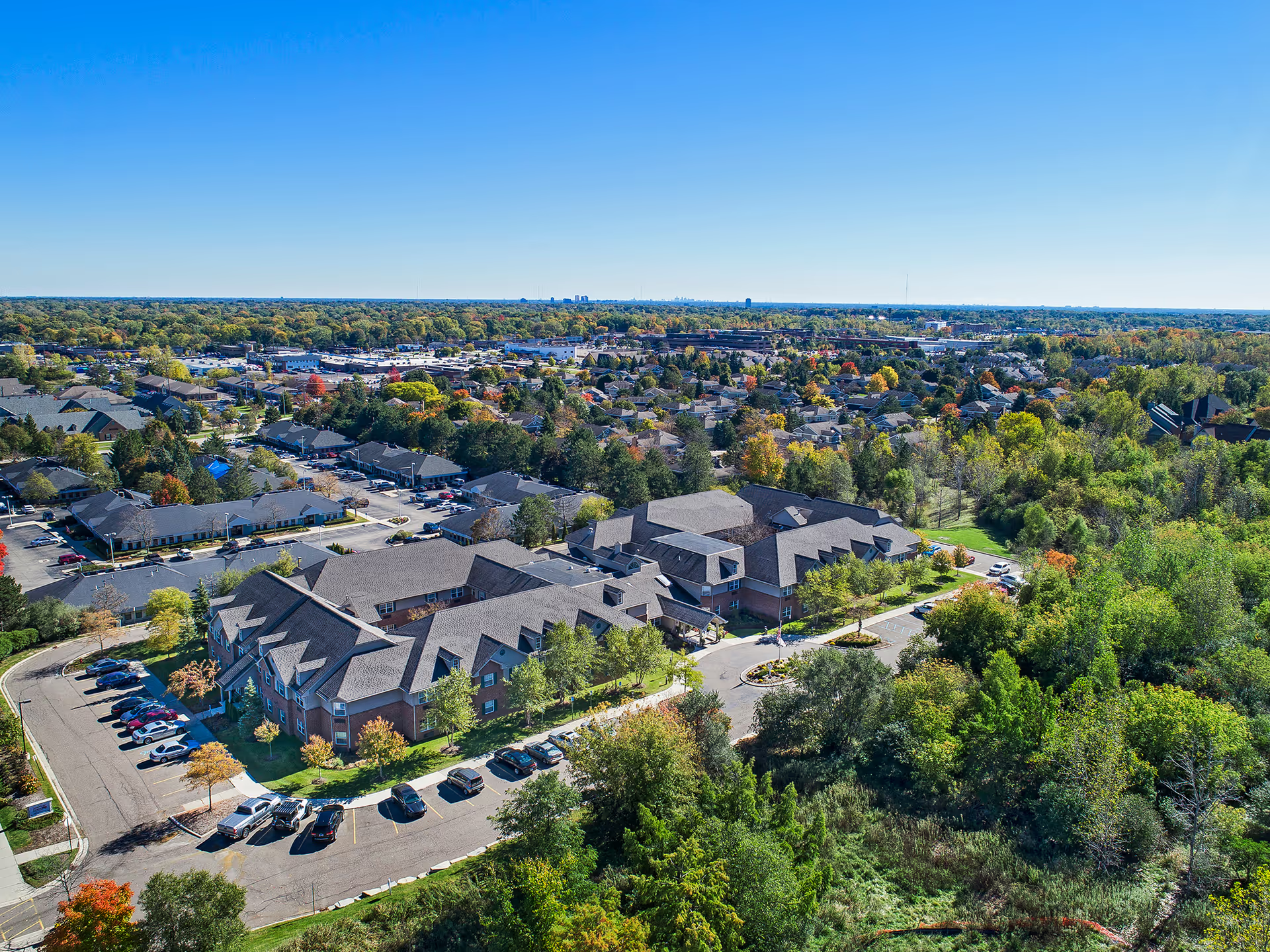
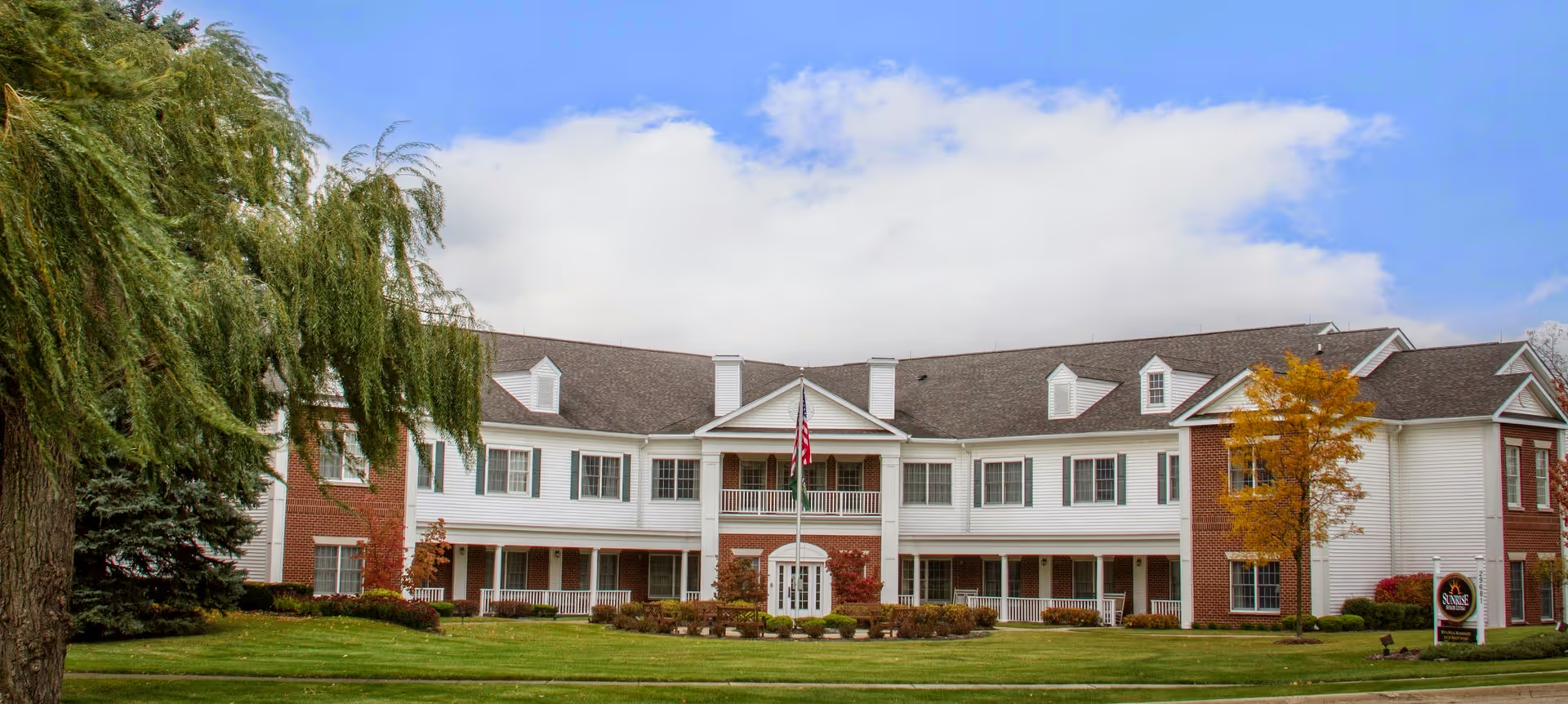
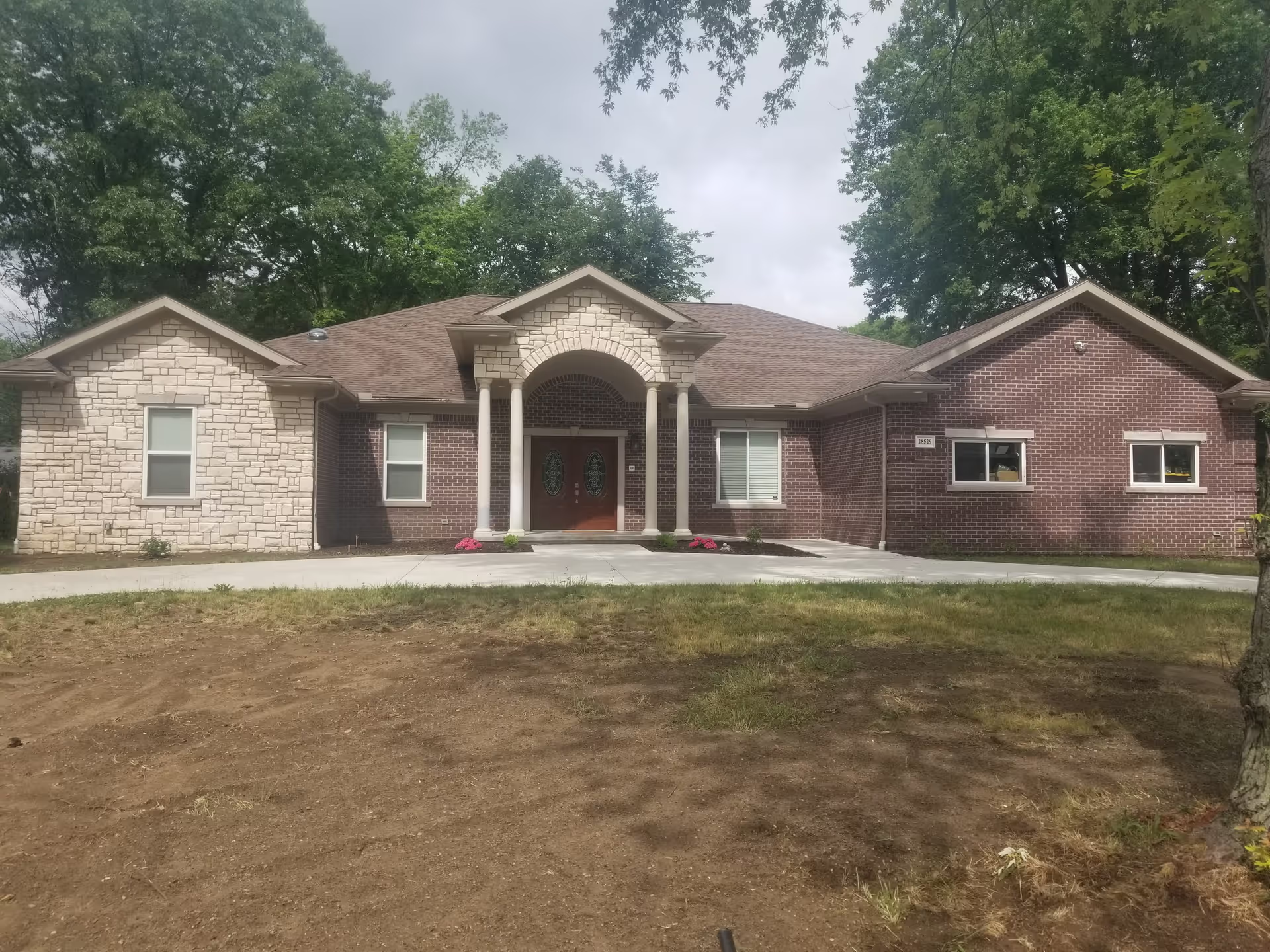
The building and grounds are commonly described as attractive, clean, bright, and well maintained, with comfortable rooms, inviting common areas, a courtyard, movie theater, and gym. Families also cite transportation, visiting health services, and electronic monitoring as useful amenities. The overall value assessment is less consistent: some families feel the care and setting justify the cost, while others question pricing, care-level assessments, or whether the delivered support matches what was discussed before move-in. Prospective families may wish to ask specifically about current staffing levels, memory-care capabilities, medication procedures, response times, dining accommodations, pricing triggers, and how concerns are communicated across shifts.