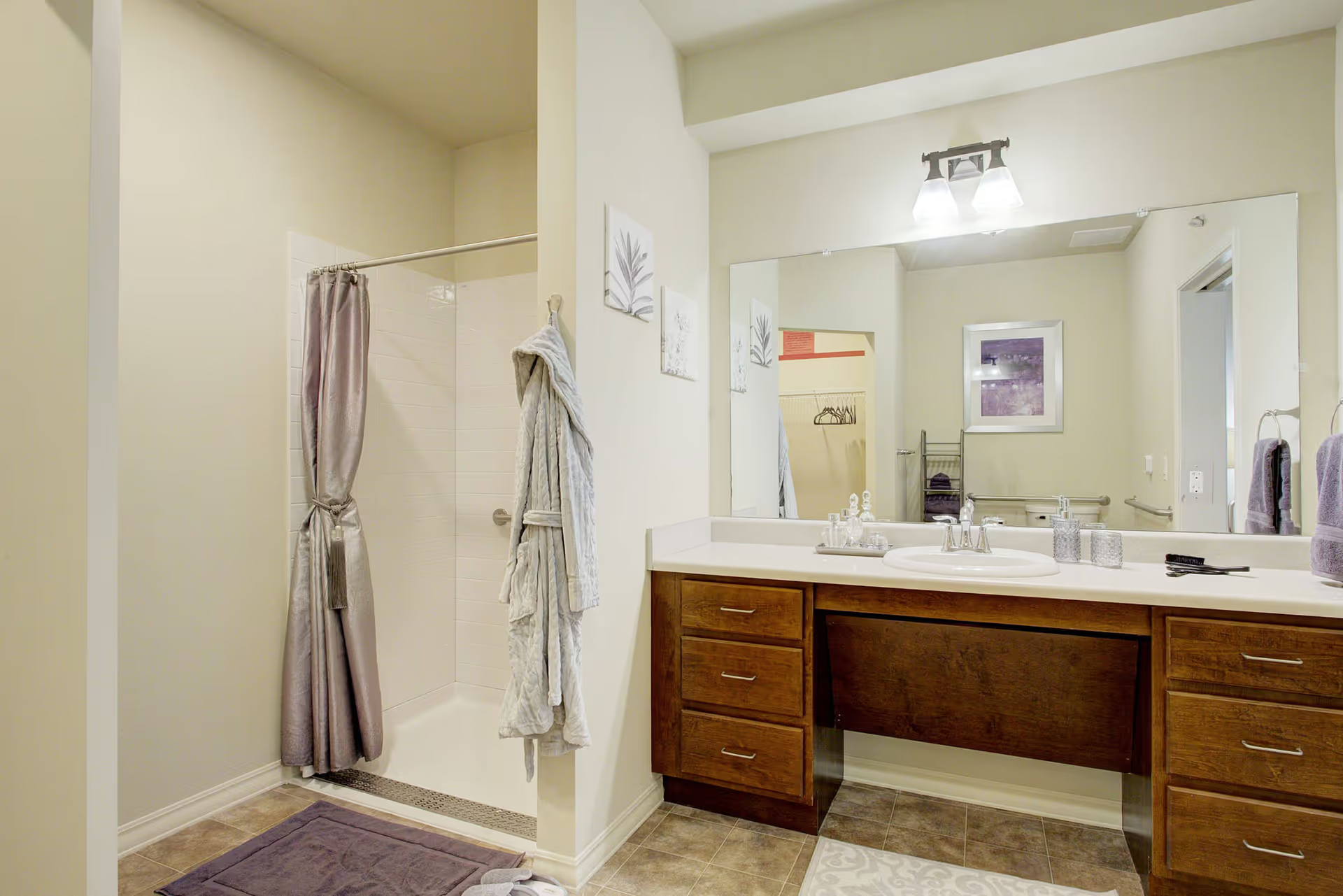
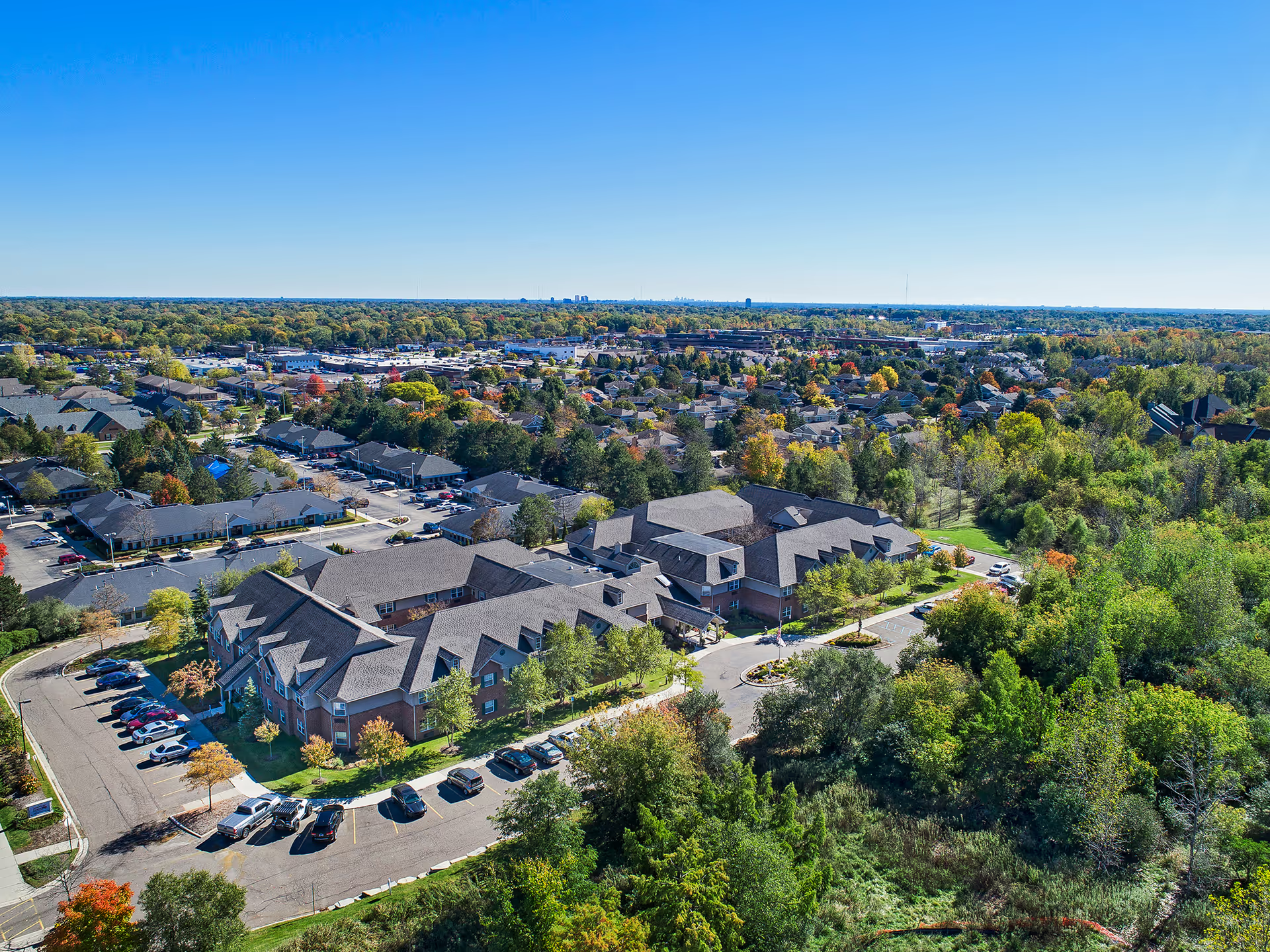
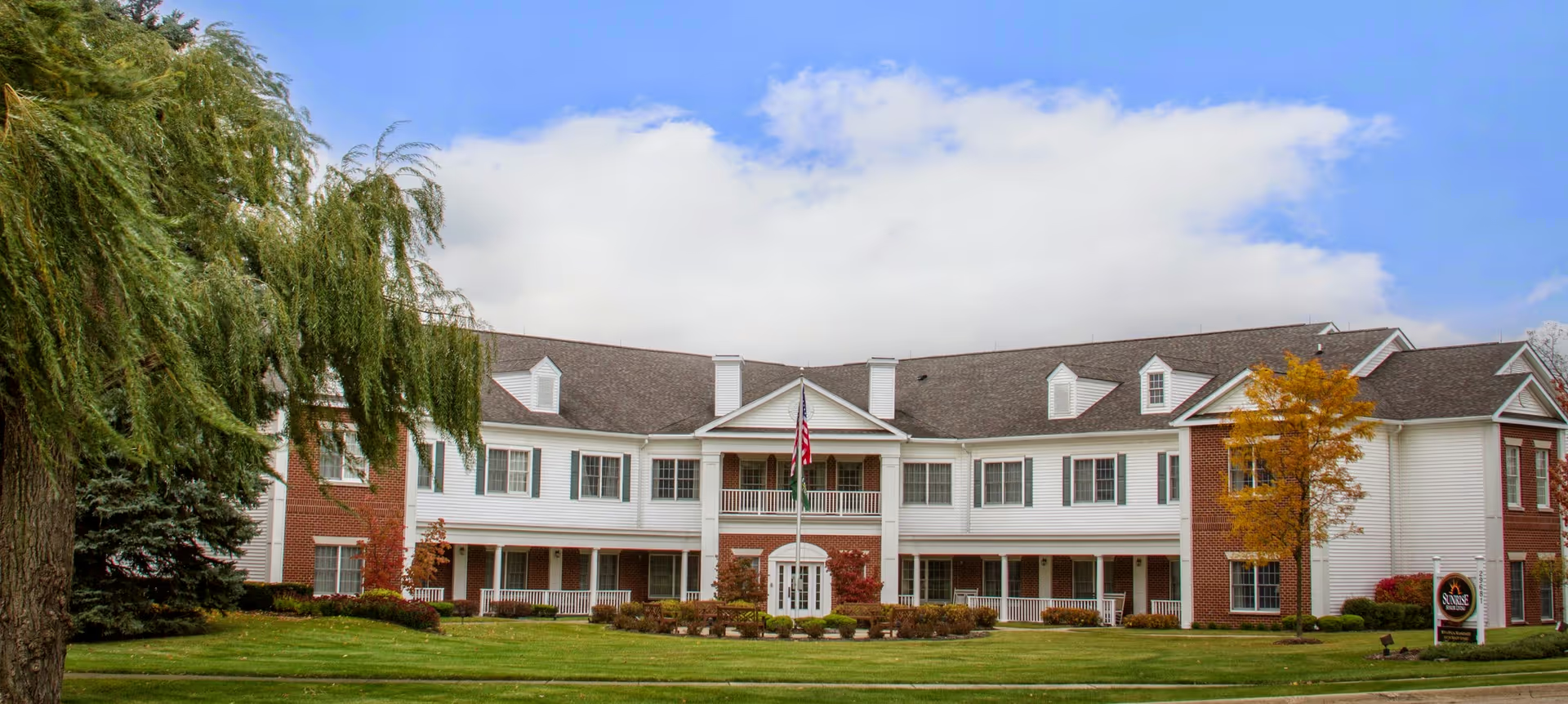
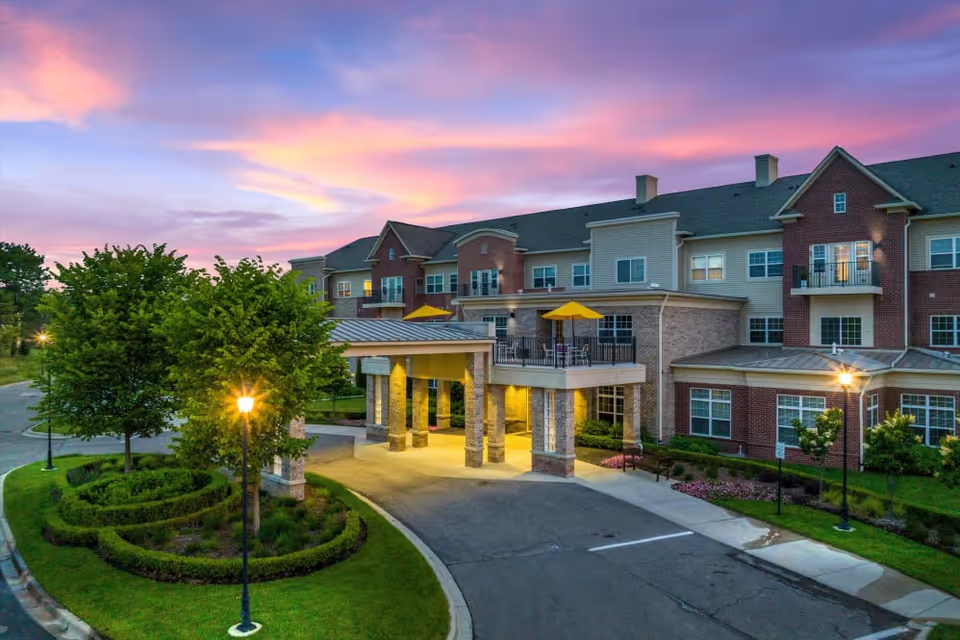
Provision Living of West Bloomfield presents as a recently opened, well-appointed senior community with many facility-level strengths alongside recurring operational concerns. Physically, the building and public spaces are consistently described as bright, clean, and well maintained. Units tend to be spacious and include private baths and small kitchenettes; on-site amenities such as a movie theater, gym, salon, courtyard, and organized transportation contribute to a resort-like environment. Housekeeping and laundry services, infection-control practices, and electronic monitoring are noted features that add to families' sense of safety and convenience.
Care quality and staffing show a mixed picture. Numerous families describe caregivers as compassionate, attentive, and proactive, and several accounts emphasize staff who go above and beyond, offering comfort and individualized attention. At the same time, there is a persistent theme of inconsistent staffing levels and frequent caregiver turnover. These workforce issues are linked to variability in professionalism, slower nighttime responsiveness, and instances where families felt compelled to hire outside caregivers. For prospective residents with higher-acuity needs—particularly those requiring memory-support—the facility's operational capacity appears uneven: reviewers raised concerns about limited dementia-care training, communication gaps around care plans, and inconsistent follow-through on promised services.
Dining and activities are prominent strengths but show variability. The community offers restaurant-style dining, flexible meal options, and an engaged chef who solicits resident input; many residents and families praise variety and nutrition, and activities staff run a broad calendar of art projects, fitness, outings, and social programs that support resident engagement. Conversely, reviewers also described inconsistent meal quality—including pacing and meal-temperature control—and noted intermittent chef turnover. These inconsistencies suggest that dining experience can depend on staffing and management continuity.
Management and operations reflect both responsiveness and instability. Several reviewers point to staff and directors who addressed issues quickly and provided clear orientation and transitions; other families experienced poor remote responsiveness, unclear pricing and billing communication, and unmet promises. Operational lapses cited include hallway sanitation and odor control problems, inconsistent medication administration processes, and slow emergency-response times in some instances. Shift-to-shift communication gaps were also commonly mentioned, producing inconsistencies between day and night care.
Overall pattern and guidance: the community offers many of the physical and programmatic elements families seek—modern amenities, active programming, and staff who can be compassionate and engaged. However, recurring patterns of high turnover, variable training (notably for memory care), and gaps in medication/emergency protocols and communication temper those strengths. Prospective residents and families should verify current staffing ratios and turnover trends, ask for specifics on dementia-care training and emergency-response procedures, review medication-management policies, and obtain clear, written pricing and service commitments before making a placement decision. For independent or socially engaged residents, the facility may be a strong fit; for those needing consistent, high-acuity memory support, further due diligence is advised.