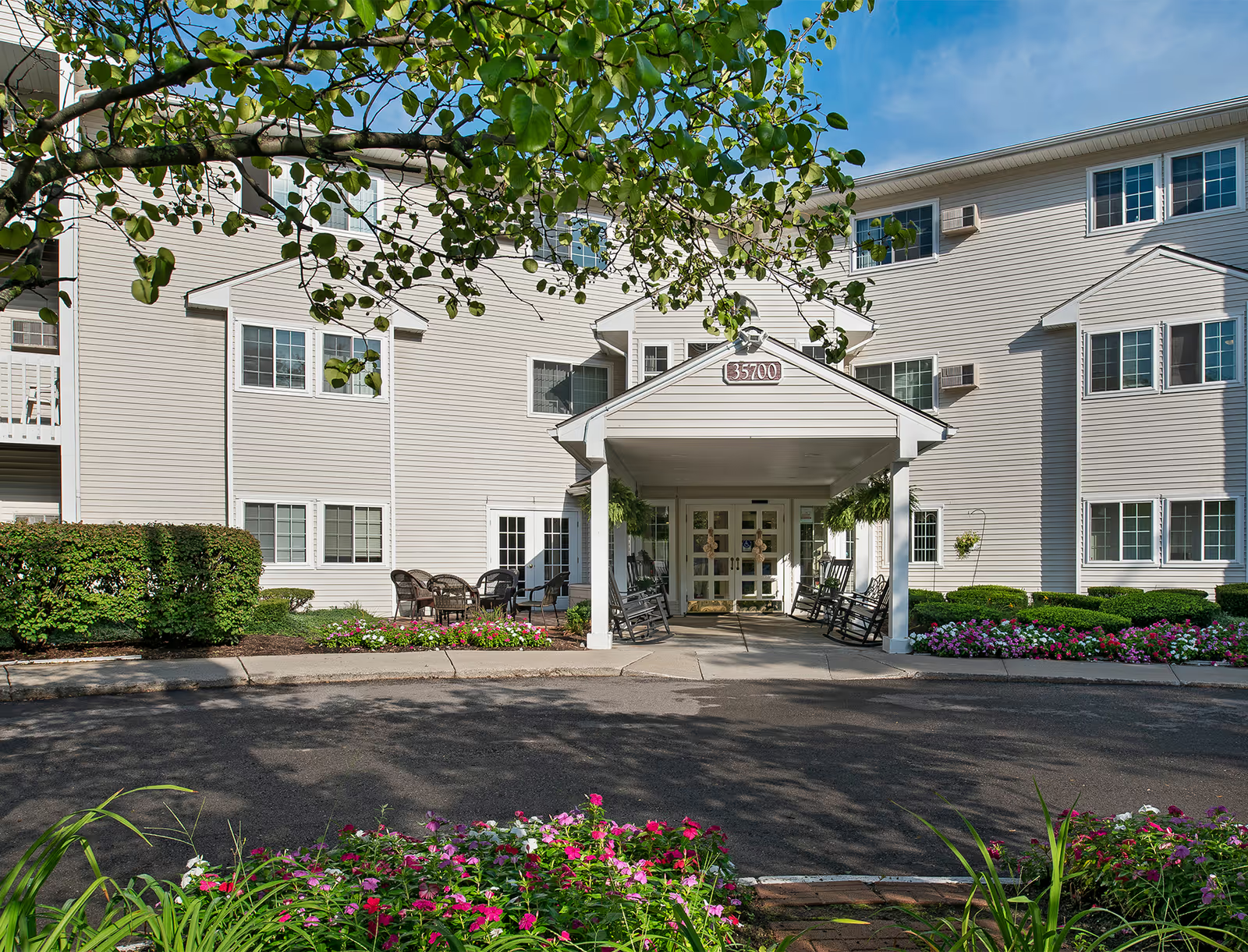
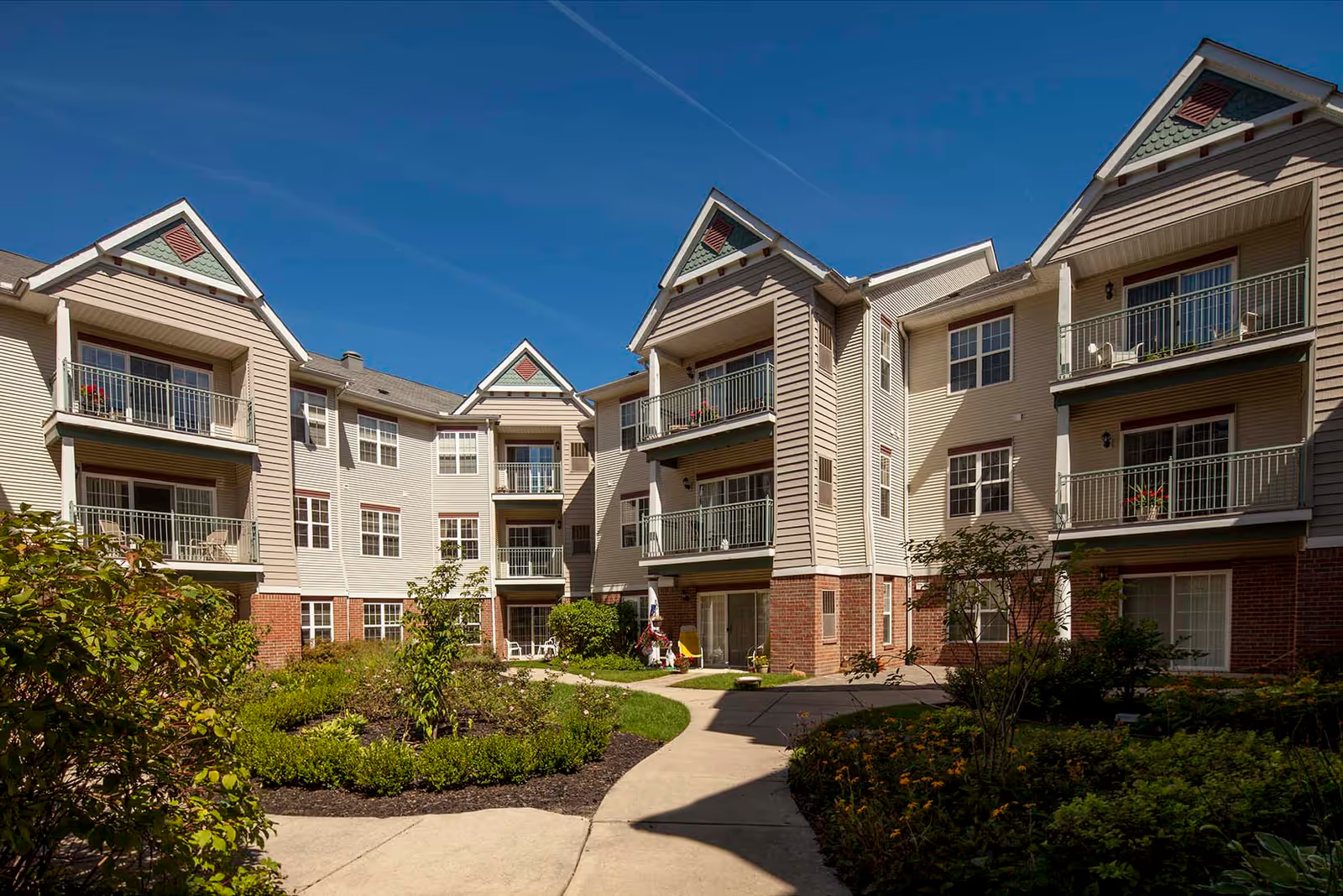
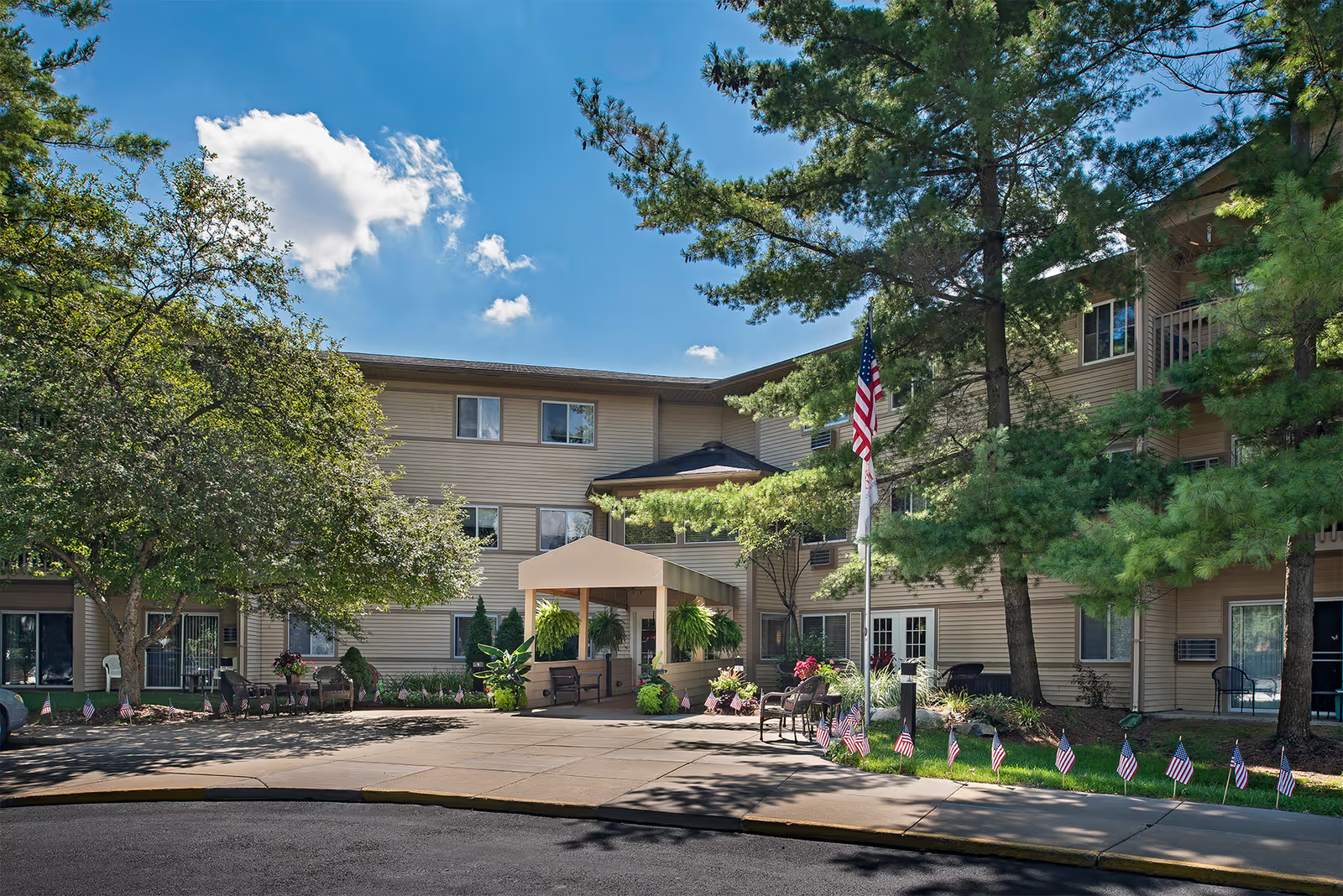
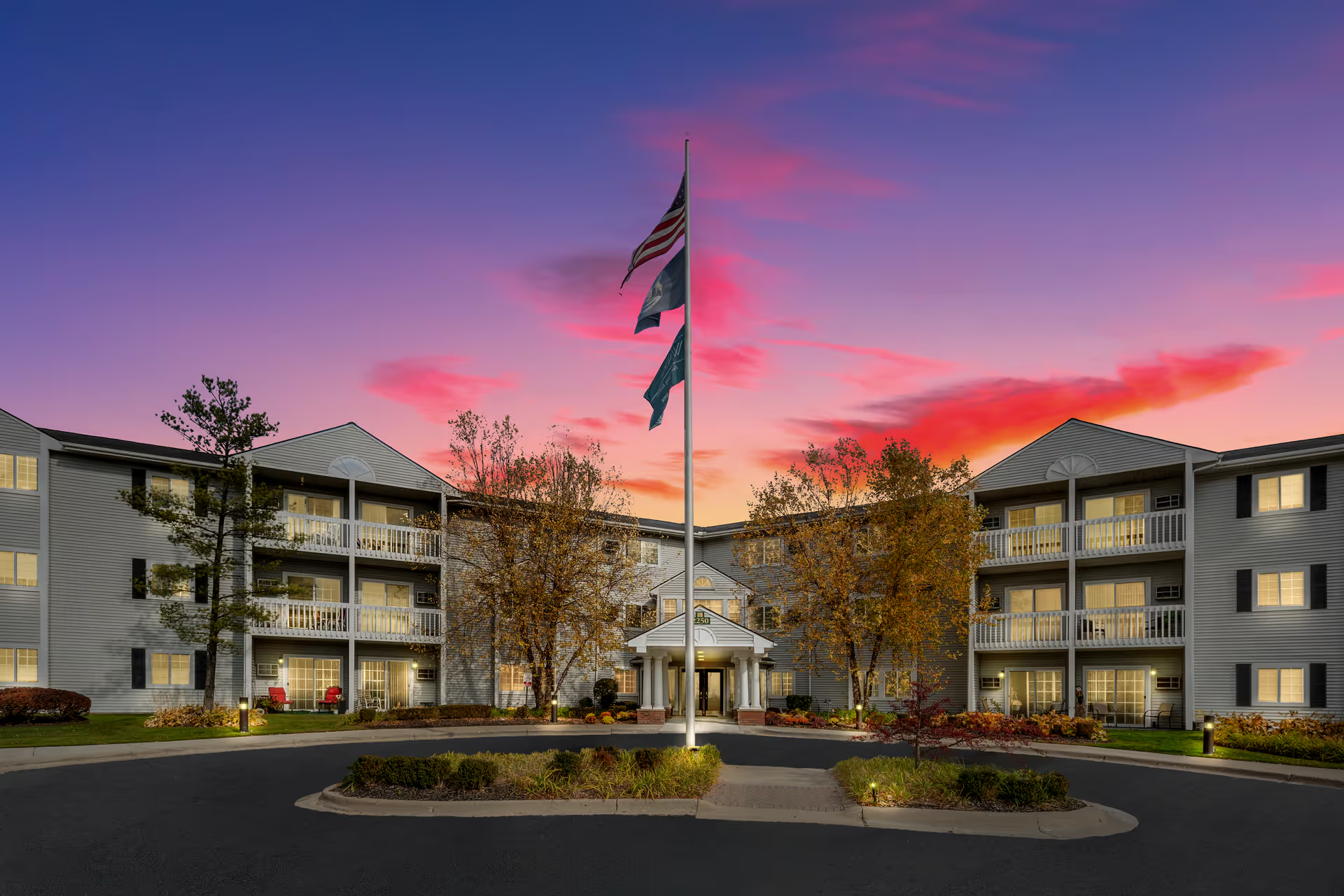
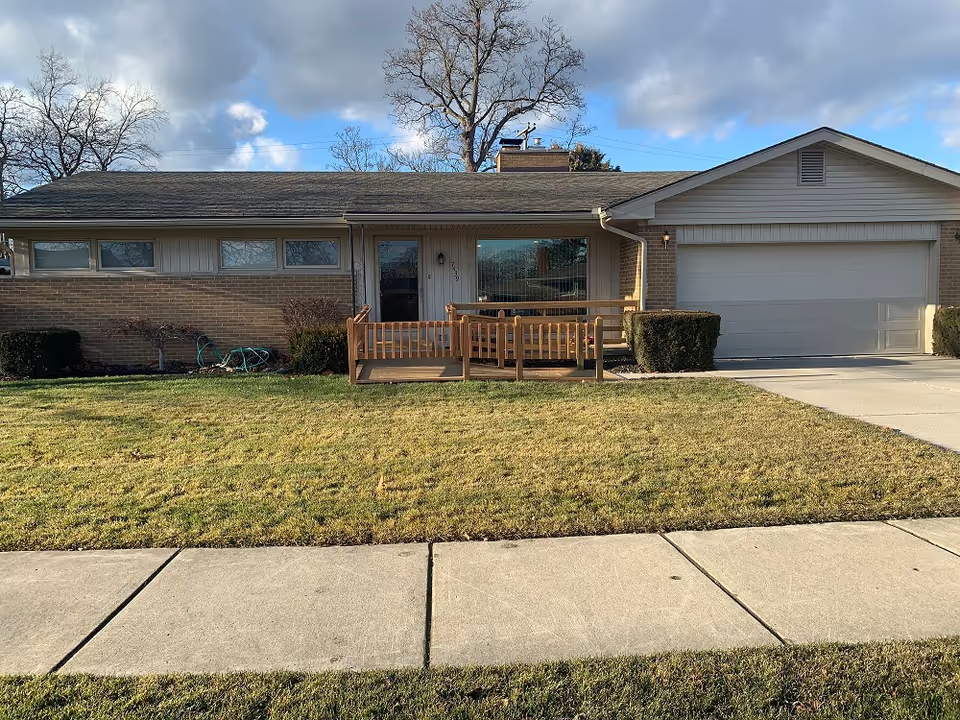
Reviewer feedback on Cherry Hill Nursing and Rehabilitation is highly mixed, with clear strengths alongside recurring operational concerns. Many families and short-term residents describe compassionate, personable caregiving from nurses, aides, and social workers; positive admissions experiences; and an activity program that includes games, sing-alongs, outings and religious visits that residents and families appreciated. Several accounts highlight successful short-term rehab outcomes and staff who helped residents return home. Parts of the building have been renovated and some rooms and communal areas were described as clean, spacious, and home-like.
At the same time, a consistent theme is wide variability in day-to-day operations. Staffing levels and coverage appear uneven across shifts, with particular strain on evenings and weekends. That variability correlates with delayed responses to call lights, delays in bedside assistance, and inconsistent bathing and dressing routines as described by families. Reviewers also raised concerns about gaps in medical recordkeeping and timely documentation — including delayed entry of vaccination and other clinical updates — and about medication-management practices. These are operational weaknesses that families should probe during a visit.
Dining and therapy are similarly mixed. Numerous reviewers praised the food selection, multiple entrée choices, and willingness to provide substitutions; others described problems with dietary accommodations for specific needs. The therapy program achieved meaningful results for some residents, but several comments noted that therapy space can be cluttered or used for storage and that equipment or dedicated rehabilitation space may be limited. Housekeeping and front-desk teams were often described as friendly, but sanitation and cleanliness varied by unit and by time of day.
Management and communication emerge as a pivotal factor in the divergent experiences. Some reviewers singled out strong clinical leadership and attentive administration; others described difficulty reaching supervisors or corporate contacts, inconsistent follow-through on assurances, and gaps in incident-response and family-notification processes. There are also mentions of property-management problems and at least one allegation requiring regulatory or police attention — an issue families will understandably want clarified. In short, Cherry Hill provides genuinely positive, recovery-focused care in many cases, but prospective residents and relatives should verify current staffing patterns, documentation practices, night/weekend supervision, dietary accommodations, laundry/property controls, and incident-notification procedures during a tour or intake conversation to align expectations with observed practice.