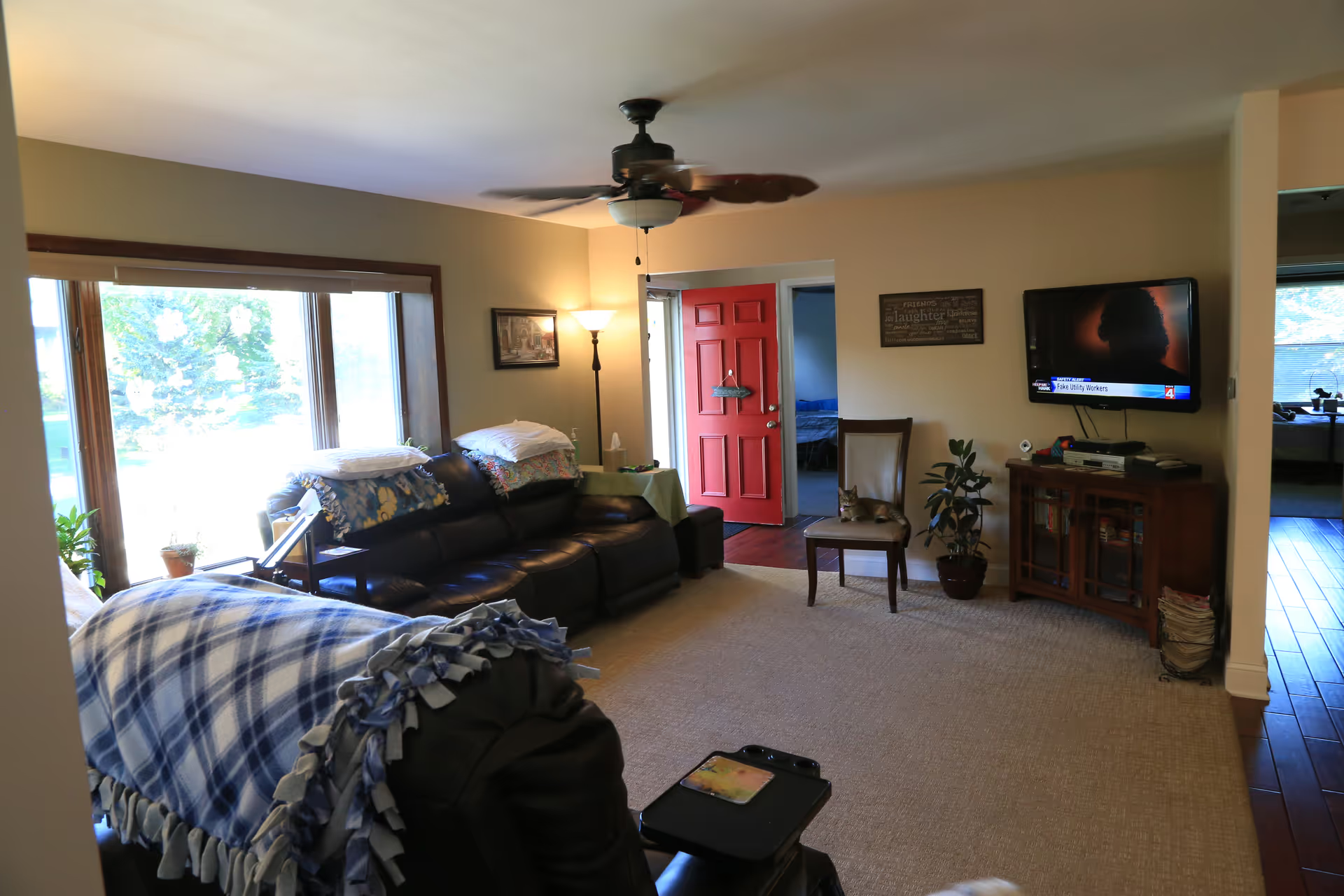
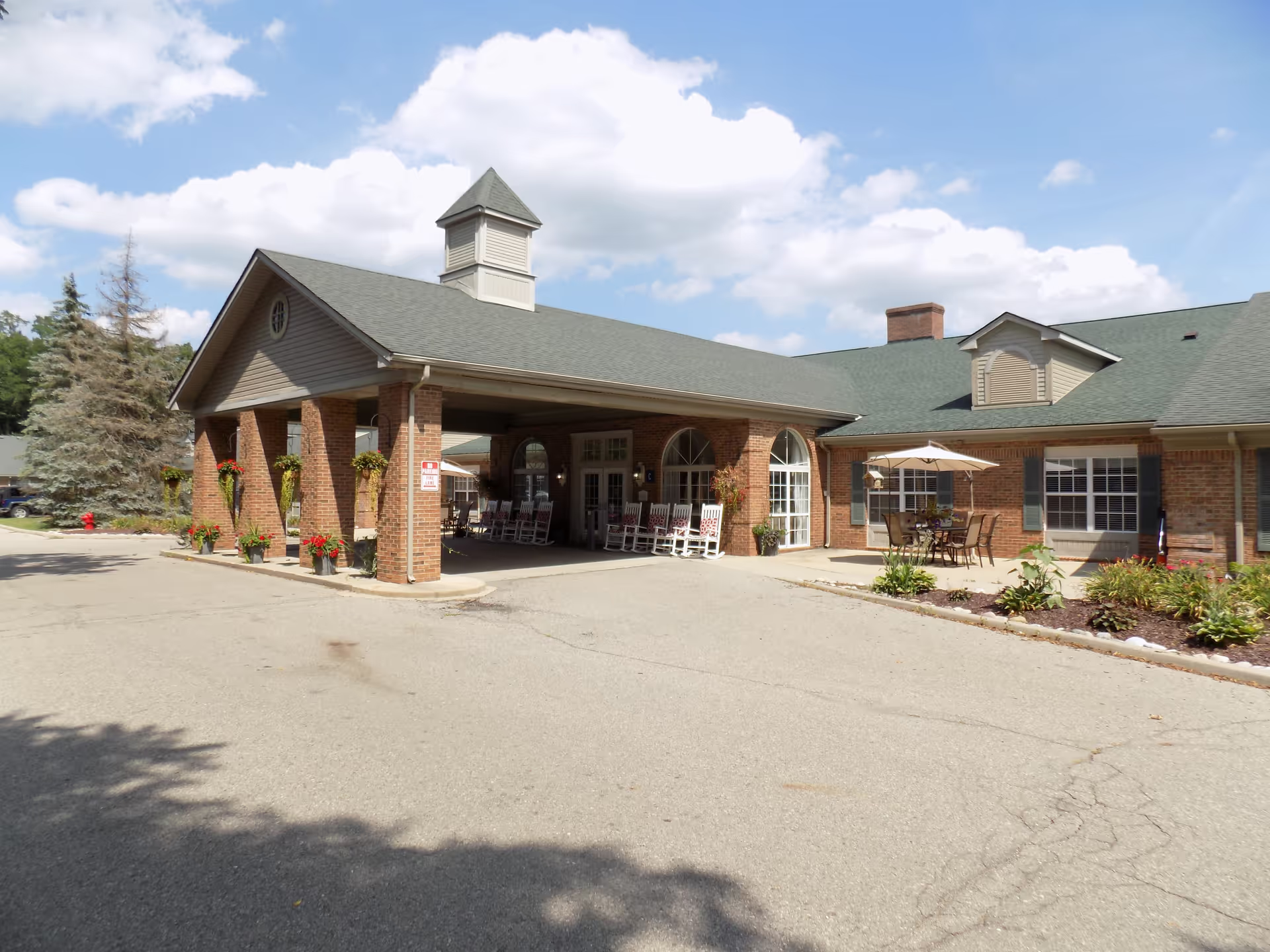
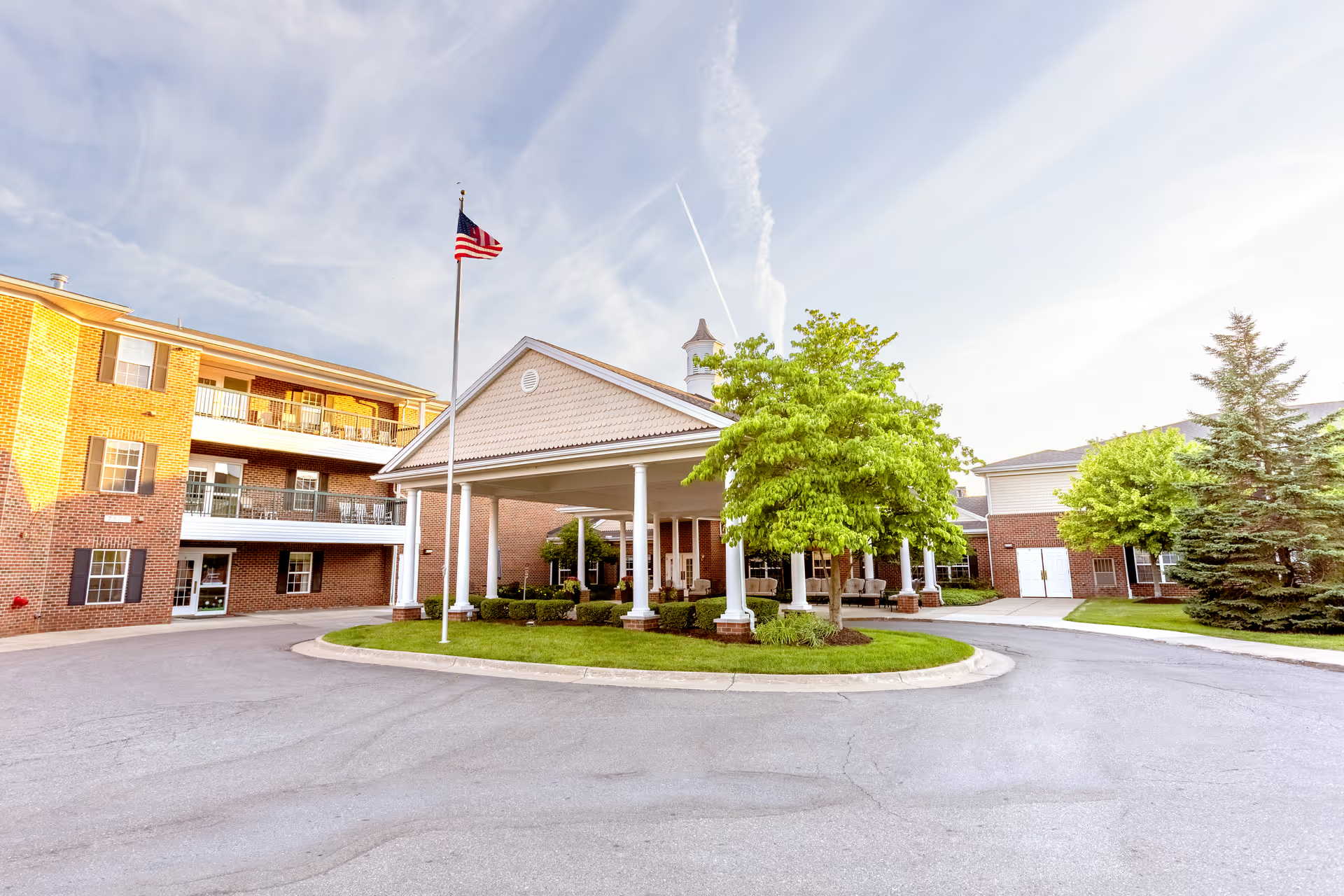
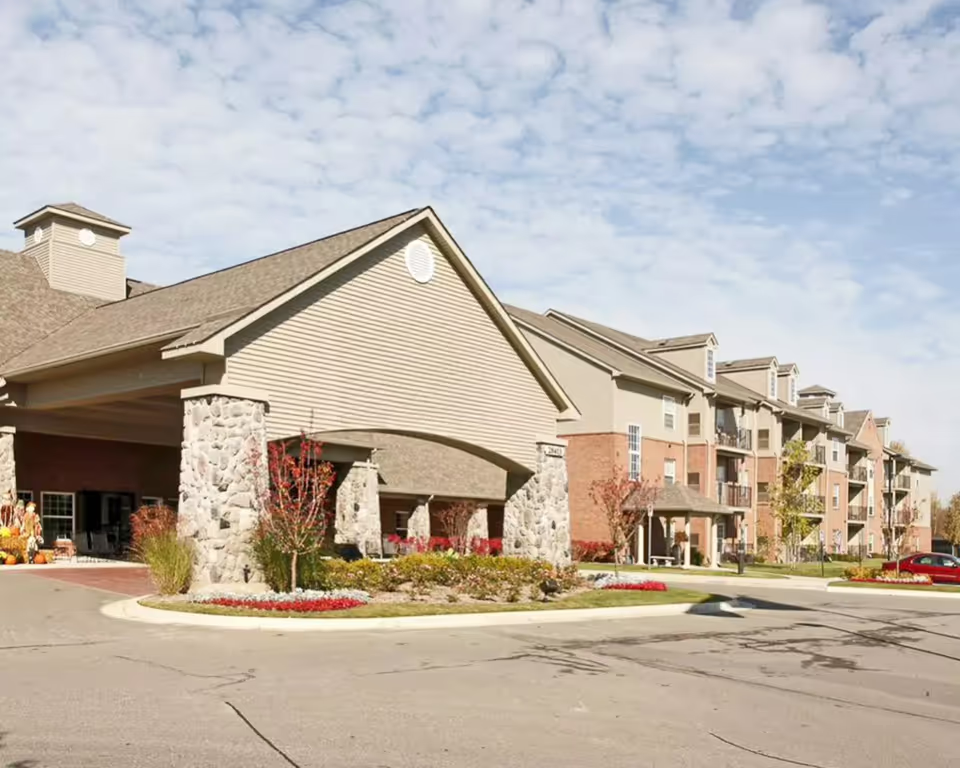
Reviewer feedback for Hampton Manor Hamburg is highly polarized. Many families and residents praise the physical environment and lifestyle amenities: the building is frequently described as new, attractive, and well-appointed, with spacious rooms, private patios, an outdoor courtyard, and pet-friendly policies. Dining is a repeated strength for numerous reviewers — meals prepared by an on-site chef, homemade offerings, and multiple daily meal and snack options were highlighted. The activities program is also a prominent positive point, with theaters, spa and library spaces, bingo and diverse programming, and staff who are described as energetic and attentive in fostering social engagement.
Staff-level impressions are mixed. Several reviewers describe caregiving and activities staff as compassionate, warm, and family-oriented, with particular praise for individual team members and hospice collaboration during end-of-life care. At the same time, a consistent theme is high staff turnover and uneven staffing levels that appear to affect service reliability. Reviewers cite variability in clinical quality across shifts, including missed medication doses and delayed responses to clinical events; these issues are particularly concerning for residents with cognitive impairment, where reviewers noted inadequate memory-care capability and training.
Operational and management concerns recur across reviews. Families report gaps in communication about incidents, hospital transfers, and clinical changes; delays in weekend coverage and transfer coordination were described. There are also sanitation and room-cleaning inconsistencies (for example, cleaning performed only on request) and occasional maintenance or plumbing responsiveness issues. Several reviewers expressed worry about personal-property security. A number of comments question leadership priorities, describing perceived emphasis on financial objectives, billing disputes, and slow resolution of refunds or calls. A few critiques reference regulatory attention and even allegations about review authenticity; these are notable as part of the overall pattern but would require independent verification.
Taken together, the pattern suggests a facility with strong physical amenities, a rich social and dining environment, and many staff who are committed and effective — yet with operational instability that can affect the resident experience. Prospective residents and families should weigh the appealing amenities and active programming against reports of inconsistent clinical reliability, memory-care capability gaps, communication breakdowns, and management/maintenance responsiveness. For families considering this community, recommended steps include direct inquiry into current staffing ratios and turnover, specific memory-care training and protocols, medication-administration safeguards, incident-notification procedures, property-security measures, and recent regulatory findings or corrective actions. A site visit during different shifts and conversations with current families may help assess whether recent staffing or leadership changes have resolved reported issues.