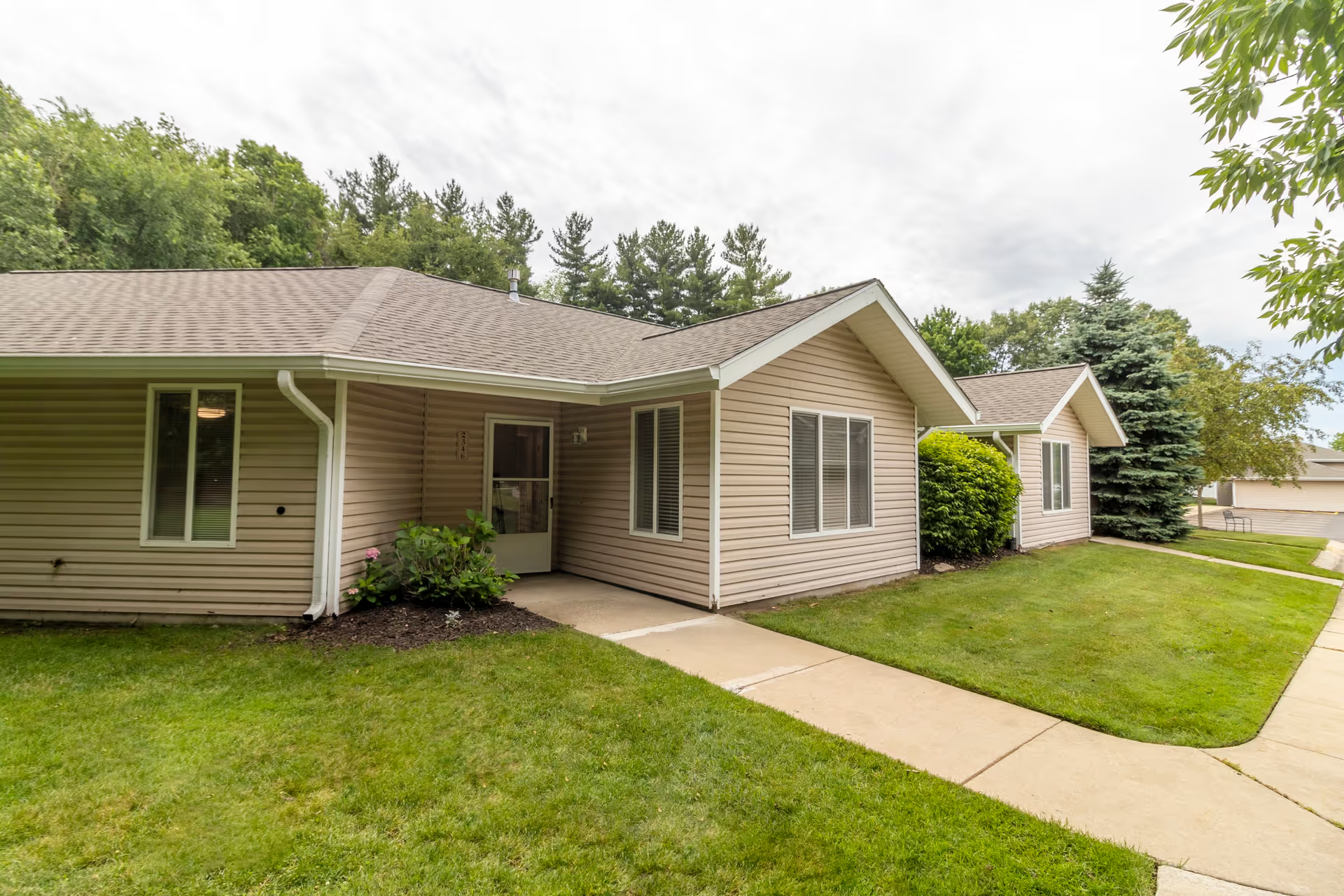
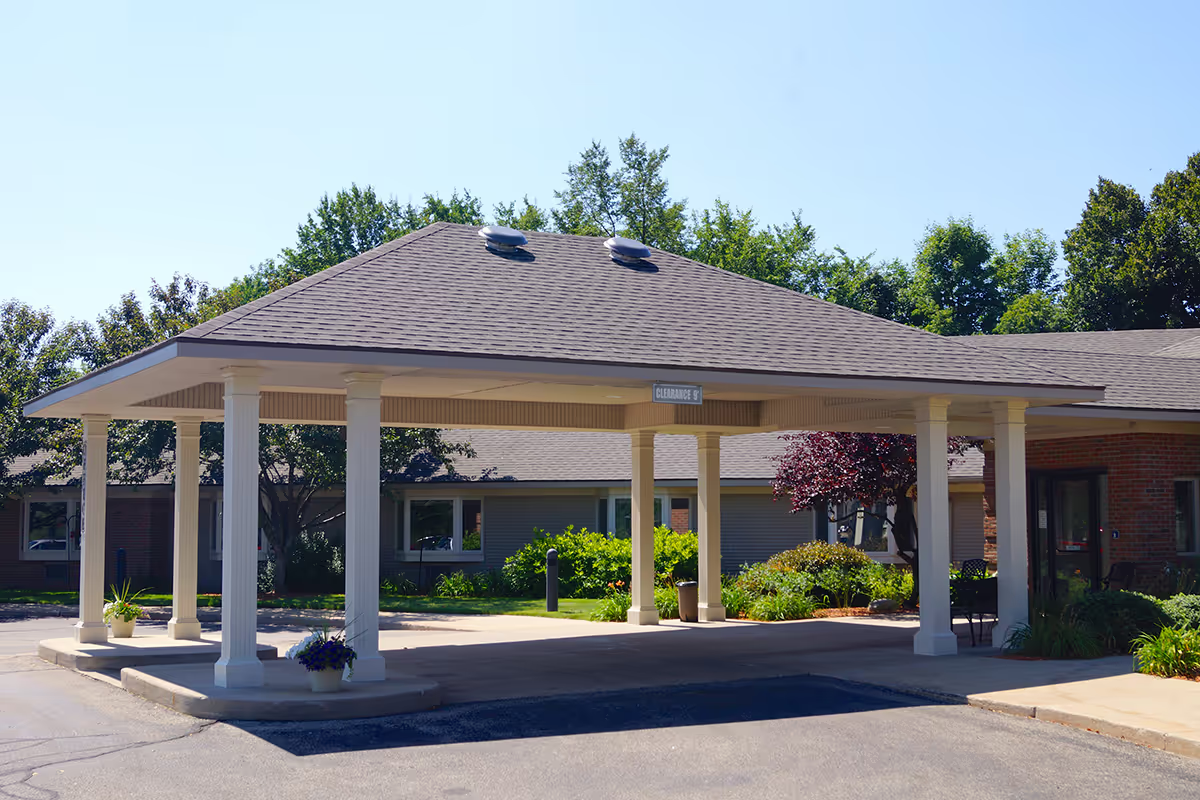
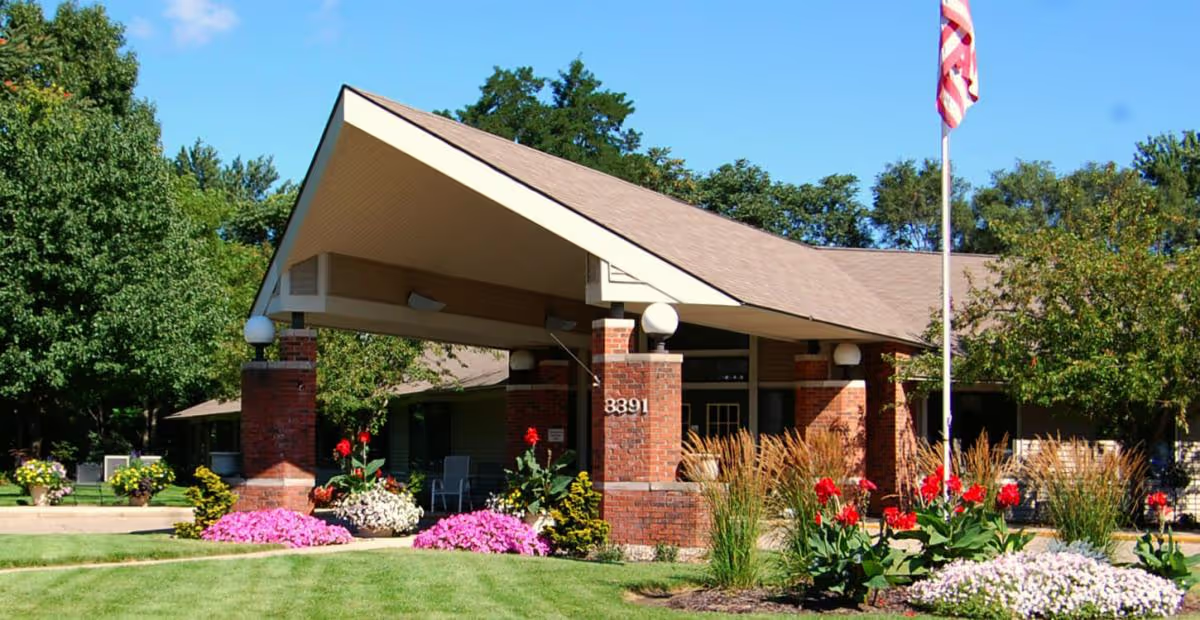
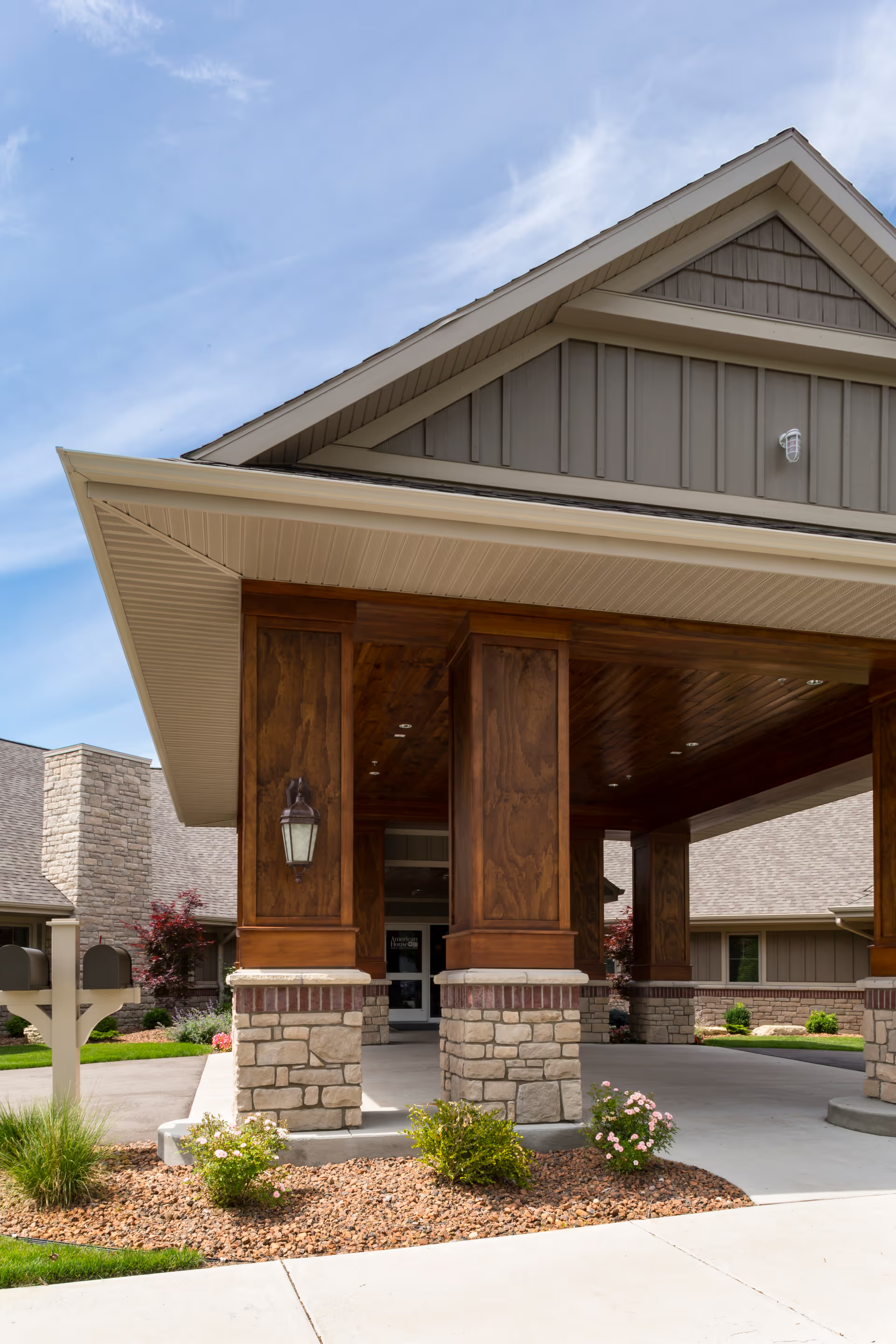
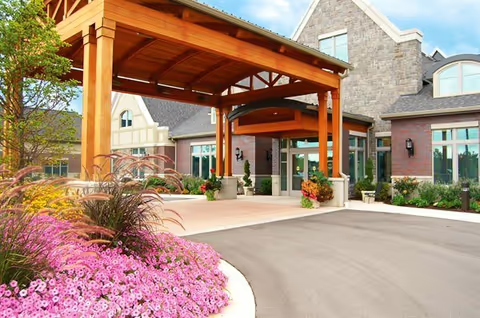
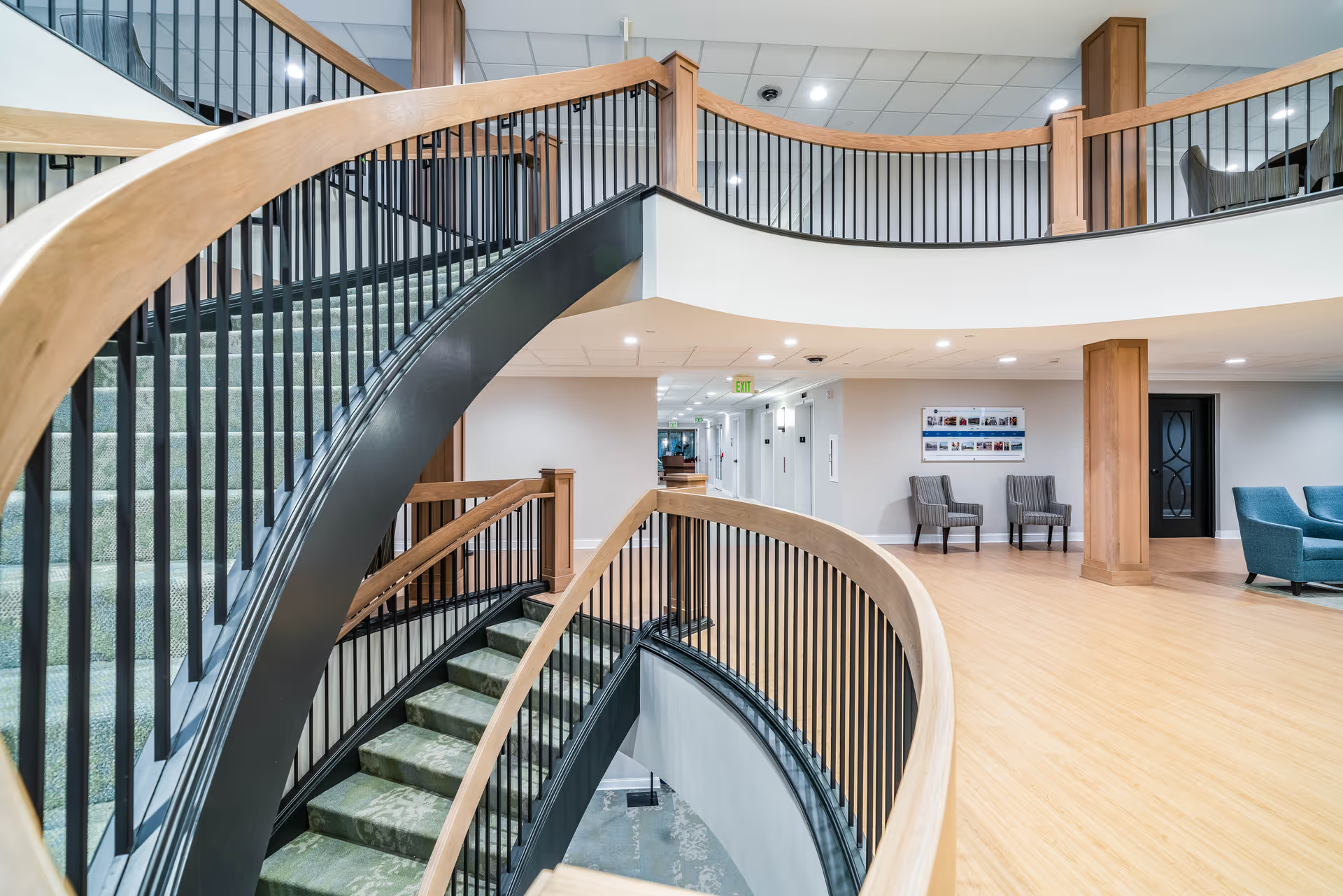
Overall sentiment is mixed to negative with a clear bifurcation between the facility’s physical assets and its operational performance. Reviewers consistently praise the building itself: American House Wyoming is repeatedly described as modern, attractive and well-appointed. Multiple commenters highlight spacious, light-filled apartments with kitchenettes and private bathrooms, appealing common areas, an on-site movie theatre, gym/therapy spaces, and pleasant outdoor features such as a courtyard, park, fountain and waterfall. Its convenient proximity to a hospital, medical providers and local shops is another frequently cited strength. Where the facility succeeds, reviewers report active social programming (Wii bowling, arts & crafts, musical performances, farmers markets), reliable laundry service, and instances of strong, compassionate caregiving that produced positive outcomes like successful PT/OT recovery and residents who are thriving and engaged.
However, these assets are repeatedly undermined by serious and recurring operational problems. The dominant negative theme across reviews is chronic understaffing and very high staff turnover, including multiple Executive Directors in short succession. This instability affects both perception and care: many reviewers describe an overreliance on agency staff, frequent sick calls, and visible shortages during nights, weekends, and after 4pm. Related to staffing are reports of inadequate training—especially on Alzheimer’s and dementia care—and poor supervision of direct care staff. Reviewers allege aides sleeping or using phones while residents are unattended, infrequent or perfunctory housekeeping (unmade beds, dirty hallways), and reduced visibility of staff on floors. These operational shortfalls lead to residents being left in rooms, rarely taken outdoors, and missing basic personal care needs such as hydration and incontinence assistance.
Safety and clinical care concerns appear often and are significant. Multiple reviewers describe medication administration errors (missed doses, double doses, incorrect medication records, pills left on the floor), inconsistent nursing oversight, and pharmacy/medication management problems. There are also alarming reports of infestations (bed bugs) and extreme lapses in hygiene (a meal tray left with maggots, bananas left out), which directly threaten resident safety and dignity. At least one reviewer reported the wrong resident being brought down, and others mentioned that half of the memory care unit was converted to a COVID unit, crowding and access issues in secured memory areas, and general confusion about care plans. These problems, when combined with reported dismissive or condescending behavior by some managers, create a pattern of risk and eroded trust for families.
Management, culture and communication are recurring pain points. Many families describe poor responsiveness, contradictory or missing follow-up, broken promises, and an overall sense that ownership or regional leadership fails to adequately address complaints. Frequent leadership changes (some cited 4–7 Executive Directors in short spans), rotating Wellness Directors, and unhappy staff members with supervisors intensify concerns about accountability and continuity of care. Conversely, a subset of reviews mention improved management over time, listening administrators, and stabilized teams that have led to better outcomes—indicating that performance may vary considerably by unit and by timing of the review.
Dining and activities receive mixed reviews. Several reviewers praise the variety of activities and declare that their loved ones are socially engaged, with good attendance at events. Conversely, others report sparse, repetitive programming and residents being left in rooms due to insufficient staffing. Dining is often described as mediocre or overhyped — some enjoy the meals, while others find them unappealing and complain about value and cost. Cost is another consistent concern: multiple families feel they are paying high prices for substandard or inconsistent care.
There are also polarized experiences within the same facility: some families report excellent, attentive staff and thriving residents with high activity participation and good communication, while others report traumatic memory care transfers, neglect, hygiene issues and unsafe medication practices. This polarization suggests significant variability between floors, shifts, and units (particularly between independent living and memory care). Independent living residents and common-area aesthetics tend to receive more positive remarks, but the memory-care residents and those with higher care needs are where most problems are clustered.
In summary, American House Wyoming presents as a high-potential, well-located and attractive campus with many desirable amenities and a mix of dedicated, caring staff. Yet the facility also shows systemic operational weaknesses—chiefly chronic understaffing, poor supervision and training, medication and safety failures, inconsistent housekeeping, and unstable management—that materially affect quality of care, especially for memory care and higher-dependency residents. Families considering this community should weigh the strong physical environment and some positive staff reports against recurrent reports of clinical errors, dignity and hygiene lapses, management turnover, and inconsistent responsiveness. Prospective residents and their families would be advised to directly probe staffing levels on the specific unit and shift their loved one would occupy, request recent incident/inspection records, verify medication and infection‑control procedures, and insist on clear escalation paths and written care plans before committing. Owners and regional leadership would need to address staffing stability, dementia training, medication safety protocols, housekeeping standards, and leadership continuity to bring performance consistently in line with the facility’s physical promise.