Reviews of Harbor Post Acute Center show a sharply mixed picture. Many families and clinicians praised the facility’s therapy teams and highlighted measurable rehabilitation gains — improved mobility, regained limb function, and successful discharges are frequently described. Multiple accounts also note private, modern rooms and individual staff members who provide compassionate, attentive care. Wound care and IV management were cited as strengths in several stays, and some reviewers described attentive post-discharge follow-up and an active activities program that contributed positively to recovery.
At the same time, a consistent pattern of operational weaknesses emerges across reviews. Understaffing and reliance on agency personnel are recurrent themes and are linked to delayed responses to call lights, missed or late medications, inconsistent bathing and linen changes, and long waits for assistance. These staffing shortfalls appear to affect both day and night coverage and are often given as the proximate cause for a range of service lapses, from missed meals and unmade beds to delayed toileting assistance and reduced supervision.
Clinical and safety concerns are also prominent. Reviewers describe medication scheduling and handling problems (including unexpected timing of night doses, missed doses, and documentation gaps), communication breakdowns around clinical status and care transitions, and safety-practice issues related to transfers and fall prevention. Several accounts reference emergency returns to hospital and distress caused by conflicting medical information; these indicate gaps in clinical communication and escalation pathways. Infection-control and screening practices were questioned in a number of reviews, and there are also operational equipment issues noted (nonfunctional devices or empty supply tanks) that affect care delivery.
Dining, housekeeping, and front-desk processes show notable inconsistency. Some guests reported good meals and courteous kitchen staff, but an equal number described unpalatable food, limited therapeutic/dietary options, and frequent order errors. Housekeeping performance ranged from thorough cleaning to prolonged lapses in linen changes and room upkeep, with sanitation concerns and intermittent pest-control concerns cited. Administrative processes such as reception coverage, transportation coordination for outside appointments, and responsiveness to family concerns were similarly variable; several families reported broken or unattended reception desks and appointment scheduling problems.
Management responsiveness appears uneven. A number of reviews commend specific administrators or note that managers intervened effectively when present; however, other reviews describe promised corrective actions that were not sustained. There are occasional allegations of inappropriate staff conduct that families found serious; these underscore the importance of direct oversight, transparency, and timely investigation when concerns arise.
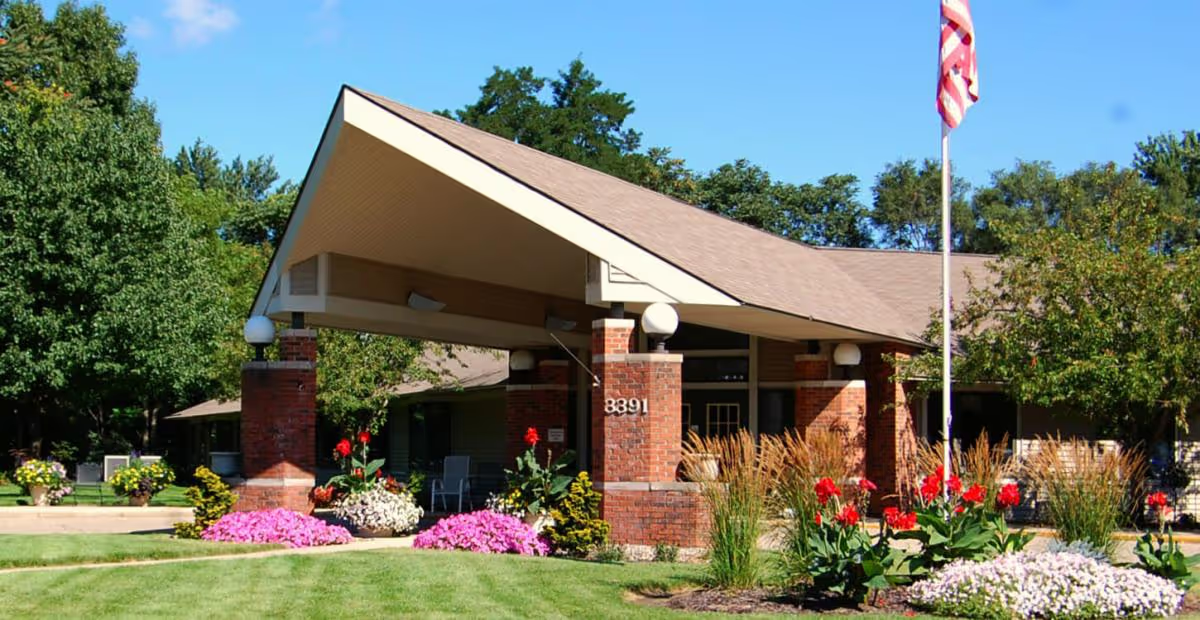
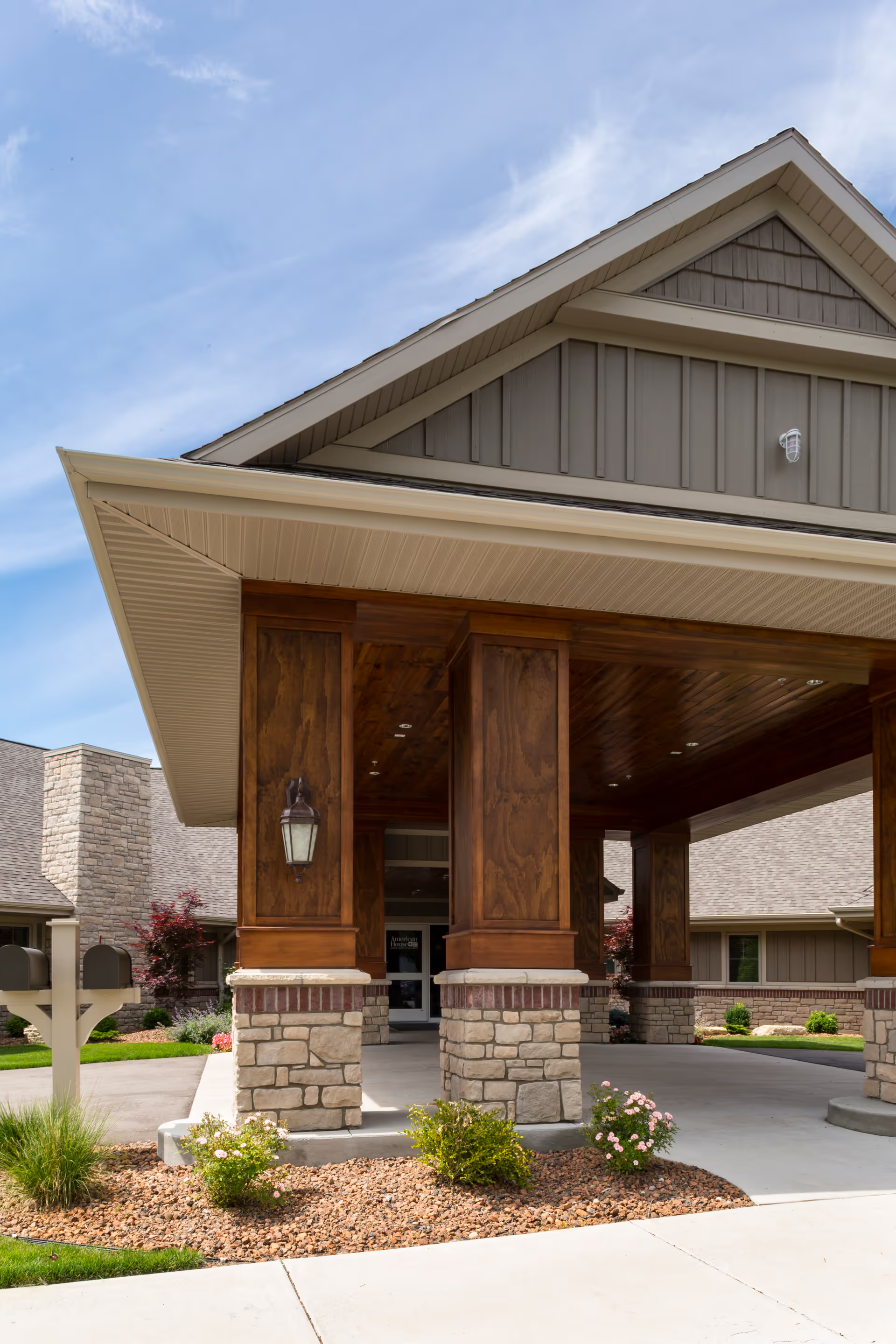
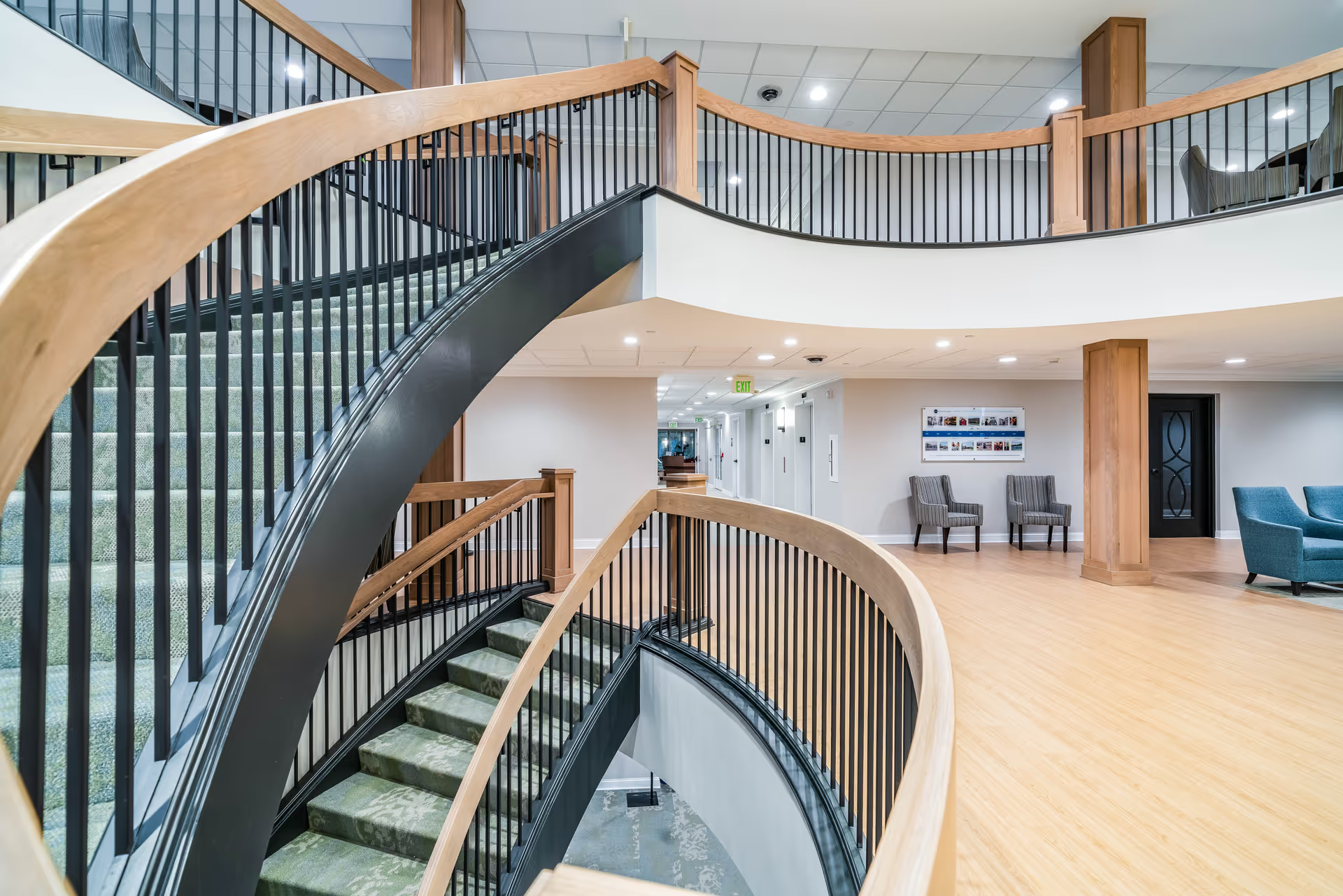
Overall pattern: Harbor Post Acute Center provides high-quality rehabilitation therapy and has examples of compassionate, skilled caregivers and attractive facilities, but recurring operational and staffing issues undermine consistency of care. Prospective residents and families should weigh the strong therapy and facility amenities against documented variability in staffing, medication practices, housekeeping, infection-control processes, and communication. Recommended due diligence includes visiting at different times of day, meeting the therapy and nursing teams, asking about staff-to-resident ratios and use of agency staff, reviewing medication and infection-control protocols, and confirming procedures for transportation and family communication during a stay.