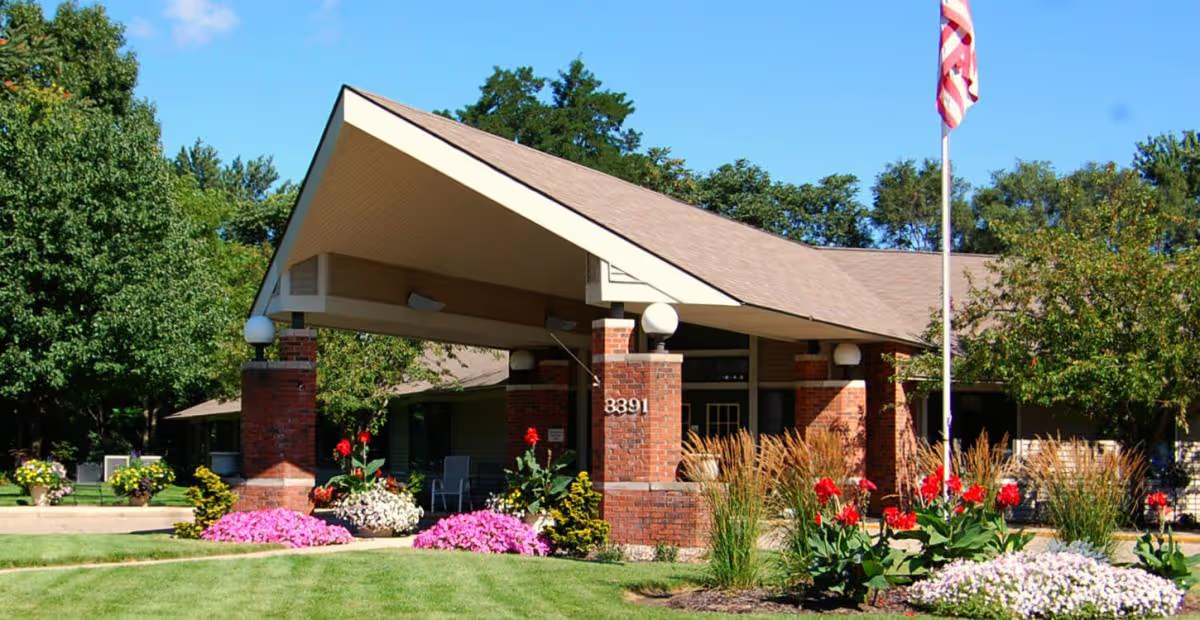
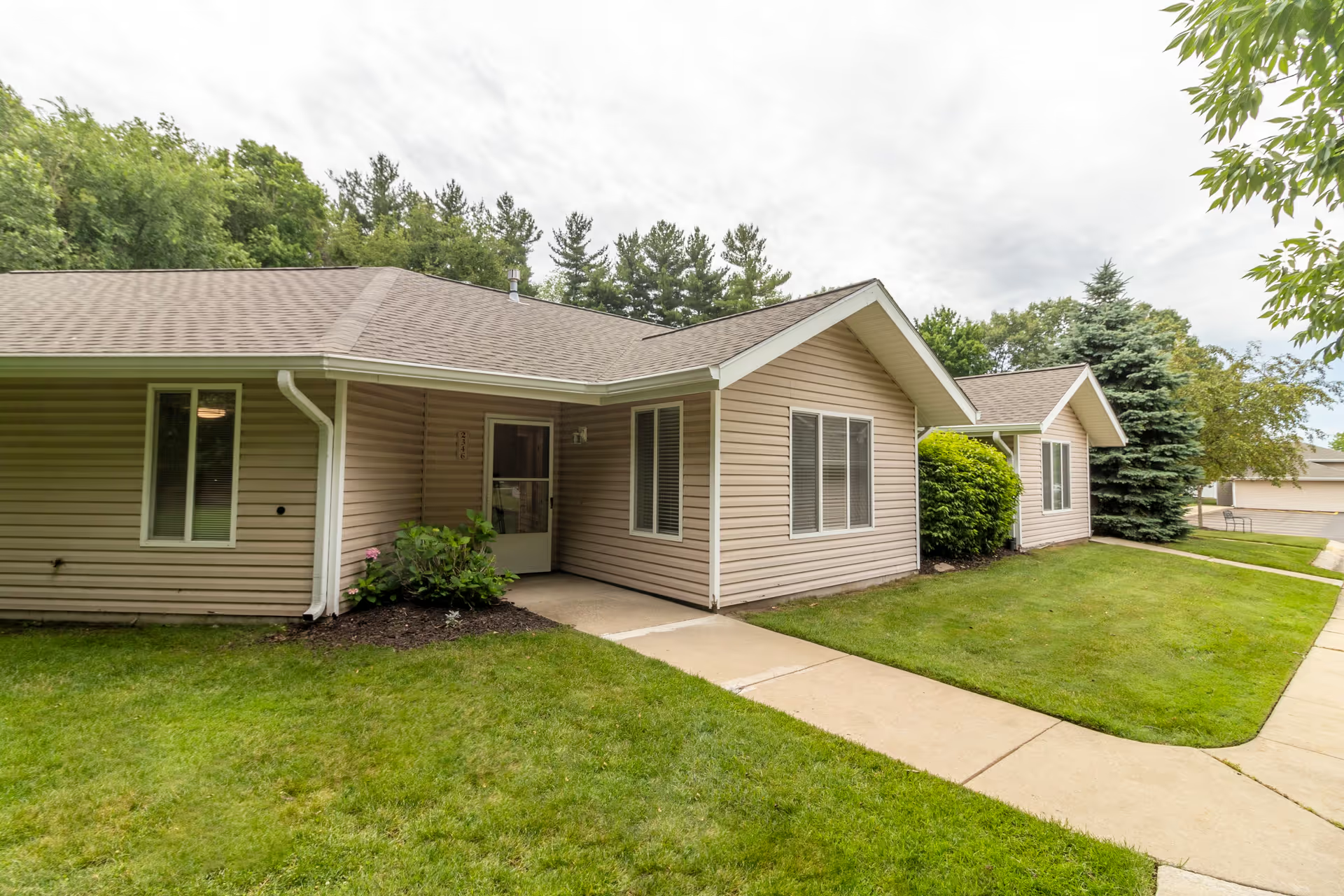
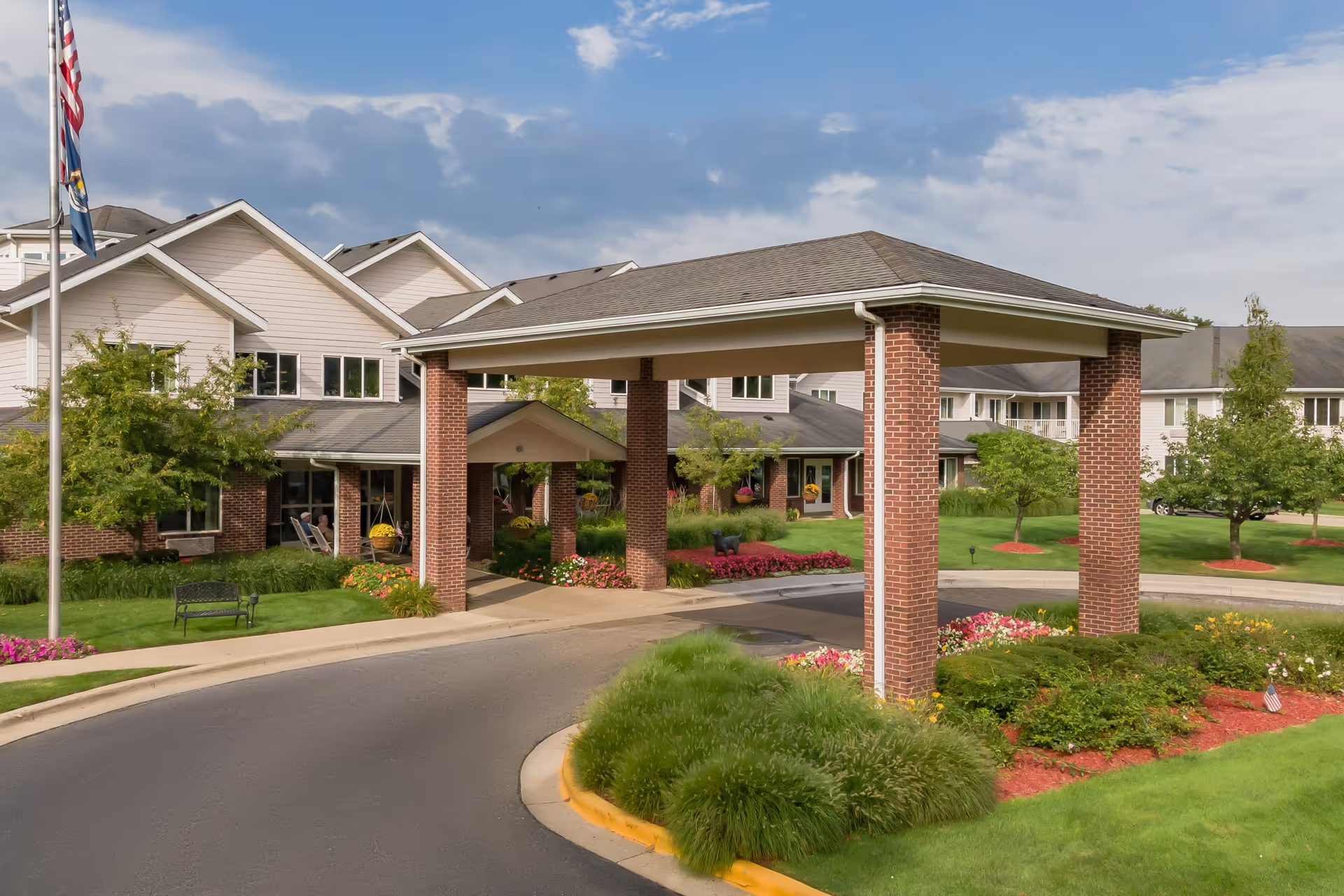
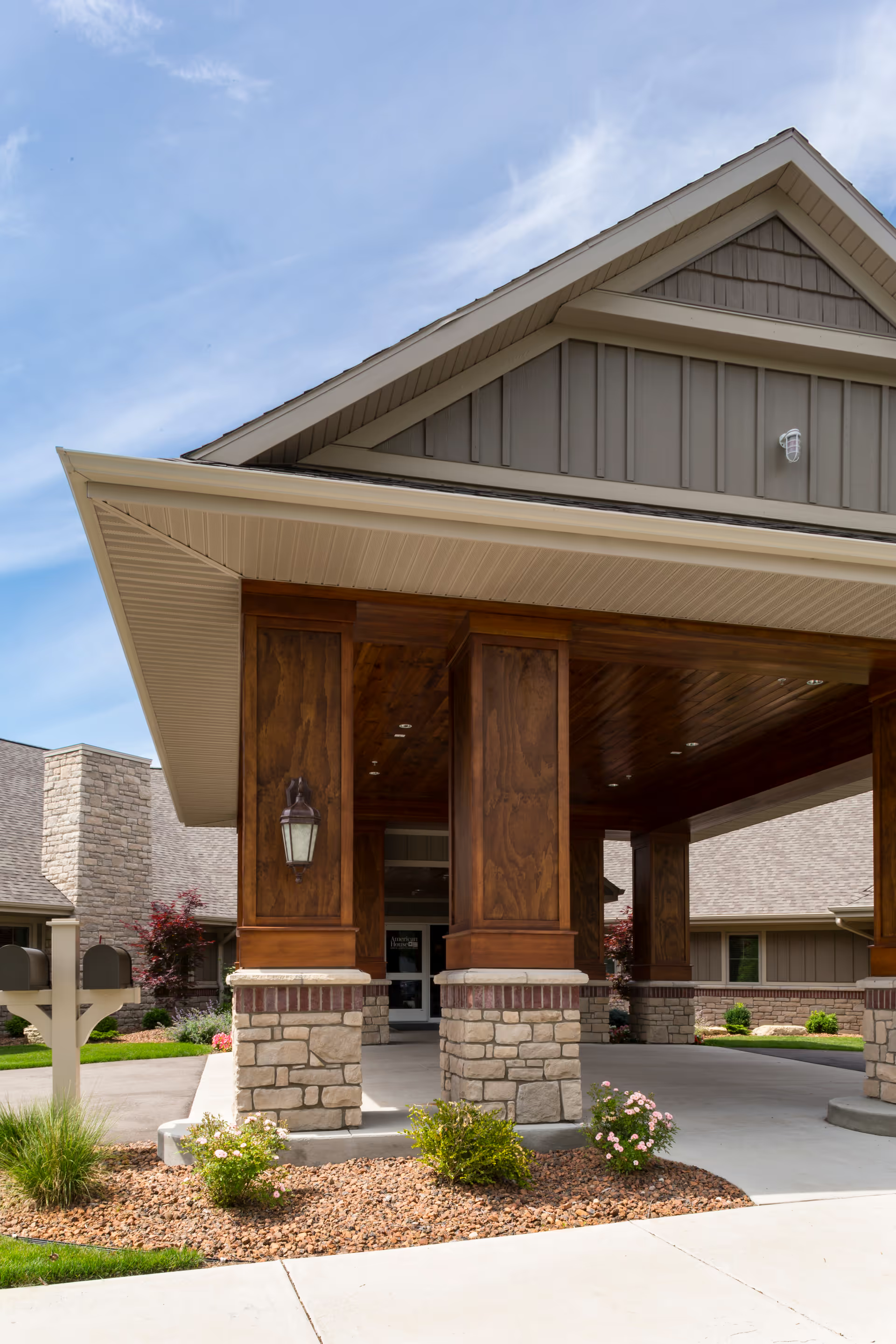
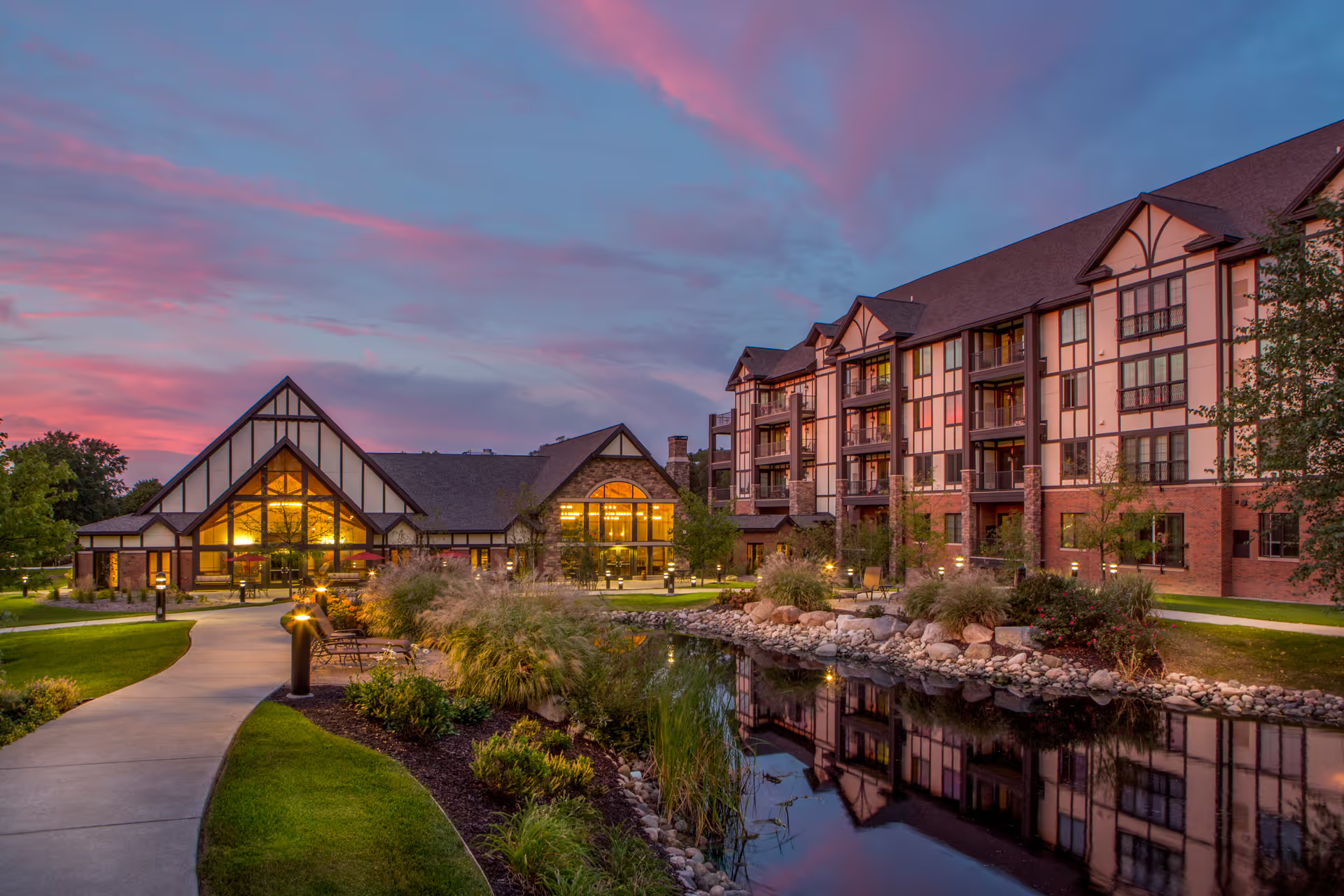
Reviews present a divided but actionable picture. Many families and residents praise the facility’s physical environment, common spaces and apartment layouts: reviewers describe an attractive, well-kept campus with wide hallways, comfortable private units and some in-room amenities. Life-enrichment offerings are frequently highlighted as a core strength—daily activities, outings, themed events, bingo and regular social programs contribute to engagement. On-site services such as hairdressing and podiatry, as well as transportation for excursions, support an active resident lifestyle. The facility also has infection-control features (in-room air filtration) that some reviewers see as beneficial.
Care and staff impressions are mixed. A significant number of accounts emphasize compassionate, attentive caregivers who learn residents’ names and provide individualized attention; recreation staff and certain med-techs and aides are singled out as especially supportive. Counterbalancing those accounts are repeated operational concerns: persistent understaffing, long call‑button response times, missed or delayed medication doses, and uneven follow-through on physician or family guidance. Several reviews describe limited nurse coverage or single-nurse situations that contribute to gaps in clinical supervision. There are also reports indicating the facility struggles to manage advanced dementia or aggressive behaviors, which has led to care transitions in some cases.
Dining and housekeeping show variability. Many reviewers report good food quality and menu variety, while others cite cold meals, menu substitutions that do not match expectations, and inconsistent attention to allergy or dietary needs. Housekeeping and room readiness receive praise in some accounts but are described as inconsistent in others—issues referenced include delayed room preparation and sanitation concerns in specific rooms or shower areas. Maintenance and finishings are generally acceptable on the whole but there are recurring remarks about peeling molding and other deferred repairs in parts of the building.
Management and operations present a notable pattern of instability for some families. Positive experiences with an engaged admissions team and certain managers are balanced by criticisms of high leadership turnover, delayed administrative responses, and difficulties reaching management—particularly on weekends or during ownership transitions. Communication gaps between staff, families, external clinicians and the pharmacy are frequently cited and have contributed to medication and care coordination problems. Intermittent internet or connectivity problems have also affected staff ability to coordinate care and contact families.
Taken together, the reviews suggest the Cortland Wyoming can offer a high-quality living experience—strong social programming, pleasant facilities and many caring staff—but that the resident experience is sensitive to staffing levels and management stability. Prospective residents and families should consider an in-person visit, ask for current staffing ratios and nurse coverage schedules, request written medication- and allergy-safety protocols, review dementia-care capabilities and incident-response procedures, and confirm housekeeping and maintenance standards before making a placement decision. Documented plans for management continuity and staffing improvements (if any) are also important to evaluate given the mixed operational reports.