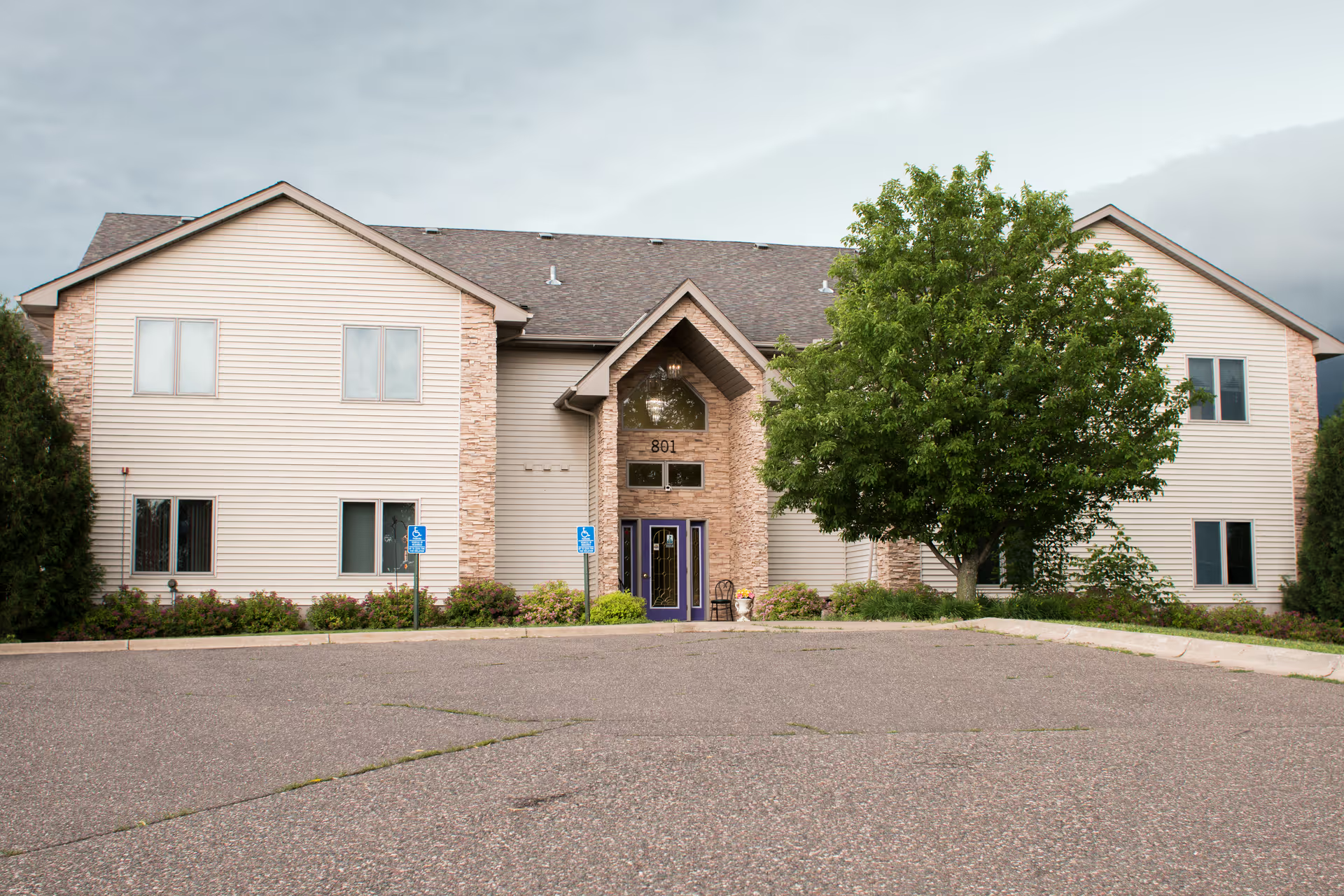
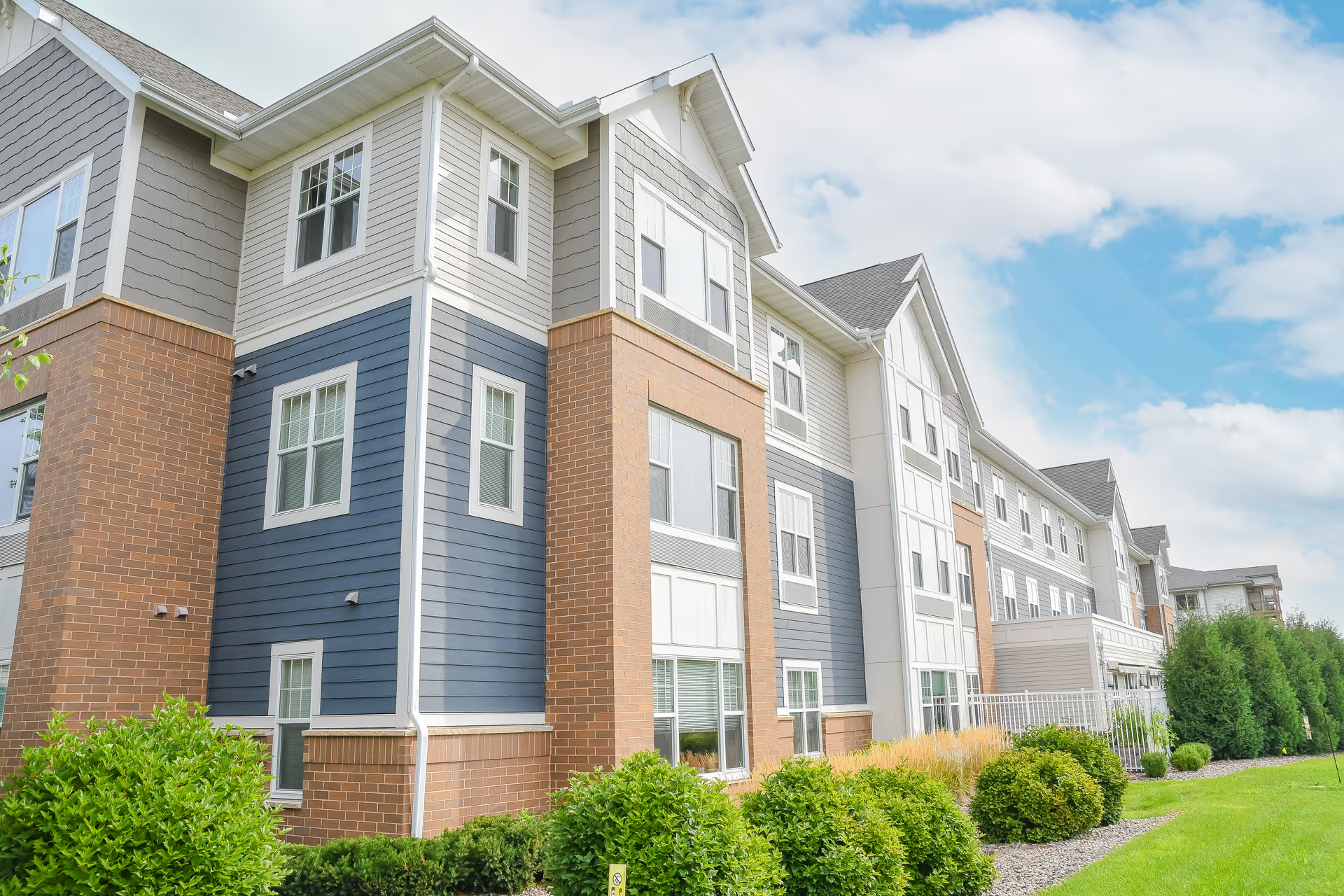
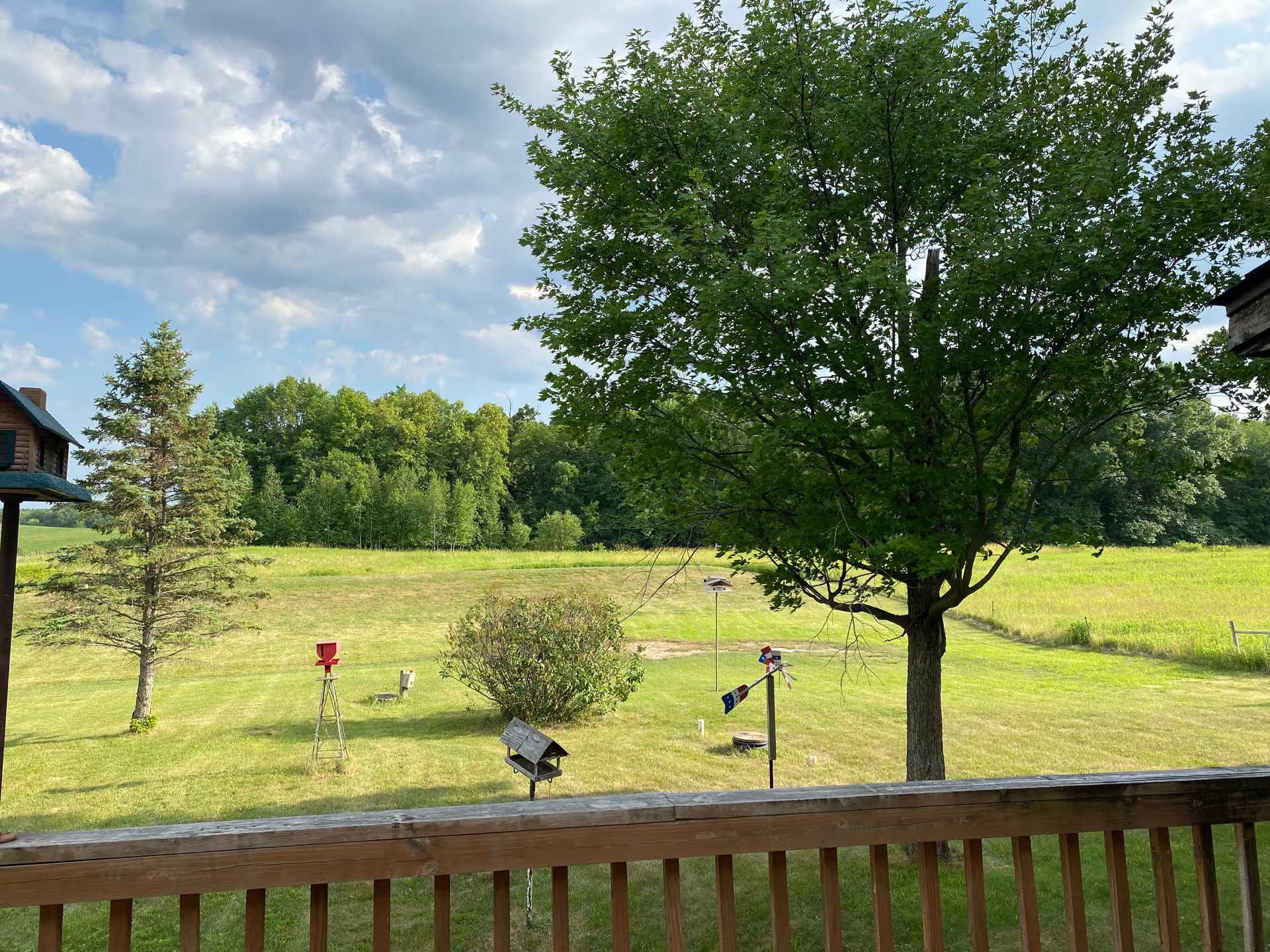
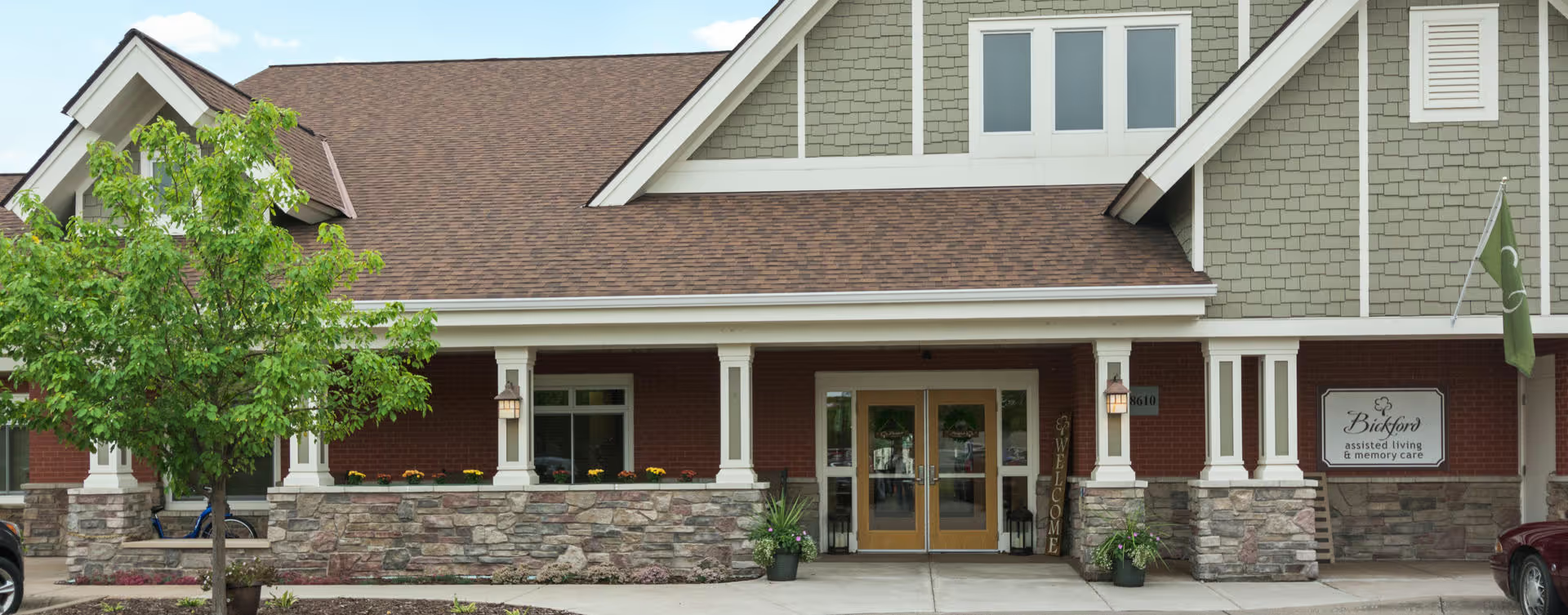
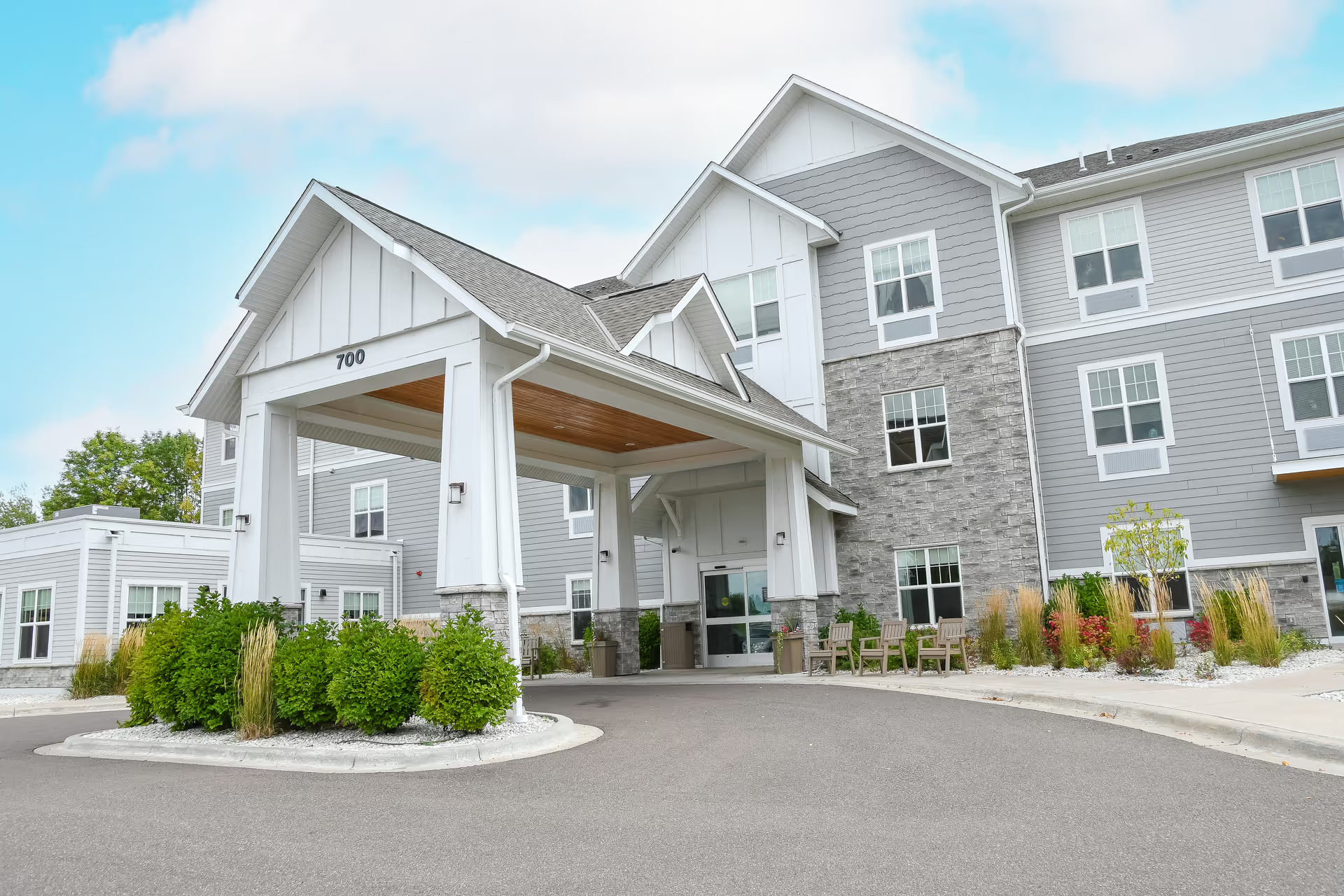
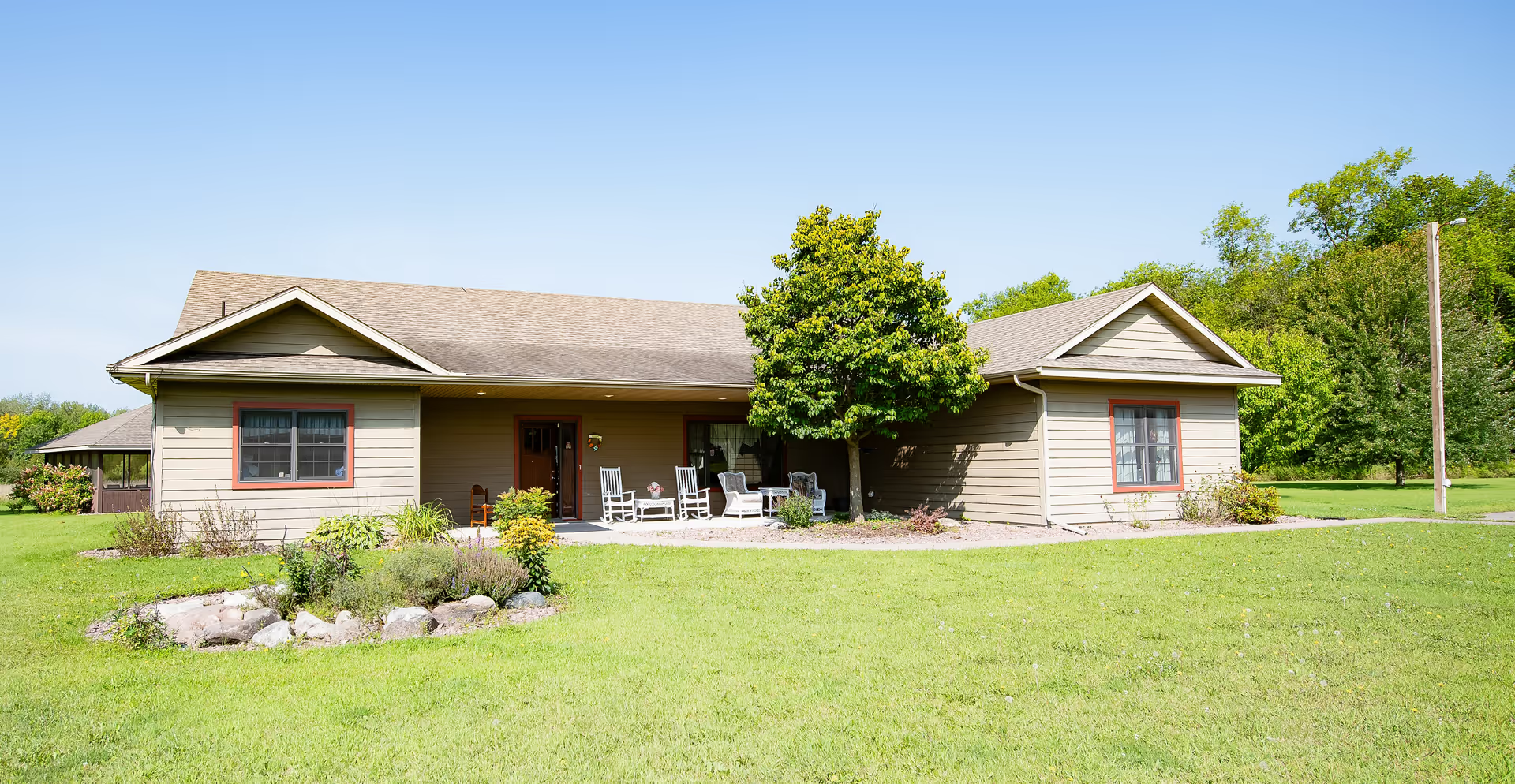
GracePointe Crossing presents as a large, amenity-rich senior living campus that many families find attractive for its facilities and programming. The property is described as modern, well-maintained and cosmetically appealing, with attractive common areas (lounges, bistro, chapel, large library), scenic grounds (river views, extensive acreage) and a variety of recreational amenities including theater space, game rooms, pools, and structured activities such as church services, bible studies, bingo, ice cream socials and frequent programming. Apartment units and public areas are frequently characterized as clean, spacious and hotel-like in ambiance.
Dining and on-site clinical services are notable strengths. The community emphasizes restaurant-style dining with menu ordering and generally well-regarded meals; reviewers commonly praised the quality and presentation of food even while noting occasional service-related temperature inconsistencies. On-site therapy and transportation to medical appointments (including dialysis/doctor visits) are available, and front-desk and tour staff are consistently described as helpful and professional. Management and marketing staff, including tour directors, received positive remarks for organization and responsiveness during move-in and initial orientation.
Care and staffing present a mixed picture. Many families called attention to compassionate, attentive caregivers who make meaningful personal connections with residents. At the same time, recurring operational concerns center on staffing levels and workflow: reviewers described periods of high resident-to-aide ratios, slower response times to resident needs, and limited hands-on time per resident. Several accounts indicate delayed escalation of medical issues and communication gaps between clinical staff, families, and external providers; a small number of these situations culminated in hospital transfers or dissatisfaction with how emergencies were handled. These patterns suggest that while individual caregivers are well regarded, staffing consistency and clinical escalation protocols may require review.
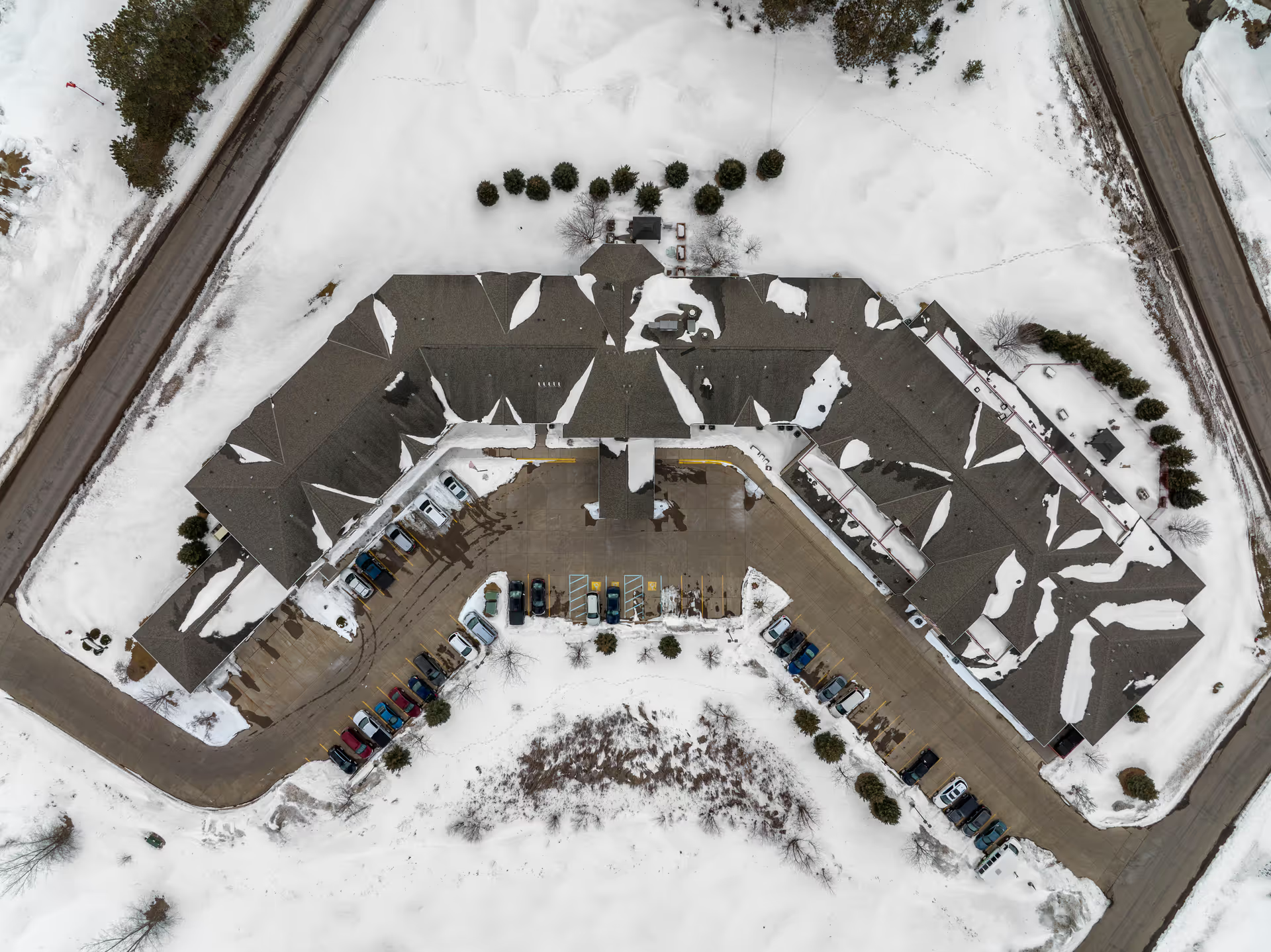
Navigation, accessibility, and logistics are practical considerations for prospective residents. The facility’s large footprint and multiple wings contribute to wayfinding challenges—signage and elevator placement were identified as insufficient in places, and some routes are long for residents using walkers or mobility aids. Parking availability and visitor-access policies were raised as constraints by some visitors. Additionally, reviewers flagged pricing and reimbursement interactions as an area of friction—prospective residents should review contract details and billing procedures carefully.
Overall, GracePointe Crossing appears well suited to older adults seeking an active, amenity-heavy community with restaurant-style dining and a robust activities calendar. Its physical plant, scenic setting, and many engaged staff members are strengths. Families considering placement should balance those positives against operational factors: inquire about current staffing ratios and clinical escalation procedures, test wayfinding and accessibility for the specific apartment location, clarify visitor and parking policies, and confirm pricing and reimbursement practices before committing.