Reviewers present a mixed portrait of Parmly on the Lake: the facility is frequently praised for its rehabilitation capabilities, activity programming, and attractive lakeside campus, yet several recurring operational and clinical concerns appear across accounts. Positive experiences highlight compassionate direct-care staff, a strong PT/OT/rehab program, an active and creative activities department, and amenities such as a fitness center, pool, chapel, and visitor-friendly refreshments. For residents focused on therapy, social engagement, or access to outdoor spaces, the campus and programming are clear strengths.
Care quality and clinical practices show marked variability. Many families commend individual caregivers and therapists for attentive, person-centered work; however, other accounts describe lapses in infection-control practices, inconsistent adherence to physician orders, delayed responses to call lights, and therapy sessions not delivered as scheduled or at expected intensity. These clinical gaps are often tied to staffing patterns — reviewers reference chronic understaffing, long night-shift waits, extended staff work hours, and reliance on temporary aides unfamiliar with residents’ routines — which can affect timely toileting, turning, catheter or port care, and monitoring of acute changes. There are also mentions of serious adverse outcomes and concerns following a resident's death, which some families escalated to regulatory channels.
Staff and management impressions are similarly polarized. Numerous comments single out nurses, aides, therapists, social services staff, and receptionists as compassionate and effective, and some families describe responsive administrators and smooth intake/discharge coordination. Conversely, others note uncooperative supervisory behavior, perceived emphasis on billing and occupancy, inconsistent follow-up on complaints, and uneven responsiveness from social-work and leadership. Several reviewers reference state citations and below-average Medicare ratings; these items suggest that prospective families should review the facility’s most recent survey results and quality measures during evaluation.
Dining and activities are a relative strength but inconsistent. The activities program receives consistent praise for variety and engagement (art, music guests, exercise classes); the dining program offers guest-meal options and some residents enjoy the food. At the same time, reviewers cite interrupted meal delivery, inconsistent food temperatures, and uneven dining experiences across units. Housekeeping, laundry, and property-management issues appear as operational pain points—lost clothing, delayed laundry, and uneven cleanliness in some rooms and outdoor areas were reported alongside examples of thorough daily cleaning in other units.
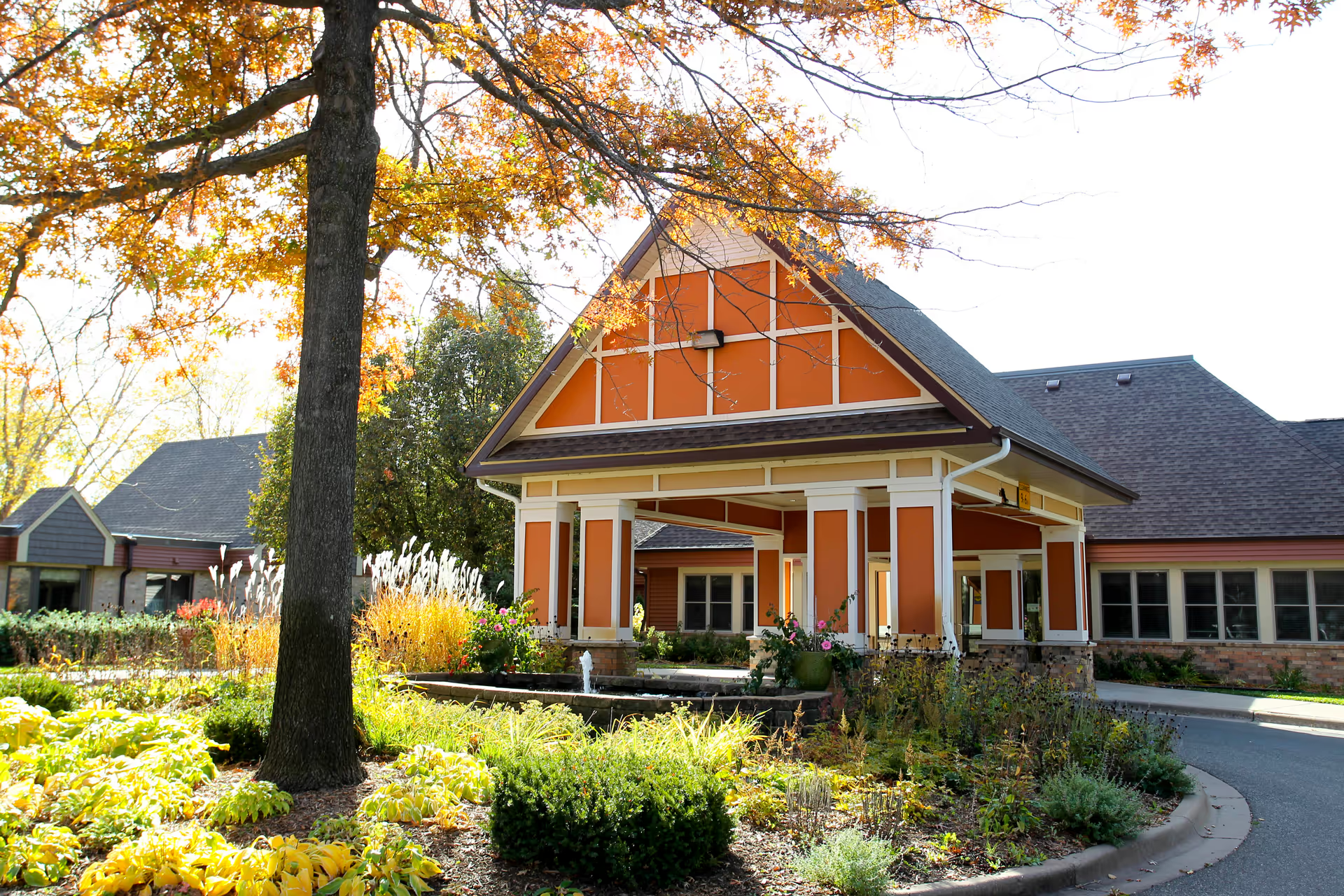
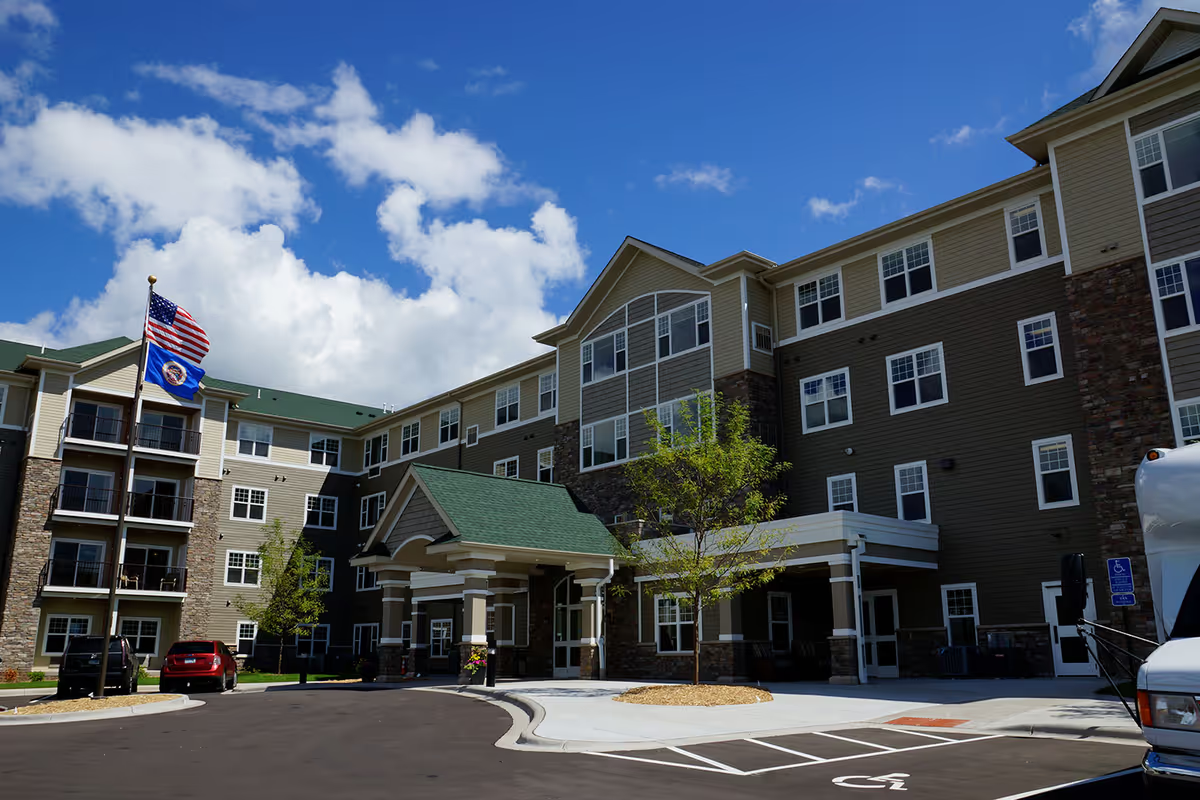
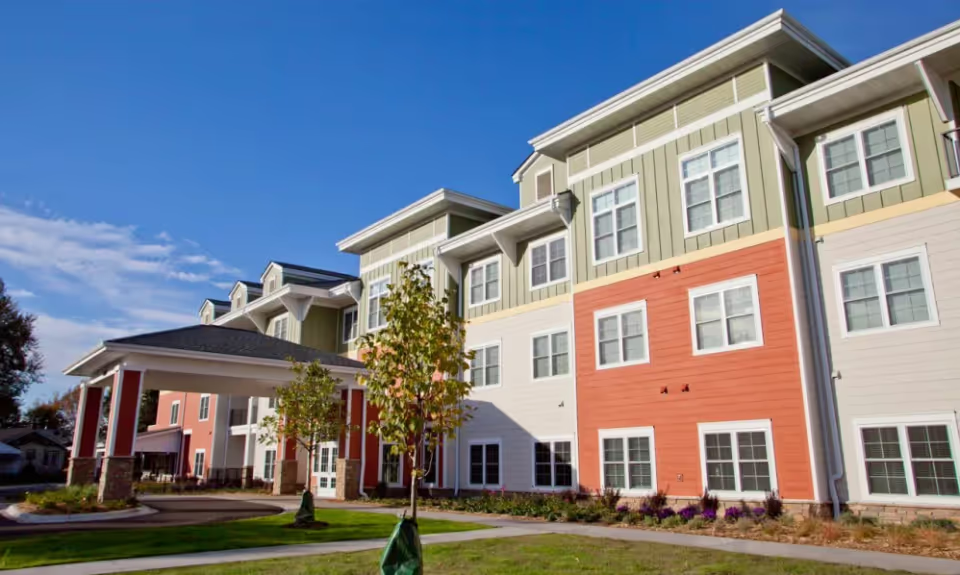
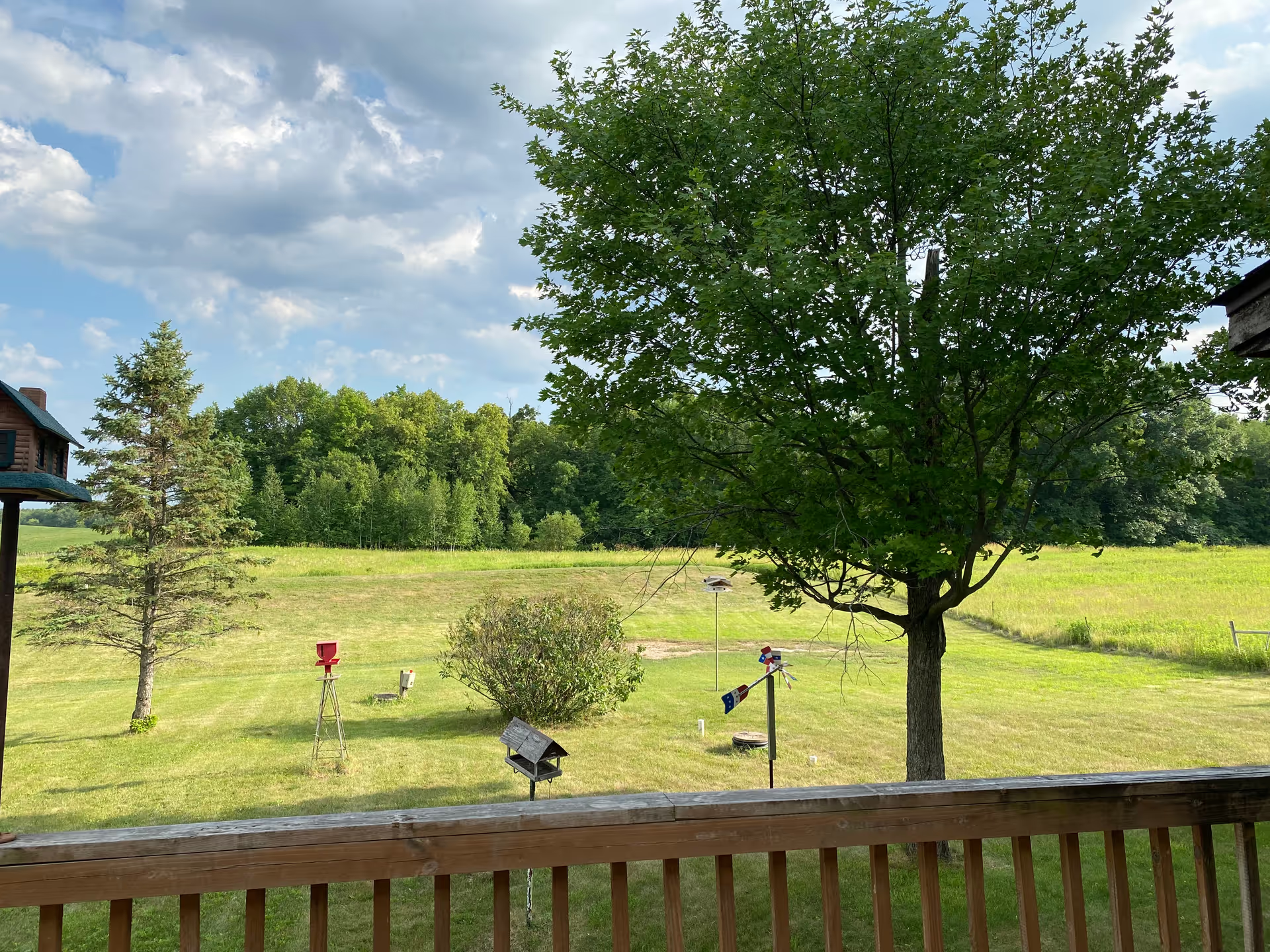
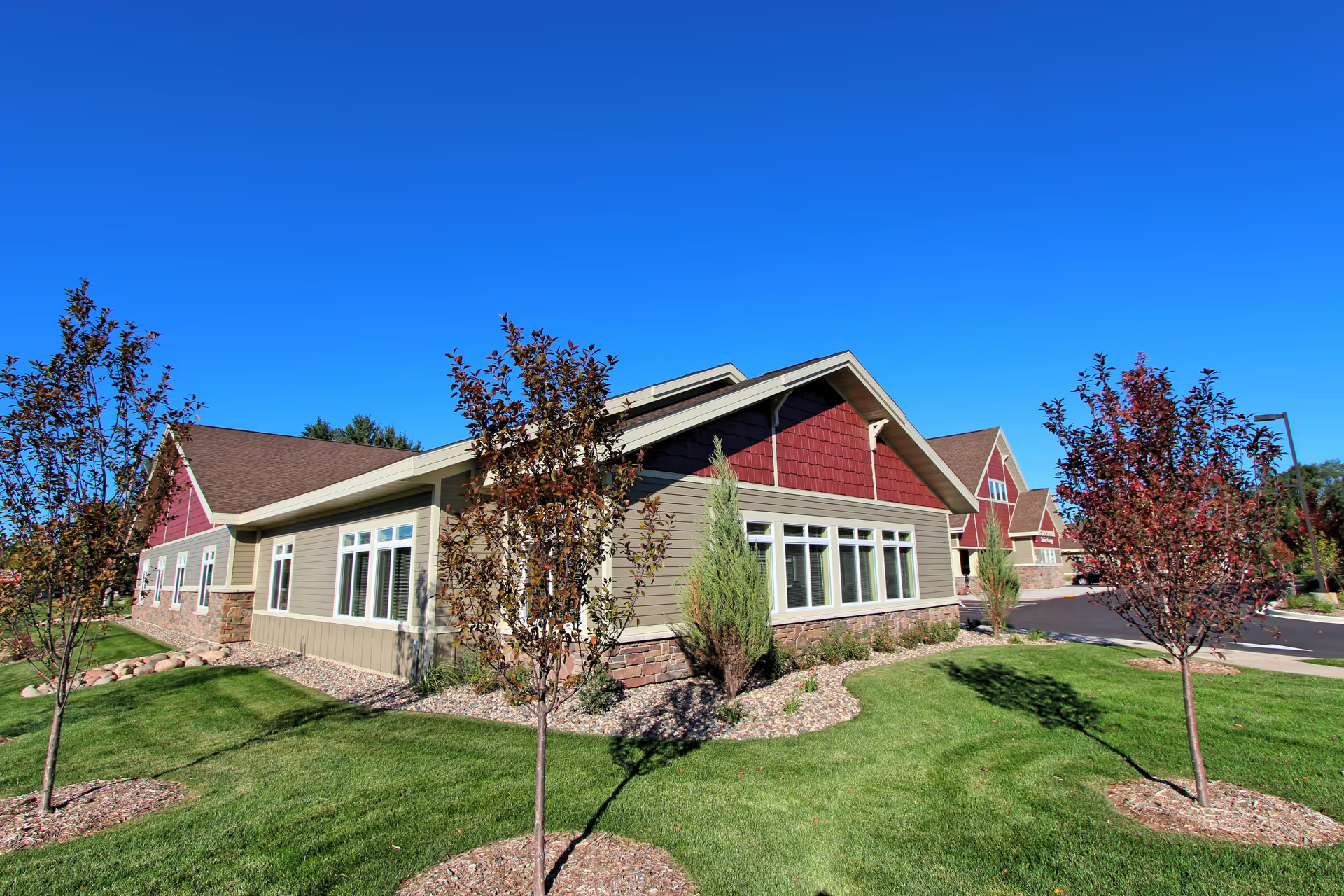
Facilities and campus amenities are notable for both positives and negatives. The grounds, lake views, and outdoor programming are frequently described as beautiful and park-like. Yet several reviewers note aging interiors, worn furniture, small long-term rooms or shared rooms with curtain dividers, limited natural light in some accommodations, accessibility challenges (narrow bathrooms, uneven outdoor paths), and marketing photos that do not always match on-site conditions. These maintenance and accessibility issues, paired with concerns about value for money, contribute to mixed impressions.
Notable patterns for prospective residents and families: 1) Experiences at Parmly on the Lake are highly variable — some families report outstanding, consistent care and engagement while others describe significant operational failures; 2) many of the negative issues tie back to staffing levels and supervision rather than a single service area, so staffing ratios, night-shift coverage, and use of agency staff are important topics to clarify; and 3) regulatory history, recent quality metrics, and adherence to infection-control protocols are specifically worth reviewing given the clinical concerns described.
Practical suggestions for evaluation: observe the facility during both day and evening hours, ask for current staffing ratios and therapy minutes, review recent state survey and Medicare ratings, tour rooms to verify layout and natural light, inquire about laundry and property-loss policies, and ask how the facility addresses family communication, incident reporting, and infection-prevention protocols. These steps can help determine whether the facility’s strong rehabilitation and activity offerings align with a prospective resident’s clinical and daily-living needs given the operational variability described in reviews.