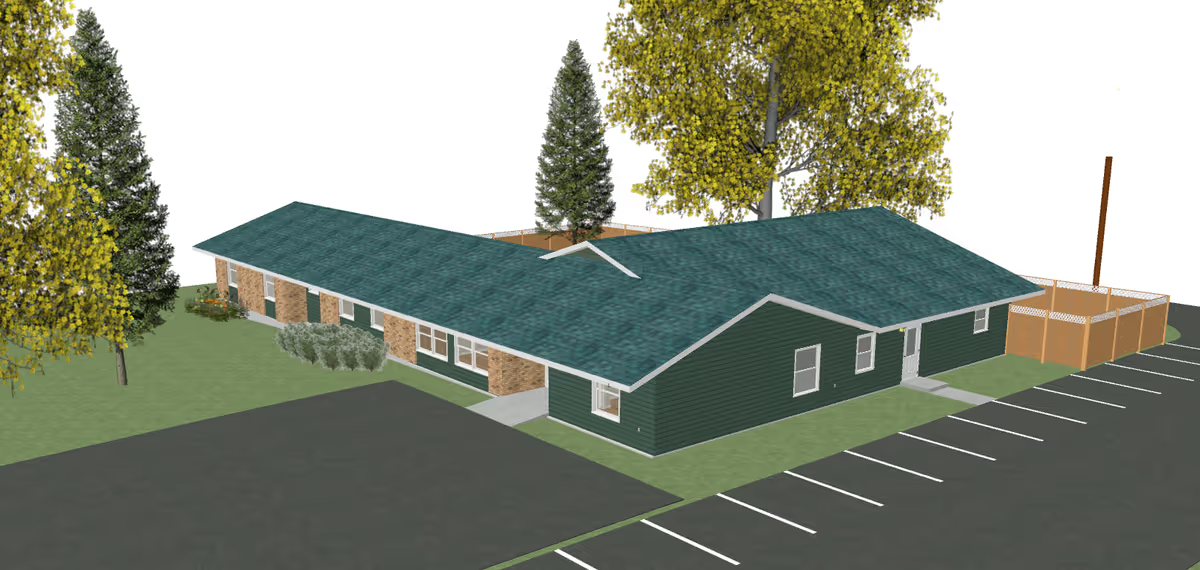
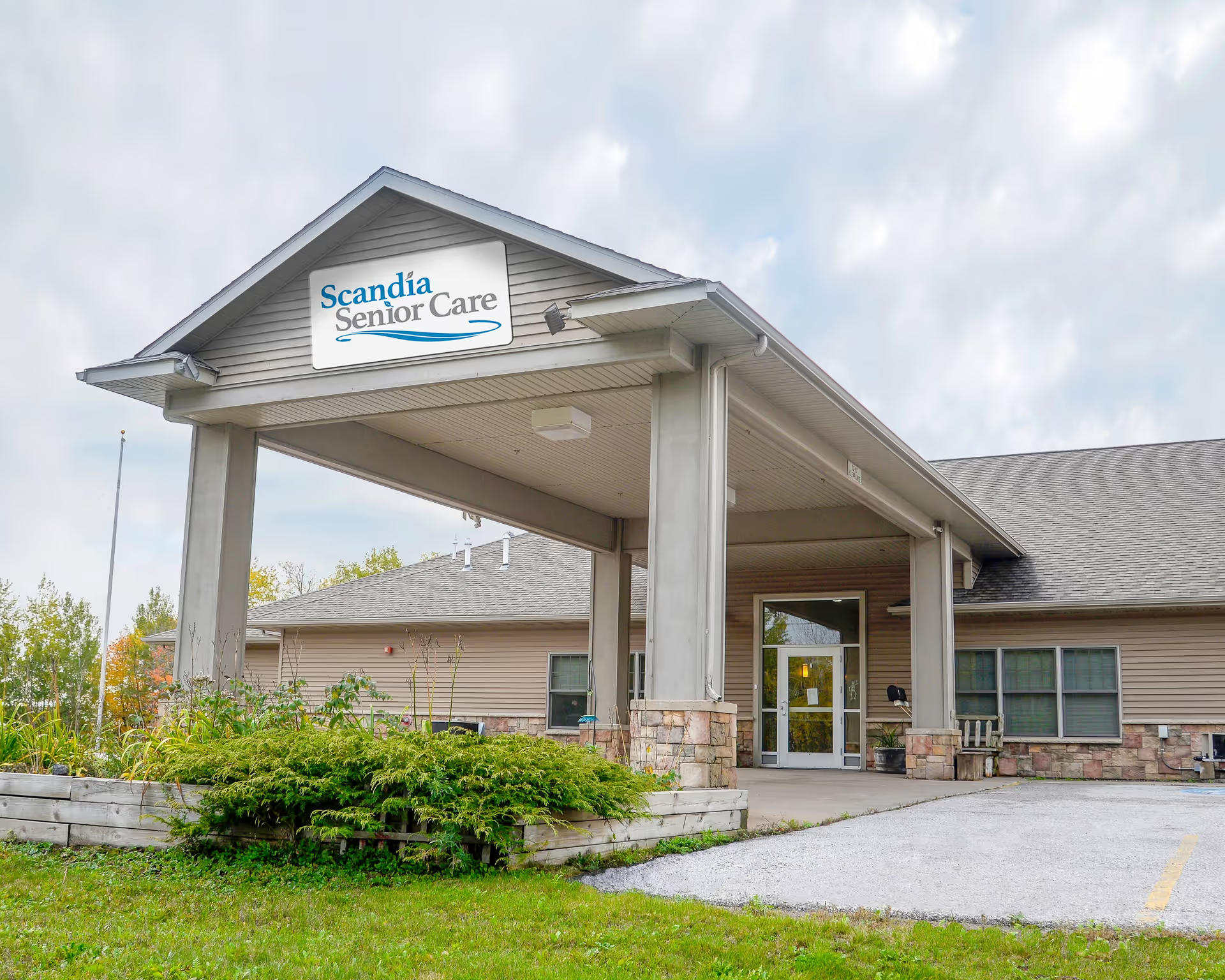
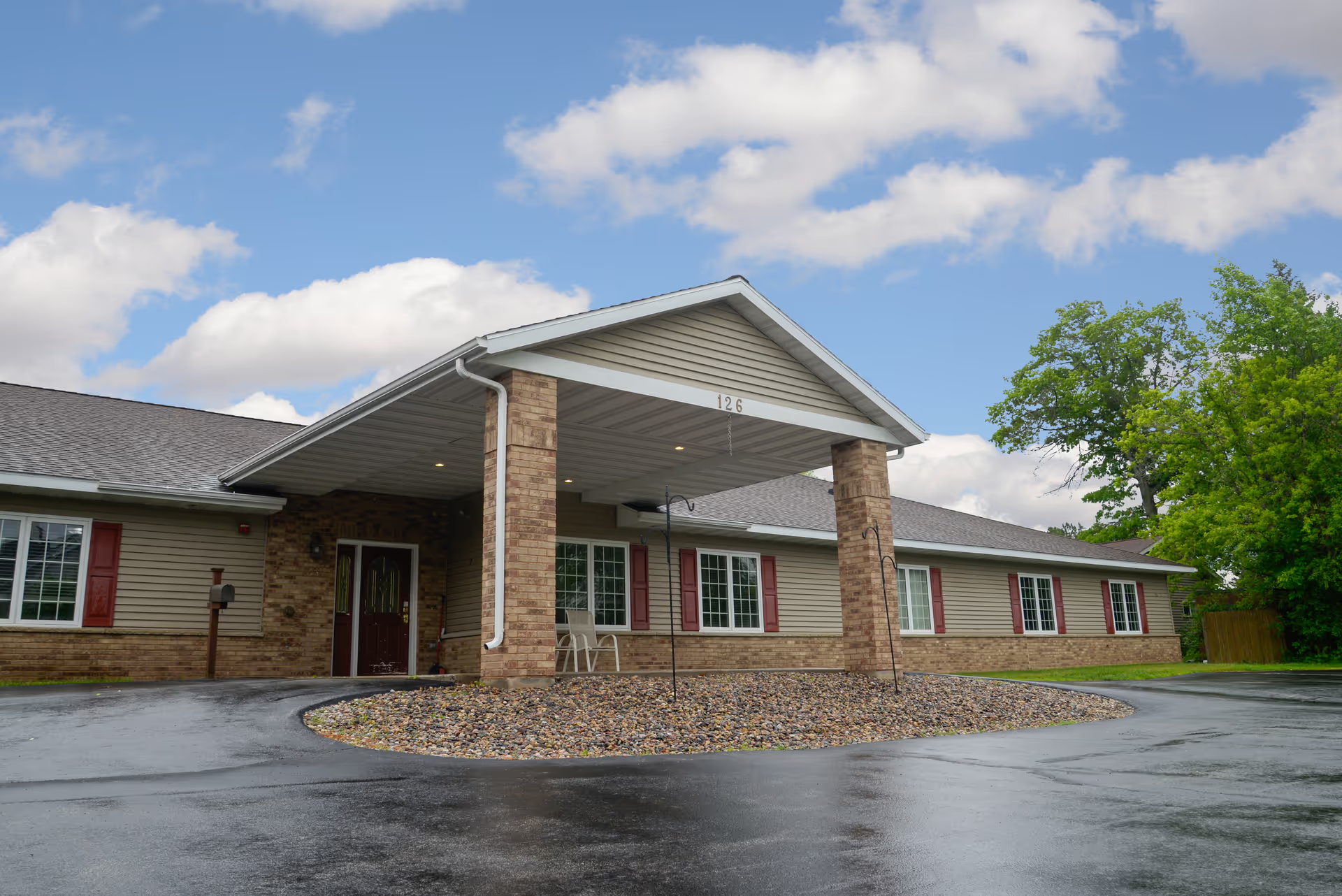
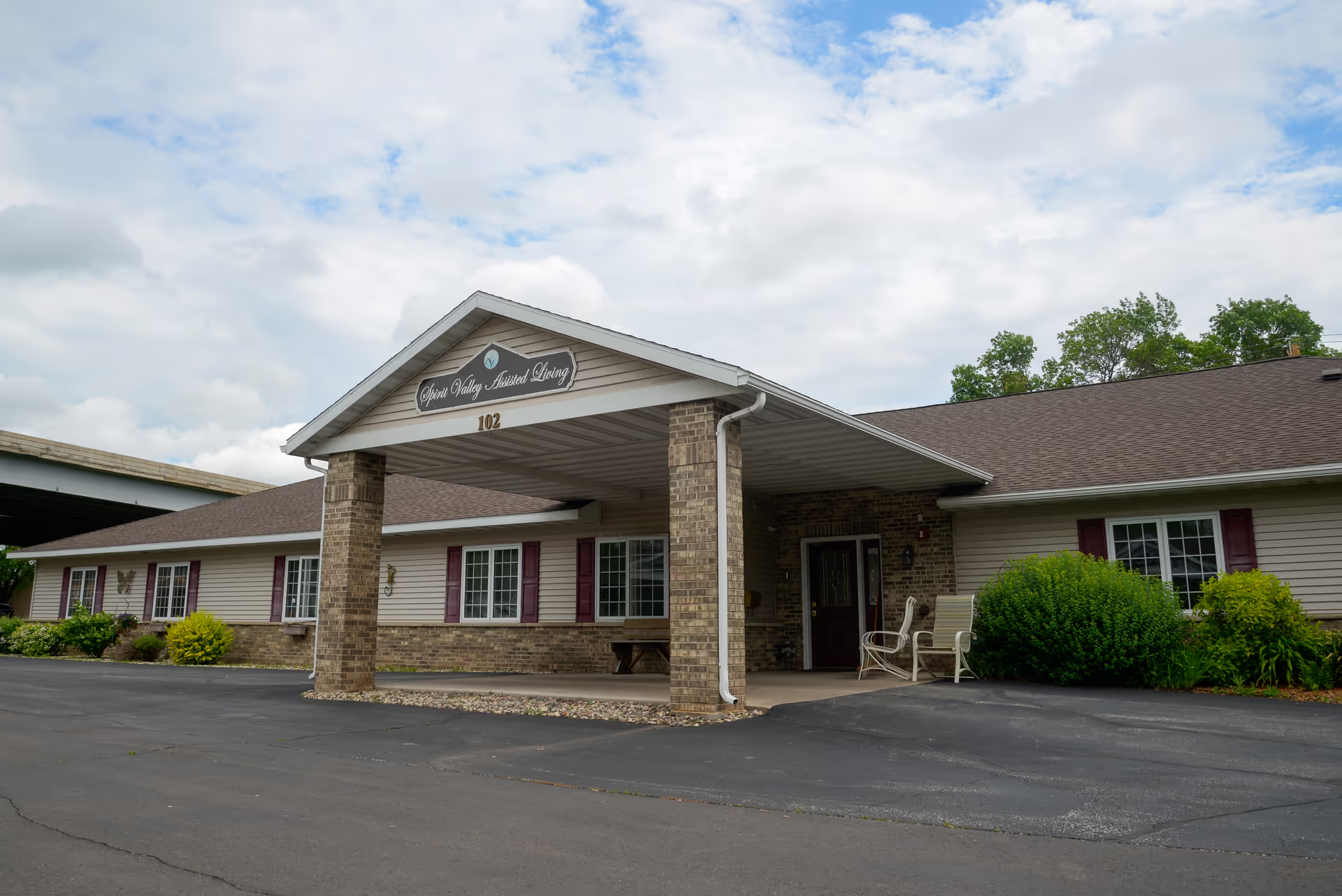
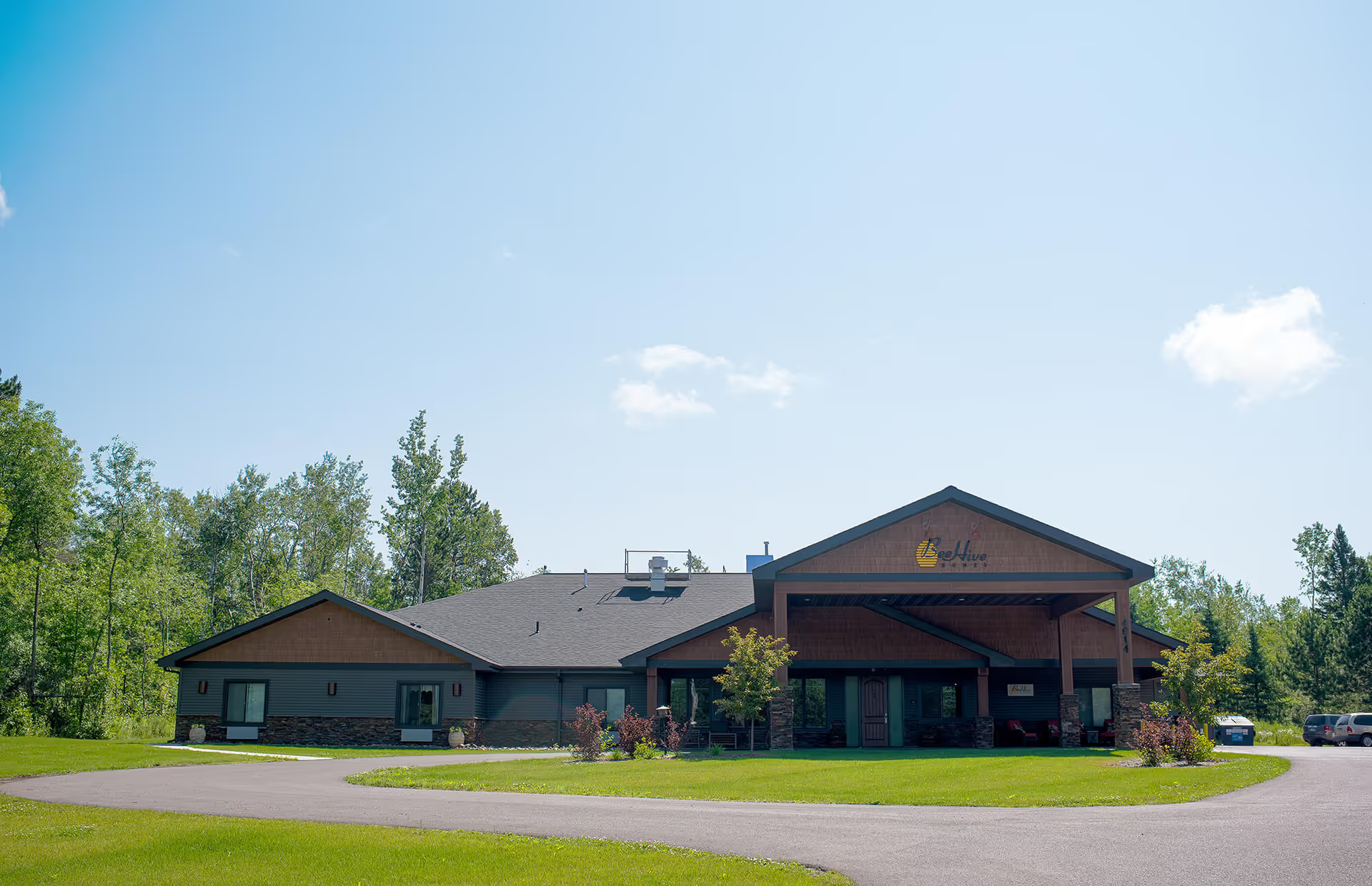
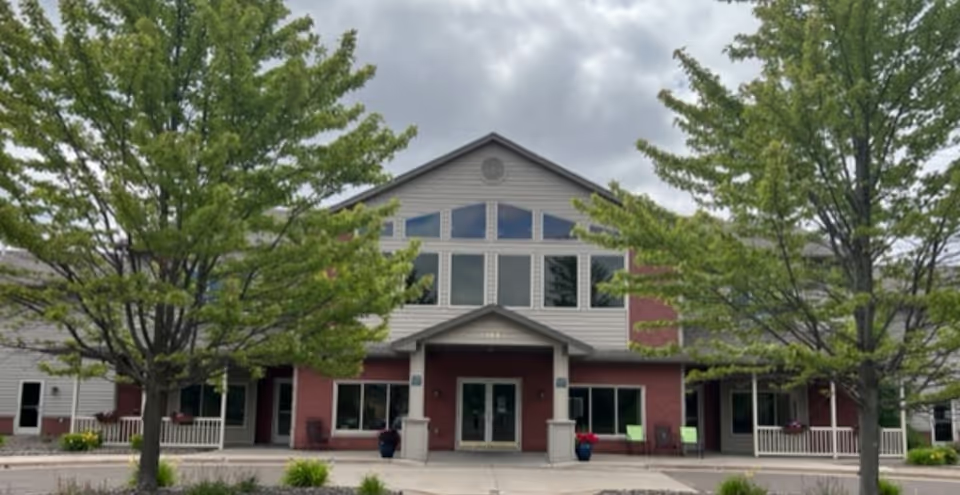
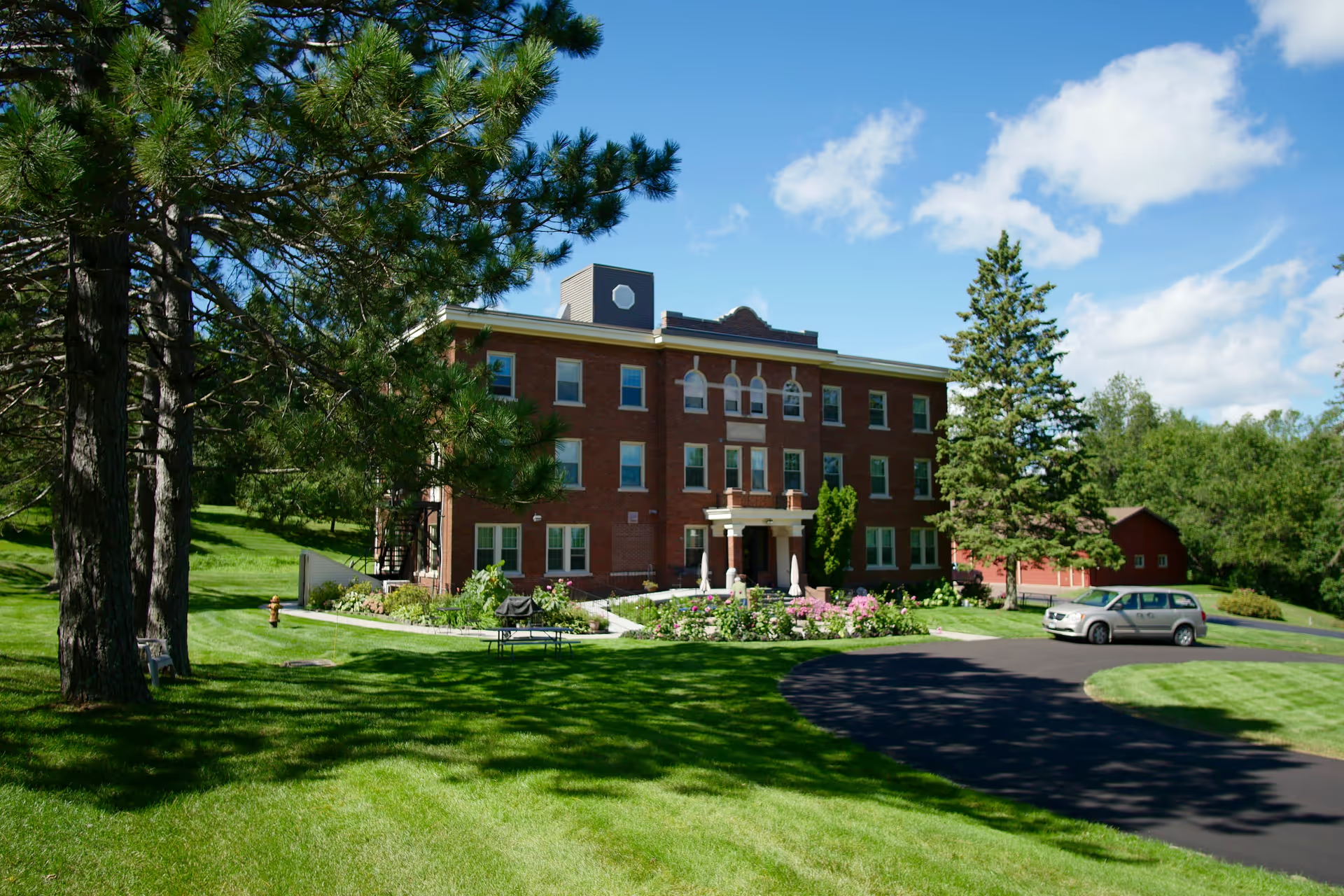
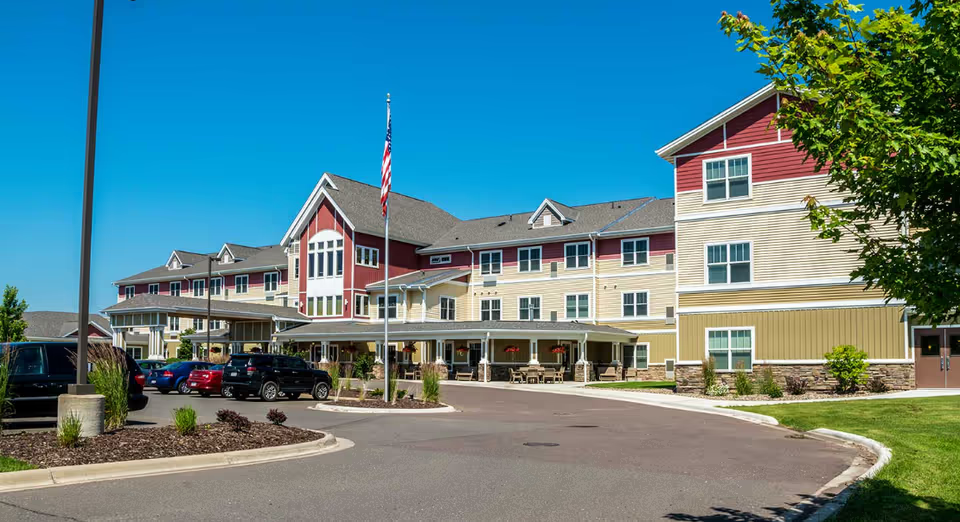
Overall impression: Reviewers present a largely positive view of Diamond Willow Assisted Living & Memory Care, emphasizing a warm, home-like environment and strong relational care. The facility is described as attractive and well maintained, with décor and common areas that contribute to a residential rather than institutional feel. Many families indicate a high level of satisfaction and willingness to recommend the community.
Care and staff: The predominant theme is a compassionate, attentive staff who create a sense of family for residents. Several accounts highlight caregivers and nurses who go beyond baseline duties, and families describe meaningful daily moments and emotional support. The facility's staff culture also appears favorable from an employee perspective, which can support continuity and morale. Clinical capabilities such as hospice support and oxygen therapy are available and were successfully used in at least one family account.
Activities and programming: Recreational programming is a clear strength. Reviewers mention a range of activities—movie nights, games, nail painting, crafts, and live music—that contribute to social engagement and quality of life. The presence of memory-care programming and structured engagement for residents with dementia is noted, suggesting programmatic attention to cognitive needs.
Dining and nutrition: Dining is a mixed area. While the environment and service are often described as comfortable and homelike, several reviewers raised concerns about meal quality and satisfaction. This suggests inconsistent culinary performance or menu fit for some residents; prospective families may want to sample meals and discuss dietary customization before placement.
Management, communication, and operations: Admission and transition processes are generally described as smooth and supportive, with some families reporting clear communication and an easy move-in experience. However, there is an important pattern of variability: a subset of comments point to difficulty reaching staff, delayed responsiveness, or uneven communication from management. These operational gaps appear to be intermittent rather than constant, producing a mixed picture where strong communication coexists with episodes of poor accessibility.
Notable patterns and recommendation: The strongest, most consistent positives are the quality of interpersonal care, the homelike setting, and active programming, along with available clinical supports for higher-acuity needs. The primary operational concerns are inconsistent dining quality and variability in responsiveness and family communication. Prospective residents and their families should weigh the facility’s relational strengths and program offerings against the potential for occasional communication or dining issues—visiting the dining service, meeting the care team, and clarifying preferred communication channels and response expectations can help address those concerns prior to move-in.