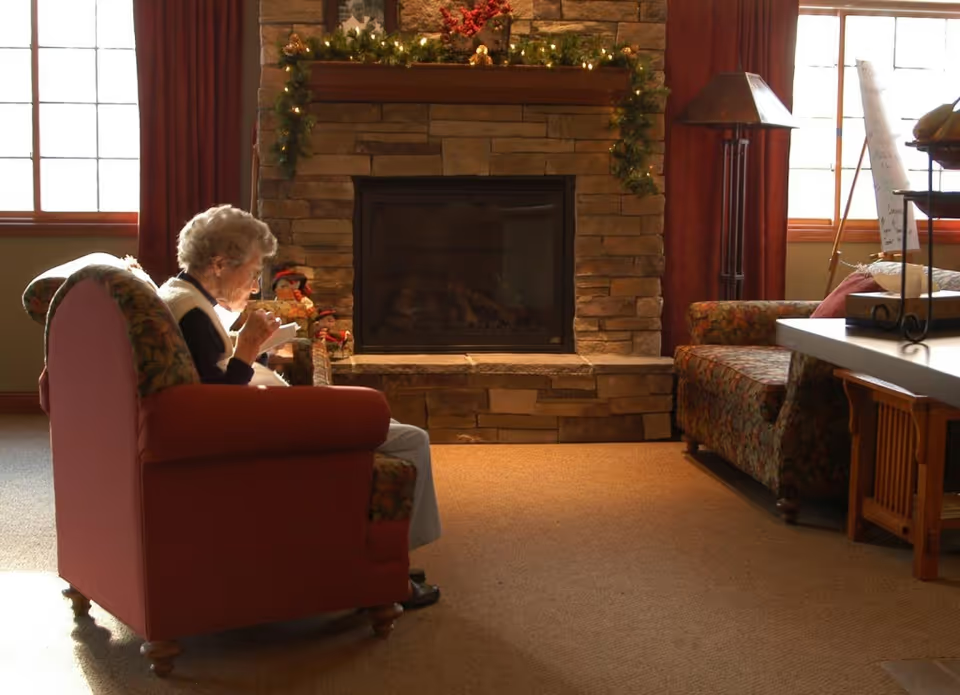
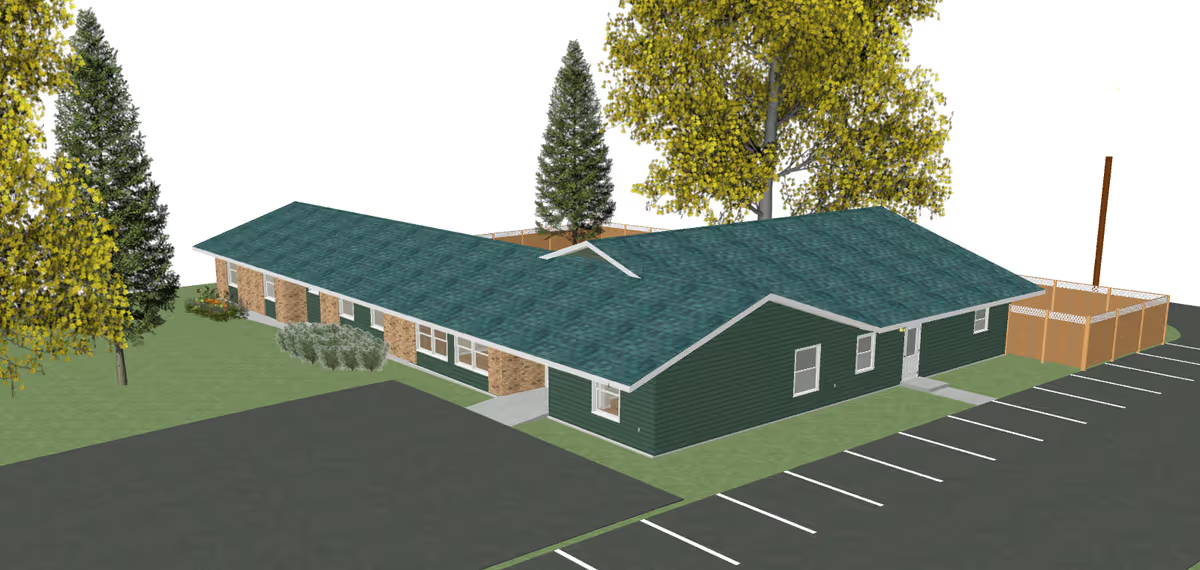
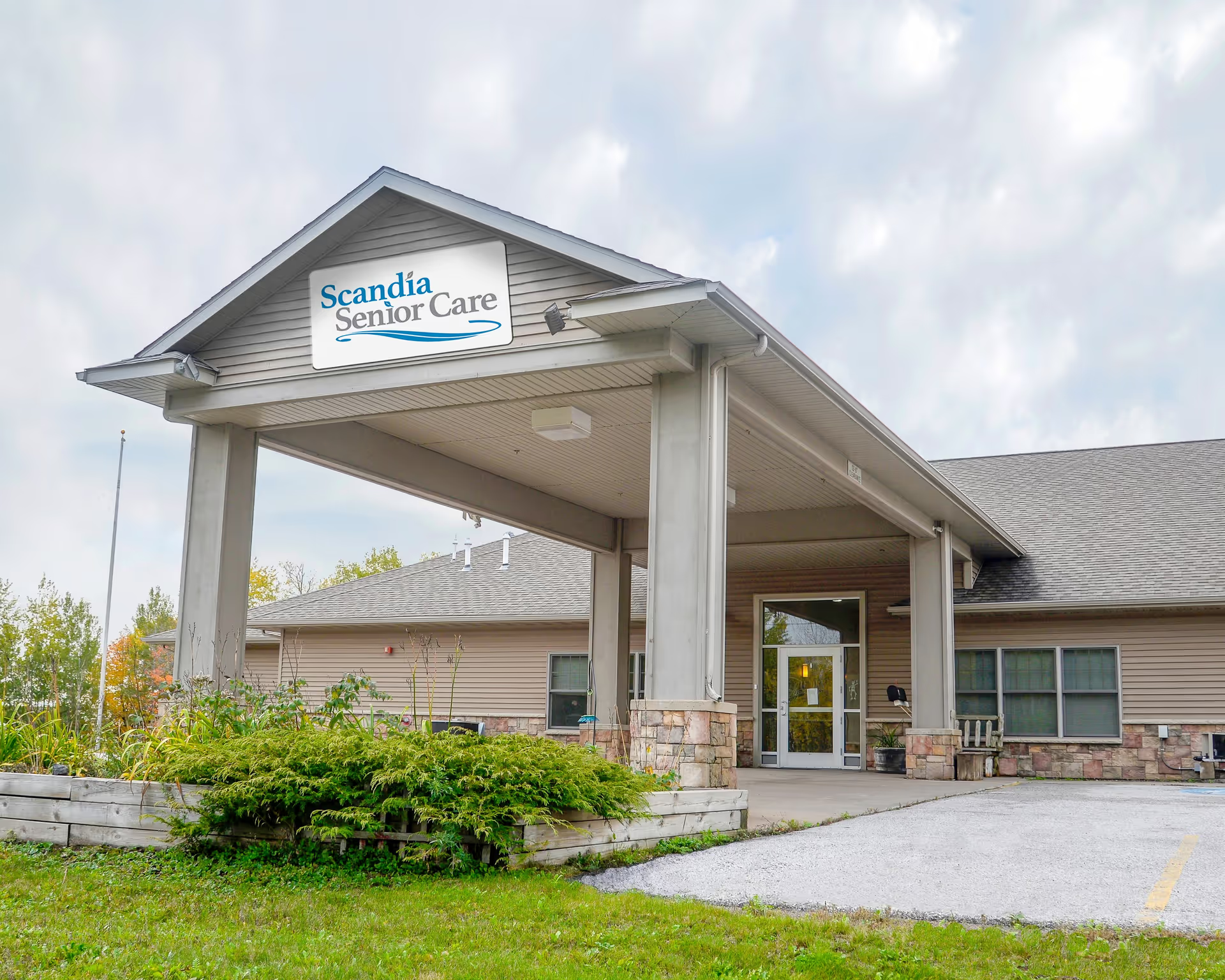
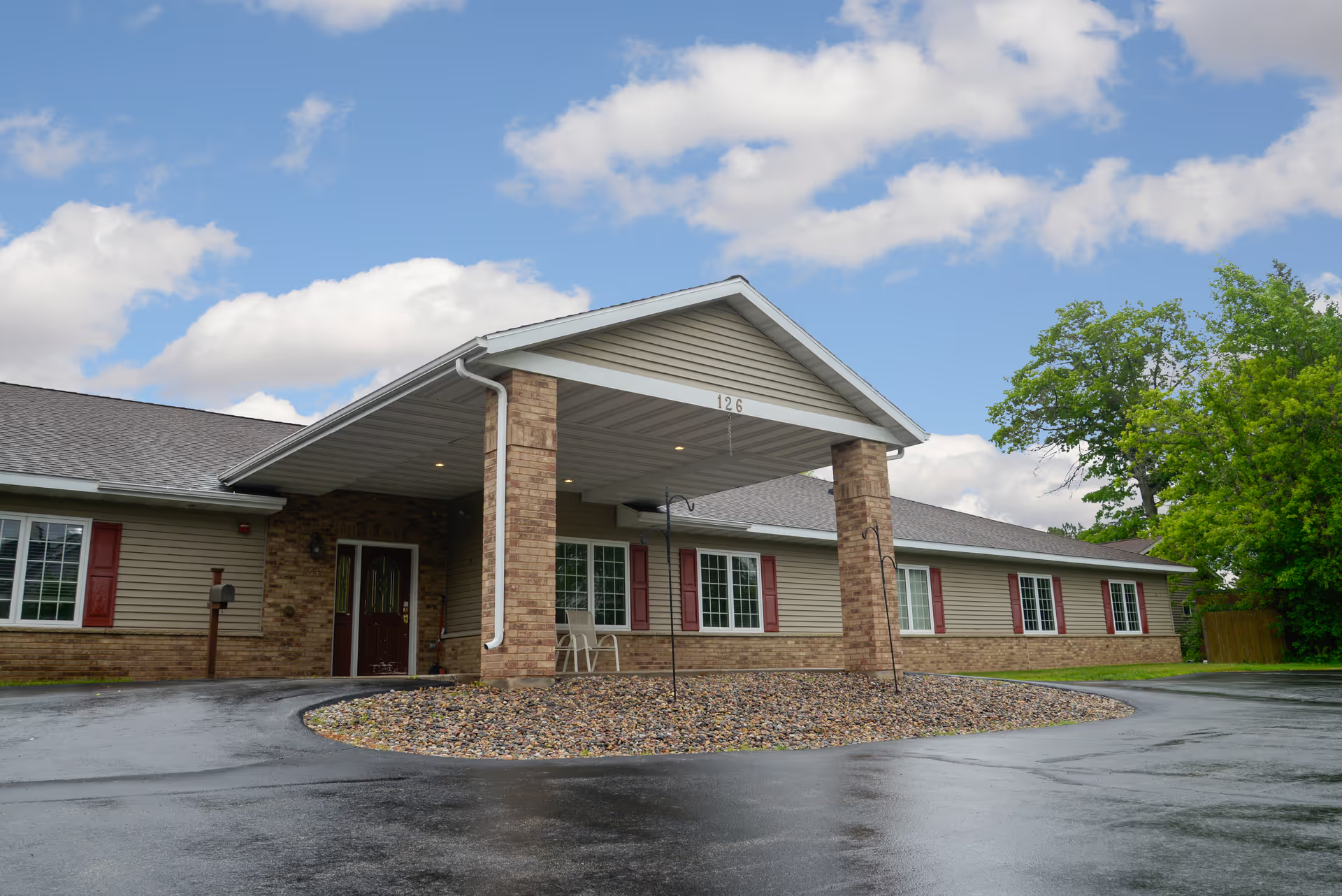
Overview: The facility is consistently praised for its caregiving culture and small-community feel. Families commonly describe staff as warm, attentive, and personally engaged with residents; employees are frequently cited as knowing residents by name, supporting move-ins, assisting with meals and medication reminders, and collaborating with physicians and rehabilitation providers. The community's cottage-style living and home-like atmosphere, combined with organized social opportunities such as a Men's Club and monthly events, create an environment where many residents socialize and participate in daily life.
Care quality and staff: Caregiving staff receive strong positive comments for compassion, responsiveness during transitions, and making residents feel included. At the same time, several reviewers identified operational concerns: inconsistent follow-through on administrative items, uneven staffing continuity, and limits to staff skill sets when managing progressive memory impairment. These patterns suggest reliable day-to-day assistance for many needs, but potential variability in specialty dementia care and in handling complex medical escalation scenarios.
Dining and clinical supports: Reviewers note that staff proactively help residents with eating and medication reminders, and that the team engages with outside clinicians and rehab services. However, there are also concerns about gaps in clinical documentation and accessible care plans, and some descriptions of delayed or inadequate responses when medical or behavioral escalation occurs. Prospective families should clarify medication-management protocols, emergency escalation procedures, and how care plans are documented and shared.
Activities and memory care programming: The community offers a range of social and recreational activities that many residents find engaging, including organized groups and informal neighbor interactions. Yet multiple comments indicate limited specialized programming for residents with more advanced Alzheimer’s or dementia, and requests for more tailored activities. Activity variety may meet the needs of many residents but appear less suited to people requiring intensive cognitive-support programming.
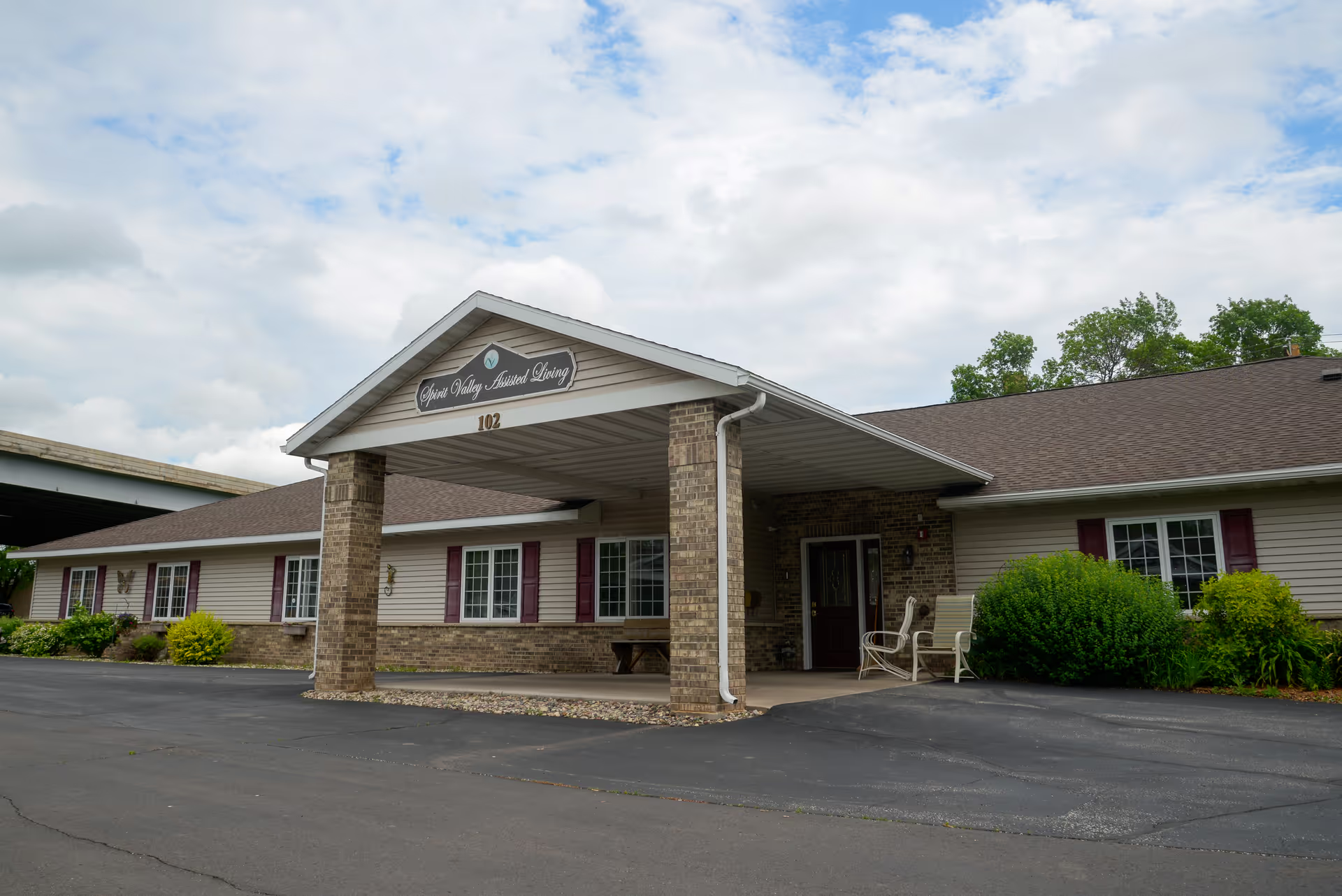
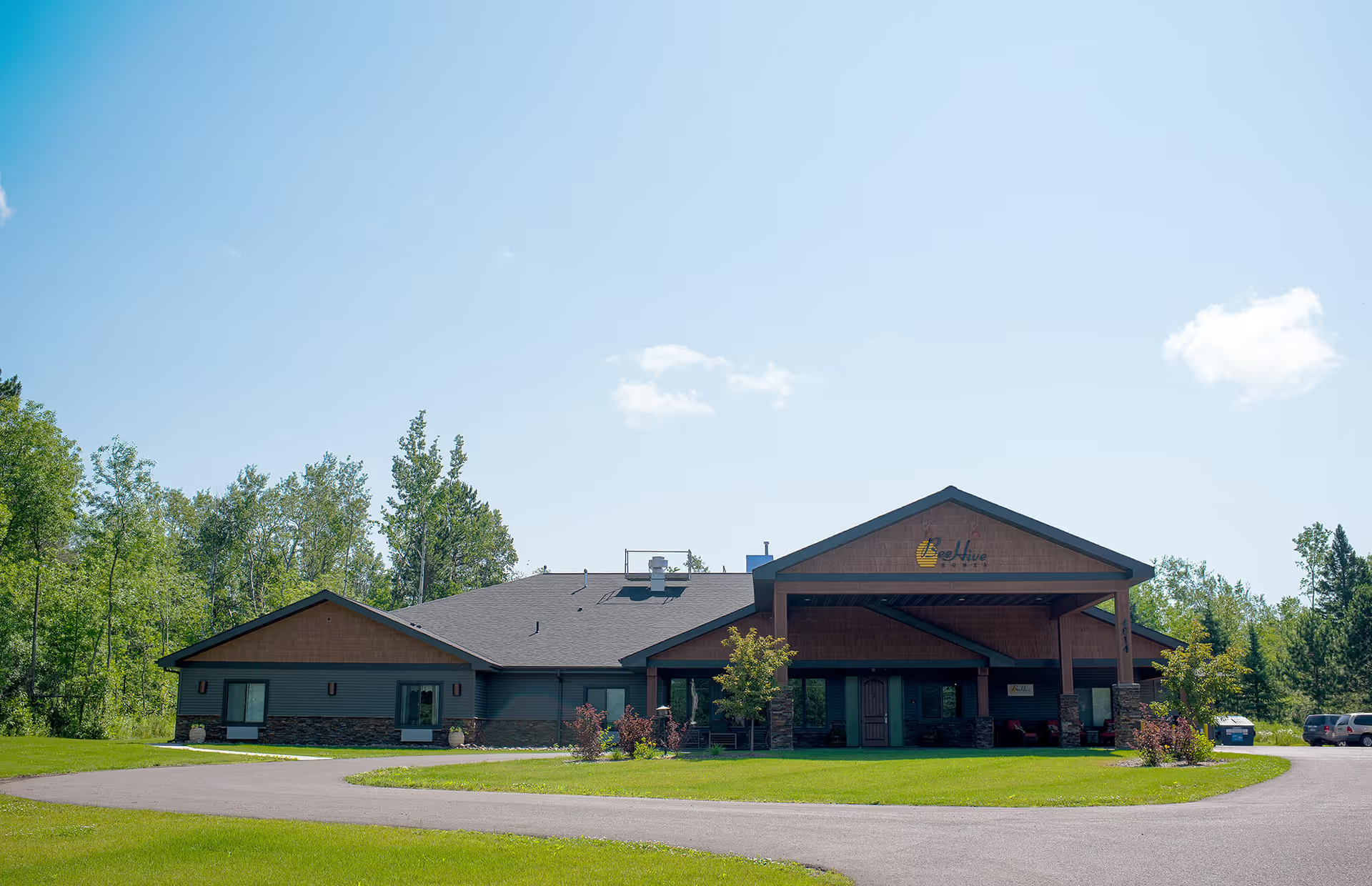
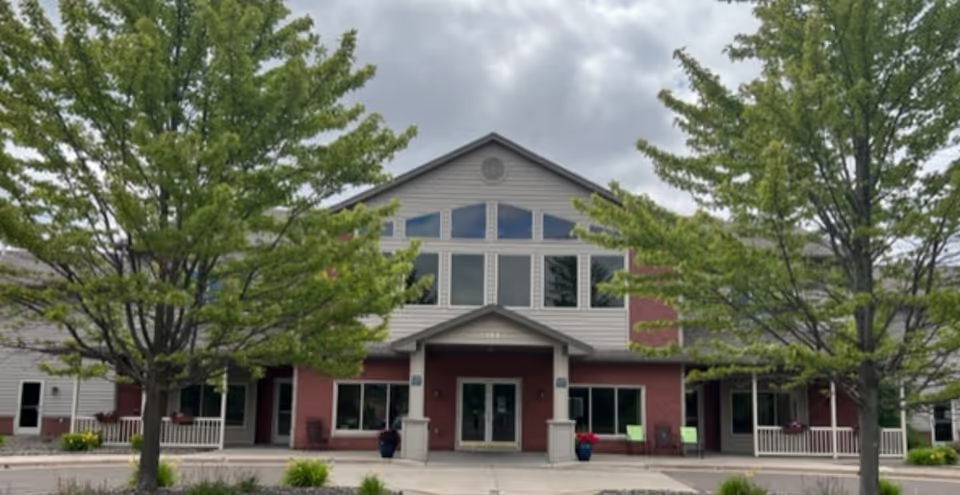
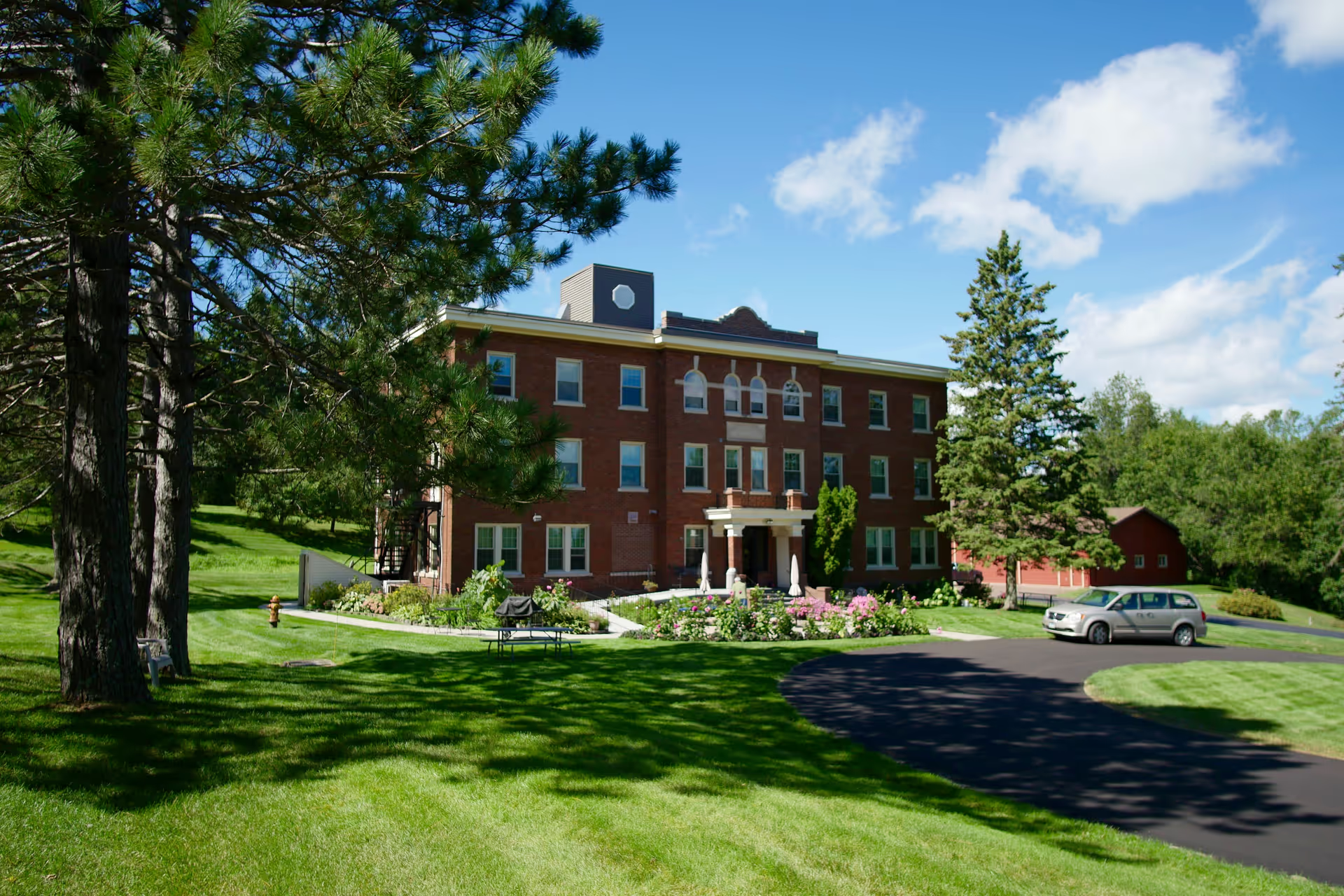
Facilities and housekeeping: Many families describe the facility as clean, updated, and well-maintained, with a welcoming and comfortable design. Contrasting feedback highlights variability at the unit or apartment level, including occasional odor concerns and areas that felt less refreshed. Prospective residents should inspect specific living units and common areas to assess maintenance consistency.
Management and communication: Positive notes about local staff availability contrast with consistent mentions of communication gaps involving administrative follow-through and the corporate office. Examples include delayed paperwork completion, difficulty accessing care plans, and occasional unreturned calls. These are operational traits that can affect family confidence and continuity of care.
Notable patterns and practical considerations: The community’s small size and rural setting are attractive to families seeking personalized attention and social familiarity. At the same time, some families perceive the pricing as high relative to the breadth of specialized memory-care services and administrative reliability. Before committing, families may wish to review staffing ratios, dementia-care training and curricula, sample activity calendars for higher-need residents, care-plan access procedures, and written policies for medical escalation and family communication.
Conclusion: New Perspective Senior Living - Cloquet demonstrates clear strengths in staff engagement, a home-like community atmosphere, and transitional support. The primary operational areas to evaluate further are dementia-specific training and programming, consistency of administrative follow-through and communication, clinical documentation and escalation processes, and unit-level maintenance. Verifying these elements during a tour and in contract documentation will help families determine whether the community’s strengths align with a prospective resident’s clinical and social needs.