Overall impression: Reviewers convey a generally positive experience at Ecumen Detroit Lakes, with especially strong endorsements of the therapy and rehabilitation program and of the campus amenities. Many descriptions emphasize successful mobility recoveries, effective therapist support and advocacy, and an attractive physical environment. However, reviewers also identify operational weaknesses that temper the overall impression.
Care quality: The facility's rehabilitation services are a clear strength. Physical and occupational therapy staff are repeatedly described as skilled and effective, and the dedicated therapy area and pool support positive outcomes such as improved mobility and successful discharge goals. Nursing-level care is characterized as more variable; some families felt nursing was adequate, while others described it as average. This suggests that clinical care consistency across shifts or units may be an area for improvement.
Staff and management: Staff are commonly described as friendly, attentive, and engaged, with several reviewers highlighting individual advocacy on behalf of residents. At the same time, isolated but notable comments describe the facility as poorly managed or staff interactions as disrespectful. Those remarks point to concerns about management oversight, staff conduct, and potential variability in interpersonal communication. Additionally, observations linking service changes to staff turnover indicate that staffing stability and leadership communication could influence resident experience.
Dining and food service: Dining quality emerges as a specific operational concern. Reviewers specifically noted a decline in meal quality following the departure of a long-time cook, indicating the kitchen's output may be sensitive to staffing changes and that meal consistency is an area needing attention.
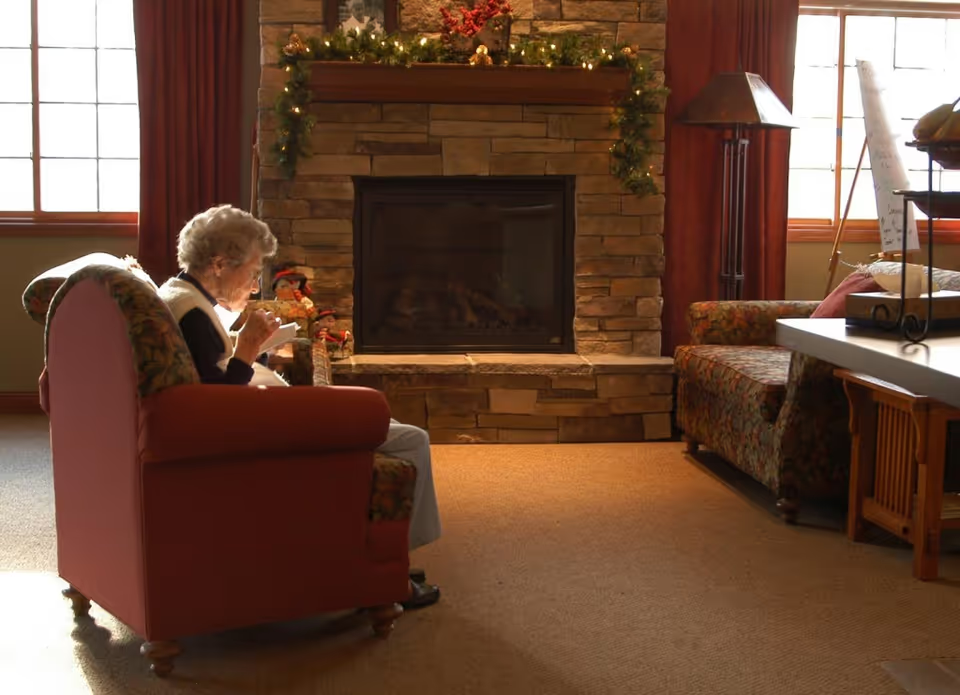
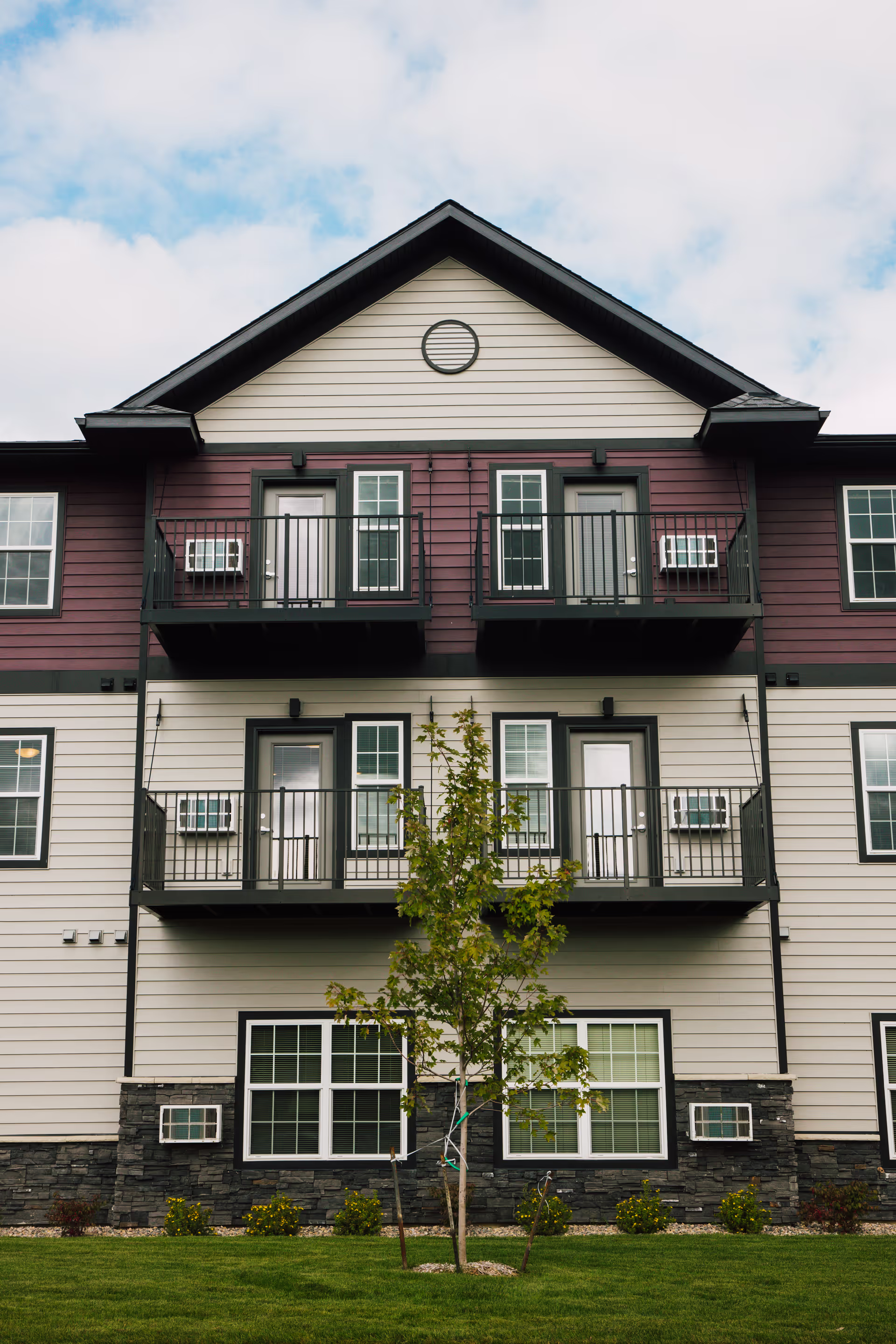
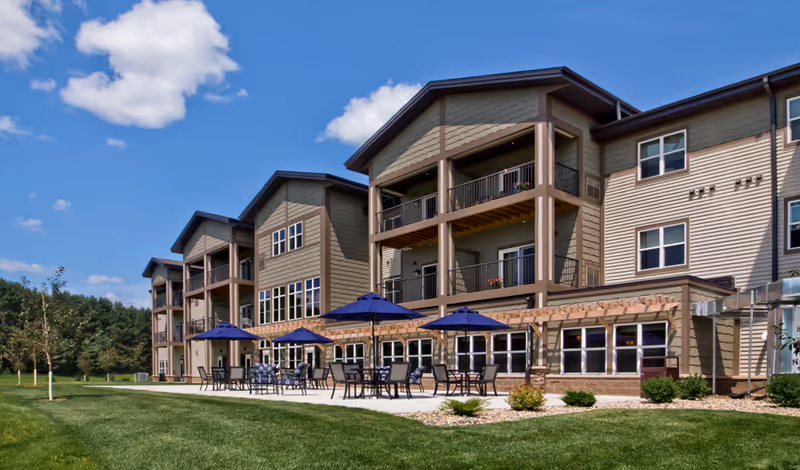
Activities and facilities: The physical environment and programming are strong assets. Private, roomy rooms, a beautiful chapel, courtyards and walking areas, an indoor pool, and active daily programming (music groups, games, etc.) create a welcoming setting with varied engagement opportunities. The presence of a Transitional Care Unit (TCU) supports short-term rehab and step-down needs, though the facility does not offer assisted-living units, which limits continuity of care for residents who later need that level of service.
Notable patterns and guidance for families: The consistent theme is a facility that excels at rehabilitation and offers a pleasant campus with robust activities, supported by staff who often demonstrate personal attention and advocacy. Countervailing patterns include inconsistent dining and some variability in nursing care and management practices, sometimes attributed to staff turnover. Prospective residents and families should weigh the strong rehab outcomes and campus amenities against the limitations in assisted-living availability and potential variability in day-to-day operations; asking specific questions about nursing staffing patterns, recent leadership changes, and meal-program continuity will help set expectations.