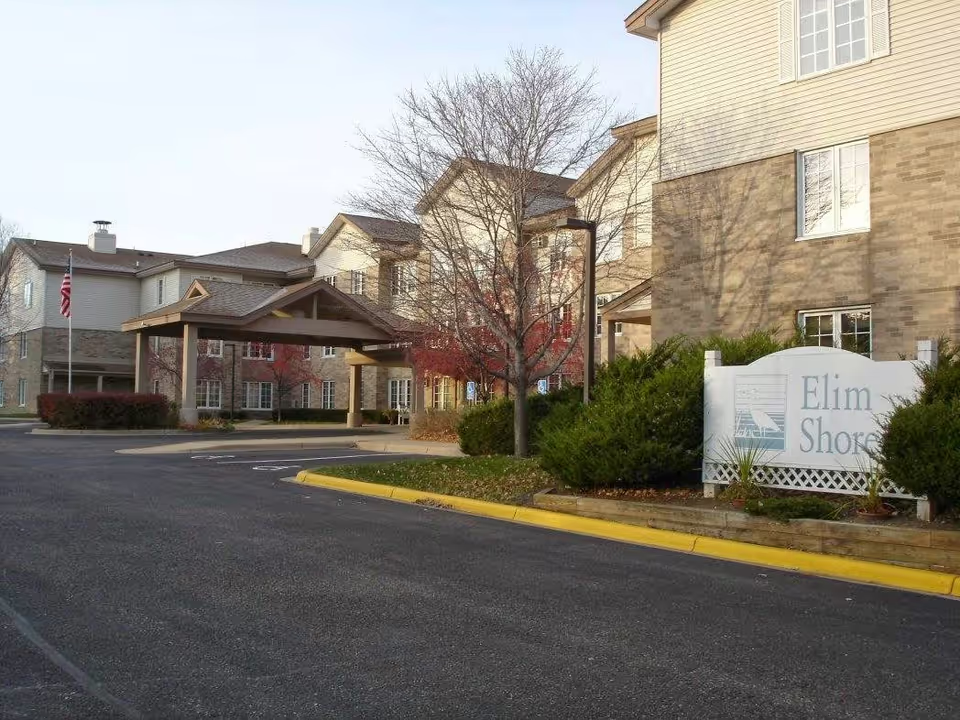
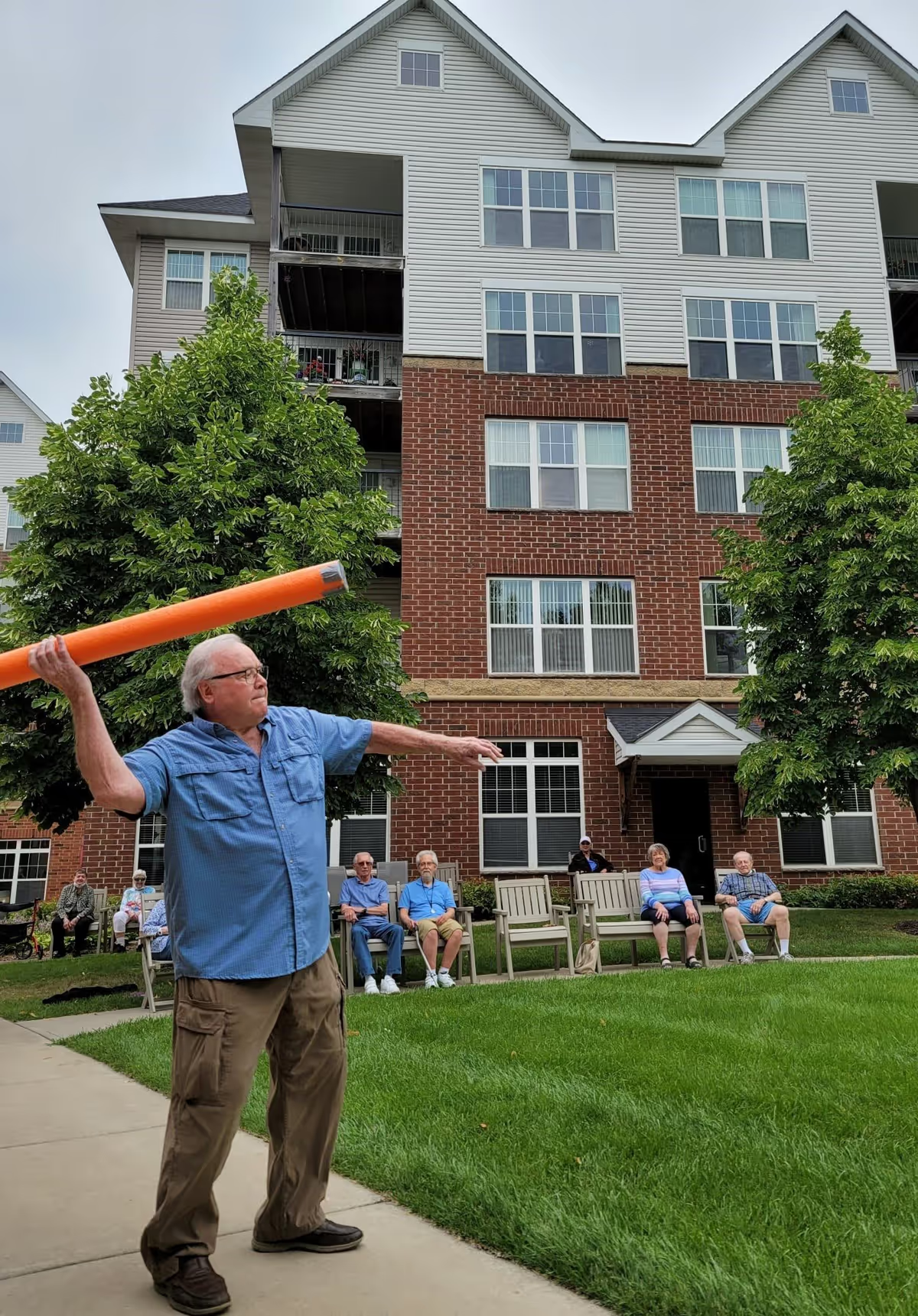
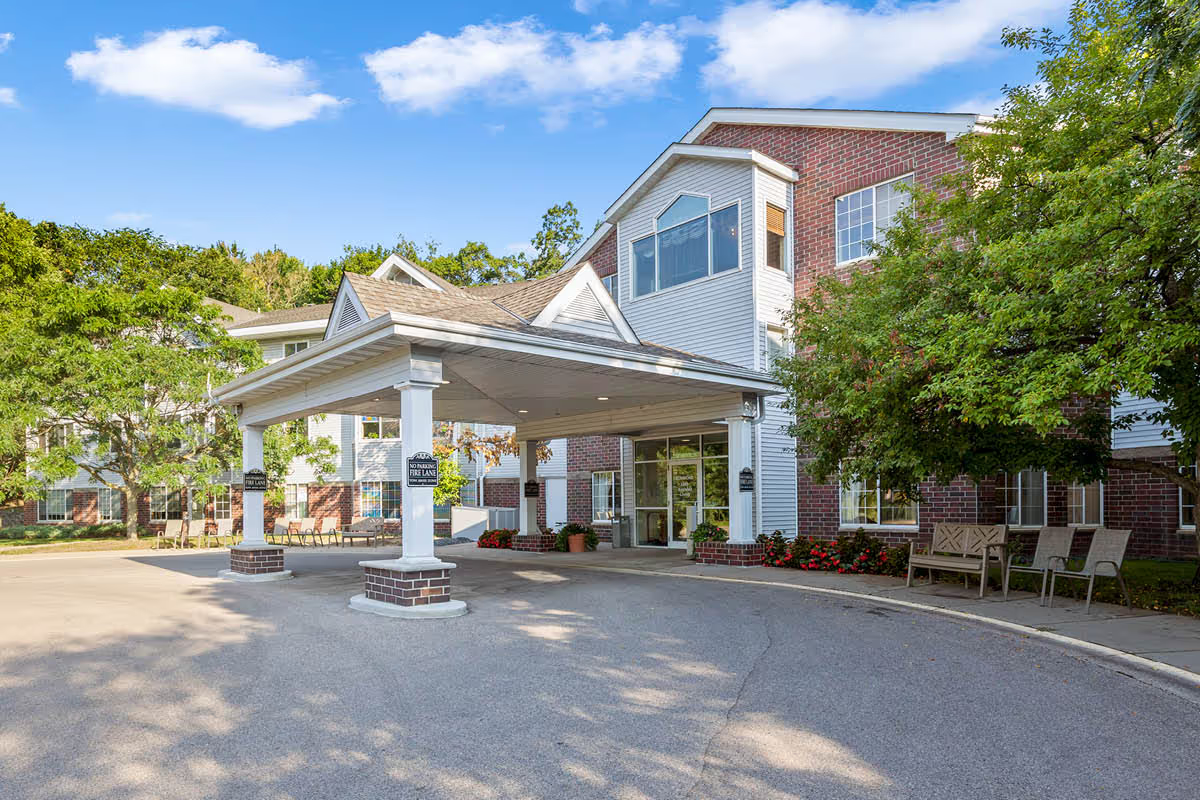
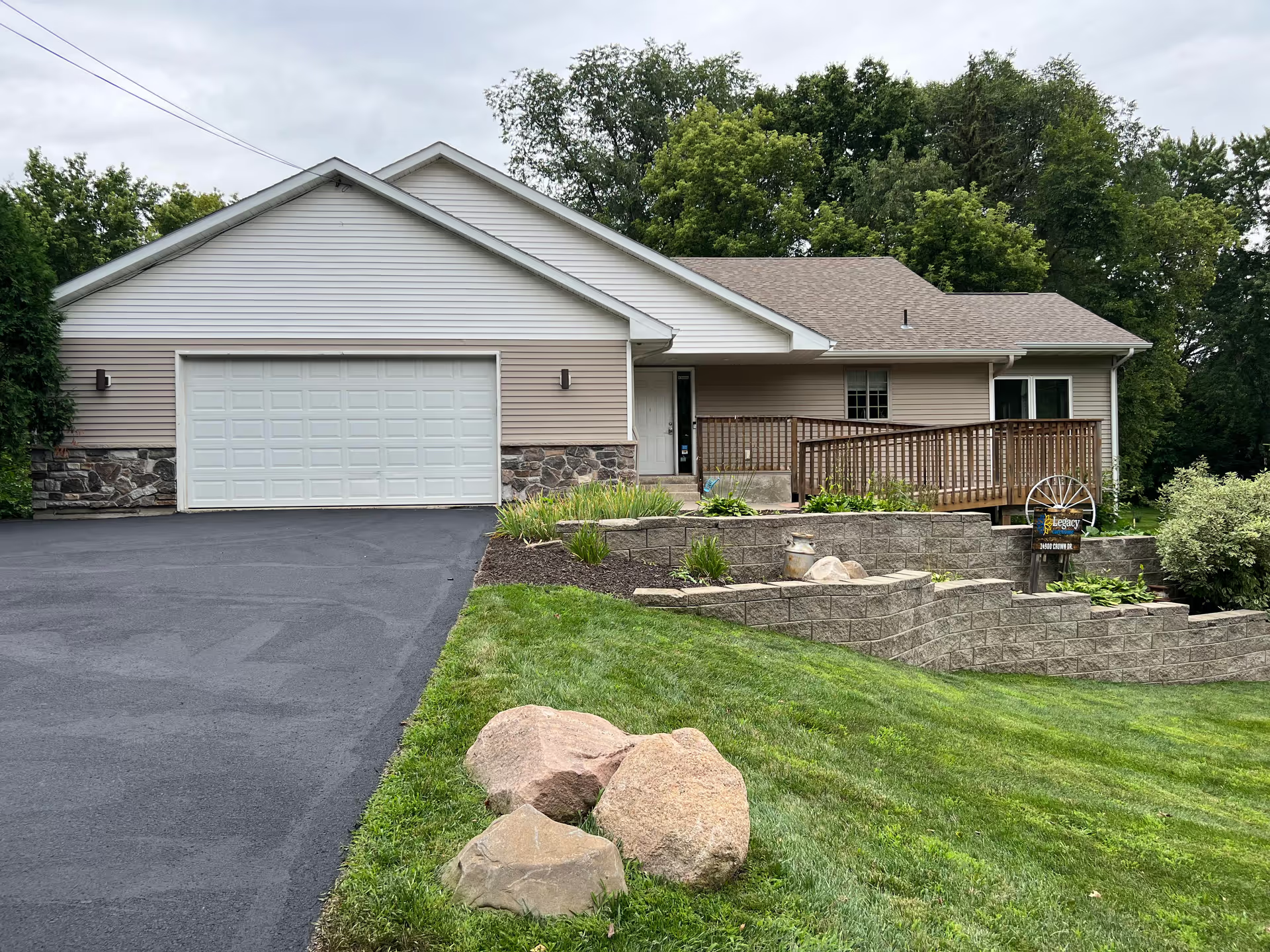
The reviews present a broadly mixed picture of Brookdale Eden Prairie: many families and visitors describe a warm, home-like environment with staff who are caring, personable, and familiar with residents, while others highlight recurring operational weaknesses that affect day-to-day care. Strengths consistently cited include an engaging activities program with dedicated coordinators, a clear memory-care focus in facility design, private rooms with ample natural light, on-site amenities such as a salon and communal spaces, and integration with hospice services that some families found reliably supportive.
Care quality and clinical oversight vary substantially across accounts. Several reviewers praised attentive caregivers and effective individualized attention; however, a number of families noted inconsistent caregiving quality tied to turnover and staffing shortages. Clinical gaps were described at the operational level — intermittent nursing availability, inconsistent medication administration and documentation, and uneven training for dementia-specific needs. There is at least one serious allegation concerning inappropriate medication to manage behavior that some families raised; more broadly, reviewers described concerns about medication controls and the need to verify nursing coverage and protocols during a visit.
Staffing, communication, and safety are recurring themes. Positive observations include staff who know residents by name, active engagement during activities, and a family-like culture in parts of the community. Counterbalancing this are frequent comments about short staffing (particularly on weekends or evenings), caregivers who appear overextended, slow or confusing communication channels between staff and families, and inconsistent follow-through from management. Safety-related operational issues emerged as a pattern: delayed fall-response times, gaps in transfer/handling practices, and lapses in supervision or exit-door control that contributed to wandering or unsupervised hallway activity in some accounts.
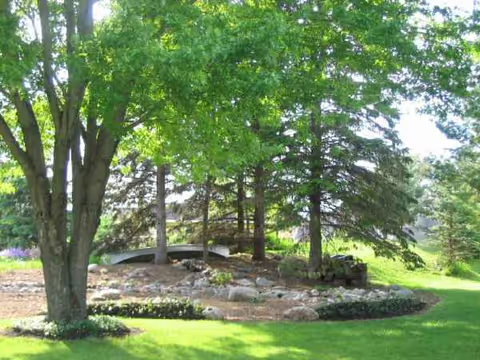
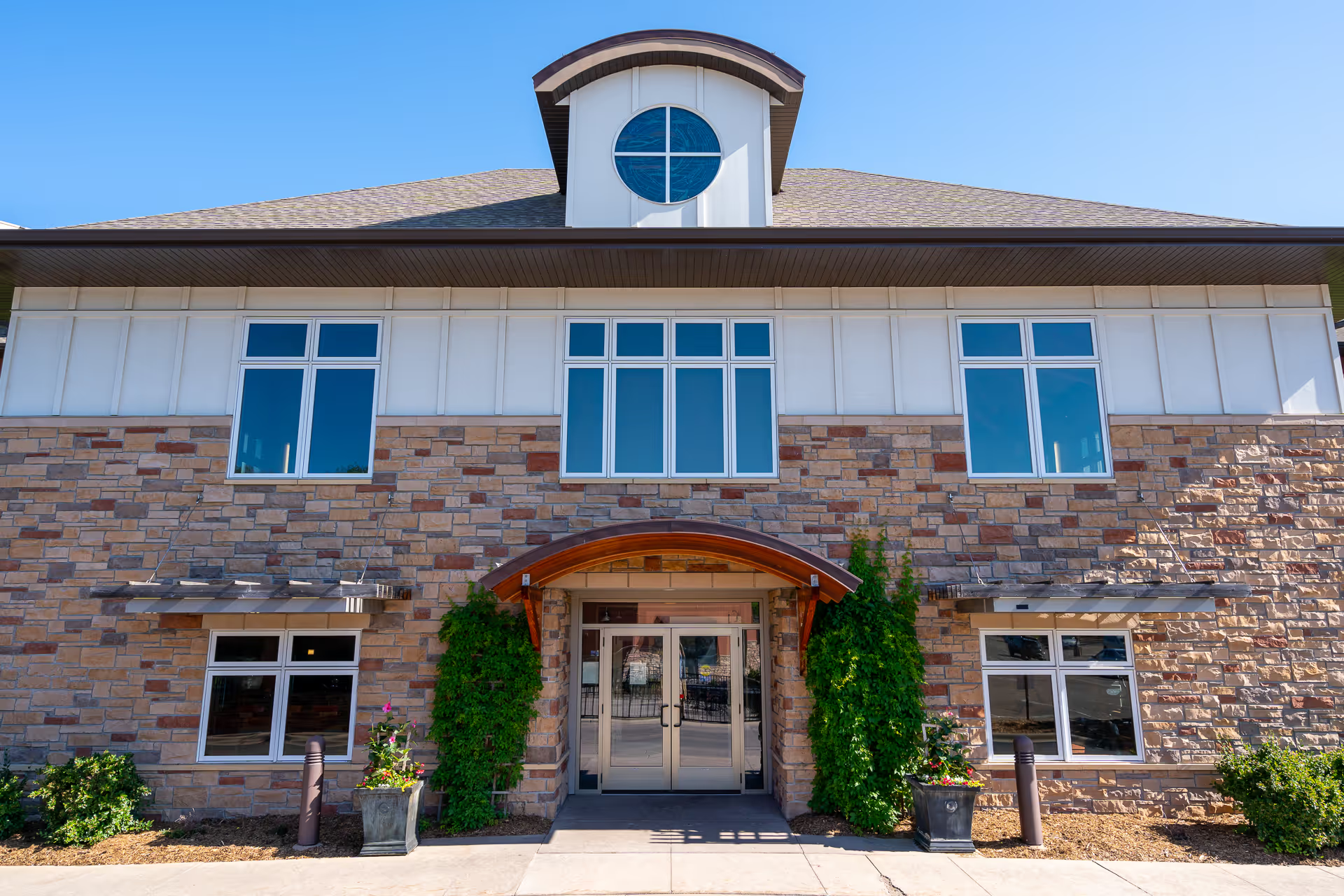
Dining, housekeeping, and amenities receive mixed evaluations. Multiple families appreciated chef interaction, accommodated dietary needs, and specific good meals, while others described uneven food quality and limited meal choices. Housekeeping and laundry management were a notable source of dissatisfaction for several families: missing or damaged clothing, inconsistent laundering, and cleanliness or odor concerns in particular areas. At the same time, many reviewers praised the facility’s layout, outdoor spaces, activity rooms, and the overall aesthetic, calling the environment inviting and well-maintained in many parts.
Management, billing, and administrative consistency are areas of concern. Several reviewers noted billing errors, misrouted invoices, unexpected charges, and difficulties resolving contractual disputes (including questions about notice periods). While some families found corporate or administrative staff helpful in resolving problems, others felt promises were not kept and follow-up was inadequate. Positive administrative experiences included helpful admissions staff, veterans-benefits assistance, and proactive transition support in some cases.
Notable patterns for prospective families: experiences appear highly variable by unit, shift, and time period. Positive outcomes are strongly associated with engaged direct-care staff, active programming, and the presence of reliable nursing or hospice support. Negative outcomes tend to cluster around staffing shortages, inconsistent clinical oversight, communication breakdowns, and operational lapses in housekeeping and billing. When evaluating this community, families should observe caregiver-to-resident interactions across multiple times of day, ask for specifics about RN coverage and fall-response protocols, review laundry and personal-item policies, clarify billing and contract terms, and request demonstrations or schedules for advertised memory-care programming and activities.