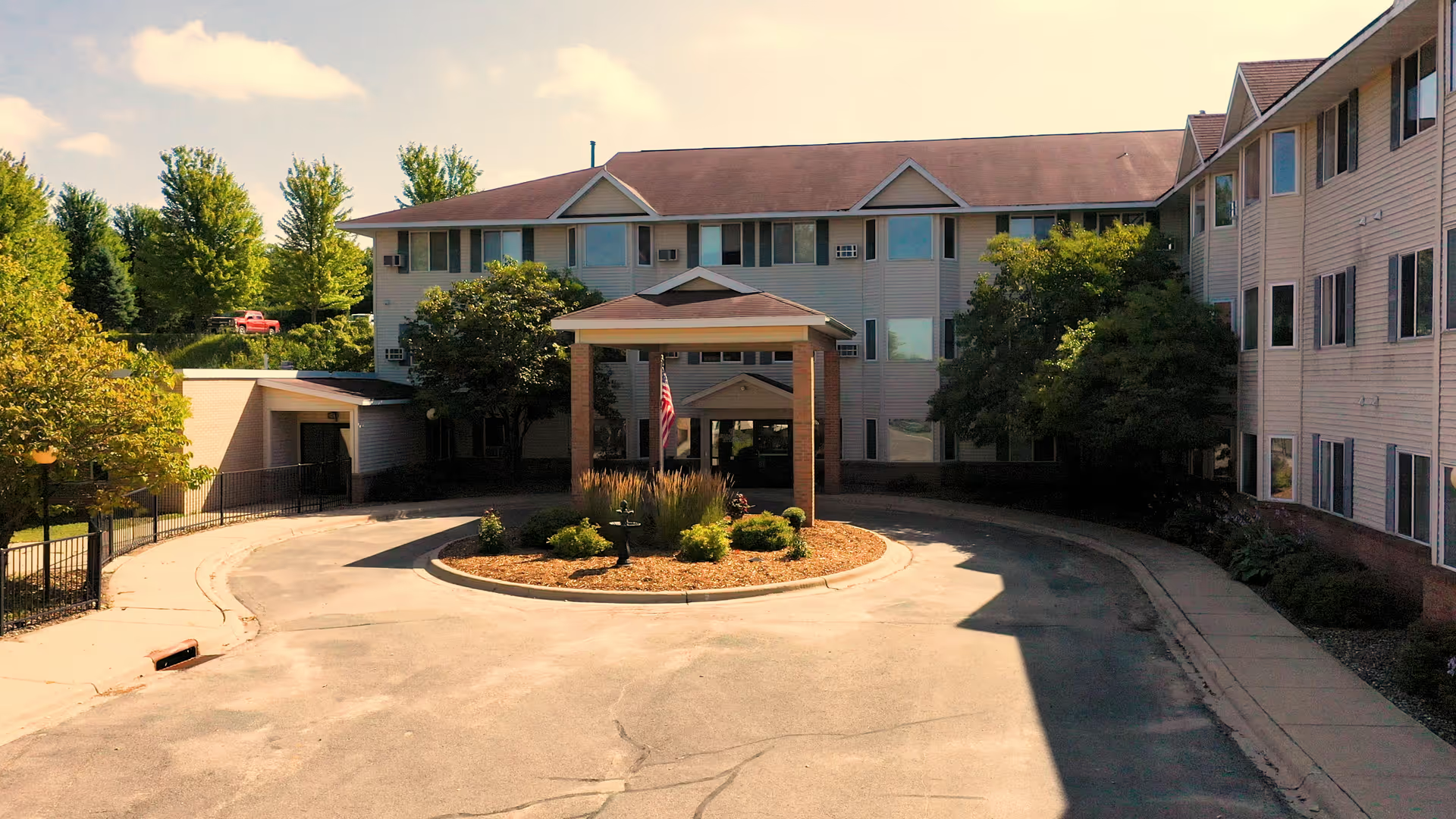
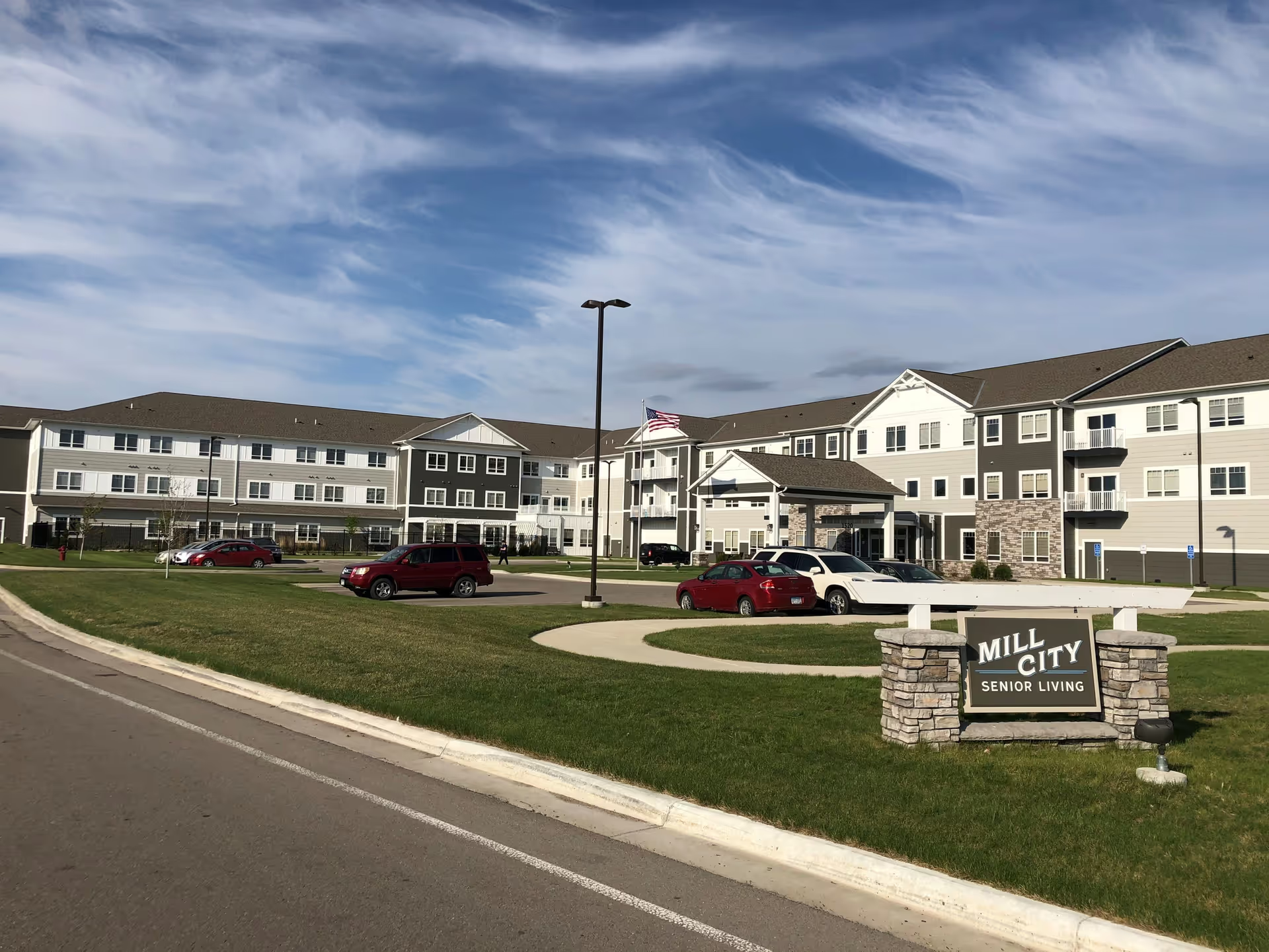
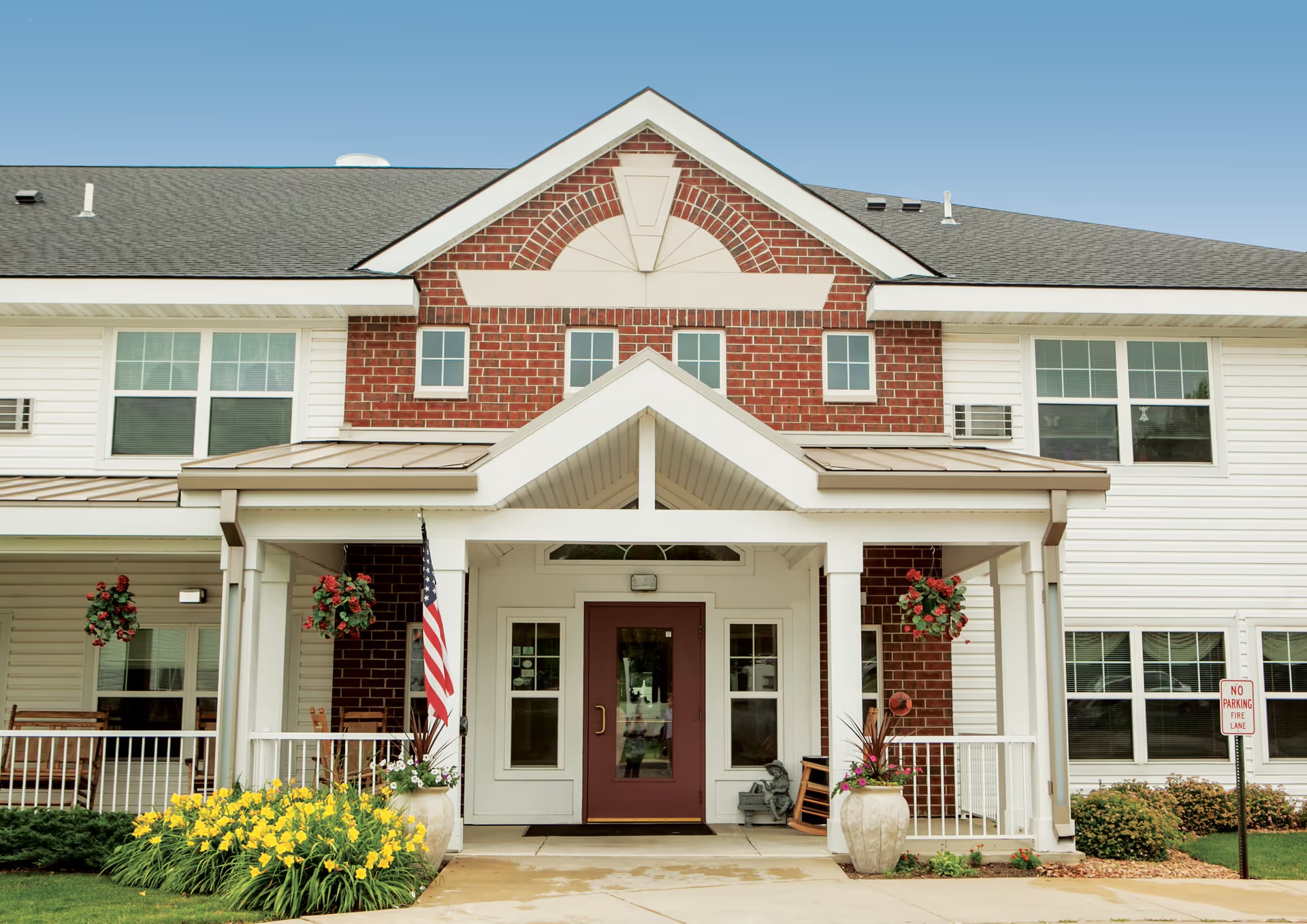
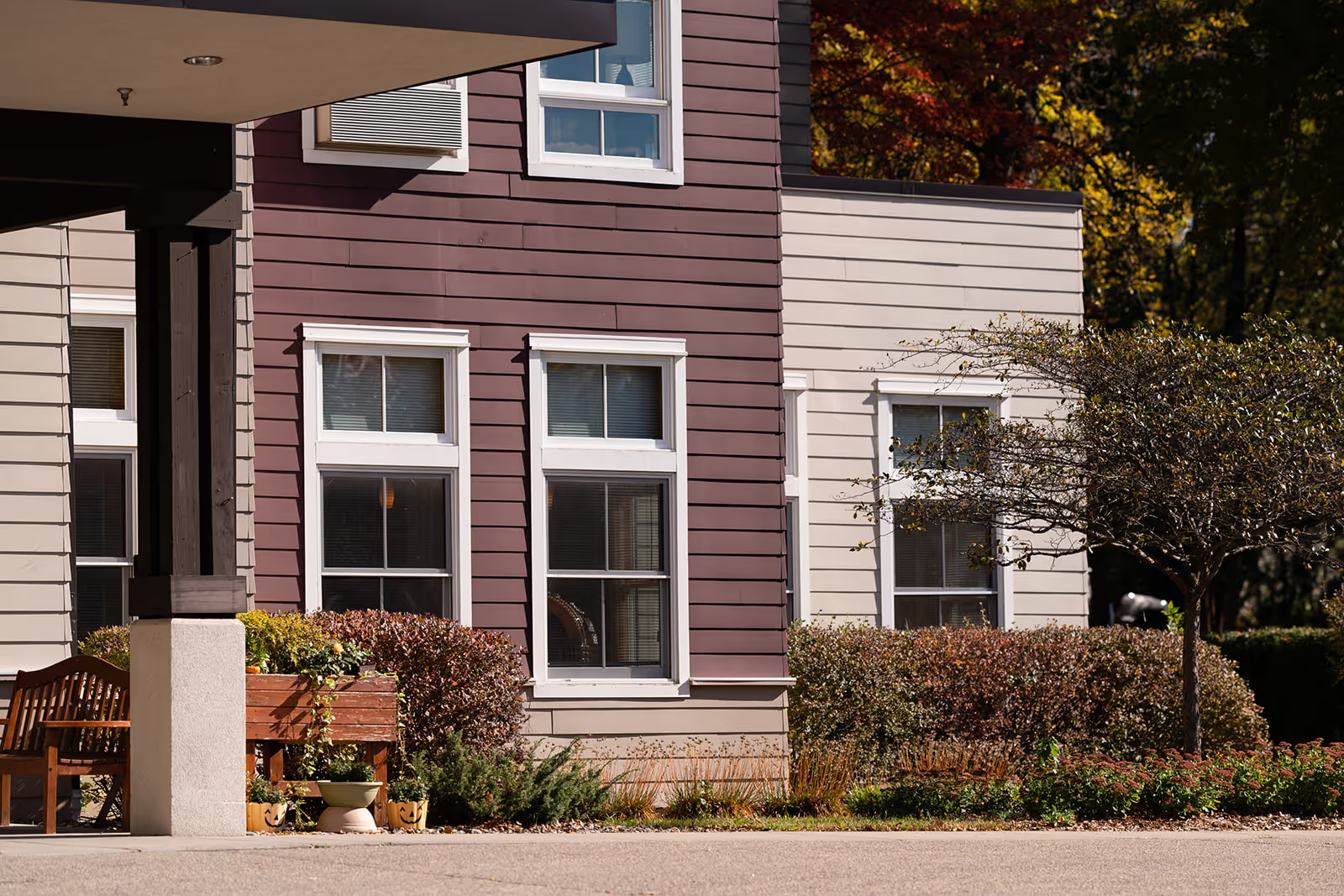
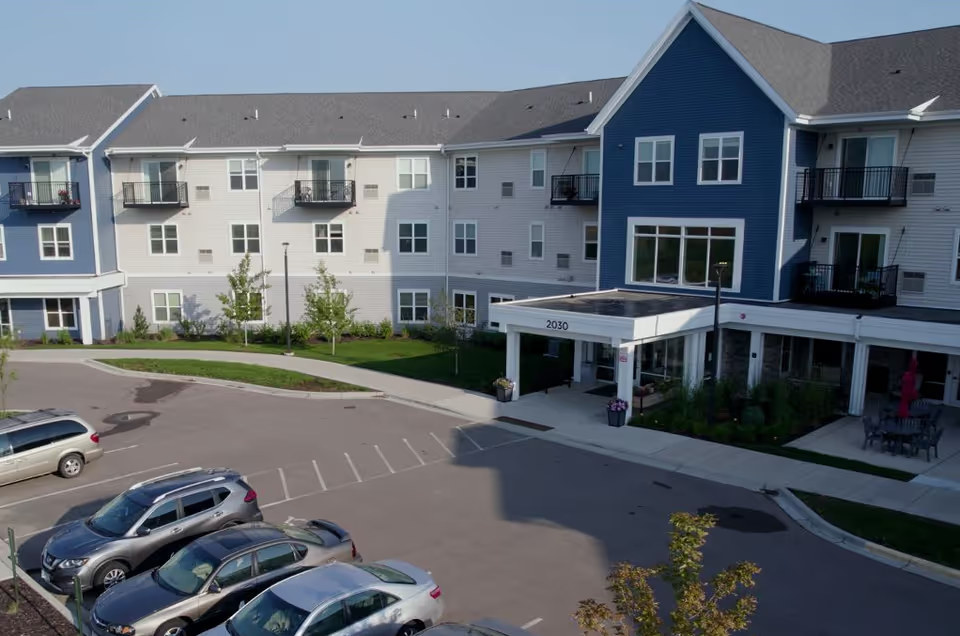
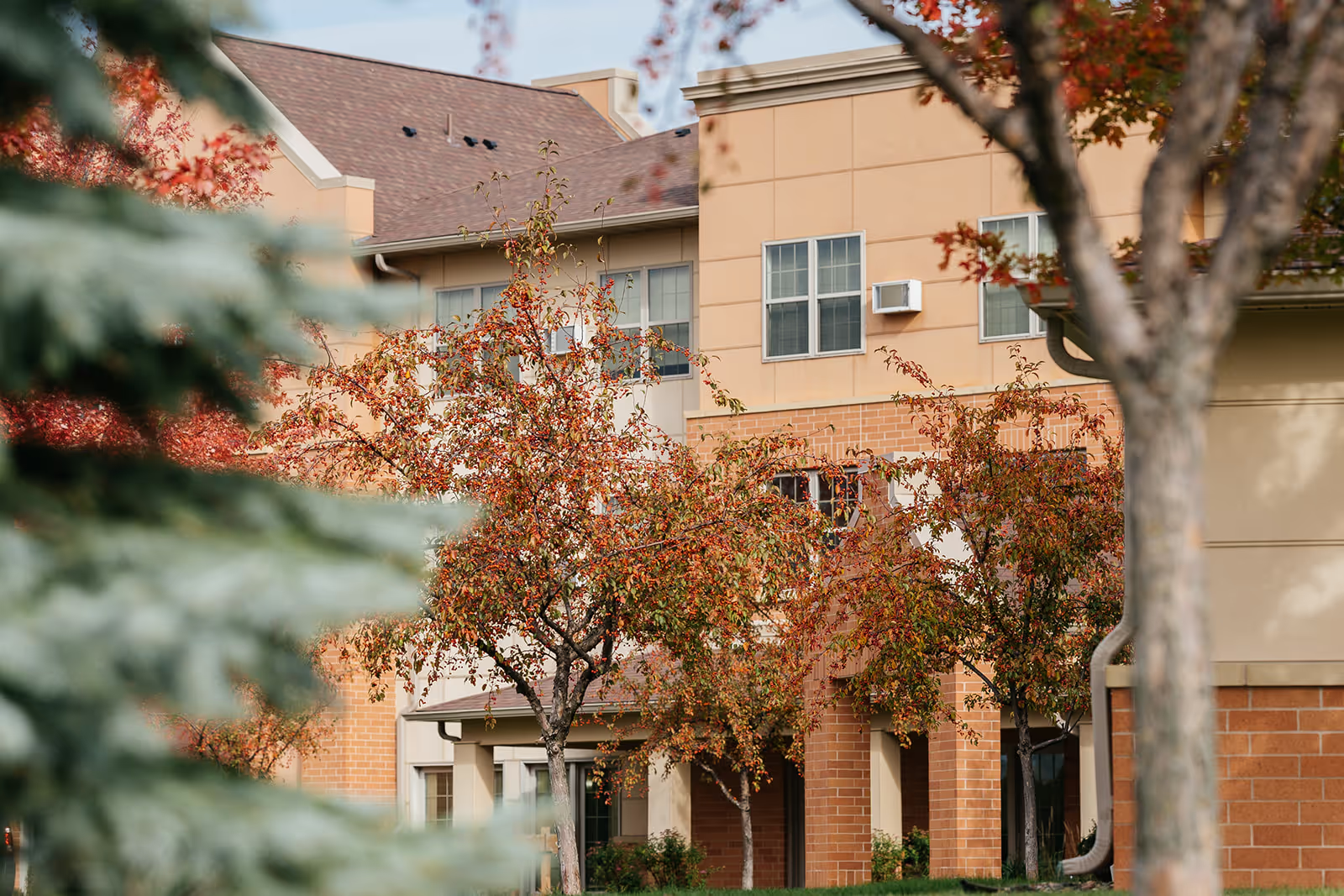
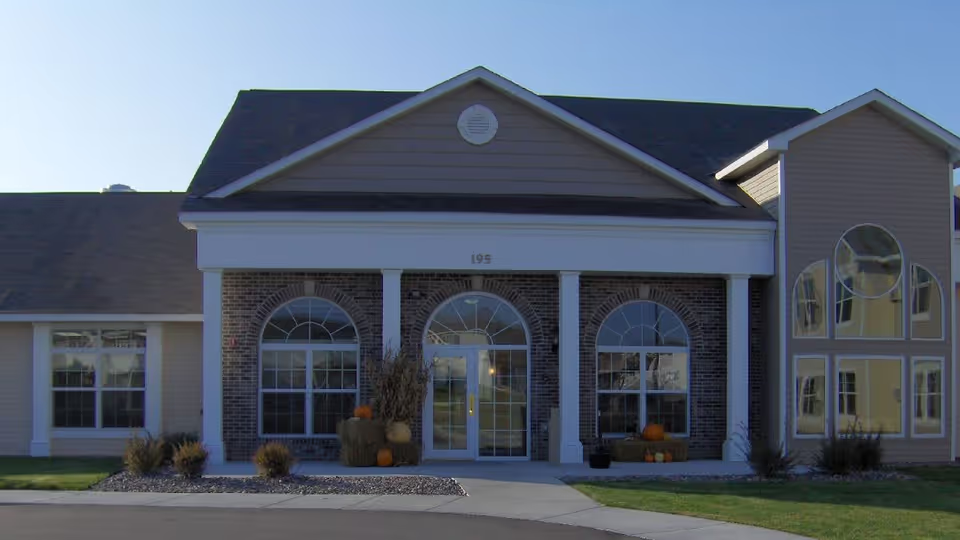
Reviewers describe a facility with several clear strengths alongside operational weaknesses that affect consistency of care. Strengths commonly cited include a warm, compassionate caregiving staff and attentive nursing assistants who engage with residents; many families praised dementia and hospice services as empathetic and effective. The activities program is active and well-supported by an engaged activities director who brings local talent and organizes outings when weather permits. Dining is frequently described as good to excellent, with a cheery dining area and staff who make mealtimes social. The campus itself is clean, well maintained and set in an attractive rural location with notable country views; many units offer private en-suite bathrooms, some include balconies, and common areas are easy to navigate.
Care quality is portrayed as generally positive in terms of frontline caregiving: reviewers repeatedly highlight respectful interactions, aides who eat with residents, and staff who are supportive during end-of-life transitions. However, several accounts identify operational gaps that affect daily care consistency. The most recurrent concerns relate to staffing—periods of understaffing and high turnover were associated with delays in personal care tasks (for example, bathing schedules) and with medication-timing issues. These patterns create variability in service delivery that families should consider when evaluating reliability of daily assistance and clinical follow-up.
Communication and administrative processes are mixed. Many families report responsive communication and strong family engagement from certain staff and managers, while other accounts point to lapses such as not being notified promptly about hospital admissions or not being scheduled for care conferences. There are also isolated but significant financial/administrative concerns: examples include disputes over final billing and questions about fee transparency or refund handling. Prospective families may want to clarify admission-to-discharge billing procedures and preferred family-notification workflows up front.
Programming and logistics: the activity offerings and community life are generally favorable for a smaller, rural community—frequent activities, outings, and a personable atmosphere are emphasized. At the same time, the facility’s smaller size appears to limit the breadth of programming compared with larger communities, and transportation services were noted as limited by some reviewers. Facility interior design received mixed comments: while grounds and many interiors are attractive and well cared for, some common areas and units were described as darker than preferred, so lighting and color schemes may be worth evaluating during a tour.
In summary, this community is frequently recommended for its compassionate staff, quality dining, engaging activities, and appealing rural setting. The primary considerations for prospective residents and families are operational: confirm current staffing levels and turnover rates, clarify medication-administration protocols and family-notification procedures, review billing and refund policies, and assess transportation availability and interior lighting during an in-person visit. These steps will help weigh the facility’s strong interpersonal and environmental qualities against the variability some families experienced in administrative and clinical consistency.