The reviews present a mixed picture: reviewers consistently note positive aspects of the physical plant and clinical capability, while also raising significant concerns about interpersonal care and administrative communication. On the positive side, the facility appears to be renovated and spacious with attractive outdoor views, and it is able to accommodate residents with substantial or higher-acuity needs.
Care: Several comments indicate the facility can deliver the level of clinical support required for residents with elevated care needs, suggesting appropriate clinical services and accommodations for more dependent residents. At the same time, other remarks point to inconsistent experiences of care quality; families should anticipate variability and clarify staffing levels, care plans, and outcome metrics during a tour.
Staff: The dominant staff-related theme is concern about conduct and the tone of interactions with residents and families. These observations indicate potential issues with staff–resident communication, responsiveness, or interpersonal approach rather than systematic clinical incapacity. Prospective families should ask about staff training, supervision, and turnover to assess consistency.
Dining and activities: The review set provided limited information on dining and recreational programming. No consistent strengths or weaknesses in menu quality, meal service continuity, or activity offerings were reported in the supplied summaries; assessors should request sample menus, activity calendars, and recent resident engagement statistics during an evaluation visit.
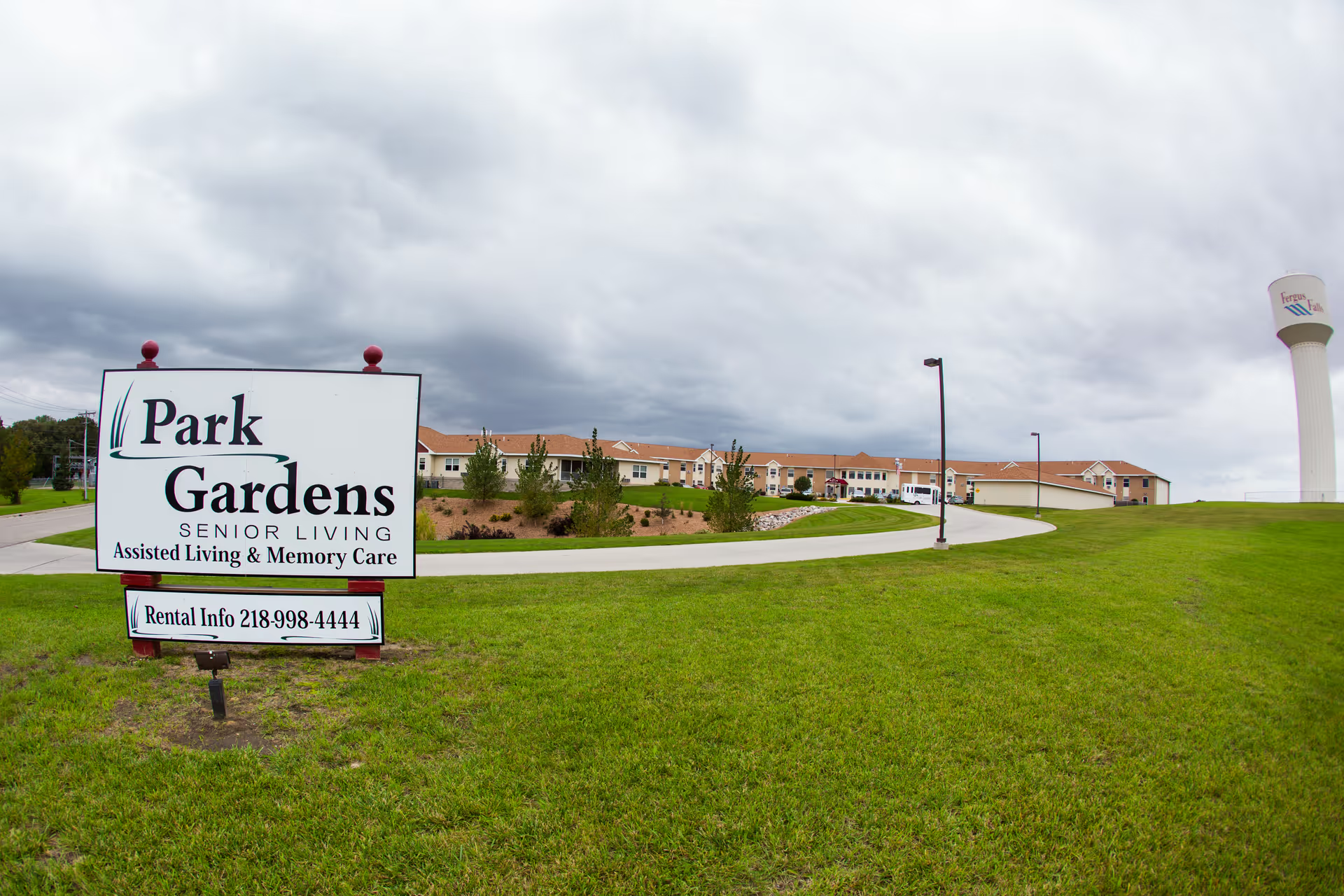
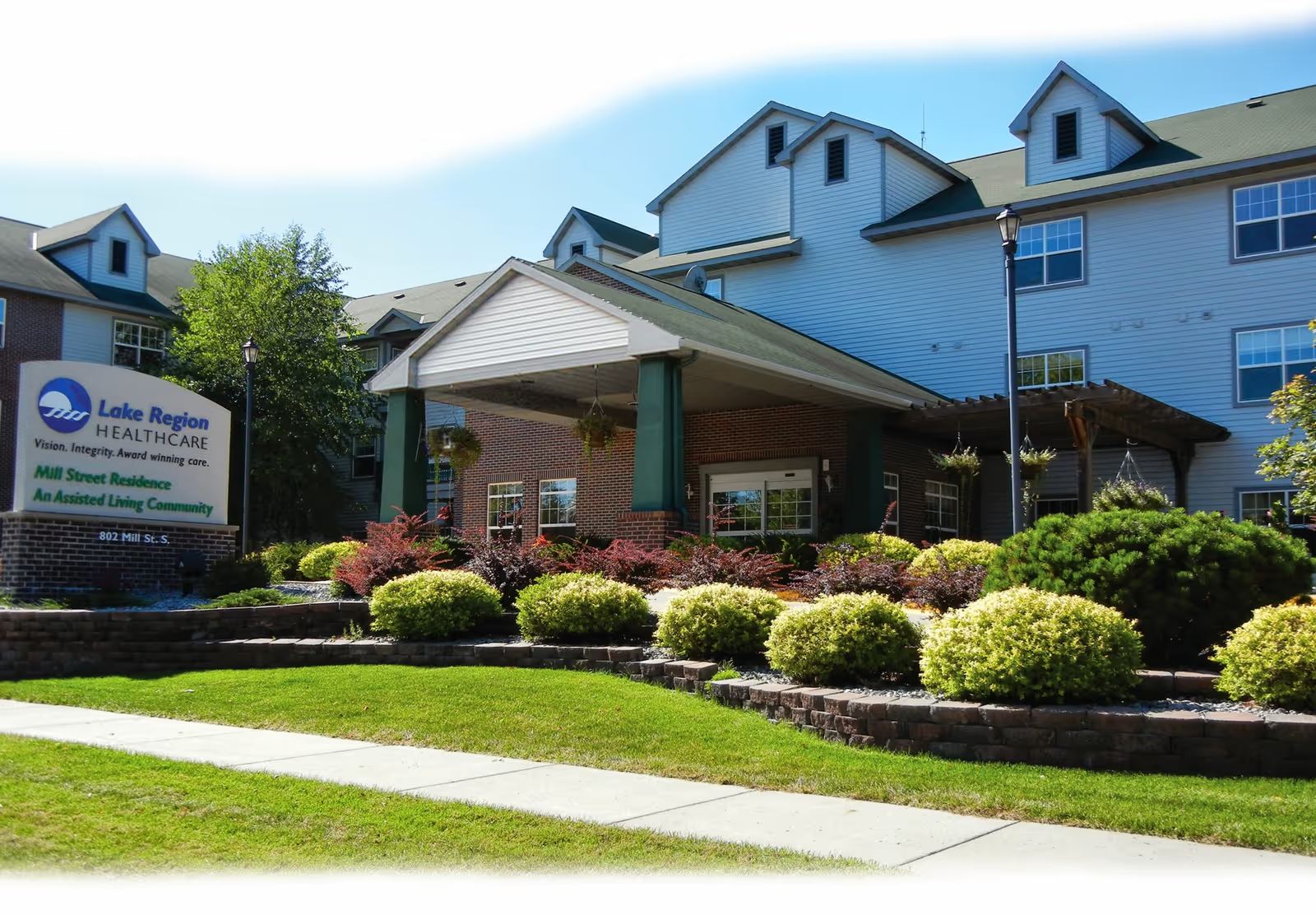
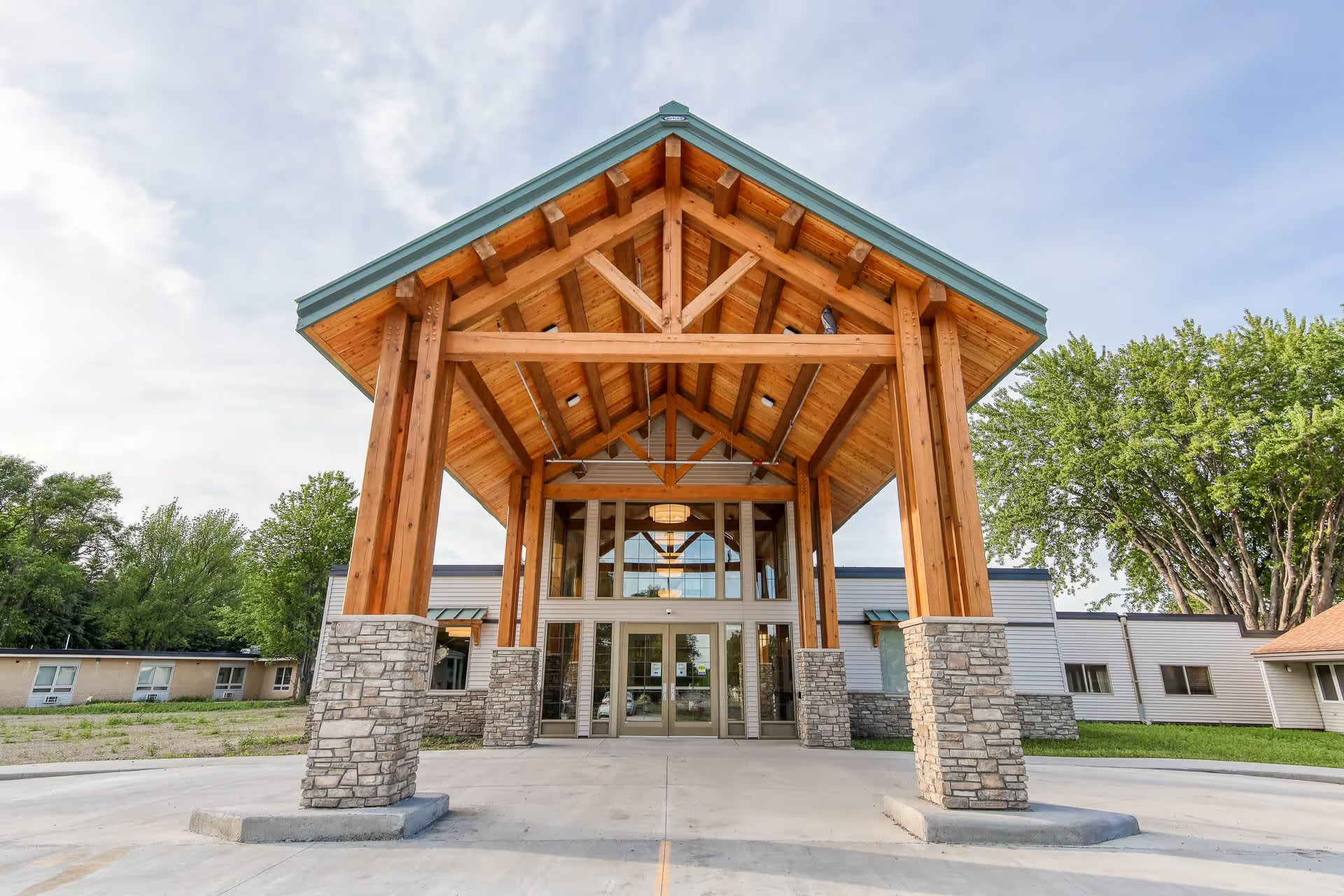
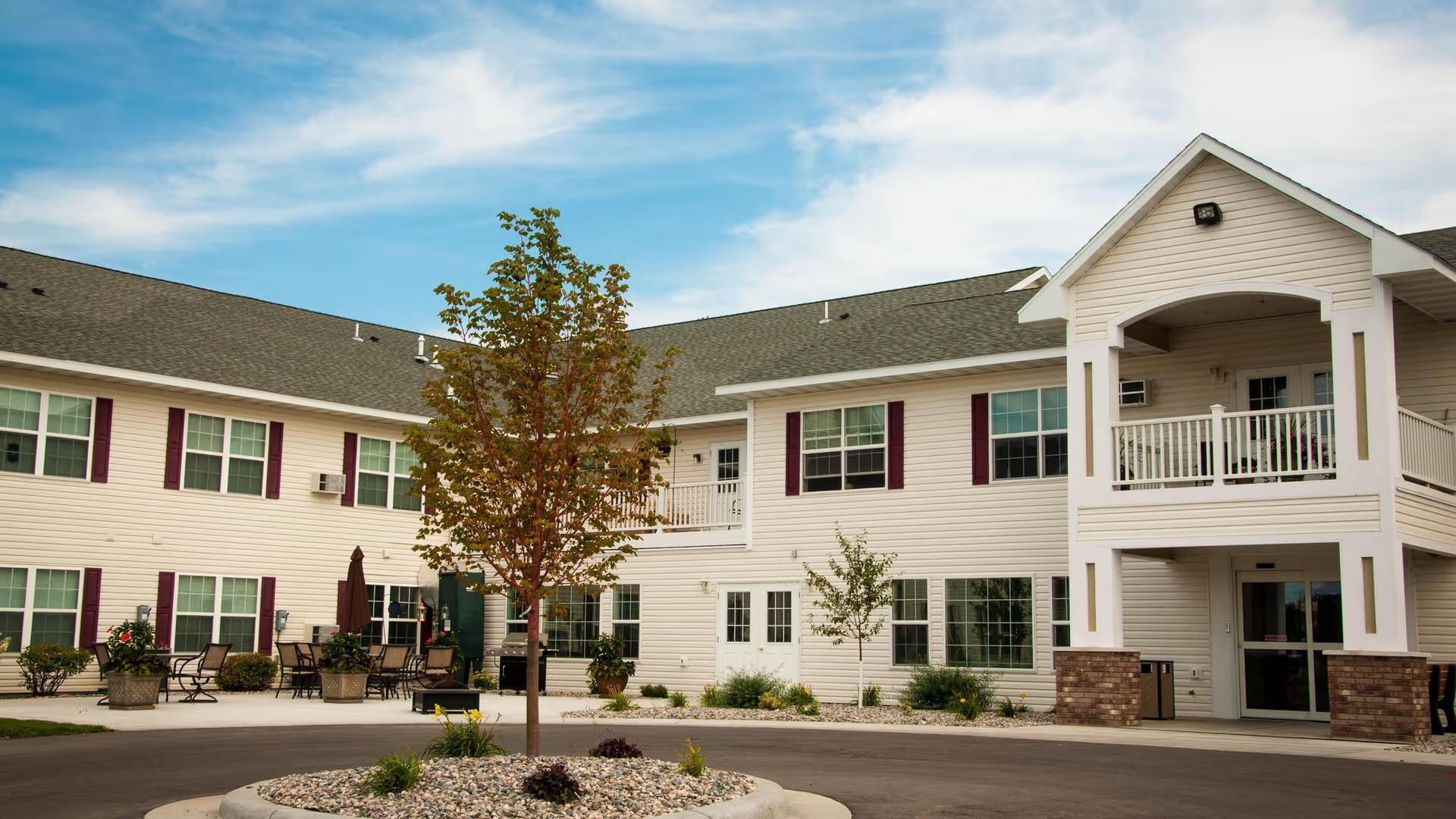
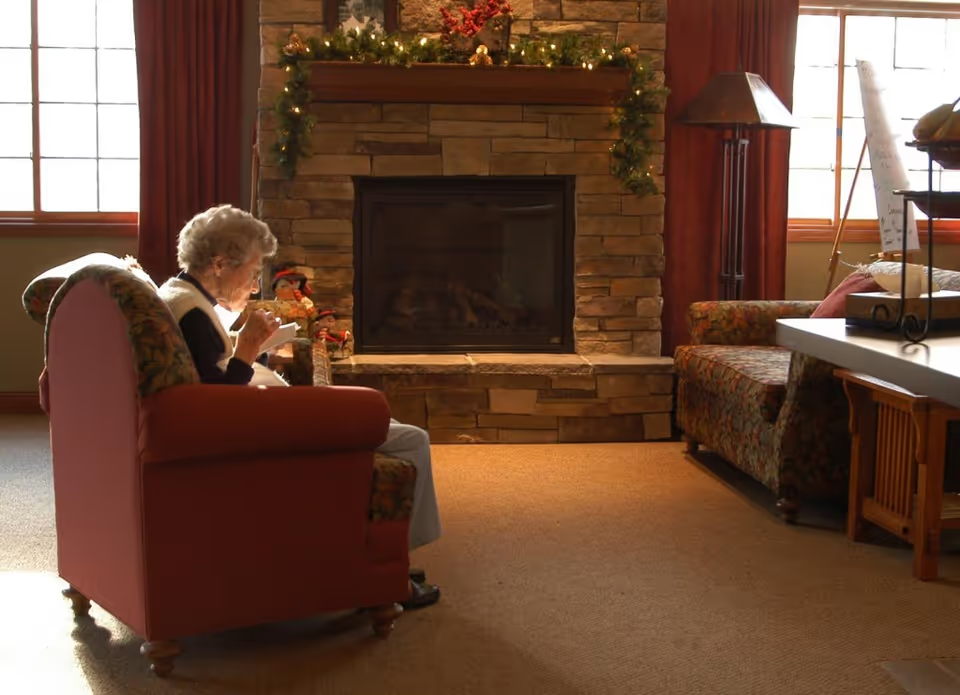
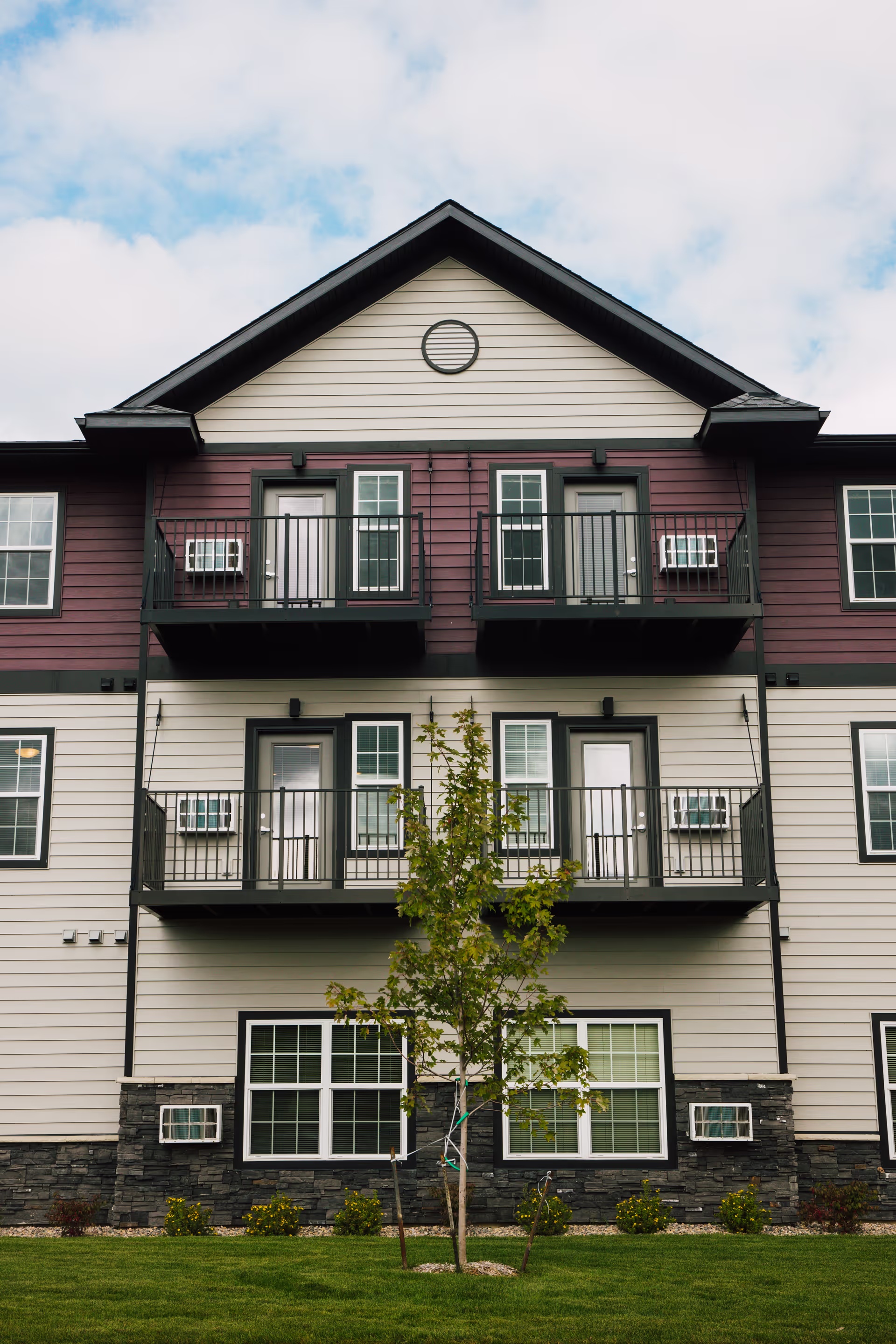
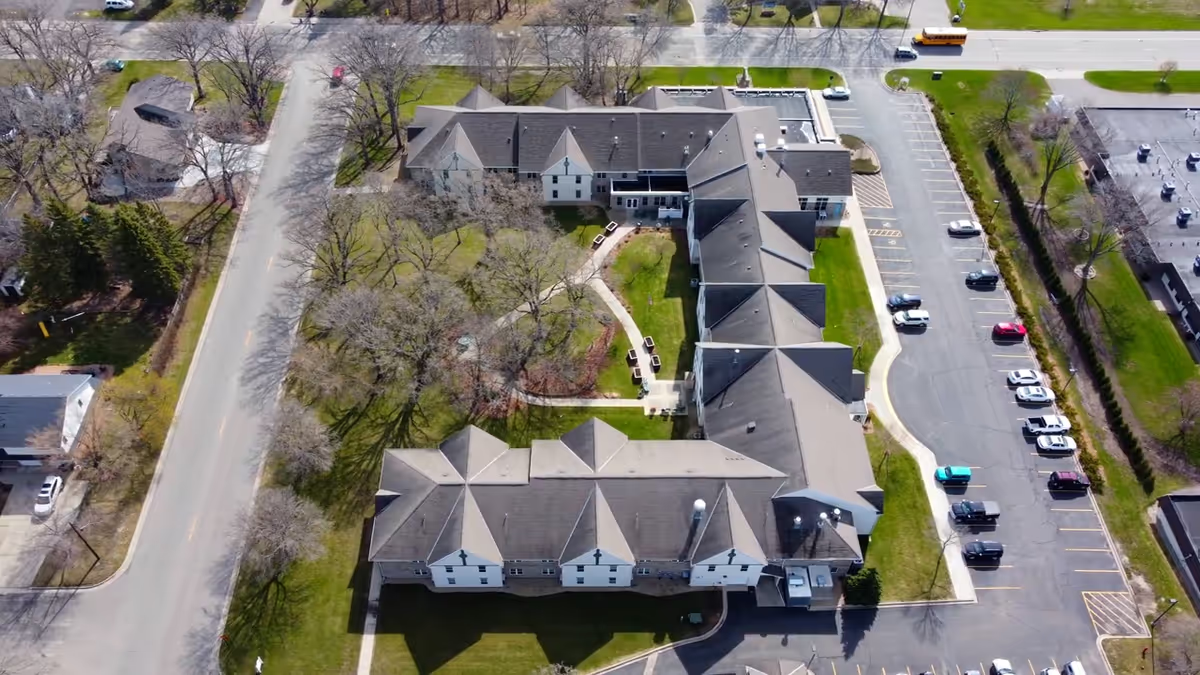
Facilities: Physical attributes are a clear strength. Reviewers described the environment as updated and spacious with pleasant outdoor views, which can support resident well‑being and mobility. Prospective residents may find the layout and outdoor access appealing for comfort and quality of life.
Management and notable patterns: Administrative communication around transitions and closures was raised as a concern, described as problems with how discharges, transitions, or closure events are handled and communicated to families. This, combined with the interpersonal concerns above, has led some families to consider moving loved ones. The overall pattern is a facility with solid physical resources and clinical capability but uneven performance in family communication and staff–resident interactions.
Recommendation: Prospective residents and families should verify clinical capabilities and staffing ratios, observe staff–resident interactions during a visit, and request written policies on transitions, closures, and family communication. Asking for recent survey results, staffing data, and references from current families can help clarify whether the facility’s strengths align with a prospective resident’s priorities.