Overview The Glenn Hopkins elicits consistently mixed but specific impressions. Reviewers commonly praise the staff, grounds, apartments and the breadth of services and amenities. At the same time a set of operational inconsistencies—principally around dining, staffing consistency, fees and new-resident integration—appear repeatedly. Prospective residents and families will likely appreciate the community’s physical environment and the availability of faith-based programs, but should weigh those strengths against variability in day-to-day service delivery.
Care and staff Many families describe caregiving staff as compassionate and professional, with nursing teams that respond and remedy issues when engaged. Maintenance and housekeeping are frequently noted as strengths, and staff members who work directly with residents are often described as friendly and attentive. Counterbalancing these positives, reviewers raised concerns about inconsistent staffing levels, attendants who appear rushed, delays in attending to requests, and variability in aide training. A few reports pointed to slow onboarding for services and questions about whether a given resident’s specific level-of-care needs are accepted; families should confirm care-acceptance policies and current staffing patterns for their loved one’s anticipated needs.
Dining and meal service Dining impressions are polarized. Several reviewers compliment the menu and dining staff, while a substantial number describe inconsistent food quality, overly salty or uninspired meals, limited options, missed special-preparation requests, and occasional interruptions to service. There are also frequent comments about additional charges for meals or meal-delivery and other a la carte fees. Because dining quality and billing practices are recurring concerns, families should observe a meal service during a visit, ask about recent kitchen staffing turnover, and get clarity on which services are included in base fees.
Activities and social life The community offers an extensive schedule of activities, pastoral care, outings and on-site amenities such as a salon, theater and chapel. Many residents find the programming engaging and appreciate opportunities for worship, crafts, and group outings. However, there are reports that some activities feel mismatched to certain residents’ ages or interests, that attendance at advertised programs can be low, and that staff do not always proactively integrate new residents into the social fabric. Prospective residents who prioritize specific types of programming should ask for recent activity calendars and sample attendance, and inquire about formal orientation or ambassador programs for newcomers.
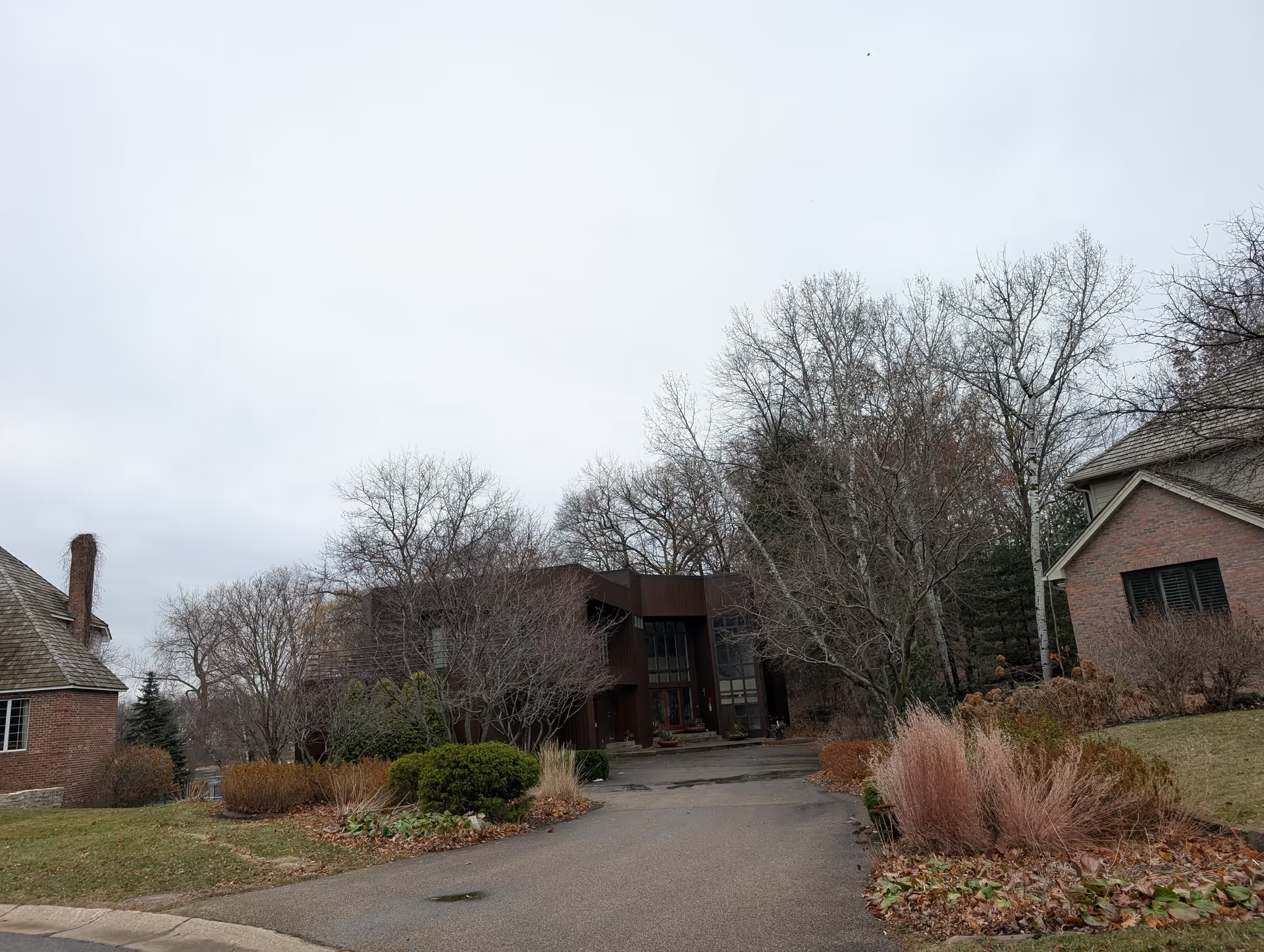
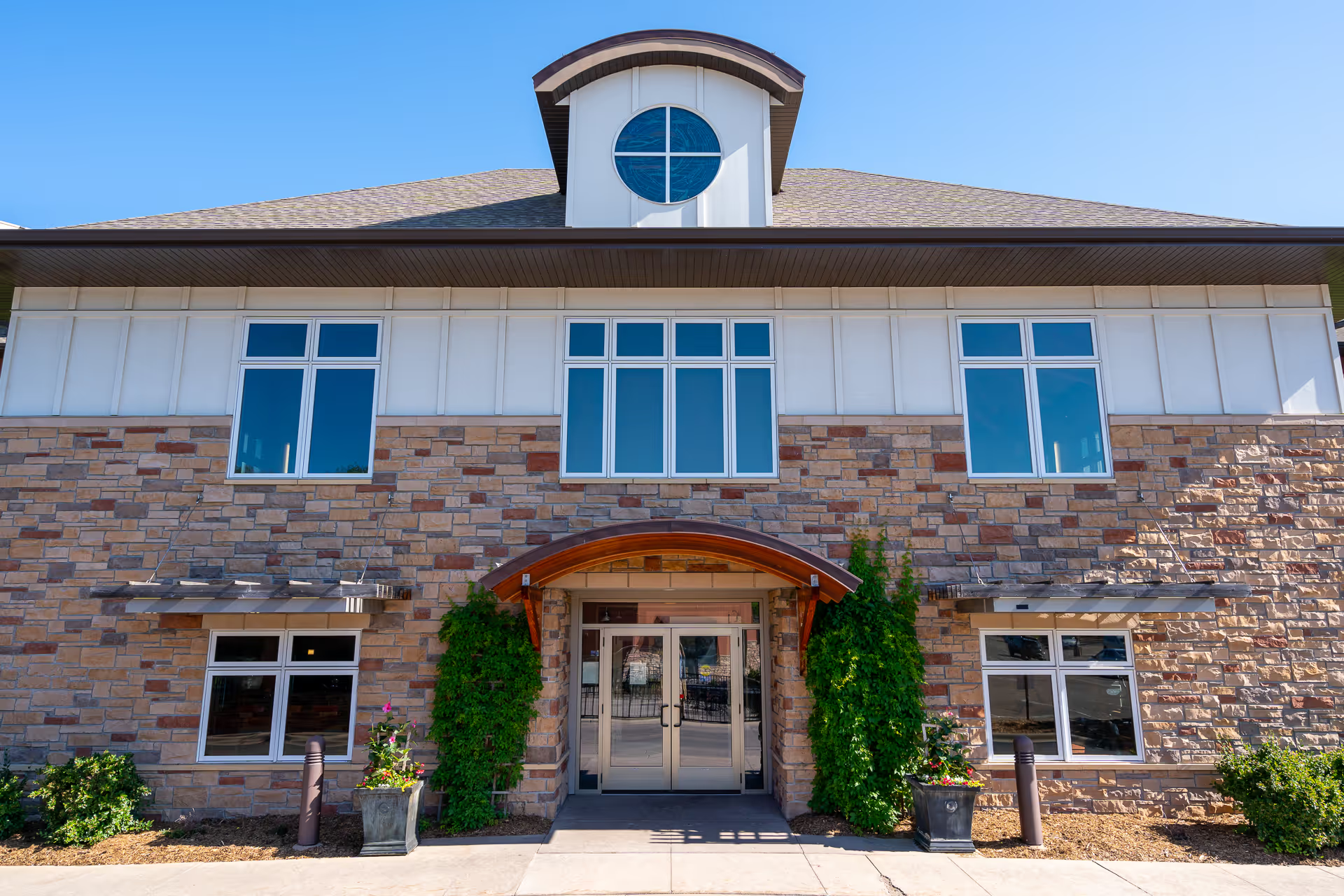
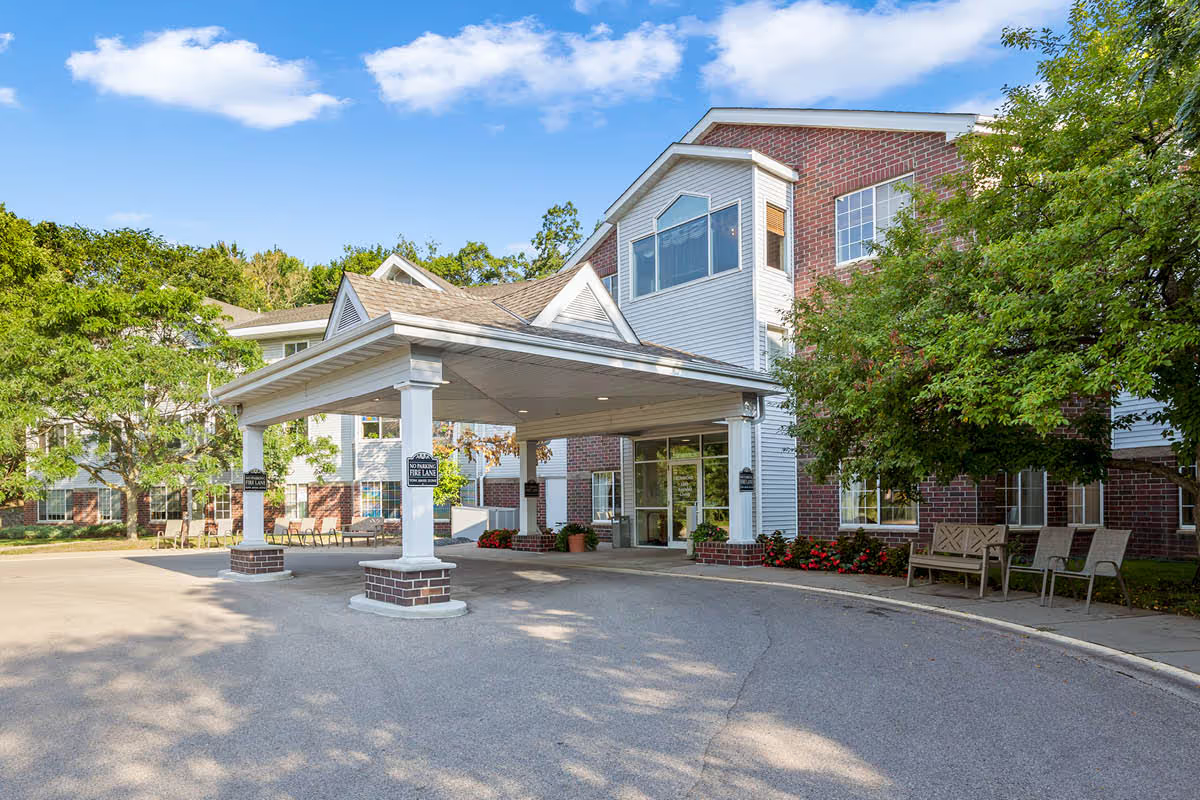
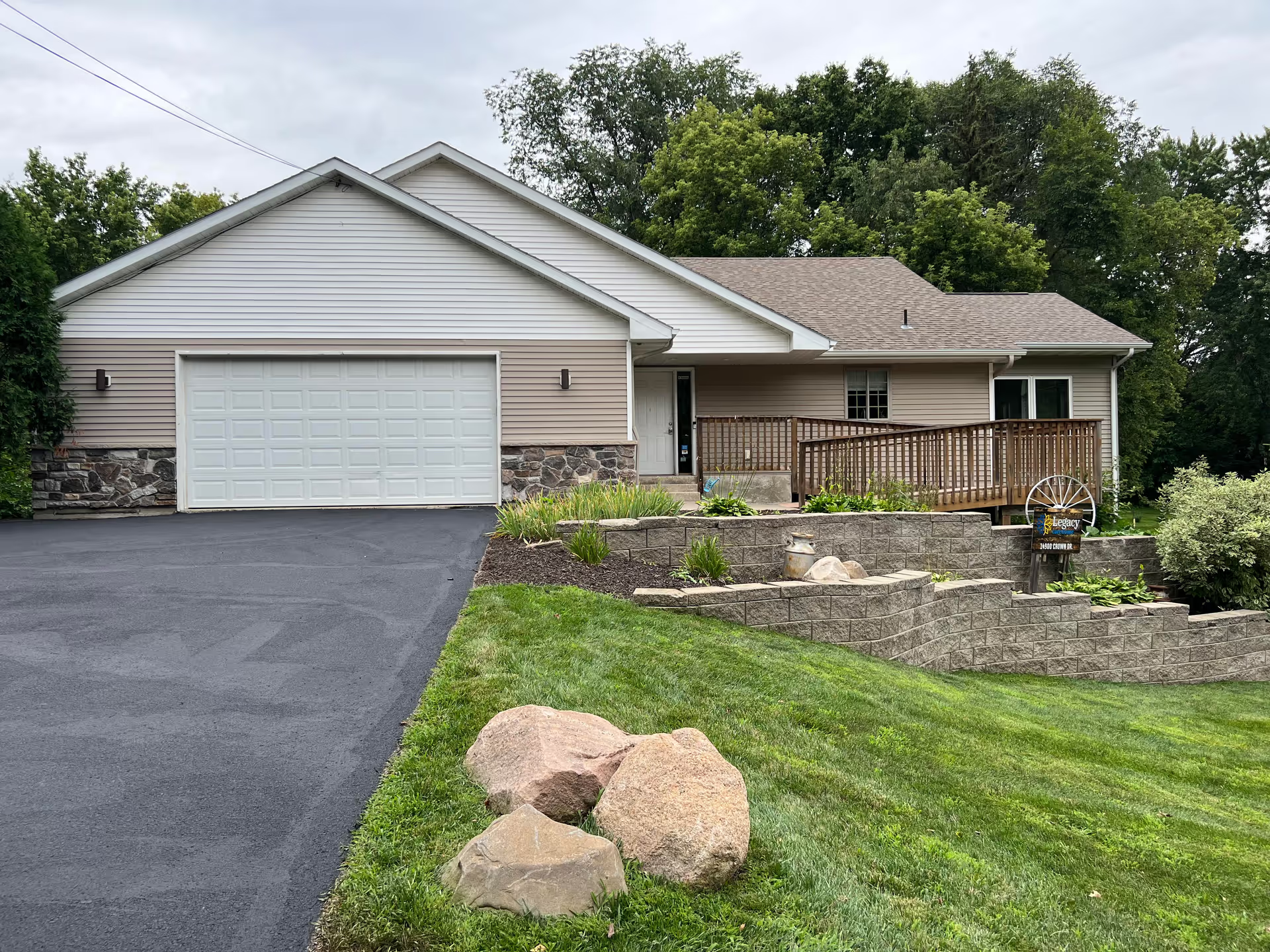
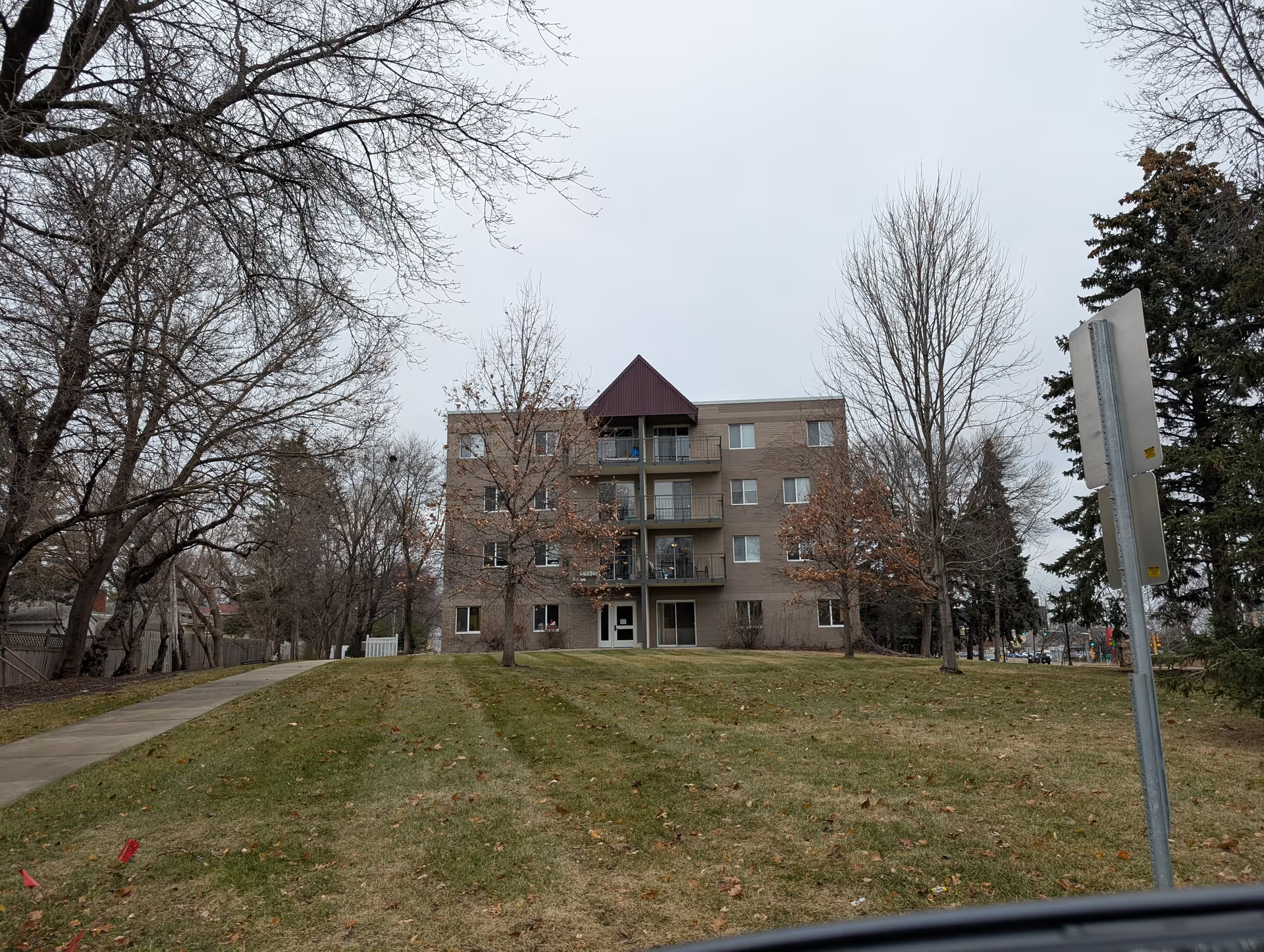
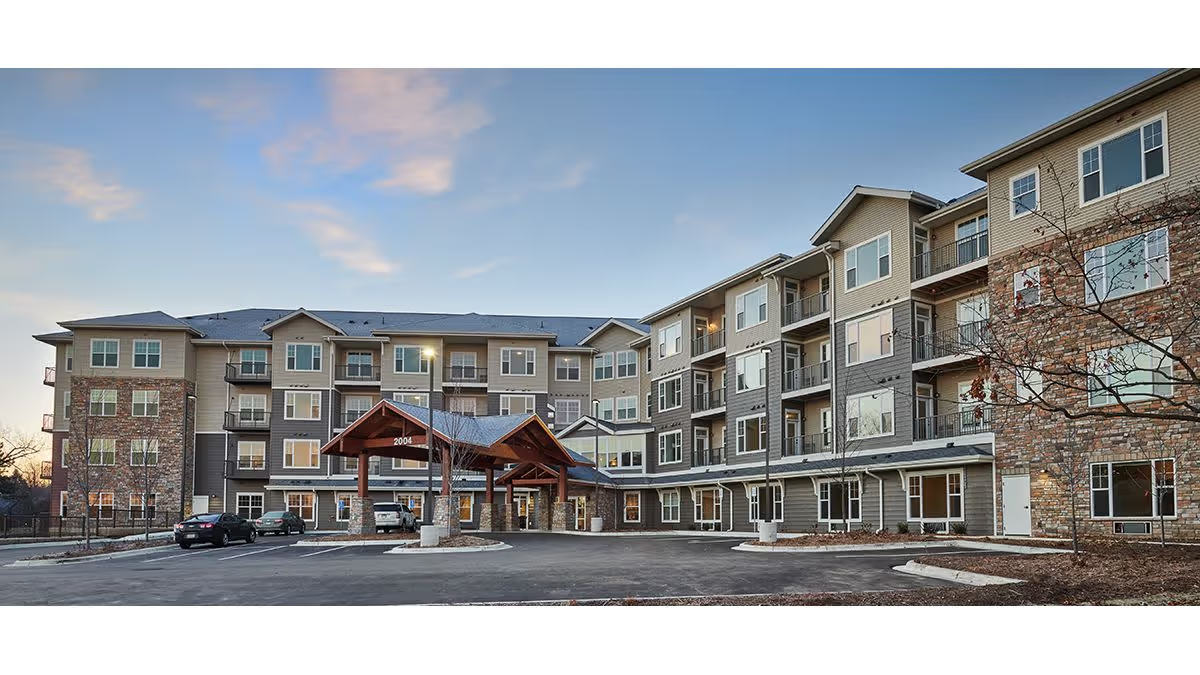
Facilities and campus Physical assets are a clear strength: attractive grounds, walking trails, pond views, roomy apartments and well-kept common areas receive consistent praise. At the same time the building’s size and layout are described as challenging by some residents and family members—navigation can be difficult and some areas feel dated or cold. A few reviewers cited the need for window or HVAC improvements and accessibility limitations in certain apartment configurations; families with mobility or temperature-sensitivity concerns should inspect specific units for accessibility and climate control.
Management, fees and value Opinions about management and value are mixed. Some reviewers commend transparent tour experiences, helpful move-in support and strong family communication. Others describe defensive or argumentative interactions with management, recurring additional charges, and periodic price increases that prompt questions about value for money. The presence of many ancillary fees (meals, laundry, assistance charges, cable) is a notable theme; families should obtain a detailed fee schedule, ask about typical annual increases, and confirm which services are included in the monthly rate.
Notable patterns and guidance for families Overall, The Glenn Hopkins is frequently recommended for residents who will benefit from an active community, well-maintained grounds, and attentive frontline caregivers. The principal cautionary themes are operational: inconsistent meal service, variable staffing and training, additional a la carte fees, and uneven new-resident integration. Those considering the community should schedule a tour that includes attending a meal and an activity, request current staffing ratios, review the written fee schedule, and confirm that the community can meet the prospective resident’s clinical and mobility needs. Doing so will help families weigh the property’s strong physical environment and staff strengths against the operational inconsistencies others have experienced.